Published: 15 April 2026. The English Chronicle Desk. The English Chronicle Online.
The global community holds its collective breath as the prospect of peace emerges once again today. Donald Trump recently suggested that critical negotiations with Iran might resume within the next forty-eight hours. These high-stakes discussions are expected to take place in the diplomatic heart of Islamabad very soon. The American leader spoke enthusiastically about the progress made during his recent interview with the press. He specifically praised the mediator role played by the influential Pakistani army chief during this crisis. Field Marshal Asim Munir has earned significant respect for bridging the gap between two rival nations. Trump noted that the military leader is doing a fantastic job managing these very complex arrangements. This optimism follows a period of intense uncertainty regarding the future of the regional security landscape. The first round of talks over the weekend left many observers questioning the path toward stability. A reporter recently traveled to the Pakistani capital to witness the initial attempts at a ceasefire. After their discussion, the president reportedly called back with a very significant and positive status update. He encouraged the media to remain on the ground as something big could happen very shortly.
The atmosphere in Islamabad remains tense but hopeful as officials prepare for a potential second meeting. A Pakistani representative confirmed that the game is indeed on for all parties involved right now. However, they suggested that the timeline might be slightly longer than the president initially had anticipated. It may take a few more days to align the schedules of the various international delegations. The local government is racing against time to finalize a date for this essential peace summit. They must find a window before the current two-week ceasefire expires on Wednesday, 22 April. Failure to secure a new agreement could lead to a swift return to active military hostilities. The world markets are watching these developments with an intensity not seen in many decades today. Oil prices have already shown a sensitive reaction to the news of a possible diplomatic breakthrough. Crude dipped toward ninety-five dollars a barrel following the reports of a potential second round soon. This provides some relief after prices spiked well above one hundred dollars during the recent blockade.

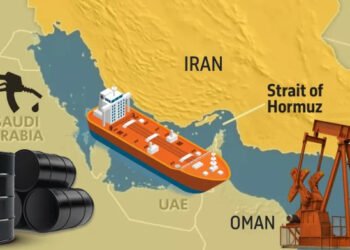
The initial round of negotiations lasted twenty-one hours before hitting a very significant and public roadblock. Vice-President JD Vance walked out of the talks on Sunday morning citing a lack of commitment. He claimed that Iran failed to provide an affirmative promise regarding their nuclear weapons development program. This sudden departure led to a wave of speculation about the total collapse of the process. In response, the Trump administration declared a strict naval blockade on all major Iranian shipping ports. This move was designed to increase economic pressure on Tehran following their closure of the strait. US Central Command reported that no merchant ships successfully bypassed the blockade during the last day. Six vessels were forced to turn around and re-enter Iranian waters in the Gulf of Oman. Such measures have placed a tremendous strain on the global energy supply chain and local economies. The closure of the strait typically impacts one-fifth of the world’s daily oil and gas flow. This strategic waterway is a vital artery for international commerce and regional stability for many nations.
Despite the economic warfare, there are signs that both sides might be willing to compromise further. JD Vance appeared surprisingly open to the possibility of returning to the table on Monday evening. He told reporters that the big question is whether Iran will show enough diplomatic flexibility now. The Vice-President acknowledged that some movement occurred in Islamabad but it was simply not enough yet. He suggested that the decision to continue rests primarily with the leadership located within the city. Meanwhile, the US Treasury Department maintains a firm stance on the existing sanctions against the regime. They do not plan to renew the temporary easing of restrictions on Iranian oil sales currently. This policy was originally intended to help stabilize energy prices during the initial shock of war. The administration continues to use every economic lever available to force a favorable diplomatic outcome today. They believe that sustained pressure is the only way to achieve a lasting and secure deal. This approach has met with both domestic support and significant international criticism from various global allies.
The conflict has also spilled over into neighboring territories, creating a much broader regional humanitarian crisis. Israel and Lebanon have been engaged in their own unprecedented negotiations within the city of Washington. These talks focus on the cross-border violence that erupted following the initial attack on Iranian targets. Hezbollah aligned itself with Iran and launched numerous rocket attacks against northern Israeli population centers recently. Israel responded with an intense bombardment of Beirut and a subsequent invasion of southern Lebanon. The US State Department praised these discussions as a productive step toward direct and formal negotiations. However, the militant group Hezbollah has already rejected any agreements made by the Lebanese government officials. This internal division complicates the search for a comprehensive peace treaty in the Middle East region. The interconnected nature of these conflicts makes a single solution very difficult to achieve right now. Every diplomatic move in Islamabad ripples through the corridors of power in Washington and Tel Aviv.

Technical disagreements over nuclear enrichment remain the primary obstacle to a final and binding peace agreement. The American delegation is demanding a twenty-year suspension of all Iranian uranium enrichment activities immediately. In contrast, Iranian officials are only offering a moratorium lasting less than ten years at this time. This gap in expectations reflects the deep-seated mistrust that has defined their relationship for many years. An Iranian official accused the United States of making maximalist demands during the previous weekend sessions. They stated that Iran did not surrender on the battlefield and will not at the table. Another major concern involves the existing stockpile of highly enriched uranium buried deep underground today. These materials are close to weapons-grade purity and represent a significant threat to global security. During previous talks in Geneva, Iran offered to dilute the substance to extend the breakout time. The United States continues to demand the total removal of all such materials from the country. Finding a middle ground on this specific issue is essential for any successful future treaty.
Personalities and trust also play a significant role in the success of these very delicate negotiations. Reports suggest that Iran prefers to deal directly with Vice-President Vance rather than other designated envoys. They reportedly do not trust specific advisors like Steve Witkoff or members of the president’s family. This preference highlights the personal nature of international diplomacy in the current American political administration today. Pakistan continues to serve as a vital hub for regional leaders seeking to end the war. Officials from Saudi Arabia, Egypt, and Turkey have arrived in Islamabad for high-level consultations this week. Prime Minister Shehbaz Sharif is preparing for a diplomatic tour to build broader support for peace. He plans to visit Turkey and Qatar to discuss reparations and the reopening of the strait. His travel plans may be altered if the talks resume more quickly than his staff expects. The world remains hopeful that these efforts will finally bring an end to the ongoing violence. Every hour of dialogue brings the possibility of a more stable and peaceful future for everyone. Investors and citizens alike wait for the next update from the leaders involved in this struggle.
Related News:
 EU Weakens as Trump Targets Venezuela and Greenland
 Venezuela Oil Deal Opens Tensions with US Control
 US Citizens Warned to Venezuela Flee Amid Paramilitary Threats
 Gulf states warn Trump Iran strikes risk wider Middle East war
 Machado Trump medal gesture reshapes Venezuela power struggle
 Greenland defence seen as shared Nato duty amid troop arrivals
 Gulf states warn Trump Iran strikes risk wider Middle East war
 Trump Receives Machado’s Nobel Medal in White House Meeting
 Iran unrest slows under brutal crackdown and global tensions
 Syria President Declares Victory as Ceasefire Reached with SDF
 US Considers Asylum for British Jews Amid Rising Antisemitism
 Thousands Protest ICE Operations in Nationwide US Day of Action
 Epstein Files Reveal Trump Officials’ Emails with Financier
 Thousands Protest ICE in New York Against Trump Deportation Campaign
 Sydney Protest Pepper Spray Clash During Herzog Visit
 Cuba Kills Exiles in Speedboat Attack from US Waters
 Yvette Cooper: UK Must Follow Principles, Not US Pressure
 Saudi Arabia Urging US to Keep Up Iran Attacks
 Washington Enlists Musk to Battle Global Hostility Online
 Macron Urges Stability as Trump Jolts Nato and Iran
 Trump Address Sparks Global Backlash Over Iran War Tactics
 Macron Rebukes Trump Following Mockery of His Marriage
 Trump Sets Tuesday Deadline for Iran to Reopen Vital Strait
 Tragic End to Outback Search as Floods Claim a Life
 Ben Roberts-Smith Arrested Over Alleged War Crimes
 Trump and Tehran Find Common Ground in Landmark Ceasefire
 Netanyahu Vows Continued Lebanon Strikes Amid Peace Talks
 Reeves Slams Trump Over Iran War Lack Of Exit Plan
 US and Iran Pursue Extension of Ceasefire via Pakistan
 Pope Leo Calls for Global Unity Following Trump Criticism
 Trump Brokers Ten Day Ceasefire to Halt Lebanon Conflict
 Mexico, Spain and Brazil call for Cuba dialogue amid crisis
 Tensions Flare as Iran Rejects New Peace Talks with US
 Ukraine Urges UK to Seize Russian Oil Tankers
 US Calls Australia Media Law “Foreign Extortion”
 Tragic End to Search for Missing Girl in Alice Springs
 Questions Remain Over The Tragic Bondi Massacre
 Activists allege abuse after Gaza flotilla seizure
 Ukraine strikes Tuapse as oil disaster worsens
 Global order shifts amid Trump-era turmoil
 Australia pushes Pacific security pact amid China tension
 Indiana Republicans Defy Trump in Key Vote Test
 Middle East Crisis Escalates as Oil Routes Shake Markets
 FIFA Confirms Global Ban for Benfica Star Prestianni
 New South Wales Wetland Rescue Legislation Passes
 Tensions Emerge in Netanyahu-Trump Alliance
 Putin Declares Russia Victory at Scaled Victory Day Parade
 US and Mexico Face Heatwave as Floods Batter South Africa
 The Long Way Home: Australia’s High-Stakes Virus Mission
 Trump Warns Iran Ceasefire Is Now on Life Support
 Putin Signals War End as Russian Momentum Stalls
 Scepticism and tight security as Beijing braces for Trump
 UN Faces Crucial Vote on Landmark ICJ Climate Ruling
 US-Mexico Crisis: Cartel Allegations Push Ties to Brink
 Netanyahu Calls Early Election Amid Coalition Turmoil
 Philippine Senator Flees After Days Under Senate Siege
 Solomon Islands Elects China Critic Matthew Wale as Leader
 Tragedy in the Maldives: Inside the Deep Sea Rescue
 US Ebola Case Sparks Urgent Global Screening Measures
 Xi Hosts Putin in Beijing Days After Landmark Trump Summit
 Fragile Truce Shattered as Violence Escapes Diplomatic Control
 The Hunt for Bato: Inside the Hunt for the Fugitive Senator
 Israeli Strikes in Lebanon Kill 10 Amid Ceasefire Strain
 Zelenskyy warns over Oreshnik threat as Kyiv hit
 Hunger increasingly weaponised in global conflicts
 Discontent grows around Putin amid war strain
 Former ICC prosecutor condemns US sanctions
 Bondi Tragedy Survivors Face Online Abuse After Inquiries
 Japan Suffers Plastic Shortage Due to Middle East Crisis
 Venezuela Opposition Steers Uncharted Path Forward
 Aukus Deal Facing Fierce Backing and Historic Criticism
 Thai Princess Bajrakitiyabha Passes Away at 47
 Sentenced to 30 Years: Former Leader’s Secret Drone Plot
 Kyiv Heritage Blazes After Night of Brutal Russian Strikes
 Iran To Propose New Shipping Fees In Strait Of Hormuz
 Trump’s Iran Legacy Hangs on Tehran Deal
 High Drama in Tehran Over Secret Nuclear Letters
 Houthis Strike Saudi Arabia as Middle East Tensions Rise
 Taliban global ties grow as rights fears mount
 Seoul proposes historic peace talks to replace Korean War armistice