Published: 04 June 2026. The English Chronicle Desk. The English Chronicle Online.
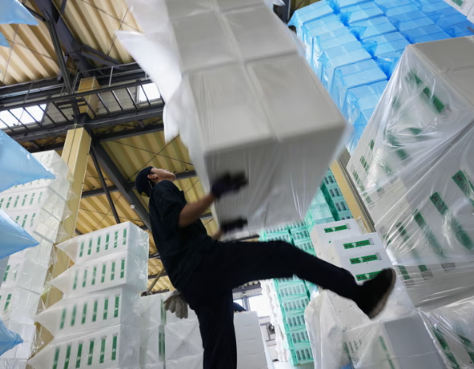
Japan is currently facing a severe shortage of essential plastic products across the country. Takeaways, supermarkets, and local bakeries are running out of basic plastic packaging materials. The crisis includes a lack of shopping bags, food trays, and service gloves. This issue stems from a major shortage of a crucial chemical component named naphtha. The naphtha deficit has been caused directly by the ongoing war in the Middle East.
The food sector is experiencing the heaviest burden from this sudden material shortage. This industry accounts for nearly one-third of the annual plastic consumption in Japan. The country typically uses more than eight million tonnes of plastic every single year. Massive price rises and severe supply shortages are now hitting the entire nation hard. The consequences of this crisis are felt deeply across the whole food industry. Many retail outlets have now begun offering special perks to their loyal customers. Shoppers receive rewards if they bring their own bags, plates, or containers.
The Middle East remains the primary source of crude oil for the nation. Naphtha is extracted from this oil and used for many different everyday items. The chemical is vital for manufacturing printing ink, plastics, adhesives, and medical supplies. Therefore, the geopolitical crisis in the oil region impacts several Japanese manufacturing sectors.
Recent data from the Japan Petrochemical Industry Association highlights the deep crisis. The production of polyethylene plummeted by sixty-two percent during the month of March. This specific material is required to manufacture standard shopping bags and garbage sacks. The data compares these low production levels directly to the previous year of 2025. Large manufacturing drops were also recorded for several other types of industrial plastics.
The government of Prime Minister Sanae Takaichi is facing intense political pressure. Citizens and business owners are demanding swift action regarding these nationwide plastic shortages. These supply issues are also beginning to affect various other domestic economic sectors. The government has repeatedly assured the public that this is just a bottleneck. Officials claim it is a temporary delivery issue rather than a true shortage. However, major industry leaders and political commentators have strongly contradicted these official statements. Experts warn that the material shortage will continue to worsen throughout June. Recent opinion polls show that the public views this as a top anxiety.
Japanese retailers have been legally mandated to charge for shopping bags since 2020. Despite this law, multiple layers of plastic packaging remain common in local stores. Extensive product wrapping is deeply embedded in the traditional service culture of Japan. This unique retail culture is now coming under intense pressure as supplies dwindle.
At the ColekoVer supermarket in Kawasaki, the crisis is affecting daily store operations. The store is located in a busy suburb in the south of Tokyo. Store manager Takeshi Takanohira is adjusting how his staff packages fresh produce. He has asked his workers to stop wrapping individual fruits and vegetables. Customers are used to seeing every single item wrapped neatly in plastic film. However, prices are rising quickly while the total supply continues to fall.
Takanohira explained that his store cannot source small plastic trays this month. They usually use these trays for displaying various types of fresh market produce. The team now has to manage without these familiar items every day. He noted that customers have been very understanding about the difficult retail situation. The plastic crisis has been featured on national television news almost every night.
One railway station away, a local bakery is facing similar supply problems. The Le Main Qui Pense bakery has displayed a sign for customers. The sign explains that the Middle East war has stopped their plastic shipments. The bakery has completely run out of bags to keep baguettes fresh.
Shisou Tanoshiri runs the popular bakery alongside her supportive husband. She stated they received a small delivery of plastic bags in mid-May. However, their regular supplier cannot confirm when the next batch will arrive. Furthermore, disposable plastic gloves for handling food are in very short supply. Japanese consumers are famously particular about high standards of hygiene and personal cleanliness. Many people strongly dislike reusing bags that touch food items directly.
In Kofu City, located west of Tokyo, another business is adapting creatively. The Hinode Delica shop is actively rewarding customers who practice good sustainability. The shop gives free side dishes to people who bring personal containers. Customers can also receive extra toppings on their traditional bento lunchboxes. The shop manager received a notification from their primary plastic container supplier. The supplier warned that container prices would increase by thirty percent in June.
Municipal rubbish collection systems are also experiencing severe disruptions across the country. Many cities rely on strict waste separation using specific coloured plastic bags. This logistical situation has been made worse by intense panic-buying from residents. Fearful citizens are hoarding bags, forcing stores to restrict individual sales limits. Outlets now allow a maximum of two bags per customer per visit. Some local municipalities are allowing non-approved bags for household waste disposal.
Japan is not the only nation struggling with these severe chemical shortages. Several countries across East Asia source most of their oil from the Middle East. Therefore, the wider Asian region is feeling the economic shockwaves of this war.
Daily sales of plastic garbage bags surged dramatically in the South Korean capital. In March, sales increased fivefold according to the Seoul Metropolitan Government. This sudden surge led to strict purchase restrictions and official government announcements. Energy and environment minister Kim Sung-whan attempted to calm the anxious public. He posted on social media that standard garbage bag supplies remained stable.
Taiwan is also facing major challenges during this regional material crisis. The island nation is one of the largest per capita plastic users globally. Citizens go through approximately nine billion plastic bags every single year there. Taiwan imports about seventy percent of its crude oil from the Middle East. Consequently, wholesale prices for plastics have surged by forty percent this year. This worrying economic statistic was recently reported by the Straits Times newspaper.
The Taiwanese government has urged its citizens to remain calm and peaceful. Officials are asking the public to avoid hoarding essential plastic bags unnecessarily. The government is also monitoring companies for any evidence of unfair price gouging. Leaders want to ensure businesses do not profit illegally from this crisis. The entire region remains on high alert as the supply chain worsens.
Related News:
 Ukraine Urges UK to Seize Russian Oil Tankers
 US Calls Australia Media Law “Foreign Extortion”
 Oil Prices Surge Above $120 Amid Iran Blockade Fears
 UPS Cargo Plane Crash in Kentucky Kills Seven
 Canada Passes Carney’s First Budget in Tight Parliamentary Vote
 India’s Labour Law Overhaul Sparks Fierce Debate
 US Citizens Warned to Venezuela Flee Amid Paramilitary Threats
 Gulf states warn Trump Iran strikes risk wider Middle East war
 Iran unrest slows under brutal crackdown and global tensions
 ‘Black Tax’: Burden, Pride and Survival for African Workers
 India-EU Free Trade Deal Marks Historic Economic Shift
 Keir Starmer meets Xi to strengthen UK-China economic relations
 Thousands Protest ICE Operations in Nationwide US Day of Action
 Epstein Files Reveal Trump Officials’ Emails with Financier
 Thousands Protest ICE in New York Against Trump Deportation Campaign
 Sydney Protest Pepper Spray Clash During Herzog Visit
 Trump Tower Gold Coast to Redefine Skyline
 Rory Amon Trial: Alleged Victim Speaks in Court
 Gulf shipping crisis as war risk cover pulled
 Global markets face turmoil as Hormuz crisis deepens
 Abramovich Chelsea Sale Cash Faces Jersey Probe
 The Truth Behind Rising Energy Costs and Fossil Fuel Myths
 Yvette Cooper: UK Must Follow Principles, Not US Pressure
 RBA rate hike sparks fears amid global crisis
 Oil Slides, Stocks Jump on Trump Peace Signals
 Stocks rise as Trump offers Iran peace plan
 Australian Growth Slows as Global Inflation Spike Looms
 Trump to Deploy “God Squad” Over Gulf Wildlife Protections
 Trump Threatens Iran With Total Infrastructure Destruction
 Iran Drone Strike Hits Kuwaiti Oil Tanker in Dubai Port
 Trump Slams Europe as Transatlantic Tensions Boil Over
 Trump Issues Stark Warning After Strike On Iran’s Largest Bridge
 US Senators Slam Ticketmaster Over Sneaky New Fee Hikes
 Apple at 50: Three Products That Changed How We Live
 US and Iran Agree to Two-Week Provisional Ceasefire
 Trump and Tehran Find Common Ground in Landmark Ceasefire
 Reeves Slams Trump Over Iran War Lack Of Exit Plan
 IMF Warns Iran War Could Spark Deep Global Recession
 Trump Slams UK Ties and Threatens To Rewrite Trade Deal
 Southeast Asia Turns to Russia Amid Energy Crisis
 Capitalism ‘Suicidal’, Warns Petro at Climate Summit
 Tragic End to Search for Missing Girl in Alice Springs
 $13bn World Cup Set to Break All Revenue Records
 Trump orders US troop pullout from Germany
 Activists allege abuse after Gaza flotilla seizure
 US to Escort Trapped Ships Through the Strait of Hormuz
 Trump approval plunges amid Iran war fears
 Japan Protests Erupt Over Plans to Revise Constitution
 Global Conflict Hits Home As Bullock Warns Of Economic Pain
 FIFA Confirms Global Ban for Benfica Star Prestianni
 New South Wales Wetland Rescue Legislation Passes
 Tensions Emerge in Netanyahu-Trump Alliance
 US Awaits Iran Reply on New Ceasefire Proposal
 US and Mexico Face Heatwave as Floods Batter South Africa
 US Cities See 42% Drop in Canadian Visits Under Trump 2.0
 The Long Way Home: Australia’s High-Stakes Virus Mission
 Trump Warns Iran Ceasefire Is Now on Life Support
 High Stakes in Beijing as Trump and Xi Meet Amid Global Turmoil
 Putin Signals War End as Russian Momentum Stalls
 Fear and Betrayal: The Chilling Case of Kouri Richins
 Trump and Xi Convene in Beijing for Historic High-Stakes Summit
 Scepticism and tight security as Beijing braces for Trump
 Philippine Senator Flees After Days Under Senate Siege
 Big Tobacco Under Fire Over Controversial New Ad Campaign
 High Street Crisis: Fears Grow Over Post Office Closures
 Rubles and Resilience: How Russia-China Border Towns Thrive
 Tragedy in the Maldives: Inside the Deep Sea Rescue
 Fragile Truce Shattered as Violence Escapes Diplomatic Control
 Oil Markets Face ‘Red Zone’ Threat Amid Iran Crisis
 Hormuz Talks Near Critical Stage
 UK Urged to Build EU Rejoin Consensus, Says Miliband
 Discontent grows around Putin amid war strain
 Former ICC prosecutor condemns US sanctions
 Steel Tensions Rise Between United Kingdom and European Union
 Aukus Deal Facing Fierce Backing and Historic Criticism
 Thai Princess Bajrakitiyabha Passes Away at 47
 UK Economy Suffers a Sharp Downturn as Iran Conflict Bites
 Remote Mine Sites Face Deep Culture Crisis
 Ukraine Creates Long-Range Strike Command
 Houthis Strike Saudi Arabia as Middle East Tensions Rise