Published: 11 May 2026. The English Chronicle Desk. The English Chronicle Online.
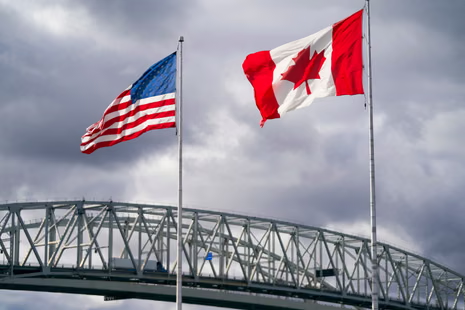
A significant shift in North American travel patterns has emerged through new research. A sophisticated tracking tool monitoring mobile phone activity has identified a startling trend lately. Canadian visitors are increasingly avoiding major metropolitan areas across the United States in large numbers. The data reveals a median year-over-year decline of approximately 42% in these visits. This figure sits significantly higher than the official border-crossing statistics currently being reported. Government records suggest a more modest but still very substantial 25% decrease overall. This discrepancy suggests that Canadians are specifically choosing to bypass larger American urban centres. The research was conducted by the School of Cities at the University of Toronto. Experts there analyzed Canadian mobile devices travelling south over a two-year period. This study spanned from the first of April 2024 until March 2026. The findings highlight a cooling relationship between the two historically close North American neighbours.
Several factors appear to be driving this dramatic exodus from American city streets. Political tensions during the second Trump administration have created a visible chilling effect. Trade disputes and the imposition of heavy tariffs have soured the general mood. Donald Trump has also made provocative comments regarding the sovereignty of the northern nation. His suggestions that Canada could become a 51st state caused significant public outcry. This rhetoric has combined with practical concerns regarding new immigration enforcement operations recently. Many Canadians now perceive the southern border as a much more hostile environment. Consequently, the economies of US border towns are feeling a very sharp pinch. These communities historically rely on a steady stream of traffic from the north. Business owners in these regions are reporting a devastating loss of vital revenue. The ripple effects are being felt far beyond the immediate border crossing points.
The decline is most visible in states that share a direct land border. New York, New Hampshire, and Vermont have all seen Canadian visitor numbers tumble. Even iconic American tourist destinations are not immune to this widespread downward trend. Las Vegas and Walt Disney World have both recorded noticeably fewer Canadian guests. Winter recreation areas in Florida are also seeing a significant drop in activity. These locations have traditionally served as essential hubs for “snowbirds” fleeing the cold. However, even these loyal seasonal residents appear to be staying home this year. The University of Toronto researchers believe their data offers a very comprehensive view. Unlike official border counts, mobile data captures the movement of heavy freight traffic. It also tracks the behavior of Canadians who previously lived in the United States. Many of these individuals appear to be participating in a form of return migration.
The decline in urban visits is particularly pronounced in high-tech and financial hubs. San Francisco and Houston have both experienced major reductions in Canadian foot traffic. This includes a drop in leisure tourists and essential business-related travel as well. Economic uncertainties on both sides of the border are clearly influencing these choices. Professionals seem less willing to travel for meetings that could be held virtually. The Director of the School of Cities noted several surprising specific regional trends. Grand Rapids in Michigan has seen an especially steep drop in Canadian visitors. This city shares deep economic ties with Ontario due to the automotive industry. There was once a constant flow of workers between these two industrial regions. That historic back-and-forth has slowed significantly since the new tariffs were introduced. The cost of doing business across the border has simply become too high.
The economic consequences for the United States are expected to be quite severe. Analysts suggest that the travel pullback could cost billions in lost visitor spending. Some estimates place the potential loss to the US economy at $4.2 billion. This decline puts tens of thousands of American service industry jobs at risk. Restaurants, hotels, and tourism services are the most vulnerable to these shifting patterns. Nearly $500 million in state and local tax revenue could also disappear soon. This creates a difficult situation for municipal budgets in popular tourist destinations nationwide. Meanwhile, the Canadian government has confirmed that return trips are down by 25%. Interestingly, fewer Americans are also choosing to travel north into Canada this year. However, that decline is much smaller at only around 7.5% in comparison. The imbalance suggests a specific Canadian reluctance to engage with their southern neighbour.
Many Canadians are now choosing to spend their holiday budgets within their borders. Domestic tourism in provinces like British Columbia and Quebec has seen a boost. Others are looking toward overseas destinations in Europe or Asia for their vacations. This shift reflects a desire for more stable and welcoming travel environments lately. The long-term impact on the integrated North American economy remains to be seen. If these travel patterns persist, they could permanently alter many local business models. For now, the “Trump 2.0” era is defined by a growing physical distance. The once-seamless border is becoming a significant barrier for many regular Canadian travellers. This 42% drop represents more than just a simple change in holiday plans. It is a powerful signal of changing geopolitical sentiments in the modern era. Both nations must now navigate this new and increasingly complex economic reality.
Related News:
 Canada-China trade gains momentum in new strategic partnership
 India-EU Free Trade Deal Marks Historic Economic Shift
 Keir Starmer meets Xi to strengthen UK-China economic relations
 UK Experts Raise Alarm Over Machinery Export to Armenian Firm
 Caffè Nero Warns Coffee Prices May Rise Again
 Abramovich Chelsea Sale Cash Faces Jersey Probe
 Stocks rise as Trump offers Iran peace plan
 US Military Weighs Perilous Moves to Reopen Hormuz
 IMF Predicts Global Economic Crisis Due to Gulf Unrest
 Manila Transport Crisis: Fuel Costs Hit Breaking Point
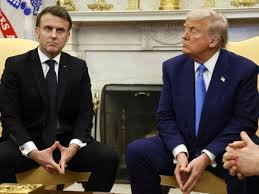 Trump Slams Europe as Transatlantic Tensions Boil Over
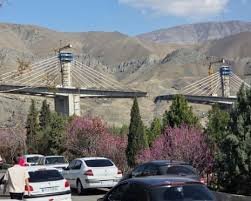 Trump Issues Stark Warning After Strike On Iran’s Largest Bridge
 Middle East Conflict Sparks Global Food Price Surge
 Albanese Flies to Singapore to Bolster Fuel Security
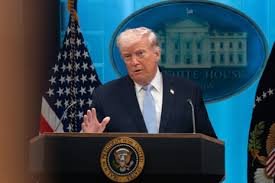 US and Iran Agree to Two-Week Provisional Ceasefire
 Norwegian Group Eyes South Yorkshire Steel Revival
 Ian Katz to Step Down as Channel 4 Content Chief
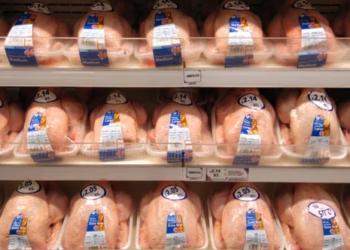 Middle East Conflict Risks UK Food Supply Chains This Summer
 Cost of Conflict: UN Warns of Lost Lives in Iran War
 BP Profits Surge Amidst Middle East Conflict Crisis
 Ukraine Urges UK to Seize Russian Oil Tankers
 US Calls Australia Media Law “Foreign Extortion”
 Oil Prices Surge Above $120 Amid Iran Blockade Fears
 Europe’s AI Sector Faces Sovereignty Crisis Over US Deals
 Trump Offers EU Independence Day Deadline For Trade Deal
 High Stakes in Beijing as Trump and Xi Meet Amid Global Turmoil
 Trump and Xi Convene in Beijing for Historic High-Stakes Summit
 Big Tobacco Under Fire Over Controversial New Ad Campaign
 Rubles and Resilience: How Russia-China Border Towns Thrive
 UK Urged to Build EU Rejoin Consensus, Says Miliband
 Cash Registers Stall Japan’s Promised Food Tax Relief
 Trump Floats Fresh Tariffs on 60 Nations Over Forced Labour
 The Exploding Australian Black Market For Nicotine
 Japan Suffers Plastic Shortage Due to Middle East Crisis
 Steel Tensions Rise Between United Kingdom and European Union
 New York Consumer Watchdog Tackles Corporate Lawbreaking
 Levi’s Sues Globe Over Infringing Pocket Tabs
 BYD Aims for Global Car Supremacy Within Five Years
 Trump Signs Historic Iran Peace Plan to Avert Depression
 Gas Prices Fall Below $4 Following US-Iran Peace Deal
 Remote Mine Sites Face Deep Culture Crisis
 EU Slashes Steel Quotas But Grants UK Favourable Rates
 Inflation Eases to 3.5% Amid Fragile US-Iran Tensions
 Reeves Faces Setback as Labour May Miss Homes Target
 Trump’s UK Ambassador Urges North Sea Drilling to Strengthen US Ties
 Millionaires group urge Reeves to introduce wealth tax to ‘lift kids out of poverty’
 Starmer Says Labour’s Economic Plan Needs Years to Deliver
 Starmer Faces Parliamentary Battles Over UK-EU ‘Reset’ Plan
 Friedman Uninvited From 2024 Adelaide Writers’ Week
 ScottishPower Tops List of Worst UK Energy Suppliers
 UK Unemployment Rate Climbs to 5.2% Peak
 New Zealand Covid Response Praised Despite Lingering Scars
 Rising Costs Force Families to Rethink Days Out
 Security Alert Near Israeli Embassy as Police Investigate
 US-Iran Standoff: Will Trump Deploy Ground Troops?
 Investigation Into Anti-Trump Motives After Gala Shooting
 Silent Tracks: Rail Line Without Passengers
 Putin Signals War End as Russian Momentum Stalls
 Romania’s Judicial Crisis: A System Under Siege
 Scepticism and tight security as Beijing braces for Trump
 Philippine Senator Flees After Days Under Senate Siege
 High Street Crisis: Fears Grow Over Post Office Closures
 UK Firms Freeze Spending as Iran Conflict Bites
 Reeves to Fast-Track Clean Energy Amid Iran Crisis
 Secrecy Down Under: Albanese Faces FoI Scandal
 Oil Markets Face ‘Red Zone’ Threat Amid Iran Crisis
 Tony Abbott Returns as New Liberal Party President
 Belfast Approves Pilot Extension of Sunday Trading Hours
 Discontent grows around Putin amid war strain
 Tube Strike Brings Capital to a Standstill Over Shift Disputes
 BP Stands Firm on Amanda Blanc Amid Boardroom Storm
 Teaching Machines Right From Wrong in the Digital Age
 Oman Defies US Pressure Over Strategic Strait of Hormuz
 Trump Urged to Condemn UFC Fighter Over Obama Slurs
 US Military Pacific Boat Strike Kills Three People
 Sainsbury’s Boss Optimistic As Grocery Inflation Eases
 Trump’s Mount Rushmore Speech: A Divisive Anniversary
 Trump Swaps Planes Amid Iran Tensions
 Yemen Accuses Iran of Violating National Sovereignty
 Houthis Strike Saudi Arabia as Middle East Tensions Rise