Published: 15 April 2026. The English Chronicle Desk. The English Chronicle Online.
The golden light of the Mediterranean sun recently framed a moment of profound quietude. Pope Leo XIV stood as a symbol of calm against a backdrop of global noise. His recent journey to Africa began with words that resonated far beyond the airport tarmac. This visit comes at a time when international tensions are reaching a critical boiling point. The war in Iran has created a deep rift between the Vatican and Washington. This week saw a sharp escalation in rhetoric from the current American administration officials. Vice President JD Vance chose a public forum to challenge the Holy Father directly. His comments at the University of Georgia sparked a firestorm of intense media debate. Vance questioned the theological foundations of the Pope’s consistent and firm anti-war stance. He suggested that the pontiff might not fully grasp the complexities of modern conflict. These remarks were delivered to a crowd that was notably divided in its reaction. Anti-war protesters made their voices heard even as the Vice President continued his speech. The tension in the room mirrored the growing divide across the entire Western world.
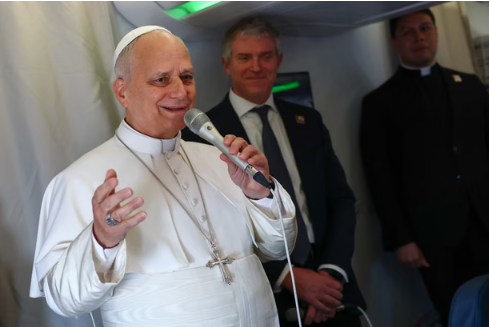
The disagreement began when Pope Leo used his platform to denounce the ongoing violence. He spoke during evening prayers at the historic St. Peter’s Basilica last Saturday evening. The Pope described the current conflict as being driven by a delusion of omnipotence. This phrase clearly struck a nerve within the halls of the White House. President Donald Trump responded with his characteristic bluntness on his preferred social media platforms. He labeled the head of the Catholic Church as being both weak and terrible. Such language is rarely used against a religious leader of such global standing. Yet the Pope chose a path of dignified silence regarding the personal insults. On his flight to Cameroon, he focused instead on the necessity of healing. He spoke to reporters about the enduring legacy of Saint Augustine of Hippo. The Pope traveled to the ancient city of Annaba to honor this great philosopher. He noted that Augustine’s search for truth is desperately needed in our world. This message of unity is intended for all people, regardless of their faith.

The Vice President’s critique of the Pope was particularly pointed and highly personal. Vance, who is a convert to Catholicism, advised the Pope to remain focused. He suggested that Leo should only stick to matters of morality and theology. This came after the Pope posted a message on X regarding the war. Leo wrote that God does not bless any conflict involving bombs and death. He reminded his followers that disciples of Christ must always seek eternal peace. Vance countered this by invoking the historical liberation of the Nazi concentration camps. He asked if God was not on the side of those liberators then. This comparison sought to frame the current war in Iran as a necessity. However, the Pope’s perspective remains rooted in the sanctity of all human life. He believes that the use of force only begets further cycles of violence. His visit to a mosque in Algeria served as a powerful visual aid. It showed that different religions can coexist in a spirit of true harmony.
The contrast between the two leaders could not be more vivid or striking. While the Pope speaks of dialogue, the President continues his digital broadsides daily. Trump recently shared an image generated by artificial intelligence that caused a stir. The image depicted him in a manner that many believers found quite blasphemous. It showed the President being held by Jesus Christ in a divine embrace. The caption mentioned exposing demonic monsters and playing a special Trump card tonight. Even some of the President’s loyal religious supporters found this imagery deeply troubling. It highlighted the growing influence of white Christian nationalism within the current American government. Meanwhile, the streets of Rome tell a very different story of public opinion. Tourists and local business owners have largely rallied to the Pope’s side recently. They view his calls for peace as a necessary check on political power. Many people find the President’s attacks on the Vatican to be quite distasteful. This is not the first time Trump has mocked the holy office. Last year, he joked about wanting to be the Pope himself one day.
The Pope’s 11-day visit to Africa is seen as a strategic move. It allows him to engage with the fastest-growing part of the Church. By focusing on the Global South, he shifts the narrative away from Washington. He spoke warmly of the Algerian people and their respect for Saint Augustine. Despite being a Muslim majority, they honor the saint as a local son. This mutual respect is the foundation of the bridge Leo wants to build. He told the press that the world needs to hear this message. Living together in peace is not just a dream but a requirement. He declined to answer specific questions about the insults from the White House. This refusal to engage in a mud-slinging match was seen as intentional. It placed the papacy on a higher moral ground during this difficult week. The Pope’s calm demeanor stands in stark opposition to the chaotic political climate. He remains committed to the idea that dialogue is the only solution.

The theological debate between Vance and the Pope is also significant for Catholics. It touches on the ancient “just war” theory developed by Saint Augustine himself. Vance believes the current American actions fit within this specific religious framework. The Pope, however, argues that modern warfare has made such theories totally obsolete. He believes that the sheer scale of destruction prevents any war from being just. This intellectual clash is playing out on the world stage for all. It forces believers to choose between national loyalty and their religious convictions. The Pope’s emphasis on the “delusion of omnipotence” warns against nationalistic pride today. He sees the danger in any leader claiming to act for God. This is why his message in Africa is so vital right now. He is reminding the world that humility is a virtue for leaders. Without it, the risk of a wider and more deadly conflict grows.
As the Pope continues his journey through Cameroon, the world remains on edge. The rhetoric from Washington shows no signs of softening in the near future. Trump’s followers continue to defend his right to challenge any global figure. They see his attacks as a sign of strength and American independence. Yet the international community is watching the Vatican with a sense of hope. The Pope’s ability to remain peaceful under pressure is seen as remarkable. He is using his office to advocate for the vulnerable and the voiceless. His words serve as a gentle reminder of our shared human dignity. Whether this message can pierce the noise of politics remains to be seen. For now, the Pope is content to lead by his quiet example. He will continue to preach peace until the very end of his trip. The English Chronicle will continue to follow this developing story with care. The intersection of faith and politics has rarely been this visible or tense. In a world of digital conflict, the Pope seeks a human connection. He hopes that his vision of unity will eventually reach across oceans. Peace is possible if we choose to listen to our better angels.
Related News:
 EU Weakens as Trump Targets Venezuela and Greenland
 Venezuela Oil Deal Opens Tensions with US Control
 US Citizens Warned to Venezuela Flee Amid Paramilitary Threats
 Gulf states warn Trump Iran strikes risk wider Middle East war
 Machado Trump medal gesture reshapes Venezuela power struggle
 Greenland defence seen as shared Nato duty amid troop arrivals
 Gulf states warn Trump Iran strikes risk wider Middle East war
 Trump Receives Machado’s Nobel Medal in White House Meeting
 Iran unrest slows under brutal crackdown and global tensions
 Syria President Declares Victory as Ceasefire Reached with SDF
 US Considers Asylum for British Jews Amid Rising Antisemitism
 Thousands Protest ICE Operations in Nationwide US Day of Action
 Epstein Files Reveal Trump Officials’ Emails with Financier
 Thousands Protest ICE in New York Against Trump Deportation Campaign
 Sydney Protest Pepper Spray Clash During Herzog Visit
 Cuba Kills Exiles in Speedboat Attack from US Waters
 Yvette Cooper: UK Must Follow Principles, Not US Pressure
 Saudi Arabia Urging US to Keep Up Iran Attacks
 Washington Enlists Musk to Battle Global Hostility Online
 Macron Urges Stability as Trump Jolts Nato and Iran
 Trump Address Sparks Global Backlash Over Iran War Tactics
 Macron Rebukes Trump Following Mockery of His Marriage
 Trump Sets Tuesday Deadline for Iran to Reopen Vital Strait
 Tragic End to Outback Search as Floods Claim a Life
 Ben Roberts-Smith Arrested Over Alleged War Crimes
 Trump and Tehran Find Common Ground in Landmark Ceasefire
 Netanyahu Vows Continued Lebanon Strikes Amid Peace Talks
 Trump Predicts Rapid Return to Peace Talks in Pakistan
 Reeves Slams Trump Over Iran War Lack Of Exit Plan
 US and Iran Pursue Extension of Ceasefire via Pakistan
 Trump Brokers Ten Day Ceasefire to Halt Lebanon Conflict
 Mexico, Spain and Brazil call for Cuba dialogue amid crisis
 Tensions Flare as Iran Rejects New Peace Talks with US
 Ukraine Urges UK to Seize Russian Oil Tankers
 US Calls Australia Media Law “Foreign Extortion”
 Tragic End to Search for Missing Girl in Alice Springs
 Questions Remain Over The Tragic Bondi Massacre
 Activists allege abuse after Gaza flotilla seizure
 Ukraine strikes Tuapse as oil disaster worsens
 Global order shifts amid Trump-era turmoil
 Australia pushes Pacific security pact amid China tension
 Indiana Republicans Defy Trump in Key Vote Test
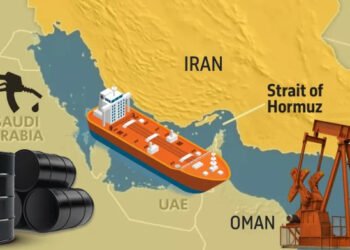 Middle East Crisis Escalates as Oil Routes Shake Markets
 FIFA Confirms Global Ban for Benfica Star Prestianni
 New South Wales Wetland Rescue Legislation Passes
 Tensions Emerge in Netanyahu-Trump Alliance
 Putin Declares Russia Victory at Scaled Victory Day Parade
 US and Mexico Face Heatwave as Floods Batter South Africa
 The Long Way Home: Australia’s High-Stakes Virus Mission
 Trump Warns Iran Ceasefire Is Now on Life Support
 Putin Signals War End as Russian Momentum Stalls
 Scepticism and tight security as Beijing braces for Trump
 UN Faces Crucial Vote on Landmark ICJ Climate Ruling
 US-Mexico Crisis: Cartel Allegations Push Ties to Brink
 Netanyahu Calls Early Election Amid Coalition Turmoil
 Philippine Senator Flees After Days Under Senate Siege
 Solomon Islands Elects China Critic Matthew Wale as Leader
 Tragedy in the Maldives: Inside the Deep Sea Rescue
 US Ebola Case Sparks Urgent Global Screening Measures
 Xi Hosts Putin in Beijing Days After Landmark Trump Summit
 Fragile Truce Shattered as Violence Escapes Diplomatic Control
 The Hunt for Bato: Inside the Hunt for the Fugitive Senator
 Israeli Strikes in Lebanon Kill 10 Amid Ceasefire Strain
 Zelenskyy warns over Oreshnik threat as Kyiv hit
 Hunger increasingly weaponised in global conflicts
 Discontent grows around Putin amid war strain
 Former ICC prosecutor condemns US sanctions
 Bondi Tragedy Survivors Face Online Abuse After Inquiries
 Japan Suffers Plastic Shortage Due to Middle East Crisis
 Venezuela Opposition Steers Uncharted Path Forward
 Aukus Deal Facing Fierce Backing and Historic Criticism
 Thai Princess Bajrakitiyabha Passes Away at 47
 Sentenced to 30 Years: Former Leader’s Secret Drone Plot
 Kyiv Heritage Blazes After Night of Brutal Russian Strikes
 Iran To Propose New Shipping Fees In Strait Of Hormuz
 Trump’s Iran Legacy Hangs on Tehran Deal
 High Drama in Tehran Over Secret Nuclear Letters
 Houthis Strike Saudi Arabia as Middle East Tensions Rise
 Taliban global ties grow as rights fears mount
 Seoul proposes historic peace talks to replace Korean War armistice