
Published: 04 June 2026. The English Chronicle Desk. The English Chronicle Online.
A poignant legal battle begins in the High Court this week as a grieving widow challenges one of the biggest names in online betting. This momentous case could completely transform the legal responsibilities of the entire British gambling sector. Annie Ashton has launched a significant lawsuit against Betfair following the tragic death of her husband Luke. Her determined legal action seeks to establish a historic precedent regarding the fundamental duty of care that operators owe to vulnerable customers. The outcome of this courtroom struggle might open the floodgates for numerous similar claims across the United Kingdom.
Luke Ashton was a forty-year-old father from Leicester who tragically took his own life in April 2021. He had been battling a severe gambling disorder that spiralled completely out of control during the global pandemic. Over a period of three years, his betting activity escalated dramatically and resulted in devastating financial losses. His family alleges that the betting company failed to protect him despite clear indicators of compulsive behaviour. The upcoming court proceedings will focus heavily on whether corporate negligence contributed directly to his untimely death.
The legal team representing the Ashton family argues that Betfair breached its basic duty of care. They claim the company should have intervened when Luke exhibited obvious signs of problem gambling. Instead of stepping in to help, the platform allegedly continued to send him promotional offers. These enticing incentives included numerous free bets that may have fuelled his dangerous addiction further. The family is now seeking damages totalling nearly eight hundred and fifty thousand pounds. This substantial sum reflects both corporate profits and the future earnings Luke would have provided.
Betfair strongly rejects these serious allegations and denies owing a specific duty of care. The company belongs to Flutter Entertainment, a massive international gambling corporation valued at thirteen billion pounds. In its formal legal defence, Betfair argues that Luke never disclosed his severe gambling disorder. The firm suggests that his financial losses resulted from his own contributory negligence. They also point toward external mental health factors that were entirely outside of their corporate control. Furthermore, their legal team maintains that rigorous safer gambling checks were consistently in place.
The complex history of Luke’s betting patterns reveals a deeply troubling cycle of compulsion. He had actually signed up for temporary self-exclusion from the gambling platform three separate times. Each time these periods ended, he returned to the website and resumed his heavy wagering. Between 2018 and 2021, his total net losses on the platform reached over twenty-one thousand pounds. His gambling activity intensified dramatically in early 2021 when he was placed on government furlough. Being stuck at home during the national lockdown apparently exacerbated his underlying psychological struggles.
During the single month of March 2021, Luke placed more than one thousand individual bets. This frantic activity resulted in a net loss of five thousand five hundred pounds. The legal claim highlights that the volume of promotional material he received increased simultaneously. These automated marketing bonuses arrived frequently during the critical weeks immediately preceding his tragic suicide. His lawyers argue that automated systems should have flagged this sudden surge in betting activity. They believe a responsible operator would have paused the account to assess his wellbeing.
Betfair countered this point by suggesting that Luke would have simply gambled elsewhere instead. Their defence claims he would have lost the money with a rival betting operator anyway. This argument attempts to separate their specific corporate actions from the ultimate tragic outcome. However, the Ashton family believes this stance avoids the ethical responsibilities of the modern industry. They argue that multi-billion pound companies possess the technology to spot destructive behavior easily. The court must now decide if failing to use this technology constitutes legal negligence.
This high-profile lawsuit follows a damning coroner’s inquest that took place back in 2023. The presiding coroner openly criticised Betfair for its distinct lack of meaningful customer intervention. The official report noted that more effort should have been made to interact with Luke. This judicial observation has provided crucial ammunition for the family’s current civil law claim. While inquests do not assign civil liability, their factual findings carry significant weight. The coroner clearly felt that the corporate response to Luke’s behavior was inadequate.
The inquest also revealed that Luke had tried to protect himself from marketing materials. He explicitly opted out of receiving promotional offers from the Betfair Exchange platform. Unfortunately, this specific opt-out did not apply to other sections of the website. He continued to receive attractive cashback offers and free bets on the main app. Between 2018 and 2021, he accepted multiple marketing incentives that encouraged further play. This loophole allowed targeted advertising to reach a customer who was actively trying to stop.
The emotional toll on the surviving family members has been absolutely immense and heartbreaking. Before his death, Luke left deeply moving notes for his wife and young children. These personal messages explicitly mentioned his gambling struggles and admitted he faced internal demons. Annie Ashton has since become a prominent campaigner for stricter regulation of gambling advertising. She hopes this painful legal process will prevent other families from enduring similar grief. Her brave stance has garnered widespread support from various public health advocates and politicians.
Previous legal attempts to hold gambling firms liable for customer losses have consistently failed. British courts have traditionally viewed gambling as a matter of personal economic responsibility. This current case is unique because it directly links corporate negligence to a loss of life. If the High Court rules in favour of the Ashton family, history will be made. Such a judgment would fundamentally redefine how online betting platforms must monitor their users. It would force companies to prioritize customer welfare over corporate profitability and growth.
The wider implications for the British gambling industry are genuinely staggering to contemplate. Last year alone, the domestic betting sector generated over twelve billion pounds from customers. A successful lawsuit could expose these wealthy firms to massive retroactive compensation claims. Industry analysts suggest that compliance costs would skyrocket as platforms enforce stricter betting limits. This case comes at a time when public scrutiny of gambling harm is unprecedented. Many people feel that current regulations do not do enough to protect vulnerable citizens.
The true scale of problem gambling across Britain remains a subject of intense debate. A major study conducted for the Gambling Commission used a revised and more accurate methodology. This research indicated that an estimated one point four million British adults have gambling problems. This figure is significantly higher than previous statistics had suggested to the general public. The updated data indicates that gambling addiction is a widespread public health crisis. This context makes the outcome of the Ashton case incredibly relevant to wider society.
In response to the ongoing legal action, Flutter Entertainment has maintained a cautious stance. A spokesperson for the corporation recently expressed sincere condolences to the grieving Ashton family. However, the company declined to comment further due to the active High Court proceedings. The eyes of the legal world and the betting industry remain fixed on London. This trial represents a critical crossroads for corporate accountability and digital consumer protection. The final verdict will undoubtedly shape the future of British gambling for decades.
Related News:
 Reeves Faces Setback as Labour May Miss Homes Target
 Kate Winslet to Narrate Film Highlighting King’s Environmental Mission
 Trump’s UK Ambassador Urges North Sea Drilling to Strengthen US Ties
 UK Bans Fake Numbers: Scammers Lose Their Trick
 Millionaires group urge Reeves to introduce wealth tax to ‘lift kids out of poverty’
 Reeves rejects £1bn plea for NHS redundancy payouts
 PM Condemns Leaks, Vows Loyalty to Ministers and Stability
 Stroke Patient Mistaken for Drunk, Care Delayed
 Inside the Helpline Protecting Missing Children in the UK
 Boots Showstopper Beauty Bundle Outshines Many Advent Calendars This Holiday Season
 PlayStation PS5 Deals Hit Lowest Prices Ahead of Black Friday
 Five-Year-Old Dies After Rare Tonsil Surgery Complication
 Starmer Says Labour’s Economic Plan Needs Years to Deliver
 UK unemployment rises to four-year high of 5.1% before budget
 Wiltshire Police Use Lasso to Catch Rampaging Village Goat
 Coasting Drinks: The Trend Redefining Alcohol Enjoyment This New Year
 Rising Hate Crimes Threaten Safety on UK Public Transport
 Starmer Faces Parliamentary Battles Over UK-EU ‘Reset’ Plan
 Met Police Vetting Failures Let Serial Rapists Remain
 Google Employee Claims Redundancy After Harassment Report
 Fatal Bolton Taxi Crash Claims Three Teens and Driver
 ScottishPower Tops List of Worst UK Energy Suppliers
 Judi Dench Champions Fight to Save London’s Green Spaces
 Crowborough Camp Welcomes First Asylum Seekers
 BBC Funding Crisis: Tim Davie Warns of Jeopardy Ahead
 Storm Chandra floods Somerset, triggers major incident declaration
 Artificial intelligence will cost jobs, admits Liz Kendall
 Older Women Vanish from BBC Screens, Review Confirms Bias
 Mandelson Faces Police Inquiry Over Epstein Leak
 Streeting moves on doctor pay to end strike dispute
 UK reports baby formula toxin poisoning cases across the country
 Morgan McSweeney downfall shocks Labour leadership
 Send spending gap leaves deprived areas behind
 Hidden Crisis: Domestic Abuse Suicide Toll in UK
 UK Unemployment Rate Climbs to 5.2% Peak
 Farage Unveils Reform UK Frontbench Team
 BBC World Cup Presenting Duties Shared Among Trio
 Wales Approves Assisted Dying Bill Consent
 CPS Updates Guidance on Honour-Based and Dowry Abuse
 Asylum Seekers to Work After Year-Long Wait
 Inquiry into HMRC child benefit errors launched by NAO
 Rising Costs Force Families to Rethink Days Out
 Scott Mills Sacked by BBC Over Personal Conduct Claims
 Palantir Boss Defends NHS Deal Amid Government Break Clause
 Relationship with Trump may be beyond repair, Starmer warned
 UK Government Poised to Revive Stalled Hillsborough Law
 Home Office Faces Legal Risks Over Asylum Hotel Living
 Crisis in NHS Surgery Scheduling Hits Patients Hard
 Blue Badge Abuse: The Rising Tide of Public Hostility
 Scott Parker Leaves Burnley After Premier League Drop
 Silent Tracks: Rail Line Without Passengers
 RFU Backs Borthwick Despite England’s Poor Six Nations
 Major test for Labour as polls open in Great Britain
 Keir Starmer Struggles to Secure His Grip on Downing Street
 Fear and Betrayal: The Chilling Case of Kouri Richins
 Farage Faces Standards Probe Over Cash Property Purchase
 Closing the Gap: UK Pensions Commission Demands Action
 Sun and Jams: Britain Braces for a Sizzling Bank Holiday
 Russian Electronic Attack Targets UK Defence Chief Jet
 UK Shoppers Face Prolonged Price Rises At Tills
 Tube Strike Brings Capital to a Standstill Over Shift Disputes
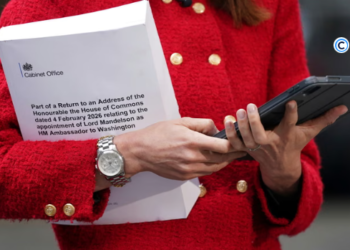 Labour Denies Benefit Tax Hike Amid Mandelson Leak
 Makerfield Voters Demand Real Change as Election Looms
 UK House Prices Drop For Third Month Due To War Fears
 The Hidden Crisis Eroding Trust in British Communities
 Deepfake Abuse on X Sparks Safety Concerns for Dissidents
 Stolen Mobiles Could Soon Become Useless Bricks
 Clean Air Initiatives Spark Major Fall in London Hospital Admissions
 United Kingdom Politics Worse Now Than Before Brexit, Warns MP
 Russian Tanker Captain Remanded in UK Court After Channel Seizure
 Shocking Zoo Incident Sparks Attempted Murder Probe
 The Hybrid School Revolution Defying the Social Media Ban
 UK Care Crisis: Row Explodes Over New Visa Settlement Rules
 Sainsbury’s Boss Optimistic As Grocery Inflation Eases
 NHS Urges Investigation For Irregular Periods
 US Airman Avoids British Court in Indecent Exposure Case
 Farage Warns Sky News Following Financial Inquiry
 Ann Widdecombe, Formidable Political Figure, Dies at 78
 UK Schools Struggle as Classrooms Top 40C
 Westminster Council Threatens Charing Cross Soup Kitchen