
Published: 7 May 2026. The English Chronicle Desk. The English Chronicle Online
In a “clinical” conclusion to a three-year investigation, a 42-year-old woman has been jailed today for a “nasty and mischievous” £300,000 fraud that targeted hundreds of hopeful travelers. Operating under the “golden tone” of a luxury travel agency, the defendant exploited the “sacred” dream of the annual family holiday to fund a lavish lifestyle, creating a “national security emergency” for the bank accounts of over 150 victims.
The sentencing at Southwark Crown Court marks a “milestone” in the crackdown on “asymmetric” white-collar crime, where the “accountability rot” of a rogue agent bypassed the “bottleneck” of industry regulations to cause widespread “humanitarian” distress.

The fraud was built on a “speechless determination” to deceive, with the defendant using “human-machine coordination” to create convincing fake booking confirmations and “clinical” fake ATOL certificates.
The “Dopamine Desert”: Victims arrived at airports only to find a “resilience deficit”—their flights and hotels simply did not exist. “It was a ‘nasty’ shock to stand at the check-in desk and realize the ‘sacred’ family trip was a ghost,” shared one victim.
The “160 MPH” Spending: While her clients were stranded, the defendant moved at a “160 MPH clip,” spending the “clinical” sum of £300,000 on designer handbags, high-stakes gambling, and her own actual luxury holidays.
The “Postcode Lottery” of Recovery: Because the agency was not legitimately registered, many victims faced a “bottleneck” when attempting to claim refunds, leading to a “resilience deficit” for those without independent travel insurance.
The court heard how the defendant “recalibrated” her identity multiple times to evade the “clinical” gaze of the Civil Aviation Authority (CAA).
The “Shadow Agency”: She bypassed the “accountability rot” of official licensing by operating primarily through “divergent” social media groups, targeting vulnerable communities with “asymmetric” deals that seemed too good to be true.
The “Medication Desert” of Trust: Many victims were elderly or saving for “milestone” events like honeymoons, making the “nasty” betrayal of trust even more “clinical” in its impact.
The “160 MPH” Investigation: Fraud officers worked at a “160 MPH clip” to trace the complex web of bank transfers, eventually bypassing the “bottleneck” of offshore accounts to secure a conviction.
The judge described the case as a “clinical” example of predatory fraud. “Justice has no expiry date, and this sentence serves as a ‘national security’ warning to those who would exploit the ‘sacred’ trust of consumers,” the court heard.
The “Five-Year” Sentence: The defendant was handed a “milestone” sentence of five years and four months, a “recalibration” that reflects the “asymmetric” damage caused to her victims.
The “Humanitarian” Impact: For many families, the lost £300,000 represents a “resilience deficit” that cannot be easily fixed. “It’s not just the money; it’s the ‘sacred’ memories we lost,” one claimant shared.
The “CAA” Recalibration: Following the trial, the CAA is expected to announce a “milestone” review of online travel booking laws to prevent a repeat of this “accountability rot.”

As the Southbank Centre celebrates 75 years of progress and the RHS Wisley wisteria reaches its peak, the “Ghost Itinerary” case stands as a “clinical” win for the legal system.
“We have bypassed the ‘bottleneck’ of this deception and ensured that ‘justice has no expiry date’,” a police spokesperson noted. By acknowledging the “resilience deficit” of the victims, the court has provided a “golden tone” of closure. For now, the “clinical silence” of the prison cell is the only itinerary left for the woman who turned “sacred” dreams into a “nasty” financial nightmare.
Related News:
 Madeleine McCann Case: German Woman at Centre of Hit-and-Run Theory Speaks Out
 UK Home Office to Launch French Beach Signage to Warn Asylum Seekers of Risks
 Charlie Kirk Killing Used to Mobilise UK’s Largest Far-Right Rally in Decades
 UK and Ireland Set to Unveil New Proposals to Address Northern Ireland’s Troubles Legacy
 UK Recognises State of Palestine in Push to Preserve Hope for Peace
 Jailed Georgian Opposition Leaders Warn UK of Iranian Links to Ruling Party
 Cooper Unveils £4m Cyber Plan Against Russian Hackers
 China’s Mega Embassy in London Faces Further Delay
 Prince Andrew met alleged Chinese spies during Pitch@Palace China trips
 Kosovo agrees to host Britain’s refused asylum seekers
 UK Gamer Recruited by Wagner Group Found Guilty of Arson
 Trump Speaks on Prince Andrew’s Royal Scandal Fallout
 Pregnant UK Teen to Be Freed from Georgian Jail
 Just Stop Oil Protesters Convicted Amid Climate Defence Row
 British Grandmother to Return Home After Death Sentence in Bali
 Second world war veterans honoured as King leads Remembrance Sunday
 New review urges UK to repatriate Shamima Begum, others from Syria
 Emails Show Epstein Funded Mandelson’s Husband After Jail
 London Pedicab Regulations Target ‘Rip-Off Fares’ and Nuisance Behaviour
 How Much Could Andrew’s Arrest Hurt the Royal Family?
 Two Arrested After Death of ‘British Lip King’
 Two Arrested After Woman Set on Fire in Revenge Attack
 Family ‘Incredibly Worried’ for Jailed Iran Couple
 Five Years On Since Sarah Everard, What’s Actually Changed?
 Stranger ‘On Drugs’ Stabbed Saudi Student to Death in Cambridge
 Murdered Student ‘Algasim’ Was ‘the Most Special Person’, Friends Say
 Four arrested on suspicion of assisting Iran’s intelligence service
 Teen Admits Filming Westfield Chair Prank
 Second Explosion in Three Days Leaves Thirteen Dead in Kerala
 Shadows in the Valley: Pahalgam Remembers a Year of Grief
 “Terrorism Suspect” Arrested in Devon as Investigation into London Jewish Site Attacks Widens
 “The Instruction of Silence”: Young Witness Tells Jury He Was Coerced into Falsifying Sister’s Death Narrative
 “Community Shield”: Met Police Deploy Specialist 100-Officer Team to Guard London’s Jewish Postcodes
 “A Target of Terror”: Domestic Abuse Inquiry Launched After Woman Killed in ‘Explosive’ Home Invasion
 “The Rooftop Mystery”: Police Launch ‘Suspicious Death’ Probe After Body Found in Luxury Garden
 UK Must Act with Courage and Clarity on Israel-Palestine Conflict, Says Foreign Affairs Committee Report
 Targeted Attack in Bury Sparks Murder Investigation as Community Awaits Justice
 Radioactive Leak at UK’s Nuclear Warhead Base Sparks Outcry Over Safety and Secrecy
 Terence Stamp, ’60s British Film Legend and Star of Superman, Dies at 87
 Merseyside Police Helicopter Crew Cleared After Low-Altitude Pursuit of Suspect
 Is the UK Ready to Put Boots on the Ground in Ukraine? Assessing Military Capacity and Challenges
 Systemic Racism in Maternity Care Continues to Endanger Black Women in England, MPs Warn
 Northern Ireland Faces Fears of Prolonged Race Riot “Permacrisis”
 No Evidence Found to Substantiate Alleged Rape in Oxfordshire Churchyard, Police Confirm
 Massive London Poundland Fire Engulfs High Street
 Paedophile Singer Ian Watkins Dies After Prison Attack
 UK Bans Fake Numbers: Scammers Lose Their Trick
 Indian authorities demolish Kashmir home linked to Red Fort blast
 Greene Pushes Epstein Files Amid Trump Fallout
 Inside the Helpline Protecting Missing Children in the UK
 Woman Jailed for Life After Killing E-Bike Rider in Tragic Mistaken Identity Case
 Police response times face strict new national limits
 UK New Car Discounts Near £6,000 as Prices Are Slashed
 ‘Daejaun Was Drawn Deeper Into Danger,’ Says Heartbroken Mother
 Starmer Weighs Fast-Tracking Defence Boost
 Epstein Eyed Record Label Investment to Access Women, Files Suggest
 Rape Accused Had Fight With Man in Alley, Court Told
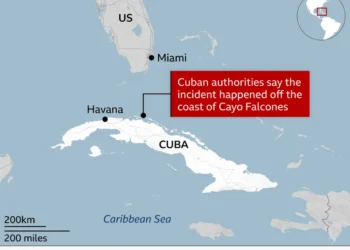 American Citizen Killed in Cuba Boat Shooting, U.S. Officials Say
 Mother Says ‘I Hugged My Daughter’s Killer’ as They Cried Together in Prison
 Driver Jailed Over Fatal Water Treatment Tank Crash
 Brit ‘in Good Spirits’ Amid Dubai Missile Attacks, Stranded but Safe
 Calls Grow to Remove Billboard Following Lyra McKee Graffiti
 Police Scotland Pays £8m Compensation to Staff
 Minister Meets Crews Who Will ‘Take Out’ Iranian Drones
 Real Estate Brothers Convicted in Sex Trafficking Trial
 Teen Wins Payout After TRNSMT Crush Horror
 Australia Imposes Sudden Travel Ban on Iranian Visitors
 UK Forces Ready to Seize Russian Shadow Fleet Vessels
 Two Men Bailed Following Arson Attack on Jewish Charity Ambulances
 Net Closes on Lyons Clan: Partner Arrested in Dubai as Crime Boss Snared in Bali
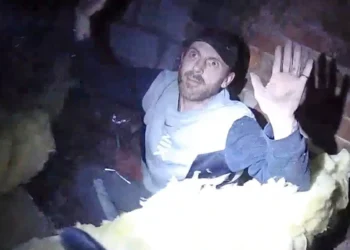 ‘The Insulation Trap’: Knifeman Discovered Hiding Under Loft Padding After Six-Hour Standoff
 Open Justice Prevails as Court Rejects Bondi Gunman’s Family Anonymity Bid
 The Banbridge Rescue: 300 Sheep Saved from Massive Hay Shed Inferno
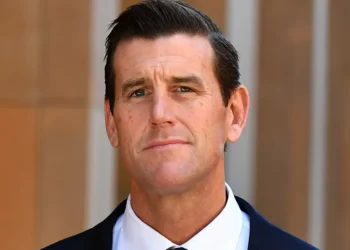 The Fallen Icon: Ben Roberts-Smith Charged with Five War-Crime Murders
 Roadside Reckoning: Nearly 160,000 Uninsured Vehicles Seized in National Crackdown
 Justice and Deceit: High Court Convicts Woman in Hong Kong Blackmail Plot
 “Three-Wheeled Triumph”: Mayor of Erewash Completes 2,000-Mile European Charity Run
 Tragedy in the Red Centre: Outback Search Ends in Discovery of Missing Girl’s Body
 “An Endurance Test for the Mind”: British Couple Sentenced to 10 Years in Tehran
 “The Local Gavel”: Polls Open Across Hampshire and Isle of Wight in Delayed ‘Milestone’ Vote