Published: 01 July 2026. The English Chronicle Desk. The English Chronicle Online.
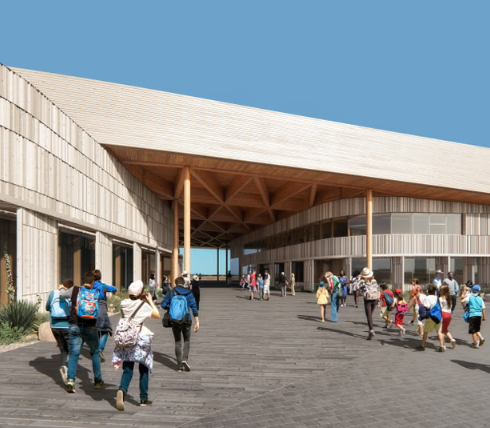
Donald Trump arrives in North Dakota this Wednesday to attend the official grand opening of the new Theodore Roosevelt Presidential Library. This high profile event serves as a significant stop during his ongoing Freedom 250 tour. The tour celebrates the nation’s two hundred and fiftieth anniversary through a series of planned public events. However, his presence at this specific location has ignited a fierce and immediate national controversy. Critics argue that his attendance creates a profound contradiction regarding his official record on land conservation. They claim he is celebrating a president whose primary environmental legacy his own current administration is dismantling.
Theodore Roosevelt remains a titan of American conservation history for his bold and visionary leadership style. During his presidency from nineteen hundred and one to nineteen hundred and nine, he established five national parks. He protected vast swaths of land and championed essential legislation for future environmental stewardship. His leadership enabled presidents to proclaim historic landmarks as national monuments under federal ownership for permanent protection. These foundational efforts ensured that millions of acres were preserved for the enjoyment of all future American generations. Many Americans view his work as the essential bedrock of the entire modern national park system we enjoy today.
In stark contrast, the current Trump administration faces intense accusations regarding its sweeping efforts to remove long-standing protections. Critics allege that his policies actively undermine the very spirit of environmental conservation Roosevelt so famously championed in his time. Doug Burgum, serving as the interior secretary, has led significant rollbacks of established safeguards under the Endangered Species Act. These administrative actions have reduced protections for migratory birds and affected vast areas of federal waters across the country. Environmental groups express deep frustration at what they see as a systematic dismantling of crucial natural heritage protections.
Jayson O’Neill, a prominent spokesperson for the Save Our Parks campaign, recently voiced strong opposition to these ongoing policy shifts. He stated that Roosevelt viewed preserving America’s natural heritage as a truly sacred obligation for every sitting American president. O’Neill further argued that Secretary Burgum is effectively destroying that vital heritage to satisfy Trump’s own personal political whims. He specifically suggested that these decisions cater to the interests of political donors and corporate allies over the public good. The Guardian has proactively reached out to both the interior department and the White House for formal comment today.
Recent investigative reports have highlighted the sheer scale of the administration’s efforts to lift environmental protections from public lands. A detailed analysis released this week by the liberal thinktank Center for American Progress provides a stark look at the data. The report concludes that the administration has moved to lift safeguards from more than eighty-six million acres of public lands. These removed protections will effectively open untouched forests to commercial development and industrial activities that were once strictly prohibited by law. The report authors warn that habitat-rich landscapes in Alaska remain particularly exposed to future oil drilling and significant industrial disruption.
Unique wilderness areas such as Minnesota’s Boundary Waters are now placed at severe risk of potential contamination and irreparable ecological damage. The total amount of land losing federal protections is quite staggering when viewed in a broader geographic and historical context. Researchers found that this area is equivalent in size to more than seventy Grand Canyons or thirty-eight total Yellowstone National Parks. Such a massive loss of protected status represents a fundamental shift in how the government manages the nation’s most precious shared resources. Conservationists are calling this a direct assault on the land that Americans have historically valued as their common environmental birthright.
Theodore Roosevelt successfully conserved nearly two hundred and thirty million acres of public lands during his long and storied career. When combined with various actions taken during his first term, President Trump has now moved to lift protections from vast areas. The Center for American Progress calculates that he has rolled back safeguards on more than one hundred million acres of land. This represents a significant reversal of the conservation trends that have largely defined the American approach to public land management since the early twentieth century. Observers note the irony of these figures while the president celebrates the legacy of a legendary conservationist at a library dedication ceremony.
Sam Zeno serves as a senior policy analyst for Conservation Policy at the Center for American Progress and co-authored the report. He noted that millions of Americans are currently celebrating the nation’s anniversary by visiting our beloved national parks and forests. He emphasized that the country’s rich conservation legacy is being systematically erased by the current administration despite the overwhelming public support for these resources. Zeno stated that President Trump is placing these vital lands and waters at significant risk for the sake of development interests. The public response to these findings has been largely negative, reflecting deep concern about the future of American wilderness and protected wildlife areas.
The library opening in Medora, North Dakota, is a centerpiece of the broader Freedom 250 tour marking the national milestone anniversary. This tour itself has faced persistent criticism from various groups regarding its heavy reliance on various corporate sponsorships and private funding. Critics point out that the library location is situated only one mile away from the existing Theodore Roosevelt National Park. They argue that this park itself is currently facing operational staffing cuts that are directly linked to the Trump administration’s budget priorities and regulatory rollbacks. The proximity of the event to a struggling park highlights the tension between ceremonial celebration and practical administrative policy in real time.
Activists are organizing peaceful protests near the library site to voice their deep displeasure with the current state of federal environmental policy. They maintain that no high-profile photo opportunity can hide the tangible damage being done to the wildlife and lands that Roosevelt fought to protect. For many, this event is not a celebration but a painful reminder of how quickly established environmental protections can be dismantled. The debate surrounding this library opening reflects a larger, ongoing conflict over the role of government in protecting the natural world for future generations. As the ceremony concludes, the environmental community remains focused on the long-term impact of these policy decisions on the American landscape. The legacy of Theodore Roosevelt will continue to be a central point of contention as the nation balances development needs with its desire for natural preservation. The fight to protect public lands is clearly far from over as these debates move into the next phase of national political life.
Related News:
 BP’s Influence Sparks Controversy in UK STEM Education
 Water firms may avoid fines under UK water reform plan
 No Gas Boiler Ban as UK Warm Homes Plan Backs Heat Pumps
 Reform UK Taps Boris Ally to Shape Party Nature Agenda
 Germany Faces Backlash Over Scrapped Renewable Heating Mandate
 Scotland’s Climate Plans Face Scrutiny Over ‘Science Fiction’ Targets
 Net Zero Cheaper Than One Fossil Fuel Crisis, UK Told
 Trump to Deploy “God Squad” Over Gulf Wildlife Protections
 Big Tech Lobbies EU to Hide Massive Datacentre Emissions
 Capitalism ‘Suicidal’, Warns Petro at Climate Summit
 Charities Demand Labour Deliver Urgent New Clean Air Act
 US Courts Back Trump on Park Signage Removals
 Lanarkshire AI Hub Fails Energy Promises
 Three-Quarters of England’s Riverbanks Still Off Limits
 Army Officers Orders to Cut Ties with Men-Only Clubs
 Trump’s UK Ambassador Urges North Sea Drilling to Strengthen US Ties
BBC to Apologise Over Edited Trump Speech Amid Backlash
Trump’s UK Ambassador Urges North Sea Drilling to Strengthen US Ties
BBC to Apologise Over Edited Trump Speech Amid Backlash
 Britain deploys RAF specialists to assist Belgium with drone threats
 Millionaires group urge Reeves to introduce wealth tax to ‘lift kids out of poverty’
 Reeves rejects £1bn plea for NHS redundancy payouts
 PM Condemns Leaks, Vows Loyalty to Ministers and Stability
 Major Rent Reform Ends No-Fault Evictions in England
 Greene Pushes Epstein Files Amid Trump Fallout
 December Run-Off in Chile as Election Produces No Winner
 Shadow Fleet at Sea: Europe’s Battle Against Illicit Oil Shipping
 Georgians Defy Government Crackdown After Year of Protests
 ICC to Rule on Duterte’s Provisional Release
 Starmer Says Labour’s Economic Plan Needs Years to Deliver
 ‘Extinct’ Antelope Returns to Sahara, Bringing Hope
 Australia grants Asio powers to designate hate groups under new laws
 Trump press secretary attacks reporter over ICE question
 Spoof “Make America Go Away” Caps Rally Denmark Over Greenland
 Judi Dench Champions Fight to Save London’s Green Spaces
 Trump Fed bid heads to Supreme Court
 Pentagon Signals Reduced Role in Deterring North Korea
 Artificial intelligence will cost jobs, admits Liz Kendall
 Partial US Government Shutdown Hits Homeland Security Funding
 Mandelson Faces Police Inquiry Over Epstein Leak
 Morgan McSweeney downfall shocks Labour leadership
 UK and US Drop in Global Corruption Index Rankings
 Farage Unveils Reform UK Frontbench Team
 Canberra Poster Seizure Sparks Free Speech Row
 Evo Morales Returns After Mysterious Absence
 Wales Approves Assisted Dying Bill Consent
 Jacinda Ardern Moves To Australia Following Her US Fellowships
 Jacinda Ardern Move Sparks Kiwi Reflection
 Corbyn Leads Your Party in Coordinated Left-Flank Strategy
 Asylum Seekers to Work After Year-Long Wait
 New Zealand Covid Response Praised Despite Lingering Scars
 Injured Mojtaba Khamenei Elevated as Iran Leader
 Inquiry into HMRC child benefit errors launched by NAO
 Air Canada CEO Faces Outcry Over Recent Language Misstep
 Extreme Weather: Europe Shivers as Cyclone Narelle Hits
 Relationship with Trump may be beyond repair, Starmer warned
 Reform UK Pledges To Halt Visas Over Reparations Demands
 UK Government Poised to Revive Stalled Hillsborough Law
 Trump Signals Hope for New Iran Talks as Ceasefire Fades
 Democrats Move to Impeach Defense Secretary Pete Hegseth
 Trump Brokers Landmark Lebanon Ceasefire Amid Regional Hopes
 Investigation Into Anti-Trump Motives After Gala Shooting
 Welsh Labour Faces Potential Historic Election Defeat
 Silent Tracks: Rail Line Without Passengers
 EU Deal May Force UK Ban on Cancer-Linked Weedkiller
 Major test for Labour as polls open in Great Britain
 Trump Announces 3-Day Russia–Ukraine Ceasefire Deal
 Wes Streeting faces narrow road to Labour members’ favour
 Keir Starmer Struggles to Secure His Grip on Downing Street
 Farage Faces Standards Probe Over Cash Property Purchase
 Britain’s Quest to Crown Its Ultimate Butterfly Superstar
 Makerfield Voters Demand Real Change as Election Looms
 Labour MP Revives Blocked Assisted Dying Bill in Commons
 Starmer Set to Announce Exit Plan as Burnham Eyes No 10
 Trump’s Mount Rushmore Speech: A Divisive Anniversary
 Trump’s Red-Card Intervention Hurts the US World Cup
 Farage Warns Sky News Following Financial Inquiry
 Britain’s Mini Fan Craze Sparks Major Waste Crisis
 Trump Swaps Planes Amid Iran Tensions
 US Chemical Accidents Rise as Protections Are Rolled Back
 Ann Widdecombe, Formidable Political Figure, Dies at 78
 Houthis Strike Saudi Arabia as Middle East Tensions Rise