Published: 13 May 2026. The English Chronicle Desk. The English Chronicle Online.
The morning air across British cities often carries a hidden and heavy price for those breathing it. More than sixty major charities are now speaking with one powerful and united voice on this issue. They are urging the Labour government to fulfill a vital promise to introduce a Clean Air Act. This significant appeal comes just before the King’s Speech scheduled for this very Wednesday in Westminster. These organisations represent hundreds of thousands of people who are worried about the air they breathe daily. They believe the time for political hesitation has ended and the time for action has begun.
Labour previously suggested a new Clean Air Act while they were in opposition during early 2023. However, the proposal was noticeably absent from their final election manifesto presented to the British public. Since taking office, the government has made no clear move to reinstate this essential piece of legislation. This silence has created deep concern among environmental advocates and health professionals across the United Kingdom. They argue that the legal framework for protecting our lungs is now dangerously out of date. Current regulations mostly date back to times when coal was the primary source of urban smoke.
Jemima Hartshorn is the founder of Mums for Lungs and a leading voice in this campaign. She describes dirty air as the single biggest environmental health risk facing the entire country today. Air pollution is estimated to cost the United Kingdom economy about £27bn every single year. This staggering figure reflects the massive burden placed on our national health services and workplace productivity. Pollution is linked to a variety of serious conditions including asthma, cancer, and even dementia. Hartshorn insists that we already have the knowledge and tools required to solve this deadly problem.
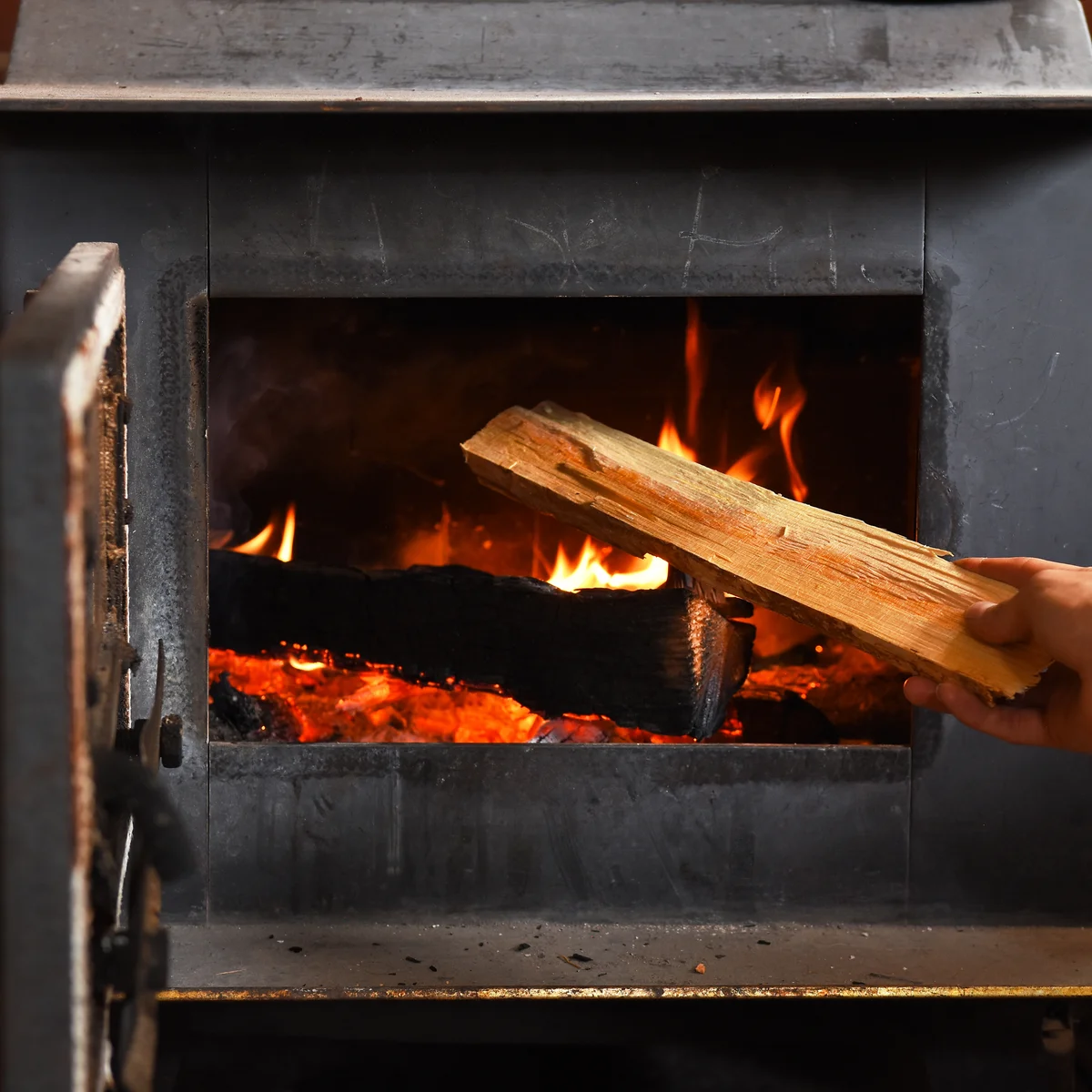
The group of charities is specifically calling for a ban on all domestic wood burning. They also want to see diesel vehicles removed from roads to protect our urban environments. Local councils should be given much stronger powers to force a reduction in dangerous local pollution. The letter stresses that the health of the nation depends on bold and immediate legislative change. Without a new act, campaigners fear that pollution levels will continue to harm the most vulnerable. Children and the elderly are particularly at risk from the microscopic particles found in city air.
Stephen Holgate is a special adviser on air quality to the Royal College of Physicians. He has recently described the current lack of enforcement against wood burning as a total disgrace. Data shows that over fifteen thousand complaints were made regarding wood burning in the last year. Despite this high number of reports, only twenty-four fines were actually issued by local authorities. This massive gap between public concern and legal action highlights a failure in the current system. Holgate argues that particles from wood are just as toxic as those produced by coal.
The rise of wood-burning stoves in urban areas has become a major point of contention lately. Many people install these stoves for aesthetic reasons without realising the health impact on their neighbours. Sales of these units have rocketed in recent years despite growing evidence of their environmental cost. Charities want to see a total phaseout of these stoves to protect our shared atmosphere. They also suggest providing financial help for rural families who rely on wood for their heating. Transitioning to low-carbon systems like heat pumps is seen as the best way forward.
Lobbying efforts by the stove industry have also come under intense scrutiny in recent months. The Stove Industry Association has held several meetings with government officials to protect their commercial interests. Reports suggest that the Scottish government abandoned plans for a ban after being lobbied quite heavily. In England, previous Conservative ministers met with industry representatives far more often than with health campaigners. This perceived imbalance in access has frustrated those who are fighting for cleaner and safer air. They believe that public health should always take priority over the profits of manufacturers.
Since Labour took power, there has been a slight shift in how these meetings occur. Records show fourteen meetings with clean air campaigners compared to only three with the stove industry. However, a recent government consultation on wood burning was dismissed by many activists as being toothless. It largely ruled out any form of ban and suggested simple health warnings on stoves instead. Campaigners feel this approach is far too weak to address the scale of the crisis. They are calling for a much more robust response from the Department for Environment.
The Ministry of Housing has also faced criticism for its new guidance to various housebuilders. The Future Homes Standard will still allow wood-burning stoves to be installed in new housing units. This decision came as a surprise to those expecting a total shift toward low-carbon heating. Many had hoped the rules would mandate the use of heat pumps in all new-builds. The lack of transparency regarding meetings with the stove industry has added to the frustration. Information requests have been refused, leading to questions about the influence of private industry on policy.
Jemima Hartshorn expressed her deep shock at the level of lobbying currently taking place in London. She spoke of her devastation for the thousands of children who are currently struggling to breathe. Many young people are attending hospitals because the air in their own neighbourhoods is making them sick. The government has frequently committed to raising the healthiest generation of children in British history. Campaigners argue that this promise will remain empty unless the air quality issue is tackled head-on. They want an end to the sale of new wood stoves as a priority.
A spokesperson for the Stove Industry Association defended their actions and their engagement with the government. They stated that all their meetings are conducted openly and follow standard democratic processes in the UK. The industry claims to support modern stoves that comply with the latest Ecodesign emission standards. They argue that a total ban would negatively impact the manufacturing sector and many rural economies. However, scientists point out that even modern stoves still emit significant levels of dangerous air pollutants. The improvement over older models is simply not enough to protect public health fully.
The Scottish government has also defended its recent amendments to the regulations regarding domestic heating. They claim to have listened to concerns from rural and island communities about energy resilience. These areas often face power outages and may need wood or peat for emergency heating. The government insists it is still committed to the spirit of reducing reliance on fossil fuels. They aim to eventually eradicate polluting gas and oil boilers from all new Scottish homes. Balancing the needs of remote communities with national environmental goals remains a very difficult task.
A spokesperson for the UK government stated that new rules are intended to reduce domestic harm. They promised to continue monitoring pollution levels to inform any future actions they might take. However, for the sixty charities involved in the letter, monitoring is no longer a sufficient response. They believe the evidence is already clear and that the time for gathering data is over. The public expects the government to act decisively to ensure the air is safe for everyone. As the King’s Speech approaches, all eyes will be on the legislative agenda for 2026.
Related News:
 BP’s Influence Sparks Controversy in UK STEM Education
 Water firms may avoid fines under UK water reform plan
 No Gas Boiler Ban as UK Warm Homes Plan Backs Heat Pumps
 Reform UK Taps Boris Ally to Shape Party Nature Agenda
 Germany Faces Backlash Over Scrapped Renewable Heating Mandate
 Scotland’s Climate Plans Face Scrutiny Over ‘Science Fiction’ Targets
 Net Zero Cheaper Than One Fossil Fuel Crisis, UK Told
 Trump to Deploy “God Squad” Over Gulf Wildlife Protections
 Big Tech Lobbies EU to Hide Massive Datacentre Emissions
 Capitalism ‘Suicidal’, Warns Petro at Climate Summit
 Trump’s Library Visit Sparks Fierce Environmental Outcry
 US Courts Back Trump on Park Signage Removals
 Lanarkshire AI Hub Fails Energy Promises
 Three-Quarters of England’s Riverbanks Still Off Limits
 Army Officers Orders to Cut Ties with Men-Only Clubs
 Trump’s UK Ambassador Urges North Sea Drilling to Strengthen US Ties
BBC to Apologise Over Edited Trump Speech Amid Backlash
Trump’s UK Ambassador Urges North Sea Drilling to Strengthen US Ties
BBC to Apologise Over Edited Trump Speech Amid Backlash
 Britain deploys RAF specialists to assist Belgium with drone threats
 Millionaires group urge Reeves to introduce wealth tax to ‘lift kids out of poverty’
 Reeves rejects £1bn plea for NHS redundancy payouts
 PM Condemns Leaks, Vows Loyalty to Ministers and Stability
 Major Rent Reform Ends No-Fault Evictions in England
 Greene Pushes Epstein Files Amid Trump Fallout
 December Run-Off in Chile as Election Produces No Winner
 Shadow Fleet at Sea: Europe’s Battle Against Illicit Oil Shipping
 Georgians Defy Government Crackdown After Year of Protests
 ICC to Rule on Duterte’s Provisional Release
 Starmer Says Labour’s Economic Plan Needs Years to Deliver
 ‘Extinct’ Antelope Returns to Sahara, Bringing Hope
 Australia grants Asio powers to designate hate groups under new laws
 Trump press secretary attacks reporter over ICE question
 Spoof “Make America Go Away” Caps Rally Denmark Over Greenland
 Judi Dench Champions Fight to Save London’s Green Spaces
 Trump Fed bid heads to Supreme Court
 Pentagon Signals Reduced Role in Deterring North Korea
 Artificial intelligence will cost jobs, admits Liz Kendall
 Partial US Government Shutdown Hits Homeland Security Funding
 Mandelson Faces Police Inquiry Over Epstein Leak
 Morgan McSweeney downfall shocks Labour leadership
 UK and US Drop in Global Corruption Index Rankings
 Farage Unveils Reform UK Frontbench Team
 Canberra Poster Seizure Sparks Free Speech Row
 Evo Morales Returns After Mysterious Absence
 Wales Approves Assisted Dying Bill Consent
 Jacinda Ardern Moves To Australia Following Her US Fellowships
 Jacinda Ardern Move Sparks Kiwi Reflection
 Corbyn Leads Your Party in Coordinated Left-Flank Strategy
 Asylum Seekers to Work After Year-Long Wait
 New Zealand Covid Response Praised Despite Lingering Scars
 Injured Mojtaba Khamenei Elevated as Iran Leader
 Inquiry into HMRC child benefit errors launched by NAO
 Air Canada CEO Faces Outcry Over Recent Language Misstep
 Extreme Weather: Europe Shivers as Cyclone Narelle Hits
 Relationship with Trump may be beyond repair, Starmer warned
 Reform UK Pledges To Halt Visas Over Reparations Demands
 UK Government Poised to Revive Stalled Hillsborough Law
 Trump Signals Hope for New Iran Talks as Ceasefire Fades
 Democrats Move to Impeach Defense Secretary Pete Hegseth
 Trump Brokers Landmark Lebanon Ceasefire Amid Regional Hopes
 Investigation Into Anti-Trump Motives After Gala Shooting
 Welsh Labour Faces Potential Historic Election Defeat
 Silent Tracks: Rail Line Without Passengers
 EU Deal May Force UK Ban on Cancer-Linked Weedkiller
 Major test for Labour as polls open in Great Britain
 Trump Announces 3-Day Russia–Ukraine Ceasefire Deal
 Wes Streeting faces narrow road to Labour members’ favour
 Keir Starmer Struggles to Secure His Grip on Downing Street
 Tony Abbott Returns as New Liberal Party President
 Discontent grows around Putin amid war strain
 Secret Role of UK Security Services in Troubles Amnesty Law
 The Hidden Crisis Eroding Trust in British Communities
 Deepfake Abuse on X Sparks Safety Concerns for Dissidents
 Trump’s Mount Rushmore Speech: A Divisive Anniversary
 Trump’s Red-Card Intervention Hurts the US World Cup
 Farage Warns Sky News Following Financial Inquiry
 Britain’s Mini Fan Craze Sparks Major Waste Crisis
 Trump Swaps Planes Amid Iran Tensions
 US Chemical Accidents Rise as Protections Are Rolled Back
 Ann Widdecombe, Formidable Political Figure, Dies at 78
 Houthis Strike Saudi Arabia as Middle East Tensions Rise