Published: 15 May 2026. The English Chronicle Desk. The English Chronicle Online.
The summer air across the British Isles is humming with a brand new kind of excitement this year. Citizens are preparing to cast their votes in a truly unique national celebration of British wildlife. For the very first time in history, a national poll has been launched to discover the country’s absolute favourite butterfly species. This fascinating initiative invites nature enthusiasts from every corner of the United Kingdom to choose their ultimate winged champion. Participants can select their preferred insect from the sixty distinct species that grace British landscapes each summer season.
The ambitious campaign is being organised and managed by the renowned charity organisation known as Butterfly Conservation. Voting lines have officially opened to the public and will remain active until the seventh of June. This weeks-long window gives everyone plenty of time to consider the merits of each wonderful candidate. The competitive spirit is already building as communities begin championing their local favourites with immense pride. Online forums and social media spaces are buzzing with lively debates regarding which insect deserves the crown.
Julie Williams, the dedicated chief executive of Butterfly Conservation, expressed immense enthusiasm for the upcoming national vote. She noted that historical records and modern trends clearly demonstrate that Britain is a nation of butterfly lovers. High-profile figures like Sir David Attenborough and various members of the royal family adore these creatures. Furthermore, hundreds of thousands of ordinary citizens regularly participate in the charity’s annual Big Butterfly Count event. These incredible and delicate insects have undeniably held a very special place in British hearts for generations.
The charity leadership feels that the time is finally right to officialise this deep-seated national affection. They want to discover which of these much-loved insects will ultimately take the nation’s top spot. The contenders range from the brilliantly colourful to the delightfully quirky, spanning the common to the elusive. Williams emphasized that all butterflies possess unique beauty, making the final decision quite challenging for voters. The organization eagerly looks forward to officially crowning the winner once the public voting period concludes.
Recent sociological surveys have further highlighted the profound emotional connection that British people share with these insects. One study revealed that butterflies are overwhelmingly remembered as the most-loved creatures from people’s collective childhoods. Memories of chasing colourful wings through sunny summer meadows seem to resonate deeply across generations of citizens. This nostalgic bond is expected to drive exceptionally high engagement levels for this inaugural voting contest. People are eager to repay that childhood joy by supporting their favourite species in the poll.
This innovative contest follows in the successful footsteps of previous national campaigns celebrating British natural heritage. A similar competition held in twenty-fifteen sought to identify Britain’s favourite bird, which the robin proudly won. More recently, the Guardian’s highly popular invertebrate of the year competition has captured the public’s vivid imagination. That particular rivalry is scheduled to launch its next exciting iteration within the coming calendar month. These events prove that the British public possesses an insatiable appetite for celebrating their local fauna.
To help voters navigate the diverse options, noted butterfly enthusiast Patrick Barkham has highlighted five exceptional species. Each of these contenders brings a unique history, distinct appearance, and captivating personality to the competition. His curated selection perfectly illustrates the incredible diversity found within the borders of the United Kingdom. These descriptions provide an excellent starting point for anyone feeling overwhelmed by the sixty available choices. Every featured insect represents a different facet of the delicate British ecosystem and its ongoing conservation.
The first major contender is the legendary purple emperor, a creature of undeniable charisma and royal mystique. Known affectionately to its many ardent admirers as his imperial majesty, this insect is truly magnificent. It is an elusive, treetop-dwelling butterfly that famously refuses to descend to feed on ordinary garden flowers. Instead, this majestic creature prefers to dip its lemon-yellow proboscis into animal waste and woodland mud. Despite these rather foul feeding habits, the male of the species flashes an absolutely breathtaking iridescent purple.
Meanwhile, the gigantic and highly secretive female purple emperor carefully lays her precious eggs upon sallow trees. Interestingly, current ecological data indicates that this specific species is thriving due to ongoing global heating trends. Its preference for warmer canopy temperatures has allowed its numbers to expand across its traditional woodland habitats. This combination of royal beauty and rebellious habits makes it a very strong candidate for victory. It appeals greatly to those who appreciate a touch of wild drama in their nature.
For those voters who prefer vibrant colours, the brilliant small copper presents an exceptionally compelling option. This dazzling specimen stands out as our only bright copper-coloured butterfly native to the British countryside. It is known to zip about at incredibly high speeds across dry, sun-drenched grassland areas. Do not let its small size fool you, as it is a diminutive yet fiercely territorial creature. It will boldly defend its chosen patch of ground from any invading insects that fly by.
Though it is sadly less common than it once was, it maintains a very wide geographic distribution. Spotters can find this fiery little insect from Land’s End all the way to the Orkney islands. Its active flying season stretches comfortably from the early days of April until the chilly October air. Experts often remark that if you desire a butterfly tattoo, this dazzling species is the premier choice. Its bold patterns and feisty attitude make it a firm favourite among true connoisseurs of British wildlife.
Next in the running is the friendly small tortoiseshell, a species deeply woven into British domestic life. This familiar insect is frequently described as the dependable labrador of the entire British butterfly world. It is often found right at our side, peacefully feasting on abundant flowers in suburban gardens. While it continues to do remarkably well in Northern Ireland and Scotland, its English numbers tell a different story. The species has drastically and mysteriously declined in recent decades across southern and central English counties.
Environmental scientists believe that global heating appears to be the primary cause of this worrying regional decline. This situation presents a frustrating puzzle because the nettles its caterpillars devour remain completely ubiquitous everywhere. The exact mechanism behind their disappearance continues to be studied intently by conservationists across the country. Voting for the small tortoiseshell could serve as a powerful statement of support for its future survival. It represents the quintessential British garden experience that many people are desperate to protect and preserve.
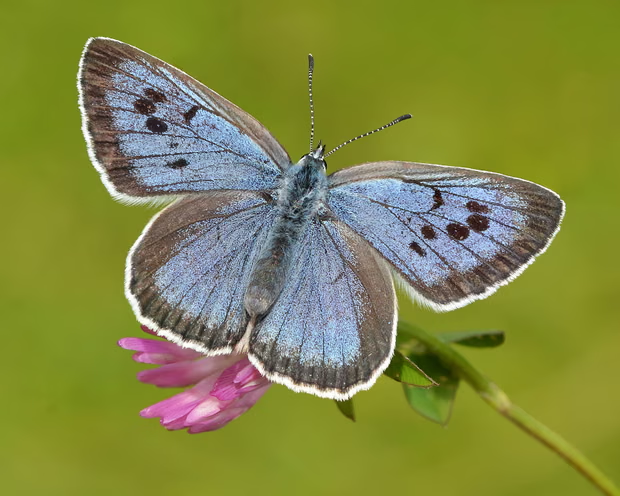
In terms of pure conservation triumph, no insect better symbolises hope than the magnificent large blue butterfly. This remarkable species tragically fell completely extinct within the British Isles back in the year nineteen seventy-nine. However, following years of painstaking labour by dedicated conservation scientists, a miraculous comeback story was carefully written. Experts successfully reintroduced the species using healthy butterfly caterpillars sourced from healthy populations living in Sweden. This achievement required a deep understanding of the butterfly’s intricate symbiotic relationship with local ant colonies.
By carefully managing British grasslands to benefit these essential ants, scientists created the perfect habitat for recovery. Today, the large blue is absolutely booming across its restored regional strongholds in the south of England. Remarkably, more large blues are now found in Britain than anywhere else in the entire world. This project stands globally as the most successful example of reintroducing an extinct insect species to nature. A vote for the large blue is a vote celebrating human ingenuity and ecological resilience.
The final highlighted master of the skies is the breathtaking and exotic-looking British swallowtail butterfly. With its fabulous tails and tigerish stripes, this creature looks like a tropical escapee from an indoor exhibit. Yet, it is a deeply historic and native resident of the ancient wetlands of eastern England. While Britain’s other fifty-nine native species exist elsewhere in Europe, our swallowtail is truly a unique treasure. It is a distinct endemic subspecies, smaller and darker than its cousins living across the English Channel.
Centuries of confinement to shrinking areas of native marshland have shaped this spectacular insect over long generations. Today, it is found breeding in barely twenty isolated locations across the beautiful Norfolk Broads network. Seeing one whizzing across vibrant reedbeds on a hot June day is an unforgettable wildlife experience. It represents the wild, untamed history of the British fens and the fragile beauty that remains there. This iconic insect will undoubtedly attract votes from those who value rarity and dramatic, striking aesthetics.
As the June deadline approaches, the excitement surrounding this unique national election will surely continue to grow. Every vote cast represents a deeper public appreciation for the fragile natural world surrounding our busy lives. Whether citizens choose the common garden visitors or the rare wetland specialists, the celebration itself is what matters. This poll provides a wonderful opportunity to reflect on the beauty flying right outside our windows. Be sure to visit the official voting platform before the seventh of June to register your choice.
Related News:
 ‘Extinct’ Antelope Returns to Sahara, Bringing Hope
 Norfolk Coastal Graves at Risk as Erosion Deepens Family Anguish
 Eden Project Founder Celebrates 25 Years of Nature’s Hope
 Winter plant bloom signals climate breakdown in UK
 Avocado Crisis: The Hidden Violence Behind Exports
 Smaller farms funding prioritised in England nature plans
 Storm Goretti leaves Cornwall homes without power
 Wildlife Targets at Risk in England and Northern Ireland
 BP’s Influence Sparks Controversy in UK STEM Education
 Polycrisis Anxiety Leaves Many Feeling Trapped in the Present
 Kent Residents Continue Facing Water Supply Disruptions
 Antarctic Penguins Shift Breeding Season Amid Climate Change
 No Gas Boiler Ban as UK Warm Homes Plan Backs Heat Pumps
 Judi Dench Champions Fight to Save London’s Green Spaces
 Half the World’s Largest Cities Face Rising Water Stress
 Record-Breaking Heat Looms Over South-East Australia as Catastrophic Fire Risk Escalates
 UK joins North Sea wind grid pact with nine European nations
 Devon hosts first high-density hydro power system
 US-Style Pickup Trucks Surge on UK Roads
 Storm Chandra floods Somerset, triggers major incident declaration
 How Sandhill Ashes Rebuilt a Bushfire-Hit Rural Community
 Reform UK Taps Boris Ally to Shape Party Nature Agenda
 James Valentine Retires from ABC After Cancer Battle
 UK Pfas Action Plan Faces Criticism From Environmentalists
 Wigan Dump Crisis Sparks Health and Safety Alarm
 Norway’s Petrol Car Sales Hit Record Low Amid EV Surge
 Fish disco plan could save 90% of fish at Hinkley C
 Santos Wins Landmark Greenwashing Case in Court
 Gentoo Penguins First Birds on Australian Territory Hit by Bird Flu
 Flood risk homes surge across England builds
 Chikungunya Spread in Europe Climbs as Climate Warms
 Deer Shooting England: New Plan to Protect Woods
 Illegal Waste Dumping: New Drone Unit Launched
 Scotland’s Emissions Plans Face Criticism for Over-Reliance on Technology
 Germany Faces Backlash Over Scrapped Renewable Heating Mandate
 Group Expands Legal Claim Over South West Water Pollution
 Scotland’s Climate Plans Face Scrutiny Over ‘Science Fiction’ Targets
 Humans – not Mimmo the dolphin – need managing in Venice lagoon
 Ancient Stepwells Revived Amid India’s Deepening Water Crisis
 Tropical Flowers Shift Blooming Due to Climate Crisis
 Greenpeace $345m Ruling Sparks Appeal Battle
 Wood burner legal threats spark council row
 Net Zero Cheaper Than One Fossil Fuel Crisis, UK Told
 Musk’s xAI Permit Sparks Fury Over Power Plant Expansion
 London Considers New SUV Charges to Improve Road Safety
 ‘Drinking from a Fetid Pond’: Superbug Genes in Lough Neagh
 MPs Slam Agency Over Failing Fight Against Waste Dumping
 Middle East Deluge: Freak Storms Bangle Desert Nations
 Trump to Deploy “God Squad” Over Gulf Wildlife Protections
 Evacuations Ordered as California Wildfires Spread Fast
 UK Records Earliest Spring as Nature Awakens Fast
 Tragic End to Outback Search as Floods Claim a Life
 UK Fossil Fuel Expansion Risks Global Climate Collapse
 Miles Jupp: How the Magic of the Ashes Sparked a Bold Blag
 RSPB Urges Summer Bird Feeder Removal to Curb Disease
 The Toxic Scent Destroying Life in a Lancashire Town
 Britain Facing Sharp Decline in Rare Butterfly Species
 15 Million Oysters Set to Revive UK Marine Ecosystems
 Fuel Prices Drop Despite Geelong Refinery Blaze
 Big Tech Lobbies EU to Hide Massive Datacentre Emissions
 Medellín’s Green Revolution: A Global Climate Blueprint
 Celestial Magic: The Lyrid Meteor Shower Returns
 Ancient Cattle Breed Faces Urgent Risk of Extinction
 Nature Watchdog Accused of Halting Vital Site Protections
 Fury in Cornwall over herbicide plan to tackle weeds
 Broken Promises: Murray-Darling River Crisis Deepens
 Governments Fail Murray-Darling River Projects
 Renewable Energy as a Strategic Shield for UK Security
 Escobar’s Hippos May Be Moved to India Zoo
 Capitalism ‘Suicidal’, Warns Petro at Climate Summit
 UK Firm Faces Backlash Over US Oil Advertising Deals
 UK Firm Faces Backlash Over US Oil Advertising Deals
 The Lion Guard: How One Woman Heals the Zambezi Valley
 Record May Heat to Cold Front in Eastern Australia
 Ukraine strikes Tuapse as oil disaster worsens
 The Campaign To Save Britain’s Original Bramley Apple Tree
 EU Deal May Force UK Ban on Cancer-Linked Weedkiller
 Stolen Hives: The Great Australian Bee Heist
 Charities Demand Labour Deliver Urgent New Clean Air Act
 UN Faces Crucial Vote on Landmark ICJ Climate Ruling