Published: 13 May 2026. The English Chronicle Desk. The English Chronicle Online.
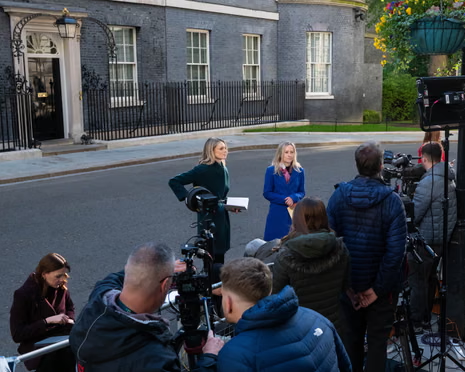
The halls of power within Westminster are echoing with the quiet whispers of a brewing political storm tonight. Keir Starmer currently finds himself standing at a very difficult crossroads regarding his long-term future as prime minister. Recent events have suggested that his once formidable political operation might be losing its previously sharp and effective edge. The contrast between this current crisis and past challenges is becoming increasingly clear to many seasoned political observers. During previous threats to his leadership his core team moved with a very impressive and rapid speed. They successfully managed to flood social media with supportive messages from many loyal and high-ranking government ministers. This orchestrated show of unity served to dampen any significant internal fires before they could truly spread. However the atmosphere inside the historic cabinet room feels noticeably more tense and uncertain during this week. Many prominent members of the cabinet have chosen to remain silent while the political pressure continues building. This lack of public support has led some to question the underlying strength of his current position. The number of members of parliament calling for his resignation has grown steadily over two days. This rising tide of dissent is creating a very palpable sense of unease within the government.
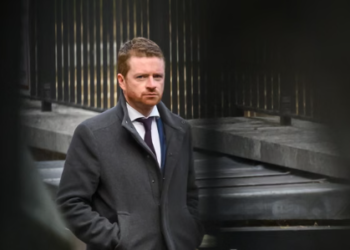
Some frustrated officials are wondering if the prime minister still possesses his famous and calculated survival instinct. The departure of his long-term aide Morgan McSweeney appears to have left a very significant strategic void. McSweeney was widely regarded as the primary architect of the political strategy used by the prime minister. He often took the lead in navigating complex scandals and managing difficult conversations with many restless ministers. His resignation in February followed a controversial recommendation for a high-profile diplomatic appointment in the United States. Although he remains a close personal friend he is no longer providing formal advice to the team. This absence is being felt deeply as the government struggles to find a clear and cohesive path. One anonymous member of parliament expressed deep frustration at the apparent lack of a solid fightback. They claimed there was no clear guidance or plan coming from the heart of Downing Street today. This sentiment is being echoed by others who feel the current operation lacks its former clinical precision. The daily politics of the administration used to be handled with a much more assertive hand. Now the void left by key figures seems to be causing a degree of internal paralysis.
The prime minister appointed Vidhya Alakeson and Jill Cuthbertson to lead his political team after February’s reshuffle. This duo successfully coordinated a very swift response when the Scottish Labour leader previously called for change. They worked alongside the political director Amy Richards and the chief whip Jonathan Reynolds to maintain order. Their previous success was built on a foundation of rapid communication and very strong internal party connections. However the team is currently working without the full strength of its most experienced and connected members. Jill Cuthbertson is currently on maternity leave and has only been able to offer very limited support. While she did visit Downing Street briefly on Monday evening she did not lead the making of calls. Her absence is being cited as a major reason why the party outreach feels less effective. She was known for having deep and meaningful connections across all levels of the wider Labour party. Without that bridge the prime minister’s team is struggling to gauge the true mood of the backbenches. Other aides like Stuart Ingham and Sophie Nazemi have tried their best to fill the gaps. They are attempting to use the same defensive tactics that worked so well for them before. This involves a mix of direct phone calls and the delivery of defiant public messaging strategies.
Some officials have even started warning of dire economic consequences if the prime minister is suddenly ousted. They have pointed toward the potential for a significant spike in bond yields during these volatile times. This argument draws a direct and chilling parallel to the short-lived and chaotic premiership of Liz Truss. The memory of the mini-budget and its impact on borrowing costs remains very fresh in many minds. However aides are being careful not to use these specific arguments too directly with nervous politicians. They understand that members of parliament do not like feeling as though they are being held hostage. Despite these warnings the silence from some sections of the cabinet remains a very worrying sign. In the past every single cabinet minister would have issued a public declaration of support immediately. This time the foreign secretary and the energy secretary have both chosen to stay remarkably quiet. The health secretary has also refrained from offering any public words of comfort to the prime minister. This lack of vocal support creates a vacuum that opponents are very eager to fill tonight. The coming days will likely determine if this silence is temporary or a sign of transition.
Starmer has been somewhat lucky that many politicians are still away in their own local constituencies. They are not expected to return to the halls of Westminster until the middle of the week. This physical distance has made it much harder for his opponents to coordinate a unified rebellion. However it has also made it equally difficult for the prime minister to organize a proper defense. Despite these logistical hurdles more than one hundred loyal members of parliament have signed a supportive letter. They insist that now is absolutely not the right time for a divisive leadership contest. This letter was officially coordinated by backbenchers and a few dedicated parliamentary ministerial aides on the ground. While organizers claim it did not come from Downing Street others say whips were very involved. The prime minister used a recent cabinet meeting to deliver a very firm and direct message. He challenged his critics to either trigger a formal leadership contest or stand down entirely. His words were seen as a direct dare to those who might be plotting against him. He emphasized that the recent instability is causing a real and measurable economic cost to families. He refused to give his critics any time to respond before moving the meeting forward quickly.
The prime minister even rebuffed an attempt by the health secretary to speak with him in private. This suggests a leader who is currently more interested in projecting strength than in seeking a compromise. After the meeting he left to visit a technical college located in the south of London. This move was intended to show that it is still business as usual for the government. His defiant words did persuade some ministers to offer supportive statements to the waiting press pack. Yet the core of the challenge remains unresolved as the political sun sets over the capital. Allies are quietly hopeful that they have done enough to secure his position for another day. They are however very wary of making any bold predictions about what might happen next week. Some wonder if his rivals will eventually back down or continue their march toward the top. The political atmosphere in London remains highly charged and remains subject to very rapid and sudden changes. Whether this survival strategy is sharp enough to keep him in power remains a burning question. The prime minister must find a way to reconnect with his party and restore his authority. Without a clear and united front the path forward for the government looks increasingly uncertain.
Related News:
 Green Party Surges Past Labour in Latest UK Poll
 Trump’s UK Ambassador Urges North Sea Drilling to Strengthen US Ties
 French Taxi Driver Cleared in David Lammy Theft Case After Fare Dispute
 Millionaires group urge Reeves to introduce wealth tax to ‘lift kids out of poverty’
 Starmer Faces Growing Dissent as Labour MPs Weigh Leadership Challenge
 Reeves rejects £1bn plea for NHS redundancy payouts
 PM Condemns Leaks, Vows Loyalty to Ministers and Stability
 Major Rent Reform Ends No-Fault Evictions in England
 Peers Flood Assisted Dying Bill with 942 Amendments
 Most Tories Expect to Support a Farage-Led Government
 Labour MP claims devolution bill is ‘blatant discrimination’ against Cornwall
 Millions Face Higher Taxes Under Reeves New Budget
 Starmer Says Labour’s Economic Plan Needs Years to Deliver
 Culture secretary to review Telegraph takeover by Daily Mail owner
 UK Government Borrowing Drops to £11.6bn in December
 Labour Blocks Burnham as Party Rift Deepens Ahead of Polls
 Andy Burnham and the Labour Rift Over Power and Leadership
 Huge mistake: Labour blocks Burnham from byelection bid
 Artificial intelligence will cost jobs, admits Liz Kendall
 Labour targets Greens on drugs in Gorton Denton byelection
 Greens nominate Hannah Spencer for Gorton and Denton byelection
 Mandelson Faces Police Inquiry Over Epstein Leak
 Starmer Condemns ‘Depraved’ Russian Strikes on Ukraine
 Labour Thinktank Row Deepens Over Journalist Probe Claims
 Morgan McSweeney downfall shocks Labour leadership
 Labour Lord Doyle Apologises Over Paedophile Ties in Political Storm
 Cabinet Secretary Shake-Up Triggers Due Diligence Warning
 Starmer Faces Inquiry Calls Over Thinktank Probe
 Royal Mail Delivery Crisis Deepens Amid Weather Chaos
 UK shelves £110m border project amid trade strain
 Farage Unveils Reform UK Frontbench Team
 California Democrats Vow Trump Reckoning
 Trump Tariffs Threat Spark UK and EU Alarm
 Wales Approves Assisted Dying Bill Consent
 UK EU Trade Reset Gains Public Backing
 Your Party leadership fight nears dramatic end
 NHS Maternity Units Cover Up Harmful Childbirth Errors
 Green Party Stuns Labour in Gorton and Denton Byelection
 Corbyn Leads Your Party in Coordinated Left-Flank Strategy
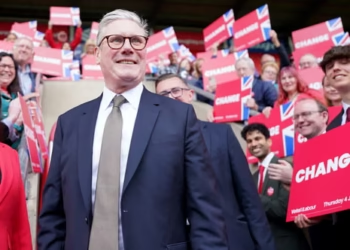 Labour Together scandal sparks clean break vow
 Asylum Seekers to Work After Year-Long Wait
 Starmer Row as Greens Demand Apology
 Proposed Law Leaves Gap for Children of Convicted Paedophiles
 Gordon Brown urges court for crimes against children
 Starmer Praised for Stance on Trump and Iran Conflict
 Inquiry into HMRC child benefit errors launched by NAO
 NHS Plans to Cut Overseas Workers Labeled Overambitious
 Farage Faces Backlash Over Crypto Cameo Endorsements
 Army Probes Apache Flyover at Kid Rock’s Nashville Estate
 Relationship with Trump may be beyond repair, Starmer warned
 Unions Raise Concerns Over Doctors’ Pay Dispute
 UK Government Poised to Revive Stalled Hillsborough Law
 UK Stands Firm on Falklands Amid US Rift
 Welsh Labour Faces Potential Historic Election Defeat
 Starmer Survives Mandelson Rebellion
 Silent Tracks: Rail Line Without Passengers
 Major test for Labour as polls open in Great Britain
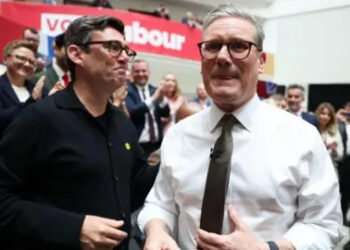 Labour Members Doubt Starmer Future as Burnham Leads Poll
 Reform UK Faces Crisis as Newly Elected Councillors Resign
 Farage Faces New Questions Over Private Helicopter Use
 NHS Drug Deal Faces Legal Threat Over US Trade Agreement
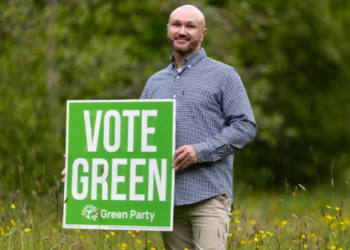 Green Party Makerfield Candidate Resigns Over Posts
 UK Welfare: Focus on Jobs Over Benefit Cuts, Says JRF
 Secret Role of UK Security Services in Troubles Amnesty Law
 Starmer Leadership Under Pressure After Setbacks
 The Hidden Crisis Eroding Trust in British Communities
 Deepfake Abuse on X Sparks Safety Concerns for Dissidents
 Modernising the Military: Carns Demands Urgent Procurement Reform
 UK Ministers Lobby Trump Over Under-16s Social Media Ban
 Starmer Resolves to Fight Burnham in Leadership Battle
 Starmer Resigns as Prime Minister Amid Internal Pressure
 MP Warning: Northern Rail Risks Repeating HS2 Failures
 Hollie Ridley to Step Down as Labour General Secretary
 New South Wales Premier Chris Minns Signals Tough Road Ahead for Labor
 Jarvis Urges Burnham to Secure 3.5% Defence Spending
 Farage Warns Sky News Following Financial Inquiry
 Reform UK Finances Face Deep NCA Probe
 Ann Widdecombe, Formidable Political Figure, Dies at 78
 Treasury Reform Urged After Tragic Loss
 Sadiq Khan Backs Call for Maximum UK Work Heat Limit