Published: 1 July 2026
The English Chronicle Desk
The English Chronicle Online
China’s newly introduced “ethnic unity” legislation has sparked debate among legal experts, human rights organisations and foreign governments over whether the law could be used to target critics living beyond the country’s borders.
Supporters of the legislation argue that it is designed to strengthen national cohesion, promote social stability and encourage unity among China’s diverse ethnic communities. Critics, however, fear that the broad language used in parts of the law could potentially be applied to activists, dissidents and minority rights campaigners residing overseas.
The discussion reflects a broader international debate about the growing reach of national laws in an increasingly interconnected world.

China is home to dozens of officially recognised ethnic groups and has long maintained policies aimed at promoting national integration and social harmony. Government officials say the new legislation provides a legal framework to support those objectives while combating activities viewed as threatening national unity.
According to authorities, the law is intended to strengthen cooperation among different communities, encourage economic development and reinforce social cohesion across the country.
However, some legal scholars have raised concerns about how certain provisions may be interpreted and enforced.
The debate centres largely on language relating to actions considered harmful to ethnic unity or national solidarity.
Human rights advocates argue that such terms can sometimes be open to broad interpretation, potentially creating uncertainty about what types of speech or activism may fall within the law’s scope.
Several organisations have questioned whether individuals living outside China who publicly criticise government policies relating to ethnic minorities could face legal consequences if they later travel to jurisdictions willing to cooperate with Chinese authorities.
Experts note that this concern is not unique to China.
Many countries have introduced laws with extraterritorial elements, allowing authorities to pursue certain offences committed abroad.
These can include crimes such as terrorism, corruption, cybercrime and offences affecting national security.
The key issue, legal analysts say, is determining how broadly such powers are defined and how they are applied in practice.
International law specialists explain that a country cannot automatically enforce its domestic laws in another sovereign state.
Any attempt to investigate, arrest or extradite individuals abroad generally requires cooperation from foreign governments and legal systems.
As a result, practical enforcement often depends on diplomatic relationships, international agreements and local legal standards.
Nevertheless, critics argue that the existence of such legislation can sometimes have a chilling effect even if prosecutions remain rare.
Activists and campaign groups say uncertainty about legal risks may discourage some individuals from speaking openly, travelling internationally or participating in advocacy activities.
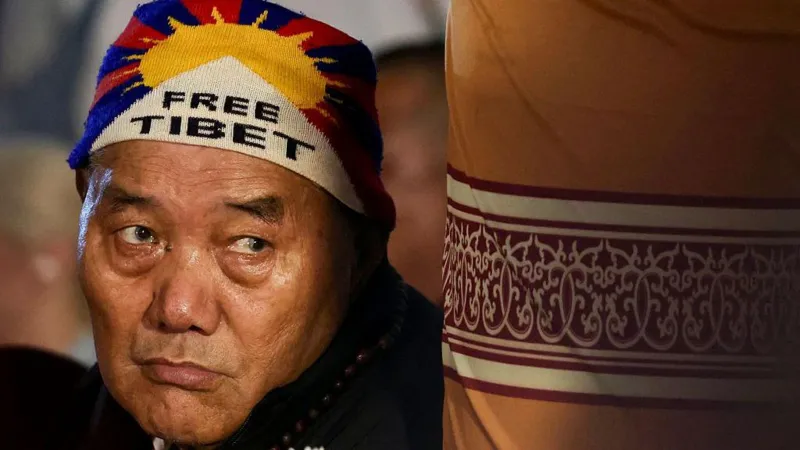
Several organisations representing ethnic minority communities have expressed concerns that the law could increase pressure on diaspora groups living overseas.
These communities often maintain strong cultural, family and social connections with relatives inside China.
Campaigners argue that this can create additional anxiety when governments introduce legislation relating to national unity or security.
Chinese officials have rejected suggestions that the law is intended to suppress legitimate expression abroad.
They maintain that the legislation is focused on maintaining social stability, protecting national interests and promoting harmonious relations among ethnic groups within China.
Government representatives have frequently argued that foreign criticism misunderstands the country’s legal framework and domestic priorities.
Supporters of the law also point out that many countries maintain legislation addressing threats to national security, social order or public safety.
They argue that China should not be treated differently when pursuing similar objectives through legal mechanisms.
The disagreement reflects wider tensions between differing interpretations of human rights, state sovereignty and national security.
Western governments and rights organisations often place strong emphasis on freedom of expression and political dissent, while Chinese authorities typically prioritise social stability and national unity.
These differing perspectives frequently lead to disputes regarding legislation affecting civil society and minority communities.
The introduction of the ethnic unity law comes amid growing international scrutiny of policies relating to ethnic minorities in China.
Questions surrounding cultural rights, language preservation, religious freedoms and regional governance have featured prominently in diplomatic discussions between China and several Western nations.
Human rights groups have called for greater transparency regarding how the new law will be implemented.
They argue that clear guidance and oversight mechanisms could help reduce concerns about potential misuse.
Legal experts suggest that much will depend on how courts, regulators and government agencies interpret the legislation in practice.
Some observers caution against assuming the broadest possible interpretation of the law before implementation details become clearer.
Others argue that early scrutiny is necessary to ensure potential risks are identified and debated.
For members of diaspora communities, the uncertainty itself has become a significant issue.
Many continue to monitor developments closely, seeking clarity about whether political activism, public criticism or advocacy work could have legal implications in the future.
International relations specialists believe the debate is likely to continue as governments increasingly attempt to regulate activities extending beyond their borders.
Advances in technology, global migration and transnational communication have complicated traditional assumptions about where legal authority begins and ends.
As a result, questions surrounding extraterritorial enforcement are becoming more common in international politics.

Whether China’s ethnic unity law ultimately affects individuals outside its borders may depend on future legal interpretations, diplomatic relationships and enforcement decisions.
For now, the legislation has become another focal point in the wider conversation about national security, civil liberties and the global reach of domestic laws.
As policymakers, legal experts and advocacy groups examine the implications, the central question remains unresolved: how far can a state’s efforts to promote national unity extend beyond its own territory?
Related News:
 US Citizens Warned to Venezuela Flee Amid Paramilitary Threats
 Gulf states warn Trump Iran strikes risk wider Middle East war
 Machado Trump medal gesture reshapes Venezuela power struggle
 Greenland defence seen as shared Nato duty amid troop arrivals
 Trump Receives Machado’s Nobel Medal in White House Meeting
 Syria President Declares Victory as Ceasefire Reached with SDF
 US Considers Asylum for British Jews Amid Rising Antisemitism
 Russia Strikes Kyiv and Kharkiv as Peace Talks Enter Day Two
 Emails Show Epstein Funded Mandelson’s Husband After Jail
 Fears of New Arms Race as US-Russia Nuclear Weapons Treaty Expires
 US Military Says Two Killed in Strike on Alleged Drug Boat in Eastern Pacific
 Venezuela’s Opposition Says Party Leader Kidnapped Hours After Being Freed
 Christchurch Shooter Seeks to Overturn Guilty Plea in Appeals Court
 Iran Says ‘Guiding Principles’ Agreed With US at Nuclear Talks
 Ukraine Peace Talks End in Acrimony After Two Hours
 Indian University Kicked Out of AI Summit for Claiming Chinese Robot Dog as Its Own Invention
 India Sentences Three Men to Death for Attack on Israeli Tourist and Hosts
 UK Has Not Given US Permission to Use RAF Bases for Iran Strikes
 Drugs, Denial, Stigma: Fiji’s HIV Crisis Hits Children
 US ‘Suitcase Murderer’ Deported From Bali After 11 Years in Jail
 Why Asian Firms Are Not Cheering Trump Tariff Ruling
 Months of Planning Behind US‑Israeli Mission to Target Iran’s Supreme Leader
 UK Will Allow US to Use Bases to Strike Iranian Missile Sites, PM Says
 Cooper: Joining US Strikes on Iran ‘Not in Britain’s Interest’
 Israel Launches Fresh Strikes on Tehran & Beirut; US Warns “Hardest Hits” Ahead
 Carney to Push His Middle Power Strategy During Australia Visit
 Azerbaijan Promises Retaliation After Iranian Drone Hits Airport
 Yvette Cooper: UK Must Follow Principles, Not US Pressure
 Wary Allies Signal No Easy Path in Iran Crisis
 Saudi Arabia Urging US to Keep Up Iran Attacks
 Washington Enlists Musk to Battle Global Hostility Online
 Beyond ‘Halfway’: Netanyahu Signals Progress as Iranian Drone Strikes Tanker in Dubai
 Tragedy in Lebanon: Two Indonesian UN Peacekeepers Killed in Border Explosion
 Chain of Fire: US Bunker Busters Strike Major Iranian Ammo Depot in Isfahan
 ‘Lego Drones’: Ukraine Hits Back at German Arms Giant Over ‘Housewife’ Slurs
 ‘Targeting the Truth’: US Journalist Shelly Kittleson Abducted in Central Baghdad
 ‘The Warthog’s Stopover’: American Tank Busters Land at Lakenheath En Route to the Gulf
 ‘The Cost of Living’: Asia’s Migrant Workers Debate if Gulf Jobs are Worth the Risk of War
 ‘The 42-Day Rally’: Asian Markets Surge as Trump Signals ‘Rapid’ Iran Exit
 ‘You’re No Longer My Sister’: The Invisible Frontline Dividing Iranian Families
 ‘Blue Helmets’ in the Crossfire: Initial Probe Points to Roadside Bomb in Killing of UN Peacekeepers
 ‘The Arch of Anxiety’: How the $116 Oil Price and the Iran War are Reshaping Life in Asia
 Macron Urges Stability as Trump Jolts Nato and Iran
 Macron Rebukes Trump Following Mockery of His Marriage
 Tragic End to Outback Search as Floods Claim a Life
 Ben Roberts-Smith Arrested Over Alleged War Crimes
 Netanyahu Vows Continued Lebanon Strikes Amid Peace Talks
 Reeves Slams Trump Over Iran War Lack Of Exit Plan
 US and Iran Pursue Extension of Ceasefire via Pakistan
 Pope Leo Calls for Global Unity Following Trump Criticism
 Trump Brokers Ten Day Ceasefire to Halt Lebanon Conflict
 Mexico, Spain and Brazil call for Cuba dialogue amid crisis
 Ukraine Urges UK to Seize Russian Oil Tankers
 US Calls Australia Media Law “Foreign Extortion”
 Questions Remain Over The Tragic Bondi Massacre
 Ukraine strikes Tuapse as oil disaster worsens
 “The Tightrope Walk”: Lula and Trump Meet at White House to ‘Recalibrate’ Fractured Alliance
 “The Boy in the Bay”: German Airman to Receive Permanent Headstone 86 Years After Somerset Crash
 Tensions Emerge in Netanyahu-Trump Alliance
 US and Mexico Face Heatwave as Floods Batter South Africa
 The Long Way Home: Australia’s High-Stakes Virus Mission
 Trump Warns Iran Ceasefire Is Now on Life Support
 Putin Signals War End as Russian Momentum Stalls
 Philippine Senator Flees After Days Under Senate Siege
 “The Axis of Autonomy”: Government Breaks Silence on What Really Holds China and Russia Together
 Tragedy in the Maldives: Inside the Deep Sea Rescue
 US Ebola Case Sparks Urgent Global Screening Measures
 The Hunt for Bato: Inside the Hunt for the Fugitive Senator
 Discontent grows around Putin amid war strain
 Former ICC prosecutor condemns US sanctions
 European Allies Set Peace Terms for Ukraine
 Iran and Israel Pause Strikes but Warn Retaliation Will Follow Any New Breach
 Aukus Deal Facing Fierce Backing and Historic Criticism
 Sentenced to 30 Years: Former Leader’s Secret Drone Plot
 Iran To Propose New Shipping Fees In Strait Of Hormuz
 Trump’s Iran Legacy Hangs on Tehran Deal
 Grief and Devotion Amidst the Rubble of Nabatieh
 Lebanon Reports 18 Killed in Israeli Strikes as Israel Announces Deaths of Four Soldiers
 Dozens Reported Killed After Pakistani Strikes Inside Afghanistan
 Canada Secure Historic Last 16 Spot with Late Goal