Published: 20 May 2026. The English Chronicle Desk. The English Chronicle Online
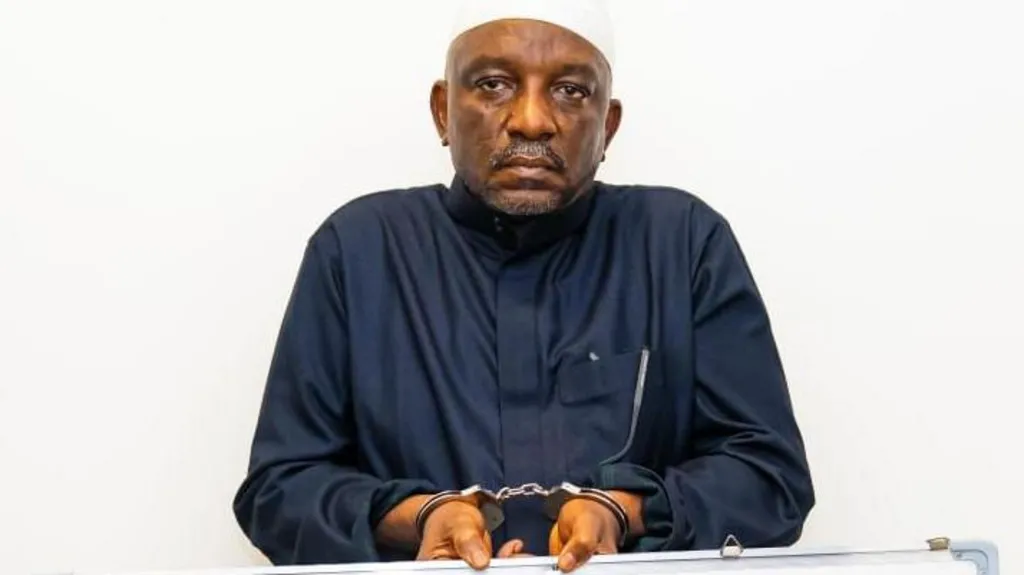
In a significant and highly publicized victory for Nigeria’s anti-corruption crusade, the Economic and Financial Crimes Commission (EFCC) has successfully apprehended former Minister of Power, Saleh Mamman, following a tense, weeks-long manhunt. The former cabinet official, who had been on the run since his conviction on May 7, was captured in the early hours of Tuesday, May 19, 2026, during a tactical intelligence operation in Rigasa, Kaduna State. The arrest, confirmed by EFCC Chairman Ola Olukoyede at a press briefing in Abuja, marks the end of an embarrassing administrative “bottleneck” that had sparked nationwide scrutiny over the efficacy of Nigeria’s judicial and enforcement processes regarding politically exposed persons.

Mamman’s capture comes just days after a Federal High Court in Abuja sentenced him in absentia to 75 years in prison for his role in a staggering 33.8 billion naira (approximately $24.7 million) fraud scandal. Prosecutors successfully proved that the funds, which were earmarked for the critical Mambilla and Zungeru hydroelectric power projects—initiatives vital to addressing Nigeria’s chronic electricity deficit—were systematically diverted through private companies. The judgment, delivered on May 13, saw the court impose 11 consecutive seven-year sentences, effectively ensuring that the former minister would face a lifetime behind bars. The court also ordered the immediate forfeiture of four luxury properties in Abuja and the recovery of various foreign currencies linked to his illicit activities.
The circumstances surrounding Mamman’s time as a fugitive were described by the EFCC as an “asymmetric” challenge to the agency’s surveillance capabilities. After failing to appear for his sentencing, the former minister vanished, leading to intense public criticism of the judicial system’s failure to prevent the flight of high-profile suspects. During the Tuesday press conference, Chairman Olukoyede revealed that Mamman had not been acting alone; he had been actively protected in a safe house in Kaduna. Two individuals found sheltering the former minister were also taken into custody and are currently under investigation for obstructing justice. “We have discovered that he was actually being protected all this while,” Olukoyede stated, adding that the owners of the property in Rigasa are now being pursued as part of a broader crackdown on those who provide cover for convicted criminals.
The arrest is being hailed by legal observers as a landmark moment in the fight against “accountability rot” within the public sector. For years, the power sector has been a primary target for allegations of graft, consuming trillions of naira in public investment while delivering limited improvements to the national grid. Mamman’s conviction and subsequent capture are seen as a “clinical” demonstration that the federal government is increasingly willing to hold high-ranking officials to the same standard as ordinary citizens. However, the case has also prompted a critical internal review within the EFCC. The agency chairman acknowledged that the former minister’s ability to slip through the system was a “lesson learned,” promising that, moving forward, all high-profile defendants will be placed under rigorous, 24-hour intelligence surveillance from the moment they are arraigned.

For many Nigerians, who have remained skeptical of the country’s ability to prosecute the powerful, the image of a former minister being led away in handcuffs offers a rare glimpse of judicial follow-through. Yet, the work is far from finished. The EFCC has confirmed that its asset-tracing units are continuing to scour both national and international records for additional properties and funds linked to Mamman, suggesting that the 33.8 billion naira figure may only be the tip of the iceberg. As Mamman is processed for transfer to a correctional facility to begin his 75-year sentence, the government is signaling that the era of impunity for those who “pilfer government national resources” is drawing to a close. Whether this arrest serves as a true turning point or a singular success remains to be seen, but for now, the “eagle eye” of the EFCC has successfully closed one of the most high-profile chapters of political corruption in recent memory.
Related News:
 Trump Administration Dismisses 17 Immigration Judges, Sparking Debate Over Judicial Independence
 Ministers Accused of Defamation Over Palestine Action Ban and Mass Arrests
 Father’s Tip Leads to Arrest in Charlie Kirk Murder Case
 Jailed Georgian Opposition Leaders Warn UK of Iranian Links to Ruling Party
 UK Extradition Law Change Sparks Fears Among Hong Kong Dissidents
 Shabana Mahmood Warns Border Failings Are Eroding Trust in States
 Johnson Approved China’s London ‘Super-Embassy’ in 2018
 China-critical UK academics face ‘extremely heavy’ pressure from Beijing
 Trump Urges Herzog to Grant Netanyahu Full Pardon
 US Justice Department Files Lawsuit Against California Over Partisan Voting Maps
 Trump Deploys DHS to Charlotte in Major Arrest Operation
 Congress Approves Release of Epstein Files, Trump Expected to Sign
 Texas Governor Faces Lawsuit From CAIR
 Chinese & Japanese Boats Clash Near Disputed Islands
 Putin Meets US Envoy Amid Key Ukraine Peace Talks
 Guterres Warns Global Cooperation Under Threat at UN’s 80th Year
 South Korea Jails Ex-President in Martial Law Ruling
 Emails Show Epstein Funded Mandelson’s Husband After Jail
 Thousands Protest ICE Operations in Nationwide US Day of Action
 Sydney Protest Clash Triggers Police Probe
 Nine Arrested in France Over Death of Far‑Right Student
 How Much Could Andrew’s Arrest Hurt the Royal Family?
 Ex‑Philippine President Duterte on Trial for Crimes Against Humanity: What You Need to Know
 Chad Shuts Border With Sudan in Bid to Stop Conflict Spreading
 Inside Kyiv’s resolve as conflict nears five‑year mark
 US Senate Vote Fails to Rein in Trump War Powers on Iran
 Trump Removes Kristi Noem From Homeland Security Role
 Queensland Protest Laws Spark Free Speech Backlash
 China Approves ‘Ethnic Unity’ Law Requiring Minorities to Learn Mandarin
 Ecuador Deploys 75,000 Forces in Anti-Gang Drive
 “Fire Came From the Sky” — Life on the Brink of Civil War in South Sudan
 Belarus Leader Gifts Rifle to Kim Jong Un

 Russia Expels British Diplomat for ‘Spying’ Amid Shadow Fleet Crackdown
 AfD Demands Full US Troop Withdrawal as ‘Project Veto’ Tensions Flare
 Israel Enacts Death Penalty Law for Palestinians Following 12-Hour Debate
 Report Says Pezzullo Acted ‘Recklessly’ in Dealings
 National Icon in Custody: Ben Roberts-Smith Arrested Over Alleged War Crimes in Afghanistan
 Transatlantic Alliance: Vice President JD Vance Arrives in Budapest to Bolster Orbán’s Re-election Campaign
 ‘Seismic Change’: How Nationalist Wins in Celtic Nations Could Reshape the UK
 ‘Power Plant Day and Bridge Day’: Israel Warns Iranians Off Trains as Trump Ultimatum Looms
 The $100 Billion Peace: Trump’s ‘Grand Bargain’ Ends Iran Conflict at a Staggering Cost
 ‘A Double-Sided Ceasefire’: Inside the 14-Day Truce Between the US and Iran
 ‘Free at Last’: French Teachers Released as Iran Exchanges ‘State Hostages’ for Legal Concessions
 Justice in Limbo: Top Australian Soldier to Remain on Remand for War Crimes
 The Prediction Prohibition: White House Staff Barred from Betting on Political Markets
 Hungary election: Orbán faces biggest test amid scandal
 Suspected Plot Targets Pipeline Before Hungary Vote
 The Vance Verdict: How the Vice President Navigated the Islamabad “Pressure Cooker”
 The Frozen Frontier: Why Frostbite is the Least of Concerns for Canada’s Arctic Forces
 Exit Stage Left: Eric Swalwell Abandons California Governor Bid Amid Misconduct Allegations
 The Atlantic Rift: Starmer Pledges UK Neutrality in Iran Port Blockade
 The Disenfranchised Frontier: Political Turmoil Grips Border State as Nine Million Lose Voting Rights
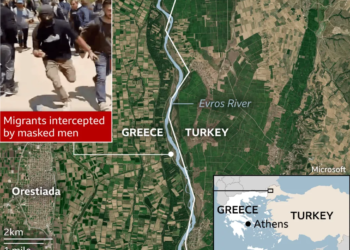 The Masked Frontier: Allegations of Greek Police Using Proxies for ‘Seismic’ Border Pushbacks
 Wins and Challenges: Zohran Mamdani’s First 100 Days in Office
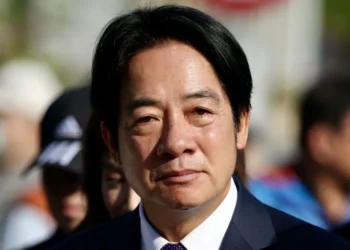 ‘Diplomatic Turbulence’: Taiwan President Cancels Landmark Africa Tour Amid Airspace Lockout
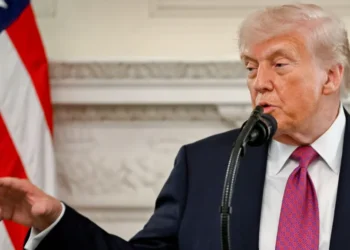 ‘I Get it in Writing’: Trump Extends Iran Ceasefire Amid Frantic Islamabad Push
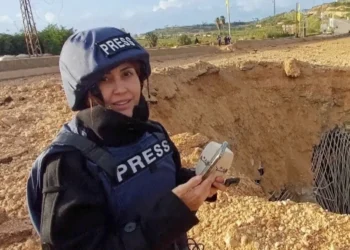 “War Crime”: Lebanon Condemns Death of Journalist in Targeted Strike
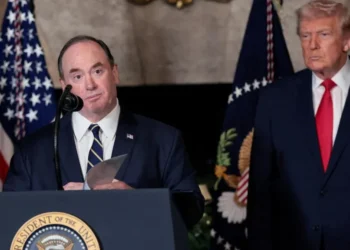 Sudden Departure: US Navy Secretary John Phelan Out “Effective Immediately”
 Judicial Whiplash: Virginia Court Pauses Redistricting 24 Hours After Public Vote
 Border Breakthrough: UK and France Finalize New £662m Small Boats Deal
 Border Breakthrough: UK and France Finalize New £662m Small Boats Deal
 “I Speak for the UK”: Trump Bristles at Prince Harry’s Ukraine Plea
 Diplomatic Crossfire: President Trump Dismisses Prince Harry’s “Passionate” Ukraine Appeal
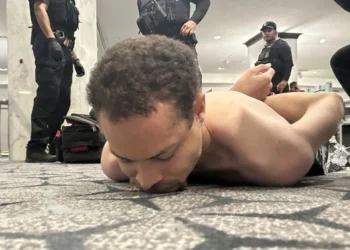 The “Friendly Federal Assassin”: 31-Year-Old Californian Identified in Press Dinner Attack
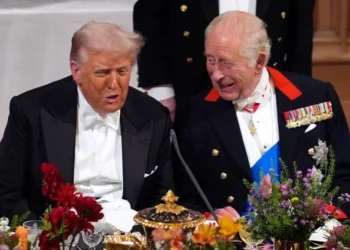 “Very Safe”: Trump Pledges Ironclad Security for King Charles Following D.C. Shooting
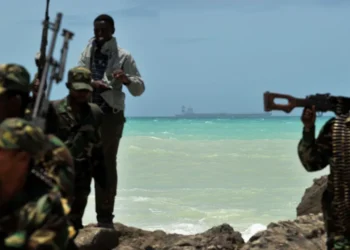 Return of the “Skiffs”: Threat Level Raised as Somali Pirates Seize Second Vessel in a Week
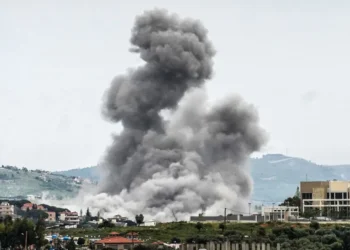 Fragile Silence Broken: 14 Killed in Southern Lebanon During “Bloodiest Day” of Truce
 The “Friendly Federal Assassin”: Washington Hilton Shooting Sparks Security Crisis
 The Cost of Conviction: Singapore High Court Fines Activists for Pro-Palestinian “Watermelon Walk”
 US Court Ruling Reshapes Voting Rights Landscape
 Cartel crackdown raises fears of fresh violence
 US states redraw maps after voting rights ruling
 “A Town on the Edge”: Violence Erupts in Alice Springs Following Arrest in Murder Case
 Judge halts deportation of Yemeni refugees in US
 Trump warns Iran as Middle East tensions surge again
 US Court Restores Abortion Pill Access Temporarily
 “Consolidation in Crisis”: Gen Assimi Goïta Assumes Defence Ministry After Coordinated Attacks Kill Predecessor
 “A Crisis for Us All”: Starmer Summons National Leaders to Confront ‘Poison’ of Antisemitism
 “The Cost of Conviction”: Palestine Action Activists Found Guilty Over ‘Clinical’ Factory Damage