Published: 14 April 2026. The English Chronicle Desk. The English Chronicle Online
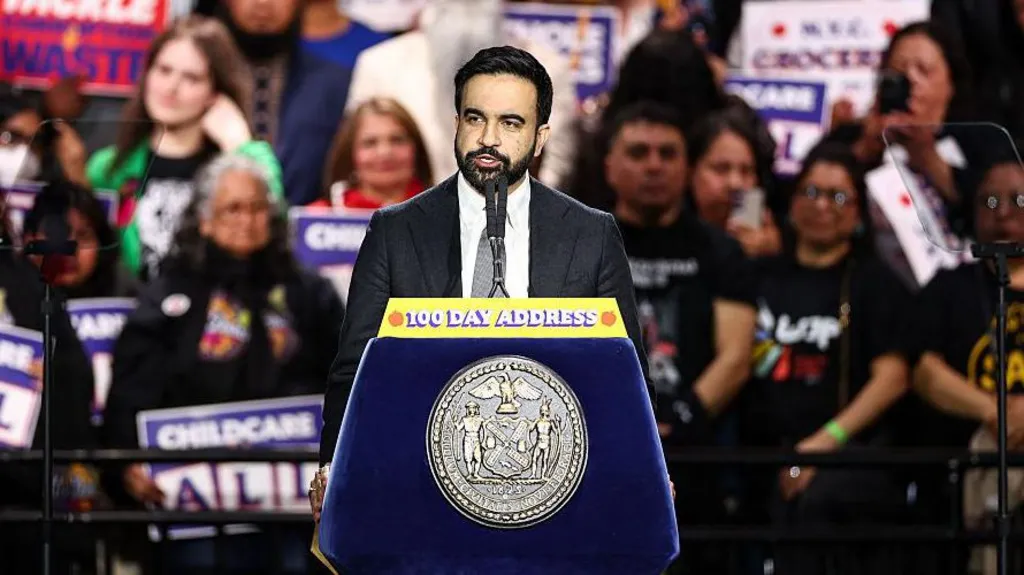
Zohran Mamdani, the 34-year-old Democratic Socialist who scripted history in January as the first Muslim and first South Asian mayor of New York City, has officially crossed the symbolic 100-day milestone. Standing on the steps of City Hall this week, Mamdani addressed a crowd of supporters and skeptics alike, reflecting on a whirlwind tenure that has seen his administration attempt a radical departure from the “status quo” politics of his predecessors. While his rise from a Queens state assemblyman to the leader of the world’s most famous metropolis was fueled by viral content and a populist platform, his first months in Gracie Mansion have been defined by the sobering realities of governing a city gripped by an affordability crisis and volatile weather.

The primary “win” for the Mamdani administration has been the rapid rollout of his signature campaign promise: universal childcare for two-year-olds. City officials confirmed that the program is on track for a September launch, a feat that supporters argue will save working families an average of $20,000 per child annually. To maintain the “movement” energy of his campaign, Mamdani even recruited rap superstar Cardi B to judge a jingle contest for the initiative, a move that successfully bypassed traditional media to reach younger voters directly. Additionally, the Mayor has made significant strides in “pothole politics,” introducing a bracket-style voting system for residents to prioritize neighborhood repairs—a 21st-century digital spin on the classic “sewer socialism” that prioritizes basic service delivery.
On the legislative front, Mamdani has achieved a delicate, albeit surprising, detente with the federal government. Despite their vast ideological differences, the Mayor has met with President Donald Trump twice to discuss housing infrastructure and federal funding. These meetings, described by both sides as “surprisingly cordial,” centered on Mamdani’s goal of accelerating affordable housing construction on city-owned land. Through the new “Neighborhood Builders Fast Track” program, the administration has already identified three major sites for development, signaling a pragmatic willingness to work with a Republican White House to address the city’s desperate need for inventory.
However, the “honeymoon period” has not been without its storms—both literal and metaphorical. In late February, two severe winter storms tested the city’s operational limits, forcing Mamdani to pivot from high-minded policy to the logistical grind of snow plowing and emergency management. During the height of a bitter cold snap, the Mayor faced sharp criticism for a “Tonight Show” appearance that some labeled as insensitive while the death toll among the city’s homeless population rose. His rivals, including former opponent Curtis Sliwa, have been quick to accuse him of “styling and profiling” at the expense of substantive crisis management, highlighting the constant tension between Mamdani’s media-savvy persona and the demands of executive office.

Perhaps the greatest challenge looming over the next hundred days is the financial reality of his ambitious agenda. To realize his vision of a fare-free bus system and city-owned grocery stores, New York City will need to navigate a projected $70 billion borrowing requirement over the next decade. While Mamdani remains popular with his base and has successfully established the city’s first-ever Mayor’s Office of LGBTQIA+ Affairs, the upcoming Rent Guidelines Board vote in June will serve as the true litmus test for his “rent freeze” pledge. As the city enters the second quarter of 2026, Mamdani’s administration sits at a crossroads: it must prove that its “politics for the many” can withstand the fiscal and political pressures of a city that never sleeps.
Related News:
 Trump Administration Dismisses 17 Immigration Judges, Sparking Debate Over Judicial Independence
 Ministers Accused of Defamation Over Palestine Action Ban and Mass Arrests
 Father’s Tip Leads to Arrest in Charlie Kirk Murder Case
 Charlie Kirk Killing Used to Mobilise UK’s Largest Far-Right Rally in Decades
 Jailed Georgian Opposition Leaders Warn UK of Iranian Links to Ruling Party
 UK Extradition Law Change Sparks Fears Among Hong Kong Dissidents
 Shabana Mahmood Warns Border Failings Are Eroding Trust in States
 Johnson Approved China’s London ‘Super-Embassy’ in 2018
 China-critical UK academics face ‘extremely heavy’ pressure from Beijing
 Trump Urges Herzog to Grant Netanyahu Full Pardon
 US Justice Department Files Lawsuit Against California Over Partisan Voting Maps
 Trump Deploys DHS to Charlotte in Major Arrest Operation
 Congress Approves Release of Epstein Files, Trump Expected to Sign
 Texas Governor Faces Lawsuit From CAIR
 Chinese & Japanese Boats Clash Near Disputed Islands
 Putin Meets US Envoy Amid Key Ukraine Peace Talks
 Guterres Warns Global Cooperation Under Threat at UN’s 80th Year
 South Korea Jails Ex-President in Martial Law Ruling
 UK and EU Signal Fresh Push for Defence Cooperation Talks
 Emails Show Epstein Funded Mandelson’s Husband After Jail
 Thousands Protest ICE Operations in Nationwide US Day of Action
 Sydney Protest Clash Triggers Police Probe
 Nine Arrested in France Over Death of Far‑Right Student
 How Much Could Andrew’s Arrest Hurt the Royal Family?
 Ex‑Philippine President Duterte on Trial for Crimes Against Humanity: What You Need to Know
 Inside Kyiv’s resolve as conflict nears five‑year mark
 US Partially Evacuates Beirut Embassy Amid Rising Iran Tensions
 US Senate Vote Fails to Rein in Trump War Powers on Iran
 Trump Removes Kristi Noem From Homeland Security Role
 UK Must Obey International Law Over Iran, Says Thornberry
 Queensland Protest Laws Spark Free Speech Backlash
 China Approves ‘Ethnic Unity’ Law Requiring Minorities to Learn Mandarin
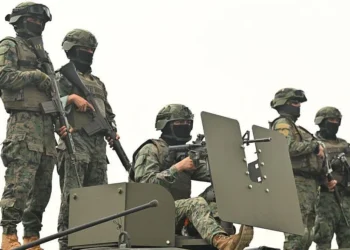 Ecuador Deploys 75,000 Forces in Anti-Gang Drive
 Belarus Leader Gifts Rifle to Kim Jong Un

 Russia Expels British Diplomat for ‘Spying’ Amid Shadow Fleet Crackdown
 AfD Demands Full US Troop Withdrawal as ‘Project Veto’ Tensions Flare
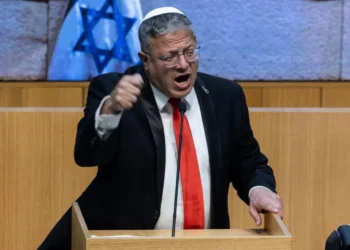 Israel Enacts Death Penalty Law for Palestinians Following 12-Hour Debate
 Report Says Pezzullo Acted ‘Recklessly’ in Dealings
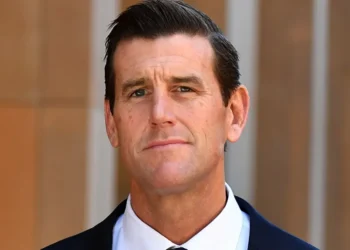 National Icon in Custody: Ben Roberts-Smith Arrested Over Alleged War Crimes in Afghanistan
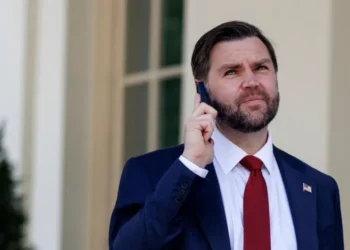 Transatlantic Alliance: Vice President JD Vance Arrives in Budapest to Bolster Orbán’s Re-election Campaign
 ‘Seismic Change’: How Nationalist Wins in Celtic Nations Could Reshape the UK
 ‘Power Plant Day and Bridge Day’: Israel Warns Iranians Off Trains as Trump Ultimatum Looms
 The $100 Billion Peace: Trump’s ‘Grand Bargain’ Ends Iran Conflict at a Staggering Cost
 ‘A Double-Sided Ceasefire’: Inside the 14-Day Truce Between the US and Iran
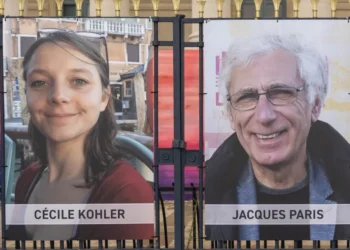 ‘Free at Last’: French Teachers Released as Iran Exchanges ‘State Hostages’ for Legal Concessions
 Justice in Limbo: Top Australian Soldier to Remain on Remand for War Crimes
 The Prediction Prohibition: White House Staff Barred from Betting on Political Markets
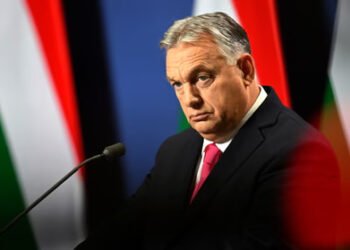 Hungary election: Orbán faces biggest test amid scandal
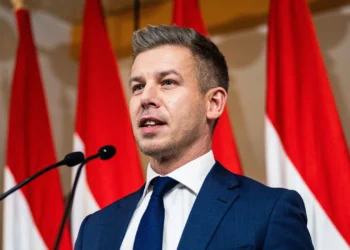 Suspected Plot Targets Pipeline Before Hungary Vote
 The Vance Verdict: How the Vice President Navigated the Islamabad “Pressure Cooker”
 The Blockade Gambit: Trump’s High-Stakes Threat Leaves Middle East Predicaments Unchanged
 The Liberal Gamble: Carney’s Majority Quest Hits the ‘Poilievre Wall’
 The Frozen Frontier: Why Frostbite is the Least of Concerns for Canada’s Arctic Forces
 Exit Stage Left: Eric Swalwell Abandons California Governor Bid Amid Misconduct Allegations
 The Atlantic Rift: Starmer Pledges UK Neutrality in Iran Port Blockade
 The Disenfranchised Frontier: Political Turmoil Grips Border State as Nine Million Lose Voting Rights
 Political Aftershock: Democrats Scramble in Sacramento as Swalwell Withdrawal Upends 2026 Race
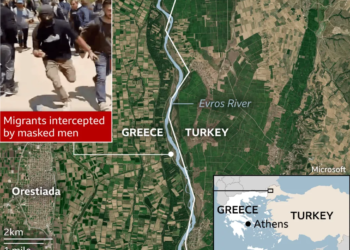 The Masked Frontier: Allegations of Greek Police Using Proxies for ‘Seismic’ Border Pushbacks
 UK Must Act with Courage and Clarity on Israel-Palestine Conflict, Says Foreign Affairs Committee Report
 Tanni Grey-Thompson Faces Abuse Over Opposition to Assisted Dying Bill
 Yvette Cooper Signals Global Momentum Towards Gaza Peace Deal Amid Humanitarian Crisis
 Russia’s Latest Push to Win US Favors Shows Deep Desperation
 Shadow Fleet at Sea: Europe’s Battle Against Illicit Oil Shipping
 Australia’s Opposition Coalition Reunites After Rift
 Australian Families Leave Syrian Camp for Home
 Civil Service Pay: Union Urges Ministers to End ‘Barking Mad’ Limits
 Epstein Eyed Record Label Investment to Access Women, Files Suggest
 Ukraine Negotiator Reveals What It Feels Like Facing Russia
 American Citizen Killed in Cuba Boat Shooting, U.S. Officials Say
 Iran’s Regime Still Intact — Coming Days Will Test Its Survival
 Trump Nato threats expose Iran strategy vacuum
 Trump Facing Backlash from Epstein Survivors Over Files
 UK Forces Ready to Seize Russian Shadow Fleet Vessels
 US Lawmaker Demands Testimony Over Sarah Ferguson’s ‘Close Epstein Ties’
 Trump Considers Military Operation to Seize Iran’s Uranium
 “It Ends With Trial”: Judge Tosses Blake Lively’s Sexual Harassment Claims Against Justin Baldoni
 Oil and Diplomacy: Russian Refineries Burn as Zelenskyy Secures Middle East Shield
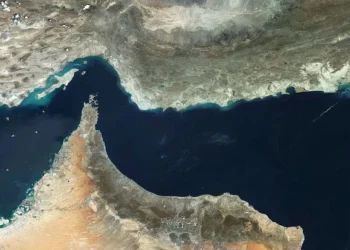 The Great Chokehold: Why the Strait of Hormuz is the Epicenter of the 2026 Crisis
 Moldova River Crisis Exposes War’s Hidden Cost