
Published: 14 April 2026. The English Chronicle Desk. The English Chronicle Online
In the rolling green heart of the British countryside, the familiar hum of the agricultural sector is undergoing a quiet but significant transformation as skilled laborers look toward new horizons. Among those making a bold career pivot is Thomas Miller, a thirty-four-year-old former agricultural contractor who recently made the headlines for his decision to trade the pastoral predictability of driving a tractor for the high-intensity environment of a construction dumper truck. His story is not merely a personal anecdote of professional change but a reflection of a wider economic shift where the boundaries between traditional farming and modern infrastructure development are becoming increasingly blurred.

Miller, who spent over a decade navigating the seasonal rhythms of plowing, sowing, and harvesting, admits that the decision to leave the land was not an easy one. Growing up in a multi-generational farming family, the tractor seat was more than just a workstation; it was a symbol of heritage. However, the escalating costs of fuel, the volatility of crop prices, and the grueling, often solitary hours of the farming calendar began to take their toll. When a major infrastructure project—a new high-speed rail link—began development just a few miles from his family’s farm, Miller saw an opportunity to apply his mechanical aptitude to a sector that offered greater financial stability and more regulated working hours.
The transition from a tractor to a thirty-tonne articulated dumper truck was, according to Miller, both intuitive and challenging. While the basic principles of operating heavy machinery remained the same, the environment of a sprawling construction site presented a steep learning curve. Unlike the open fields where the primary obstacles are erratic weather and uneven soil, the construction site is a choreographed chaos of cranes, excavators, and strict health and safety protocols. Miller noted that the precision required in the construction sector is different; it is less about the aesthetic of a straight furrow and more about the rigorous adherence to engineering blueprints and the constant communication with a ground crew.
Economists viewing the trend of “agricultural flight” point to the construction industry’s desperate need for skilled heavy-plant operators as a primary pull factor. As the UK government pushes forward with ambitious housing targets and renewable energy projects, the demand for experienced drivers has sent wages in the construction sector soaring, often outpacing the modest margins available to independent farmers. Miller’s move has allowed him to secure a pension plan, paid leave, and a structured shift pattern that has significantly improved his quality of life and time spent with his young family—luxuries that are often non-existent in the “always-on” world of modern agriculture.

Despite his new success on the foundations of the city, Miller maintains a deep respect for his roots. He argues that the skills he learned on the farm—mechanical problem-solving, resilience, and an innate understanding of heavy physics—made him a superior operator in his new role. His story has resonated with many in the farming community who find themselves at a similar crossroads, caught between a passion for the land and the pragmatic need for a sustainable career. As Miller maneuvers his dumper truck through the red clay of a future housing estate, he remains a symbol of the modern worker’s adaptability, proving that while the vehicle may change, the drive to build a better future remains the same.
Related News:
 Gender Pay Gap Won’t Close for Another 30 Years, Warns Union
 Royal Mail Blames Poor Weather and Sickness for Delayed Deliveries
 Popular UK Service Station Announces Closures Amid Another’s Liquidation
 Store at Famous Shopping Village to Close After 18 Years Due to Rising Costs
 Tesco Announces New Rule for Customer Parking Spaces – ‘We Need These Everywhere!’
 Fury as Jobless-Migrant Households Receive Benefits Worth £10bn – ‘We Need to End This’
 Closing Factory Workers Paid to Help at Food Bank
 US Trade Deficit Hits Fresh High Despite Trump’s Tariffs
 Gold Fever Hits South Africa After Lucky Find in Cattle Pen
 Trump Announces Global Tariffs to Rise to 15%
 UK Job Vacancies Fall to Lowest Level Since Pandemic
 Ukraine war briefing: Russia exporting more oil now than before war despite sanctions – report
 Man discovers £18k trading card stash in his loft
 Canada’s Finance Minister Says US Unlikely to Lift Tariffs
 China Sets Lowest Economic Growth Target Since 1991
 US Trade Court Orders Tariff Refunds in Setback for Trump Administration
 Stock Markets and Oil Prices Still Volatile Over Fears Iran War May Drag On
 South East Water Faces £22m Fine for Supply Failures Affecting Hundreds of Thousands
 The Rewilding Cash Grab Driving Farmers Off the Land
 Could Trump Threaten London’s £50bn Insurance Giant?
 Irish economy grew strongly in 2025
 Sarah Ferguson Loses Another £1.5m Amid Financial Struggles
 Courier Firm Bust After 14 Years as Evri Deliveries Face ‘Temporary Disruption’
 Fuel Costs Are Rising — Drivers on the Frontline of the Price Surge
 Fuel Price Rise Makes Profit ‘Tricky’ for Taxis
 ‘Heating Oil Suppliers Are Holding Us to Ransom’ as Prices and Cancellations Surge
 Wealthy Britons Flee Gulf War but Avoid UK Taxes
 UK Wage Growth Slows as Jobs Market Holds Firm
 UK Doubles Steel Tariffs to 50% to Protect Domestic Plants
 Rising Costs Force Families to Rethink Days Out
 Glasgow Central Set for Full Reopening After Fire
 PM Seeks to Reassure Australians Over Fuel Supply
 Understanding Your Bill: How Much is Council Tax and Where Does it Go?
 Fire Crews Battle Major Blaze at Coventry Car Dealership
 ‘A Cliff Edge’: Hospice Leaders Warn Cutbacks Are Only Way to Survive
 The High Cost of Survival: How the 2026 Fiscal Outlook is Redefining British Life
 Trust in Turmoil: Just Eat and Autotrader Among Firms Probed Over Fake Reviews
 ‘Ripple of Fear’: Iran War Fears Sink UK Consumer Confidence to 11-Month Low
 Global Crisis: Marco Rubio Convenes Emergency G7 Meeting as Iran Conflict Escalates
Fuel Famine: How African Nations are Rationing Power and ‘Diluting’ Petrol to Survive
Global Crisis: Marco Rubio Convenes Emergency G7 Meeting as Iran Conflict Escalates
Fuel Famine: How African Nations are Rationing Power and ‘Diluting’ Petrol to Survive
 ‘No Surprise’: Ramaphosa Downplays South Africa’s Exclusion from Emergency G7 Summit
 Market Shockwave: Oil Surges Past $115 as Iran War Enters Fifth Week
 ‘Eye in the Sky’ Blinded: Photos Reveal Destroyed US Radar Jet at Saudi Base
 Record-Breaking Gridlock: DHS Freeze Becomes the Longest Partial Shutdown in US History
 The ‘Squeezed Middle’: India’s Educated Class Faces a 2026 Financial Triage
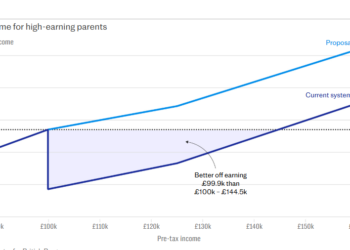 How Labour Can End the £100k Childcare Tax Trap—and Raise £700m a Year
 Michel Rolland: The ‘Spielberg of Wine’ Who Directed the Global Palate
 Gridlock Britain: Easter 2026 Set for Busiest Roads in Four Years
 ‘The Great Reset’: Behind the Wheel of Jaguar’s Most Polarizing Move in 80 Years
 ‘Empty Tanks’: UK Drivers Cry Foul as Petrol Prices Surge Amid $120 Oil Threat
 Rising Bills and Public Services: The Real Cost of Council Tax
 British Businesses Braced as National Living Wage Hits £12.71 Published: 1 April 2026
 One Year of the “Trump Tariffs”: A Global Economic Shift
 The Bitter Aftertaste: Iran War Threatens to Spike Prices for Indian Beer and Bottled Water
 National Treasure: Raja Ravi Varma Masterpiece Smashes Indian Art Record with $17.9m Sale
 The “Citrus” Shift: Marmalade to be Legally Rebranded in Post-Brexit Food Realignment
 M&S Demands Urgent Action on Rising Violent Retail Crime
 Silver Linings: Why Global Tourism is Finding “Positives” Amidst Iran War Uncertainty
 The ‘Svuota Londra’ Effect: Why the Super-Rich are Swapping Dubai for Milan
 Debt Relief or Drop in the Ocean? UK Caps Student Loan Interest at 6%
 The $100 Billion Peace: Trump’s ‘Grand Bargain’ Ends Iran Conflict at a Staggering Cost
 The ‘Golden Gates’ are Closing: Why Global Travelers are Rethinking the U.S. in 2026
 The ‘Shredder’ Syndrome: Why the 2026 Job Market is Breaking Entry-Level Spirits
 Property Peak? UK House Prices Dip Amid Geopolitical Jitters and ‘War Uncertainty’
 ‘No Gas, No Food’: LPG Shortage Triggers Reverse Migration in Indian Metros
 The Kitchen Table Crisis: How the 2026 Iran War Hits Your Wallet
 Hot in the City: Energy Crisis Tests Singapore’s Air-Con ‘Addiction’
 The Pre-School Lottery: Families Left in ‘Holding Pattern’ as Local Places Vanish
 The Silent Lifeline: Why the 2026 Digital Switchover has Millions Saying, ‘I Didn’t Realise How Much I Needed My Landline’
 The Cost of Compassion: Rising Fuel Prices Put ‘Seismic’ Strain on Transport Charity
 Relief at the Pump: Irish PM Unveils €505m Package to Stem Fuel Crisis
 The Price of Help: Fuel Surge Threatens Charitable ‘Power Plant’
 The Liquid Gold Heist: Arrests Made After Man Found with ’20 Olive Oil Bottles’
 The Freedom Hub: Can a Former Women’s Jail Unlock This City’s Potential?
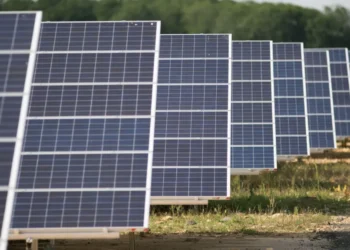 The Green Mile: Country Lane Solar Farm Set to Power 13,000 Homes
 The Sustainable Departure: Crematorium Completes £5m ‘Green’ Transformation
 The Waiting Ward: ‘Month of Worry’ as Doctor Strikes Trigger Seismic Surgery Delays
 The Pouch Peril: Dental Experts Probe the ‘Seismic’ Impact of Nicotine Pouches on Oral Health
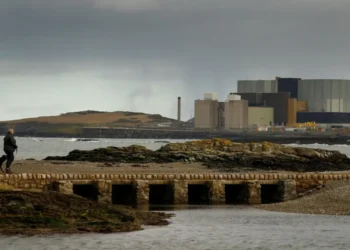 Powering the Future: Green Light for ‘Seismic’ Nuclear Project Promising 8,000 Jobs
 Community Mourns: Restaurant’s Tribute to ‘Down-to-Earth’ Founder