Published: 23 April 2026. The English Chronicle Desk. The English Chronicle Online
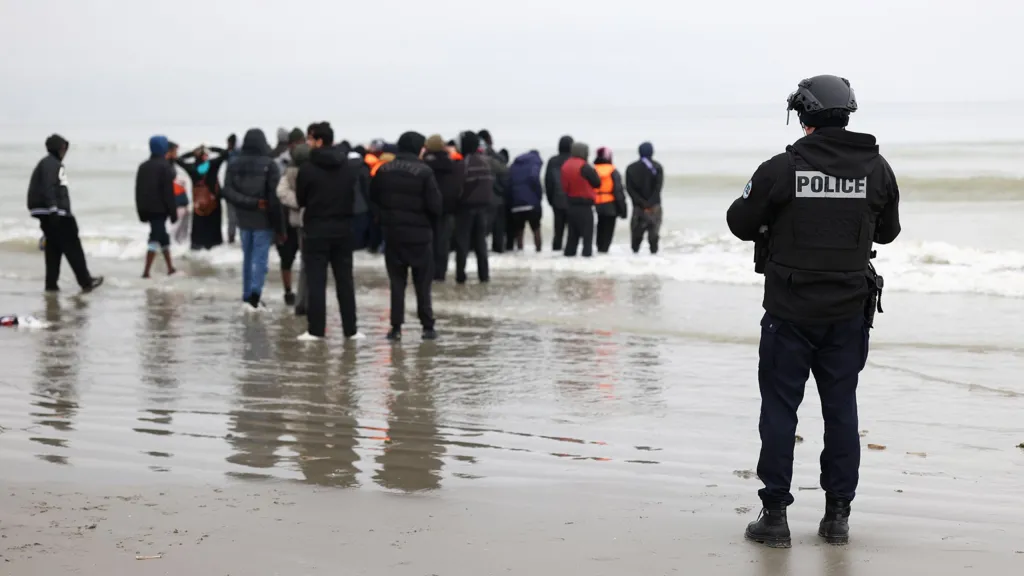
In a high-stakes move to regain control of the English Channel, the United Kingdom and France have signed a landmark three-year security agreement worth £662 million (€766 million). The deal, finalized in Paris today by Home Secretary Shabana Mahmood and French Interior Minister Laurent Nuñez, represents the most significant financial commitment to date in the ongoing battle against small boat crossings. Crucially, for the first time in the history of Anglo-French border cooperation, the funding is tied to “performance-based results,” with a significant portion of the cash withheld unless France meets specific targets for intercepting and disrupting migrant launches.

The new package replaces the previous £476 million deal struck in 2023 and comes after weeks of “hard-bargain” negotiations that saw a temporary two-month stopgap funding measure in late March. Under the terms of the new agreement, France will increase its boots on the ground by over 50%, deploying a total of 1,400 specialized officers to patrol the northern coastline by 2029. This includes a new 50-strong elite riot police unit designed to intervene in “mass-launch” attempts where smugglers often use aggressive tactics to overpower standard patrols.
The centerpiece of the 2026 deal is a “rigorous” new financial structure. Approximately 25% of the annual funding—roughly £55 million per year—will be held in an escrow-style account, to be released only if French authorities demonstrate a “sustained and measurable” increase in the interception rate of small boats.
“The British taxpayer expects results, not just promises,” Home Secretary Mahmood stated. “This deal moves us away from a blank-check policy and toward a partnership defined by efficiency and accountability. We are paying for outcomes, not just presence.”
Beyond increased personnel, the £662 million investment will fund a massive technological upgrade for French border security:
Enhanced Aerial Surveillance: The deployment of a second permanent helicopter and a fleet of long-endurance drones equipped with thermal imaging to spot “taxi boats” being hidden in dunes.
Maritime Interception: A new high-speed interceptor vessel and 20 additional maritime officers will be stationed at sea. This is a direct response to the UK’s demand for the implementation of new French maritime laws that allow police to disable inflatable boats before they pick up passengers in shallow waters.
Judicial Task Force: A joint intelligence cell will be expanded to focus specifically on the “upstream” supply chain, targeting the organized crime gangs in Germany and the Netherlands who provide the engines and rubber dinghies.
The deal arrives at a critical juncture. Despite the “one-in, one-out” returns pilot scheme introduced last August, nearly 42,000 people crossed the Channel in 2025. While French officials claim that arrivals in early 2026 have fallen by half compared to the previous year, the “amber wildfire” heatwave currently hitting the UK (April 2026) has led to fears of a surge in crossings as the seas calm.

Critics, including members of the Reform UK party, have dismissed the deal as “throwing good money after bad,” arguing that without a formal “returns agreement” that covers all arrivals, the funding will only push smugglers to use more dangerous, remote departure points. However, the government remains optimistic that the combination of increased French patrols and the “performance-linked” funding will finally break the business model of the smuggling gangs. As the first £150 million installment is prepared for transfer, the eyes of Westminster—and the world—are firmly fixed on the beaches of Calais to see if this record investment can truly turn the tide.
Related News:
 Ministers Accused of Defamation Over Palestine Action Ban and Mass Arrests
 Charlie Kirk Killing Used to Mobilise UK’s Largest Far-Right Rally in Decades
 Jailed Georgian Opposition Leaders Warn UK of Iranian Links to Ruling Party
 Shabana Mahmood Warns Border Failings Are Eroding Trust in States
 Johnson Approved China’s London ‘Super-Embassy’ in 2018
 UK and EU Signal Fresh Push for Defence Cooperation Talks
 Emails Show Epstein Funded Mandelson’s Husband After Jail
 How Much Could Andrew’s Arrest Hurt the Royal Family?
 UK Must Obey International Law Over Iran, Says Thornberry
 ‘Seismic Change’: How Nationalist Wins in Celtic Nations Could Reshape the UK
 Trump Administration Dismisses 17 Immigration Judges, Sparking Debate Over Judicial Independence
 UK Must Act with Courage and Clarity on Israel-Palestine Conflict, Says Foreign Affairs Committee Report
 Tasers Introduced in UK Prisons to Combat Rising Violence and Protect Staff
 Radioactive Leak at UK’s Nuclear Warhead Base Sparks Outcry Over Safety and Secrecy
 Mutual Inconvenience: Why Alaska Was Chosen for the Trump-Putin Summit on Ukraine
 Is the UK Ready to Put Boots on the Ground in Ukraine? Assessing Military Capacity and Challenges
 Tanni Grey-Thompson Faces Abuse Over Opposition to Assisted Dying Bill
 Protests Expected as Israeli Arms Firms Join Global Defence Trade Fair in London
 Thousands Gather in London to Protest Donald Trump’s Second UK State Visit
 Trump Urges UK to “Call Out the Military” to Secure Borders Amid State Visit
 Mahmood Pledges Reform of Modern Slavery Laws After Court Blocks Deportation Appeal
 UK Fighter Jet Purchase Could Breach Nuclear Treaty, Warns CND
 Migrants in UK May Need to Contribute or Face Removal, Home Secretary Signals
 A Third of EU Citizens in UK Report Discrimination by Public Bodies Post-Brexit
 Digital ID Plans Ignite Debate Over £600m Treasury Tax Boost and Privacy Concerns
 Public Trust in SNP Hits Historic Low Amid NHS Concerns
 Johnson Suggests Mandelson Linked to China Spy Controversy
 Rachel Reeves signals welfare reform ahead of key budget
 Kosovo agrees to host Britain’s refused asylum seekers
 British Woman in Iran ‘Losing Hope’ Amid Ongoing Detention
 French Taxi Driver Cleared in David Lammy Theft Case After Fare Dispute
 Just Stop Oil Protesters Convicted Amid Climate Defence Row
 Trump Urges Herzog to Grant Netanyahu Full Pardon
 Major Rent Reform Ends No-Fault Evictions in England
 Peers Flood Assisted Dying Bill with 942 Amendments
 US Justice Department Files Lawsuit Against California Over Partisan Voting Maps
 Trump Deploys DHS to Charlotte in Major Arrest Operation
 Peers Get Extra Time to Debate Assisted Dying Bill
 Plans to Limit Jury Trials Face Retreat After Mounting Opposition
 Starmer China visit raises human rights pressure on Beijing
 Starmer Weighs Fast-Tracking Defence Boost
 Last‑ditch Call to Save Police Front Counters in London
 Dual Nationals Face Scramble for UK Passports as New Rules Come Into Force
 Nine Arrested in France Over Death of Far‑Right Student
 Civil Service Pay: Union Urges Ministers to End ‘Barking Mad’ Limits
 Trump and Chagos Deal Rift Over Iran Strikes
 Australian PM Says Former Prince Andrew Has Suffered ‘Extraordinary Fall’ but That Won’t Prompt Republic Referendum
 Farage Chagos Islands Row Sparks Fury
 Trump Tariffs Threat Spark UK and EU Alarm
 Labour MP’s Partner Arrested on Suspicion of Spying for China
 Police Scotland Pays £8m Compensation to Staff
 Minister Meets Crews Who Will ‘Take Out’ Iranian Drones
 UK Prepares Aircraft Carrier for Middle East Crisis
 UK–US Tensions Ease as Starmer and Trump Hold First Call Since Iran Row
 Proposed Law Leaves Gap for Children of Convicted Paedophiles
 Queensland Protest Laws Spark Free Speech Backlash
 Yvette Cooper: UK Must Follow Principles, Not US Pressure
 Mandelson’s Phone Messages Requested in Files Release
 UK Forces Ready to Seize Russian Shadow Fleet Vessels
 US Lawmaker Demands Testimony Over Sarah Ferguson’s ‘Close Epstein Ties’
 The Last of the Lords: Two Hereditary Peers to Retain Ceremonial Roles Amid Historic Ousting
 ‘My Daughter is Under the Rubble’: The Human Cost of the Tehran Strikes
 ‘Eye in the Sky’ Blinded: Photos Reveal Destroyed US Radar Jet at Saudi Base
 ‘Full and Immediate Access’: Netanyahu Reverses Palm Sunday Ban on Latin Patriarch
 ‘I Was Naive,’ Says Minister Who Quit Over Labour Together Claims
 Israel Enacts Death Penalty Law for Palestinians Following 12-Hour Debate
 Net Closes on Lyons Clan: Partner Arrested in Dubai as Crime Boss Snared in Bali
 ‘A Moral Stain’: LGBT Veteran Sues MoD for £50k Following Historic Abuse Claims
 ‘The Shield of Silence’: Grooming Inquiry to Expose Officers Who Sheltered Abusers
 ‘The Falling Doctor’: Neurosurgeon Sues NHS After Hospital Lift Plunges Four Floors
 Open Justice Prevails as Court Rejects Bondi Gunman’s Family Anonymity Bid
 Report Says Pezzullo Acted ‘Recklessly’ in Dealings
 National Icon in Custody: Ben Roberts-Smith Arrested Over Alleged War Crimes in Afghanistan
 The $100 Billion Peace: Trump’s ‘Grand Bargain’ Ends Iran Conflict at a Staggering Cost
 The Prediction Prohibition: White House Staff Barred from Betting on Political Markets
 The Frozen Frontier: Why Frostbite is the Least of Concerns for Canada’s Arctic Forces
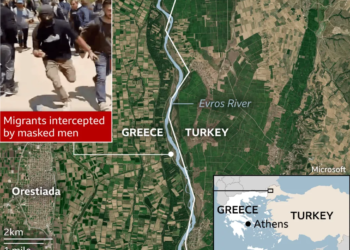 The Masked Frontier: Allegations of Greek Police Using Proxies for ‘Seismic’ Border Pushbacks
 MoD Has Lost Track of Veteran Recall List, Says Adviser
 ‘Pressured and Bypassed’: Sacked Sir Olly Robbins to Reveal ‘Toxic’ Atmosphere Behind Mandelson Appointment
 Judicial Whiplash: Virginia Court Pauses Redistricting 24 Hours After Public Vote