Published: 13 July 2026 | The English Chronicle Desk | The English Chronicle Online
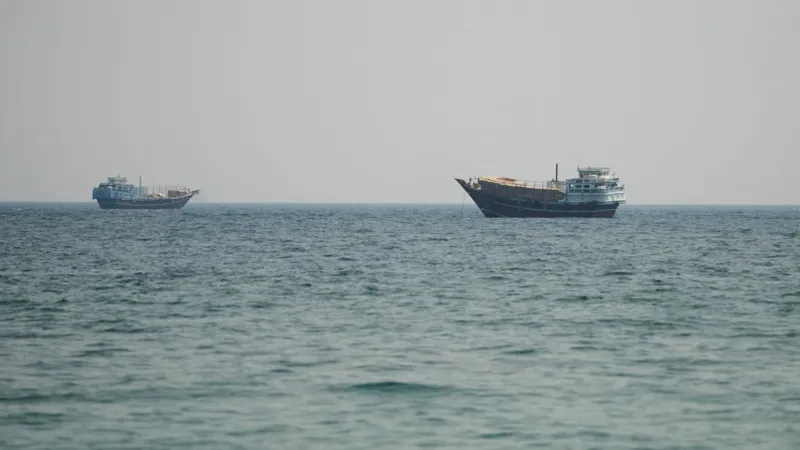
The United States and Iran have exchanged military fire in and around the strategically vital Strait of Hormuz, dramatically raising tensions in one of the world’s most important maritime corridors and prompting urgent international calls for restraint.
The latest confrontation marks one of the most serious escalations between Washington and Tehran in recent years, fuelling fears that a broader regional conflict could threaten global energy supplies, disrupt international shipping and further destabilise the Middle East.
According to statements from both governments, military forces from the two countries were involved in separate exchanges after a series of incidents involving naval vessels operating near the Strait of Hormuz. While both sides acknowledged the confrontation, they offered sharply different accounts of how the hostilities began.
US defence officials said American forces acted in self-defence after Iranian military units carried out what they described as aggressive actions against coalition vessels operating in international waters. They maintained that US personnel responded proportionately to neutralise the immediate threat while protecting freedom of navigation through one of the world’s busiest shipping lanes.
Iranian officials rejected the American account, insisting that their forces had responded to what they called violations of Iranian territorial waters and provocative military activity near the country’s coastline. Tehran accused Washington of escalating tensions through an increased military presence in the Gulf and warned that Iran would continue defending its sovereignty and maritime interests.

Neither government immediately released comprehensive casualty figures, although military officials on both sides confirmed that equipment had been damaged during the exchange. Independent verification of the competing claims was not immediately possible.
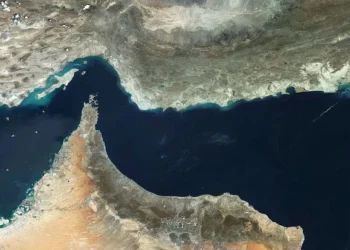
The confrontation has once again focused global attention on the Strait of Hormuz, a narrow waterway linking the Persian Gulf with the Gulf of Oman and the Arabian Sea. The passage is regarded as one of the world’s most strategically important maritime routes, with roughly one-fifth of globally traded oil and significant volumes of liquefied natural gas passing through the strait each day.
Any disruption to commercial shipping in the area has the potential to affect international energy markets, insurance costs and global supply chains.
Following reports of the military exchange, oil prices rose in international trading amid concerns that prolonged instability could interrupt tanker traffic. Shipping companies and maritime security organisations also increased monitoring of vessel movements through the region, while some operators reviewed contingency plans should the security situation deteriorate further.
The United States has maintained a significant naval presence in the Gulf for decades, arguing that its forces help ensure freedom of navigation and protect international commerce. Iran, meanwhile, considers the Gulf central to its national security and has repeatedly criticised the deployment of foreign military forces near its coastline.
Relations between Washington and Tehran have remained strained for many years, shaped by disputes over Iran’s nuclear programme, regional influence, economic sanctions and military activities. Although periods of diplomatic engagement have occurred, the relationship has frequently been punctuated by military incidents, sanctions and accusations of destabilising behaviour.
Security analysts note that the latest exchange reflects a broader pattern in which relatively localised confrontations carry the risk of escalating into wider regional crises.
The presence of multiple naval forces, commercial shipping traffic and armed proxy groups throughout the Middle East increases the possibility that isolated incidents could rapidly develop into more serious military confrontations.
Regional governments reacted cautiously to the latest developments.
Several Gulf states called for restraint and urged both Washington and Tehran to avoid actions that could threaten regional stability. Governments across the Middle East emphasised the importance of maintaining secure shipping routes and preventing further escalation.
The United Nations also appealed for calm, with senior officials encouraging renewed diplomatic dialogue to reduce tensions before the situation deteriorates further.
European governments expressed concern over the exchange, warning that continued military confrontation could have consequences far beyond the Gulf. Several foreign ministries reiterated support for diplomatic efforts aimed at preventing additional conflict while safeguarding international navigation.
Military experts say that although the latest exchange appears limited in scope, the risk of miscalculation remains significant.
Naval operations in confined waterways require constant communication and careful coordination. In an environment where opposing forces operate in close proximity, misunderstandings or unexpected incidents can quickly escalate into armed confrontations.
The Strait of Hormuz has previously witnessed similar periods of heightened tension.
Over the years, incidents involving commercial tankers, naval vessels and unmanned aircraft have periodically brought the United States and Iran close to direct confrontation. While many of those episodes ended without broader conflict, each highlighted the fragile security environment in the region.
Economic analysts are also watching developments closely.
Even temporary instability in the Strait of Hormuz can influence international commodity prices, shipping costs and investor confidence. Countries heavily dependent on imported energy may experience higher fuel prices if shipping through the Gulf becomes more difficult or expensive.
Energy companies and financial markets are therefore monitoring official statements and military developments for signs of either further escalation or diplomatic progress.
Within Washington, senior administration officials said the United States remained committed to protecting its personnel and maintaining freedom of navigation while continuing consultations with regional allies.
Iranian leaders, meanwhile, reiterated that their armed forces would continue responding to what they consider foreign threats near Iranian territory.
Despite the exchange of fire, diplomatic observers note that both governments have so far avoided language suggesting an immediate desire for full-scale military confrontation.
Analysts believe this may indicate that neither side wishes to see the situation develop into a wider war, although they caution that further incidents could quickly alter the strategic picture.

International mediators are expected to intensify efforts to encourage communication between the two governments in the coming days.
Diplomatic channels, whether direct or through intermediary states, have historically played an important role in preventing isolated military incidents from evolving into prolonged conflicts.
As military forces remain on heightened alert throughout the Gulf, commercial shipping continues under increased security precautions.
The coming days are likely to prove critical in determining whether the latest confrontation remains an isolated incident or becomes the beginning of a broader regional crisis.
For the international community, the priority remains clear: preventing further violence, protecting one of the world’s most important trade routes and encouraging renewed diplomatic engagement before tensions spiral beyond control.
Related News:
 US Awaits Iran Reply on New Ceasefire Proposal
 Hormuz Talks Near Critical Stage
 Trump Administration Probe of Fed’s Powell Draws Pushback
 Japan Braces as Takaichi Begins New Term with Huge Mandate for Low‑Tax, Ultra‑Conservative Agenda
 US and Indonesia Finalise Deal to Cut Tariffs to 19%
 Gulf Oil Shock Sends Global Economic Ripples
 Iran Rejects Ceasefire, Warns Trump With Chilling Message
 Trump Faces New Warning Signs as Iran War Hits Home
 The Horns of Dilemma: Why the 2026 Iran War Ignited and Where It Goes Next
 Tectonic Tension: Trump Blasts NATO Costs as Rutte Admits to ‘Very Frank’ Exchange
 Midnight Fire: Israel and Hezbollah Exchange Strikes as Trump Lashes Out at Tehran
 Southeast Asia Turns to Russia Amid Energy Crisis
 Trump approval plunges amid Iran war fears
 Trump Threatens UN Budget Cuts as US Pushes ‘Trade Over Aid’ Agenda
 Trump-Netanyahu Call Fuels Iran Talk Crisis
 Xi Jinping to Make Rare North Korea Visit
 Bangladesh Balances China Ties as India Relations Improve
 Why Some African Nations Are Rejecting Trump Aid
 Trump’s New Vision for 250 Years of US Expansion
 Modi’s London Visit Seals Historic UK-India Trade Pact Amid Global Tensions
 Canada Passes Carney’s First Budget in Tight Parliamentary Vote
 India’s Labour Law Overhaul Sparks Fierce Debate
 Russia losses Ukraine war peace talks intensify amid rising deaths
 Trump Escalates Minnesota Immigration Surge Amid Rising Tensions
 Trump Threatens Strong Action If Iran Executes Protesters
 Trump Receives Machado’s Nobel Medal in White House Meeting
 EU Says US Ties Have Suffered ‘Big Blow’ After Greenland Crisis
 Trump Praises ‘Terrific’ Petro After White House Talks
 Fears of New Arms Race as US-Russia Nuclear Weapons Treaty Expires
 After the Landslide: Can India Reset Ties with BNP Bangladesh?
 Stephen Colbert Says CBS Spiked Interview With Democrat Over FCC Fears
 South Korea’s Ex-President Faces Death Penalty in Insurrection Trial
 US Will Not Back Out of Tariff Deals with UK and Others, Says Trump Trade Representative
 Bill Gates ‘Took Responsibility’ Over Epstein Ties in Staff Meeting, Foundation Says
 American Citizen Killed in Cuba Boat Shooting, U.S. Officials Say
 Hopes and Fears as US Iranians Take to Streets After Toppling of Supreme Leader
 Could Kim’s Teen Daughter Become North Korea’s Next Leader?
 Iran, the US, and a World Cup That Starts in Three Months
 Trump Faces Questions Over Iran Conflict Plan
 US Senate Backs Trump War Powers Amid Iran Missile Barrage
 Nepal Holds First General Election Since Gen Z Protests Toppled Government
 US Senate Vote Fails to Rein in Trump War Powers on Iran
 UK Prepares Aircraft Carrier for Middle East Crisis
 Pete Hegseth Iran War Remarks Spark Alarm
 China Moves to Enshrine ‘Ethnic Unity’ Law
 Iran War Puts Trump at Political Risk Amid Rising Prices
 US Says 16 Iranian Mine Ships Destroyed in Hormuz
 Point-Blank Gunshot Misses Indian Politician
 Trump’s Confidence Undimmed — But Every Iran Option Carries Risk
 Sri Lanka Sets Weekly Shutdown to Save Fuel
 Can Congress Stop US Sports Teams From Moving Cities?
 Oil and Diplomacy: Russian Refineries Burn as Zelenskyy Secures Middle East Shield
 “A Perfect Storm”: UK Small Businesses Face Doubling Energy Bills as Iran War Rattles Markets
 The $100 Billion Peace: Trump’s ‘Grand Bargain’ Ends Iran Conflict at a Staggering Cost
 ‘No Gas, No Food’: LPG Shortage Triggers Reverse Migration in Indian Metros
 The Great Chokehold: Why the Strait of Hormuz is the Epicenter of the 2026 Crisis
 The Prediction Prohibition: White House Staff Barred from Betting on Political Markets
 Relief at the Pump: Irish PM Unveils €505m Package to Stem Fuel Crisis
 Diplomatic Deadlock: Lebanon Enters High-Stakes Border Talks with ‘No Cards to Play’
 The Fog of War and the Ticker Tape: Suspicious Trades Rile Washington
 Brinkmanship in Islamabad: Tehran Vows ‘New Battlefield Cards’ as Ceasefire Wanes
 Red Lines in Ottawa: PM Carney Insists US “Won’t Dictate Terms” of Trade Review
 “Industrial-Scale Extraction”: White House Memo Accuses China of Mass AI Theft
 Return of the “Skiffs”: Threat Level Raised as Somali Pirates Seize Second Vessel in a Week
 US Calls Australia Media Law “Foreign Extortion”
 Capitalism ‘Suicidal’, Warns Petro at Climate Summit
 “Grounded”: Beijing Implements Total Ban on Drone Sales Citing Capital Security
 The $126 Spike: Oil Hits Four-Year High as Trump Weighs “Powerful” New Iran Strikes
 US Court Restores Abortion Pill Access Temporarily
 Tensions Emerge in Netanyahu-Trump Alliance
 Discontent grows around Putin amid war strain
 Zelensky Invites Putin to Direct Peace Talks
 Trump Approves $700m Coal Industry Investment
 Israel Strikes Iran After Missile Attack
 Xi Arrives in North Korea for Rare Summit
 Drone Attacks Overshadow Russia Economic Forum
 Trump Helps Clear Balogun for Belgium World Cup Clash
 Trump’s Major Recruitment Drive Targets Border Patrol Growth
 Trump Refuses to Sign Housing Bill, But Law Takes Effect
 Venezuela Quake Death Toll Surpasses 4,000