Published: 03 August 2026 | The English Chronicle Desk | The English Chronicle Online
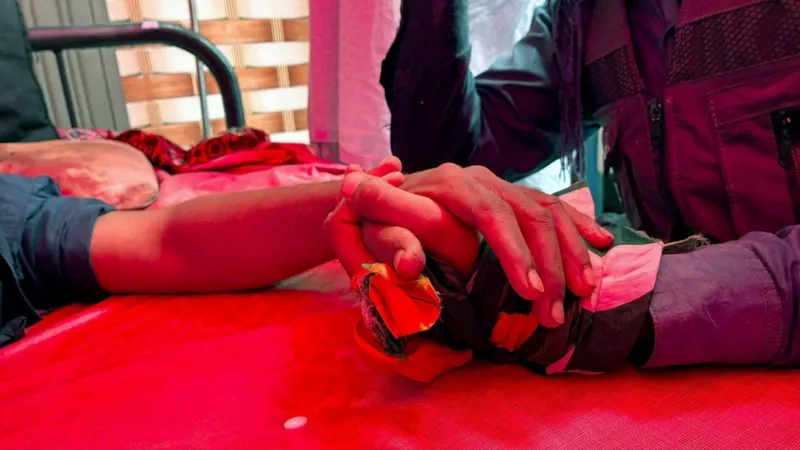
A mother grieving the death of her only son has spoken of her heartbreak after he was killed during violent protests in Pakistan-administered Kashmir, where demonstrations have shaken communities and raised serious questions over security measures, public anger and political tensions.
The protests, which have resulted in multiple deaths and injuries, have gripped parts of the region as residents express frustration over economic pressures, governance issues and demands for greater attention from authorities.
For families who have lost loved ones, the unrest has become a deeply personal tragedy. Many say they are seeking justice, accountability and answers about how peaceful demonstrations turned into deadly confrontations.
The mother of the young man killed during the protests said her son was standing up for what he believed was right when he was shot.

Describing the loss as devastating, she said her family had lost its future and that her son’s death had left a permanent void.
Like many families affected by unrest, she wants an independent investigation into the circumstances surrounding the shooting and accountability for those responsible.
Her testimony reflects the wider grief felt across communities where protests have transformed daily life and left families mourning.
The demonstrations erupted amid growing public frustration over a range of issues affecting residents in Pakistan-administered Kashmir.
Protesters have raised concerns about economic hardship, shortages, government policies and demands for improved public services.
Large gatherings have taken place in several areas, with thousands of people joining demonstrations calling for action from authorities.
While many protesters have described their movement as a peaceful campaign for rights and better living conditions, clashes between demonstrators and security forces have resulted in violence.
The situation has created uncertainty across the region, with businesses affected and normal activities disrupted.
Authorities have defended their response, saying security forces acted to maintain public order and prevent violence.
Officials have accused some groups of escalating tensions and damaging property during demonstrations.
However, protesters and their supporters argue that excessive force was used against civilians exercising their right to demonstrate.
The disagreement over what happened during confrontations has become one of the central issues driving public anger.
Human rights groups have called for restraint from all sides and urged authorities to ensure that security responses comply with legal standards.
Pakistan-administered Kashmir has long faced economic challenges, including limited employment opportunities, infrastructure concerns and reliance on external financial support.
Many young people in the region have expressed frustration over a lack of opportunities and difficulties building secure futures.
Rising living costs and economic uncertainty have added to public dissatisfaction.
Residents say that political promises have not always translated into improvements in everyday life, contributing to growing frustration.
Analysts suggest that economic concerns have become an important factor behind recent protests.
For relatives of those killed, the immediate concern is justice.
Families say they want clear information about how their loved ones died and whether those responsible will face consequences.
The mother who lost her son said his death should not be ignored and that authorities must recognise the suffering experienced by ordinary people.
Other families affected by the violence have made similar appeals, calling for investigations and compensation.
The deaths have intensified calls for dialogue between government representatives and community leaders.
The unrest highlights longstanding political challenges in Pakistan-administered Kashmir.
The region has a complex political status and has experienced periods of tension over governance, representation and economic development.
Although it has its own elected institutions, many residents have continued to demand greater political and economic empowerment.
Political parties and activists have used the protests to highlight concerns about local decision-making and government accountability.
The demonstrations have also drawn attention from national political figures in Pakistan.
Human rights organisations have expressed concern over reports of deaths and injuries during the protests.
They have called for transparent investigations into incidents involving security forces and protesters.
International rights groups often emphasise that governments have a responsibility to protect public safety while respecting freedom of expression and peaceful assembly.
The latest unrest has renewed debate over how authorities should respond to large-scale demonstrations.
Experts say maintaining public order and protecting civil liberties require careful balance, especially during periods of political tension.
The protests have affected ordinary life across parts of the region.
Road closures, strikes and disruptions have made travel difficult and affected businesses.
Schools and workplaces in some areas have faced interruptions as communities respond to the unrest.
For residents, the uncertainty has created anxiety about what may happen next.
Many people are calling for calm and meaningful negotiations to prevent further violence.
Community leaders and political representatives have urged authorities and protesters to engage in dialogue.
They argue that addressing the underlying causes of dissatisfaction is necessary to prevent repeated cycles of unrest.
Experts say short-term security measures alone are unlikely to resolve deeper economic and political concerns.
Instead, they suggest that long-term solutions require investment, institutional reform and greater public participation in decision-making.
The protests in Pakistan-administered Kashmir are being closely watched because of the region’s broader geopolitical importance.
Kashmir has been divided between India and Pakistan for decades, with both countries claiming the territory in full.
Although the current protests are focused largely on local issues, developments in the region often attract wider attention due to its sensitive political history.
Observers say maintaining stability remains important not only for local communities but also for regional relations.
For families who have lost loved ones, political debates and wider strategic concerns are secondary to personal grief.
The mother mourning her son says her priority is ensuring that his death leads to accountability and that others do not experience the same pain.

Her story represents the human cost of political unrest, where ordinary people often suffer the greatest consequences.
As authorities and community leaders seek a way forward, families affected by the violence continue to demand answers.
The deadly protests in Pakistan-administered Kashmir have exposed deep frustrations over economic hardship, governance and public trust.
Behind the political arguments are families mourning those who lost their lives, including a mother who says her only son was killed while standing up for justice.
As calls grow for investigations, accountability and dialogue, the challenge for authorities will be addressing public concerns while restoring calm and preventing further loss of life.
The events serve as a reminder that unresolved social and political pressures can quickly escalate, leaving communities to bear the consequences for years to come.
Related News:
 China Moves to Enshrine ‘Ethnic Unity’ Law
 Anti-Regime Iranians Turn Anger Toward Trump
 ‘I Am Still Alive’: Indian Activist on 26-Day Hunger Strike Loses 11kg
 Aung San Suu Kyi Seen Healthy in First Confirmed Contact After 2.5 Years
 Britain Demands Israel Reverse Ban on Aid Groups
 Iran Leader Blames Protesters, Says They Serve Trump
 Calls Grow for King Charles to Apologise for Crown’s Role in Slavery
 Files Link Andrew to Epstein Dinner After Prison Release
 Emails Show Epstein Funded Mandelson’s Husband After Jail
 Labour Attacks Reform Candidate Over Tommy Robinson Backing
 After the Landslide: Can India Reset Ties with BNP Bangladesh?
 China Strikes at Japan’s Core — Will PM Takaichi Back Down?
 Bangladesh’s New Prime Minister to Be Sworn In After Historic Election Win
 The Martin Luther King Protégé Who Helped Reshape America
 Japan Braces as Takaichi Begins New Term with Huge Mandate for Low‑Tax, Ultra‑Conservative Agenda
 South Korea’s Ex-President Faces Death Penalty in Insurrection Trial
 Kim Jong Un Reappointed as Ruling Party Chief
 Duterte Refuses to Attend ICC Pre-Trial Hearing Over ‘Drug War’ Case
 ‘Anyone who runs is shot’: Russian soldiers describe killings of troops who refuse orders
 Japan to Deploy Missiles on Island Near Taiwan by 2031
 Brazilian Politician Brothers Sentenced for Marielle Murder
 Nine Killed in Karachi Consulate Protest
 Could Kim’s Teen Daughter Become North Korea’s Next Leader?
 Nepal Holds First General Election Since Gen Z Protests Toppled Government
 Nepal Election 2026: When Will We Get the Results?
 Iran War Raises Questions Over China’s Global Plan
 Sri Lanka Takes Control of Second Iranian Vessel a Day After US Sub Attack
 Benefits Cut for Mother and Baby Home Survivors
 Australia Urged to Shield Iranian Team After Anthem Protest
 Istanbul Mayor Faces Corruption Trial Amid Political Storm
 Gulf Oil Shock Sends Global Economic Ripples
 Nepal Election 2026: Balendra Shah’s Party Nears Historic Supermajority
 Iranian Footballers Escape Team Hotel to Seek Asylum
 Iran Women Footballers Seek Asylum After Anthem Protest
 Middle East crisis live: Supreme leader ‘safe’, Iran and Israel escalate conflict
 Point-Blank Gunshot Misses Indian Politician
 China Approves ‘Ethnic Unity’ Law Requiring Minorities to Learn Mandarin
 Sri Lanka Sets Weekly Shutdown to Save Fuel
 Slovenia Election: A Nation at a Crossroads
 Nepal to swear in ex-rapper as new prime minister
 A Global Voice For Justice: Stephen Lewis Dies At Age 88
 “Humanitarian Gesture”: Cuba Pardons 2,010 Prisoners as Trump’s “Maximum Pressure” Peaks
 Nepal Gen Z Protests Succeed, Bangladesh Struggles
 A Bridge to Peace? Taiwan’s Opposition Leader Lands in China
 Philippines Accuses Chinese Fishermen of Cyanide Dumping
 Southeast Asia Turns to Russia Amid Energy Crisis
 “Humanitarian Concern” or Political Shield? Aung San Suu Kyi Moved to House Arrest Amidst Civil War
 “An Endurance Test for the Mind”: British Couple Sentenced to 10 Years in Tehran
 Asylum deal sparks fears over Syria deportations
 UK may ban protests amid rising antisemitism fears
 Australia pushes Pacific security pact amid China tension
 BJP Sweeps West Bengal in Historic Breakthrough
 US Awaits Iran Reply on New Ceasefire Proposal
 Immigration Judges Fear Pressure in Trump Era
 One Nation Stuns Australia With Historic Farrer Win
 US green card applicants must apply from abroad, DHS says
 Hormuz Talks Near Critical Stage
 China mine blast death toll rises to 90
 Discontent grows around Putin amid war strain
 Former ICC prosecutor condemns US sanctions
 Trump-Netanyahu Call Fuels Iran Talk Crisis
 Israeli Strikes Kill 11 in Gaza City
 Xi Arrives in North Korea for Rare Summit
 Why Xi’s North Korea Visit Matters Now
 Hundreds Freed in Major Operation Against Boko Haram Stronghold
 “What If All Cockroaches Came Together?” Youth Movement Gains Momentum in Indian Politics
 “No Electricity, No Gas, No Sleep” — Cubans Struggle Amid Prolonged Power Outages
 Political Pressures Mount as Senior Indian Female Leader Struggles to Hold Party Together
 US Supreme Court Blocks Trump Bid to End Birthright Rights
 China Missile Test Raises Pacific Security Concerns
 Bangladesh Balances China Ties as India Relations Improve
 Punjab’s Anti-Sacrilege Law Triggers Political Debate
 Dreyfus Statue Finally Gets Permanent Paris Home
 Venezuela Quake Death Toll Surpasses 4,000
 Indian Police Crack Down on ‘Cockroach’ Protesters as Young Activists Respond With Memes
 India’s Youth Revolt Challenges Modi Government
 Bangladesh President to Step Down After Political Shift
 Pradhan Resigns Amid Protests
 India’s Gen Z Protest Movement Enters a New Phase
 US and Iran Pause Strikes as Diplomatic Talks Loom