Published: 05 December 2025. The English Chronicle Desk. The English Chronicle Online
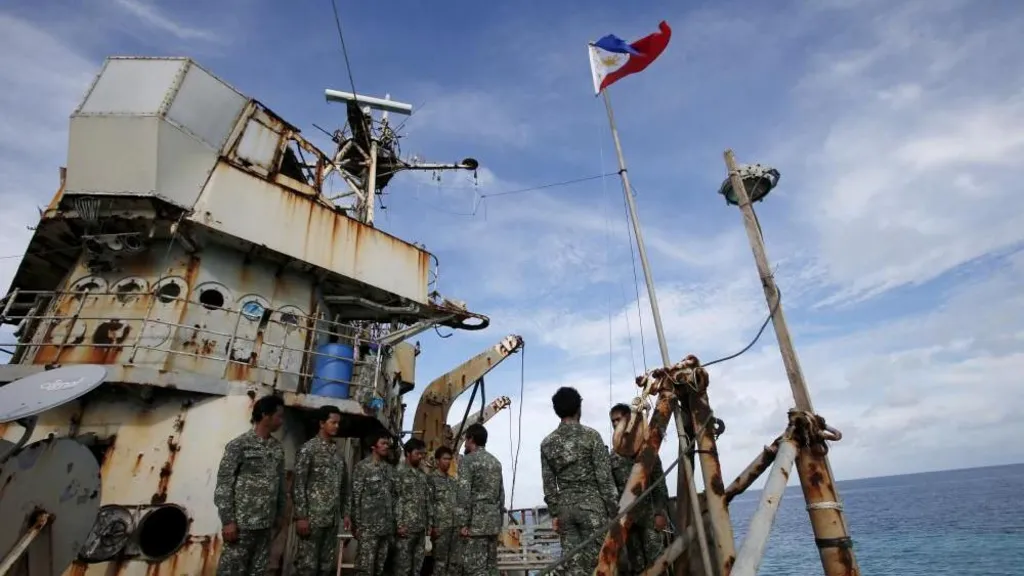
The Philippine government has launched a scathing formal accusation against Chinese fishing fleets, alleging that they have deliberately used cyanide to destroy coral reefs within the South China Sea. The Bureau of Fisheries and Aquatic Resources (BFAR) presented detailed environmental reports and satellite imagery to suggest that the toxic chemical is being deployed in the disputed waters of Scarborough Shoal. According to Philippine authorities, the primary objective behind this practice is not only to increase fish hauls by stunning marine life but also to systematically damage the ecological foundations of the area, effectively preventing Filipino artisanal fishermen from operating in their traditional fishing grounds.

The use of cyanide in fishing is a highly destructive method that involves squirt bottles of the poison being sprayed into reef crevices to paralyze fish for easier capture. However, the environmental fallout is catastrophic, as the chemical kills the delicate coral polyps that form the backbone of the marine ecosystem. Philippine security officials have labeled these actions as a form of “environmental warfare,” suggesting that the degradation of the reefs is a strategic move to solidify maritime territorial claims. By rendering the waters barren, the incentive for local Philippine fishing communities to frequent the area diminishes, potentially allowing foreign vessels to occupy the space without civilian interference.
The allegations have sparked a heated diplomatic row between Manila and Beijing, further straining a relationship already marred by frequent maritime skirmishes and water cannon incidents. The Philippine Coast Guard has increased its patrols in the West Philippine Sea, documenting what it describes as “scarred landscapes” beneath the surface where vibrant coral colonies once thrived. Divers and marine biologists working with the Philippine government have collected water and tissue samples that allegedly show elevated levels of chemical toxins consistent with industrial-grade cyanide. These findings have been submitted to international maritime bodies as part of a growing dossier on ecological crimes in the region.
China’s foreign ministry has dismissed the claims as “baseless and malicious,” asserting that its fishing fleets operate in accordance with international laws and internal conservation standards. Beijing has countered by accusing the Philippines of politicizing environmental issues to gain leverage in the ongoing territorial disputes. Despite these denials, independent regional environmental groups have expressed deep concern over the long-term viability of the South China Sea’s biodiversity. They warn that the destruction of these reefs could lead to a total collapse of local fish stocks, which are a vital source of protein and income for millions of people across Southeast Asia.

The international community has begun to weigh in on the crisis, with several nations calling for an independent, UN-led environmental audit of the disputed shoals. Legal experts suggest that if the accusations are proven, the Philippines could seek reparations through international tribunals under the United Nations Convention on the Law of the Sea (UNCLOS). As the war of words intensifies, the immediate victim remains the marine environment. The destruction of these reefs is often irreversible, taking decades or even centuries to recover. For the fishermen who rely on these waters, the silent death of the coral represents a permanent loss of their heritage and their livelihood, turning a geopolitical struggle into a profound ecological tragedy.
Related News:
 After the Landslide: Can India Reset Ties with BNP Bangladesh?
 China Strikes at Japan’s Core — Will PM Takaichi Back Down?
 Bangladesh’s New Prime Minister to Be Sworn In After Historic Election Win
 Brace for Trump’s Brave New World of 1.7°C Global Warming
 Japan Braces as Takaichi Begins New Term with Huge Mandate for Low‑Tax, Ultra‑Conservative Agenda
 South Korea’s Ex-President Faces Death Penalty in Insurrection Trial
 Kim Jong Un Reappointed as Ruling Party Chief
 The Taekwondo Teacher Tasked With Healing India’s Troubled State
 Japan to Deploy Missiles on Island Near Taiwan by 2031
 Scotland’s Climate Plans Face Scrutiny Over ‘Science Fiction’ Targets
 Nine Killed in Karachi Consulate Protest
 Could Kim’s Teen Daughter Become North Korea’s Next Leader?
 Rap Star May Beat Ex‑PM — What This Says About Nepal’s Gen Z
 Nepal Leaders Call on Voters to Ensure Success of ‘Historic’ Election
 Nepal Holds First General Election Since Gen Z Protests Toppled Government
 Nepal Election 2026: When Will We Get the Results?
 Iran Drones Hit Azerbaijan Airport as War Widens
 Iran War Raises Questions Over China’s Global Plan
 Sri Lanka Takes Control of Second Iranian Vessel a Day After US Sub Attack
 Nepal election 2026: Rapper Balendra Shah on track to be next PM as his party heads for landslide
 China Moves to Enshrine ‘Ethnic Unity’ Law
 Gulf Oil Shock Sends Global Economic Ripples
 Nepal Election 2026: Balendra Shah’s Party Nears Historic Supermajority
 China’s Biggest Political Meeting Ends — Key Takeaways
 Point-Blank Gunshot Misses Indian Politician
 Anti-Regime Iranians Turn Anger Toward Trump
 Pakistan Denies Air Strike on Afghanistan Hospital That ‘Killed 400 People’
 Sri Lanka Sets Weekly Shutdown to Save Fuel
 Nepal to swear in ex-rapper as new prime minister
 Ex-Taiwan Presidential Hopeful Sentenced to 17 Years
 Nepal Gen Z Protests Succeed, Bangladesh Struggles
 A Bridge to Peace? Taiwan’s Opposition Leader Lands in China
 The ‘Pakistan Protocol’: How Islamabad Pulled the World Back from the Brink
 Victory or Compromise? Tehran’s Streets Erupt in Mixed Emotion Following Ceasefire
 Moldova River Crisis Exposes War’s Hidden Cost
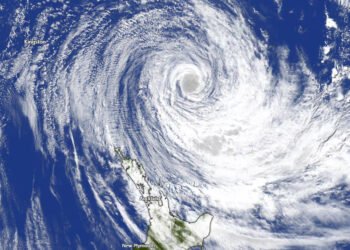 Cyclone Vaianu Forces Mass Evacuations in New Zealand
 UK Must Act with Courage and Clarity on Israel-Palestine Conflict, Says Foreign Affairs Committee Report
 The Fight for Trans Safety Is a Fight for Everyone’s Safety — MPs Must Debate This Crucial Issue
 Rylan Clark Criticizes UK Immigration Policies on This Morning, Sparking Public Debate
 Tanni Grey-Thompson Faces Abuse Over Opposition to Assisted Dying Bill
 Nigel Farage Unveils Controversial Immigration and Welfare Plans at Reform UK Press Conference
 Yvette Cooper Signals Global Momentum Towards Gaza Peace Deal Amid Humanitarian Crisis
 UK border officers deployed to Balkans to tackle migrant smuggling
 UK MPs warn of repeat riots over online misinformation
 Russia’s Latest Push to Win US Favors Shows Deep Desperation
 Trump’s UK Ambassador Urges North Sea Drilling to Strengthen US Ties
BBC to Apologise Over Edited Trump Speech Amid Backlash
Trump’s UK Ambassador Urges North Sea Drilling to Strengthen US Ties
BBC to Apologise Over Edited Trump Speech Amid Backlash
 Shadow Fleet at Sea: Europe’s Battle Against Illicit Oil Shipping
 Starmer Says Labour’s Economic Plan Needs Years to Deliver
 Khaleda Zia Death in Bangladesh: First Female PM Dies at 80
 US Senate rejects resolution limiting Trump military powers
 No Gas Boiler Ban as UK Warm Homes Plan Backs Heat Pumps
 Sussan Ley leadership milestone shakes Liberal future
 Police response times face strict new national limits
 South Africa’s Garden Route Gem Faces Looming Water Crisis
 Draft Severe Weather Plan Following Storm Flooding
 Australia’s Opposition Coalition Reunites After Rift
 ‘Trump Will Be Gone in Three Years,’ Top Democrats Tell Europe
 Could Manchester Lead the UK’s Economic Revival?
 Australian Families Leave Syrian Camp for Home
 Civil Service Pay: Union Urges Ministers to End ‘Barking Mad’ Limits
 How Do You Modernise Mango Farming? India’s Growers Urged to Innovate as Climate Change Hits
 Ukraine Negotiator Reveals What It Feels Like Facing Russia
 Russian Trade Routed Through British Islands Exposed
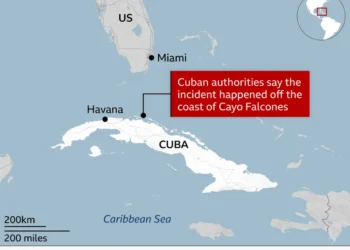 American Citizen Killed in Cuba Boat Shooting, U.S. Officials Say
 Iran’s Regime Still Intact — Coming Days Will Test Its Survival
 Finland Plans to Lift Decades‑Old Ban on Hosting Nuclear Weapons
 Queensland Protest Laws Spark Free Speech Backlash
 Trump Nato threats expose Iran strategy vacuum
 NHS Satisfaction Rises for First Time Since 2019
 Trump Facing Backlash from Epstein Survivors Over Files
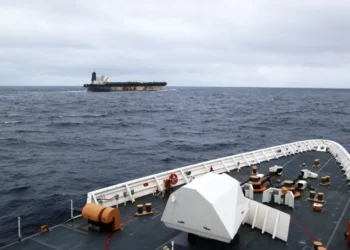 UK Forces Ready to Seize Russian Shadow Fleet Vessels
 US Lawmaker Demands Testimony Over Sarah Ferguson’s ‘Close Epstein Ties’
 Trump Considers Military Operation to Seize Iran’s Uranium
 The 8 Million Dilemma: Why Britain’s Disability Safety Net is Facing a ‘2026 Reckoning’
 Report Says Pezzullo Acted ‘Recklessly’ in Dealings
 Oil and Diplomacy: Russian Refineries Burn as Zelenskyy Secures Middle East Shield
 Asian Powers Secure Energy Lifelines as Trump’s Hormuz Deadline Looms
 Starmer visits Gulf as US and Iran agree ceasefire
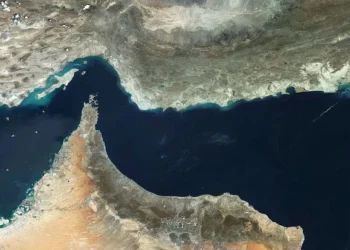 The Great Chokehold: Why the Strait of Hormuz is the Epicenter of the 2026 Crisis