Published: 26 January 2026. The English Chronicle Desk. The English Chronicle Online.
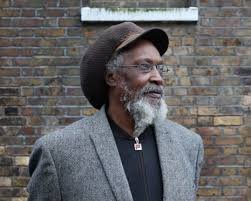
A Windrush homeless man has been left destitute despite living in the UK for decades, highlighting systemic failures. George Campbell, 69, arrived from Jamaica as a child and has spent months living in a bus shelter in east London. Without paperwork proving his legal status, he was denied state-funded homelessness support and relied on charities and food banks. Campbell’s case underscores that even decades after the Windrush scandal, individuals still face hardship due to bureaucratic delays and hostile immigration policies.
Campbell joined his mother in London during the mid-1960s at the age of nine. He avoided seeking help from authorities because of fear stemming from experiences in his community, where some families had been wrongly deported. Past applications for housing support had been rejected, reinforcing his reluctance to engage with public services. His story exemplifies the ongoing plight of the Windrush homeless, who remain vulnerable despite lifelong contributions to British society.
After a hospital stay in May for undiagnosed diabetes, Campbell’s situation deteriorated. Discharged without sufficient support, he stayed briefly in a hotel before running out of funds and sleeping at Walthamstow bus station. Over his adult life, he worked in multiple industries including construction, transport, and brewing. Despite paying taxes, his application for a state pension was denied, illustrating systemic failure and the precarity faced by the Windrush homeless population.
Although the Home Office’s Windrush unit was notified of Campbell’s case in October, it took months for officials to grant him indefinite leave to remain. He continues to live in a night shelter while awaiting approval of his British citizenship under the Windrush scheme. Charity workers and council staff were essential in supporting him, demonstrating how voluntary sectors fill gaps left by government inaction.
 MP Stella Creasy and Waltham Forest council staff helped expedite his case, expressing frustration at the prolonged delays. Advocates warn that upcoming immigration changes could further expose vulnerable groups to legal limbo. Campaigners are lobbying for an independent public inquiry into Windrush-related issues, citing Campbell’s case as evidence of continued systemic failures.
Alice Giuliato, head of services at the Refugee and Migrant Forum of Essex and London, said the hostile environment policy continues to harm ethnic minority residents, emphasizing that citizenship approval must be prioritised to prevent further harm to the Windrush homeless. The Home Office stated it is working with Campbell’s representatives to resolve housing issues, while the council is conducting a homelessness assessment to explore proper accommodation.
Campbell’s words reflect both frustration and belonging: “It’s hard to understand why it is taking so long to sort out. I was schooled here, my children and grandchildren grew up here, my great-granddaughter is here. I’m part of this country.” His story reminds the UK that decades after the Windrush scandal, serious injustices still affect those who built their lives here.
Related News:
 Peterborough Mosques Tighten Security After Attack
 Reeves Faces Setback as Labour May Miss Homes Target
 Hospice Cuts Raise Alarm Across England Amid Funding Crisis
 UK Woman Loses Child Benefit After Booking Flight She Never Took
 Kate Winslet to Narrate Film Highlighting King’s Environmental Mission
 Green Party Surges Past Labour in Latest UK Poll
 Trump’s UK Ambassador Urges North Sea Drilling to Strengthen US Ties
 Children to Learn Local History in Major Curriculum Overhaul
 Granit Xhaka Rescue Earns Everton Draw at Sunderland
 French Taxi Driver Cleared in David Lammy Theft Case After Fare Dispute
 The Lowry Hotel: Manchester’s Iconic Five-Star Retreat
 UK Bans Fake Numbers: Scammers Lose Their Trick
 Prince William Plants Trees with Brazil’s Nature Heroes
 M&S Profits More Than Halve After Cyber-Attack
 Just Stop Oil Protesters Convicted Amid Climate Defence Row
 Kent village told to remove flags before Christmas lights go up
 Tony Blair think tank warns Rachel Reeves must cut taxes if manifesto broken
 Patients to Test Health at Home to Ease NHS Winter Pressure
 Bellingham has ‘the edge’ among England No 10s
 King Charles to Lead Nation in Remembrance Sunday Service
 How to get help when a child goes missing – call 999 urgently
 Palace May Restore Hyphen to Andrew Mountbatten-Windsor’s Name
 Millionaires group urge Reeves to introduce wealth tax to ‘lift kids out of poverty’
 Starmer Faces Growing Dissent as Labour MPs Weigh Leadership Challenge
 Shouting Works Best to Deter Gulls, UK Study Finds
 Mary Earps’s Manchester United Return Faces Mixed Reception
 Reeves rejects £1bn plea for NHS redundancy payouts
 Northern Lights may illuminate UK skies this week
 PM Condemns Leaks, Vows Loyalty to Ministers and Stability
 Son Reveals UK Couple in Iran Resort to Hunger Strike for Help
 Major Rent Reform Ends No-Fault Evictions in England
 Peers Flood Assisted Dying Bill with 942 Amendments
 Former Lion Heskey Warns of Shortage of England Strikers
 Global markets drop amid tech sell-off and China slowdown
 Criminal Gangs Pose as Truckers to Hijack UK Supply Chains
 Mum Calls for New Licence Rules After Teen Road Death
 Stroke Patient Mistaken for Drunk, Care Delayed
 Mother Watches in Horror as Teen Daughter Dies on Tracks
 Van Dwellers Face Eviction After Park Misuse Sparks Outcry
 ‘Traumatic Wait’: Northern Ireland Women Face Breast Cancer Delays
 Serial Rapist and Former Cop Found Guilty Again
 Royal Navy Shadows Russian Warships Entering the Channel
 Coffins Now Too Large to Cremate Amid Rising Obesity Crisis
 Inside the Helpline Protecting Missing Children in the UK
 Most Tories Expect to Support a Farage-Led Government
 Boots Showstopper Beauty Bundle Outshines Many Advent Calendars This Holiday Season
 Bill Murray Terrified Wes Anderson but Became His Closest Collaborator
 Labour’s ‘blinkered’ drive to build risks pushing wildlife to point of no return, nature experts warn
 Labour MP claims devolution bill is ‘blatant discrimination’ against Cornwall
 PlayStation PS5 Deals Hit Lowest Prices Ahead of Black Friday
 Karen Carney Stuns on Blackpool Week, Deserves Strictly Final
 Millions Face Higher Taxes Under Reeves New Budget
 Five-Year-Old Dies After Rare Tonsil Surgery Complication
 Fibromyalgia Patients Struggle as NHS Fails to Provide Care
 Search underway for British man overboard off Tenerife
 Starmer Says Labour’s Economic Plan Needs Years to Deliver
 Virgin Media Fined £23.8m Over Telecare Safety Failures
 More Patients Now Contacting GPs Online, Data Shows
 Rising Water Bills Lift Troubled Thames Back to Profit
 UK unemployment rises to four-year high of 5.1% before budget
 Culture secretary to review Telegraph takeover by Daily Mail owner
 Wiltshire Police Use Lasso to Catch Rampaging Village Goat
 Prince George Helps Father at London Homelessness Charity
 Children to Receive Home Vaccines as England Acts
 Protest Rights Under Threat Across England and Wales
 Cambridge College Faces Backlash Over Private School Recruitment
 NHS Violence Crisis: Staff Face Daily Assaults
 Celebrity Campaign Highlights SMA Screening Failures
 Bereaved Fathers Gain New Paternity Leave Rights in UK
 Storm Goretti leaves Cornwall homes without power
 New Documentary Examines Teen’s Zombie Knife Murder
 Woman Jailed for Life After Killing E-Bike Rider in Tragic Mistaken Identity Case
 Right Must Unite After Jenrick Defection, Urges Rees-Mogg
 UK Ministers Drop Foreign Student Targets for Global Education Push
MPs warn AI financial risks threaten UK stability
UK Ministers Drop Foreign Student Targets for Global Education Push
MPs warn AI financial risks threaten UK stability
 No Gas Boiler Ban as UK Warm Homes Plan Backs Heat Pumps
 UK Glaucoma Rise Signals Looming Eye Health Crisis by 2060
 Shinzo Abe’s killer receives life sentence in Japan
 Police response times face strict new national limits
 Edinburgh, Glasgow Lead UK Nightlife Hotspots, Uber Data