Published: 09 June 2026. The English Chronicle Desk. The English Chronicle Online.
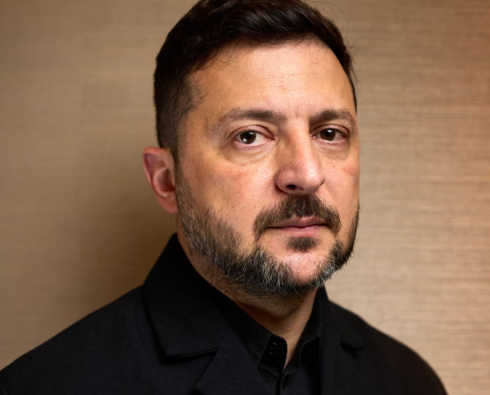
Volodymyr Zelenskyy looks remarkably cheerful while sitting inside Downing Street during his latest visit to London. The Ukrainian leader speaks with quiet confidence about the current state of the ongoing conflict. More than four years have passed since Vladimir Putin launched his devastating full-scale invasion. Yet Europe’s largest armed conflict since World War Two seems to be shifting. The overall military situation appears more promising for Kyiv than at any point recently. Zelenskyy carefully notes that Russia is not yet completely losing this brutal war of attrition. He firmly insists that the Kremlin is losing its strategic initiative with each passing day.
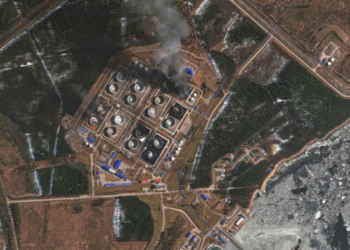
Recent battlefield developments across the region seem to strongly support this cautiously optimistic assessment. The Russian military has suffered a series of significant setbacks over the past week. Long-range Ukrainian drones successfully targeted oil terminals located deep within Putin’s home city of St Petersburg. These precise aerial strikes sent thick black smoke billowing across the historic northern skyline. Similar operations have heavily crippled Russian military infrastructure throughout the occupied peninsula of Crimea. A vital logistical supply road there is now littered with burned transport vehicles. These constant attacks have triggered severe fuel shortages across the region annexed back in 2014.
Meanwhile the grinding Russian ground offensive in the eastern Donbas region has nearly stopped. Zelenskyy has consistently maintained that Ukraine can achieve total victory if given sufficient western support. He reveals that the Russian army is currently losing more than thirty thousand soldiers monthly. Approximately twenty-four thousand of those personnel are killed while the remainder are heavily wounded. The true casualty figures among the invading forces could easily be much higher than estimated. The Ukrainian president points out that such massive losses mean Russia cannot win the war. Ukraine has also suffered military casualties during the intense fighting but on a lesser scale.
The broader conflict may appear static on maps but the widespread destruction remains relentless. Moscow has recently intensified its massive aerial bombardments against major Ukrainian towns and urban centres. The clear strategic goal of these raids seems to be terrorising innocent civilian populations. One massive strike launched last Tuesday involved over seventy missiles and hundreds of explosive drones. Eighteen civilians lost their lives across Kyiv and Dnipro during that specific bombardment. A three-year-old boy was tragically killed after being entombed under a collapsed apartment building. Local authorities report that Russian forces are deliberately using prohibited cluster munitions in residential areas.
Last week Zelenskyy took the unusual step of writing an open letter to Putin. He suggested holding a direct face-to-face meeting to find a path toward ending this conflict. The Russian president firmly rejected this diplomatic proposal during an economic forum in St Petersburg. Putin publicly characterised the communication as rude and refused to modify his strict territorial demands. He insists that Russia still requires full control over four eastern and southern Ukrainian provinces. The Kremlin leader claimed his forces are steadily advancing across all sectors of the front. He openly urged his troops to keep working as they continue their offensive.
This unyielding stance has led many international observers to wonder about the Russian leader’s mindset. Some experts question if Putin is delusional or receiving incorrect information from his top commanders. Zelenskyy considers these various theories quite plausible but argues that the underlying reasons do not matter. He emphasizes that the Russian president has consistently lied about this war from the beginning. Putin originally claimed the invasion was necessary to rescue vulnerable Russian speakers living in Ukraine. Zelenskyy believes these falsehoods act as a social glue designed to bind Russian society together.
Russia has also experienced several major political defeats on the international stage in recent months. Viktor Orbán who remains Putin’s closest European ally suffered a major electoral defeat in Hungary. Recent Kremlin attempts to covertly support pro-Russian political candidates in Moldova and Armenia also failed. Zelenskyy observes that Moscow is steadily losing its historical influence in neighbouring nations like Azerbaijan. He notes that the Russian state is now deeply isolated inside Europe and Washington. The Kremlin currently finds itself standing largely alone without significant global backing or meaningful allies.
Donald Trump began his second American presidential term with promises to end the war quickly. Zelenskyy has carefully praised these US diplomatic efforts despite experiencing several difficult political encounters. These challenges included a tense Oval Office meeting and a summit between Trump and Putin. The current American administration has also implemented notable reductions in direct military aid for Kyiv. Zelenskyy states he always warned the American president that Putin is merely playing complex games. He adds that the Ukrainian people remain deeply grateful for the ongoing support of citizens.
The Ukrainian president openly acknowledges that political attention in Washington has shifted toward the Middle East. He understands that the conflict involving Iran has altered the primary focus of American policymakers. The Trump administration has utilized vast quantities of advanced weapons during its choosing of tensions there. Zelenskyy notes with some sadness that Kyiv never received that massive volume of military support. He contrast this reality with the extensive assistance provided to Israel and traditional Gulf allies. The leader considers it a great pity that Ukraine had to fight without similar resources.
Ukraine has successfully transformed itself into a global drone superpower during this extended conflict. The nation was once a simple petitioner for basic Western military assistance years ago. Kyiv has now grown into a major hub for advanced industrial production and technical innovation. Several Arab countries have recently sought Ukrainian expertise in shooting down Iranian-made suicide drones. Zelenskyy emphasizes that the most critical weapon his country currently lacks is the Patriot system. These American missiles are uniquely capable of intercepting the ballistic weapons targeting sleeping civilians nightly.
Zelenskyy recently conducted extensive diplomatic talks at Downing Street with several key European leaders. He met with British Prime Minister Keir Starmer along with the leaders of Germany and France. The Ukrainian president renewed his urgent call for allies to effectively close the regional skies. This strategy involves helping Ukrainian forces defend against large-scale drone and missile salvos. He is also seeking substantial financial support to modernize his current mobilized armed forces. The goal is to transform the military into a professional European-style contract army.
He fully recognizes that these advanced air defence systems are exceptionally expensive to operate. A single Patriot interceptor missile costs approximately four million dollars to manufacture and deploy. The United Kingdom does not currently possess its own independent anti-ballistic missile production programme. Zelenskyy believes that London and other European capitals should collaborate to build an alternative system. Ukraine is entirely ready to share its extensive practical experience of modern drone warfare. He notes that North Atlantic Treaty Organisation officials are deeply interested in accessing this database.
The president remains understandable reluctant to discuss specific details regarding future military operations. However continuous drone strikes have made the eventual liberation of Crimea a real possibility. Ukrainian forces are systematically destroying the logistical networks feeding the occupied peninsula from Russia. They are also successfully striking critical energy targets situated across occupied southern Ukraine. Zelenskyy explains that targeting this infrastructure helps dismantle the militarization of the region by occupiers. The military continues to work diligently on neutralizing these strategic assets every week.
Many ordinary Russian citizens have tried to ignore the distant war for a long time. Zelenskyy explains that launching drones over Moscow and St Petersburg forces residents to feel the conflict. He believes that true victory will arrive when Russian society recognizes this war as a tragedy. The population must realize that the conflict affects their own lives rather than someone else. He senses that the psychological momentum is finally beginning to shift toward that realization. This internal awareness could prove crucial for ending the hostilities permanently.
The complex internal dynamics within the Russian elite were highlighted by a recent secret meeting. Russian oligarch Roman Abramovich traveled privately to Kyiv for direct talks with the Ukrainian leader. Zelenskyy explicitly informed the billionaire that Ukraine would never cede the eastern Donbas region. He estimates that the individuals surrounding the Russian president are currently split into two factions. One group wishes to prolong the invasion while the other wants to stop immediately. Business leaders clearly understand that the national economy is entering a disastrous state of collapse.
Zelenskyy concluded his busy British itinerary by attending a private audience with King Charles. The two leaders have reportedly developed a warm relationship built on mutual trust and respect. The monarch previously encouraged the American administration to maintain its vital commitment to defending Ukrainian democracy. If the military situation continues to improve it raises questions about a future royal visit. The Ukrainian president smiled warmly at the prospect of welcoming the British monarch to Kyiv. He expressed immense gratitude and stated that the Ukrainian people hold deep affection for his majesty.
Related News:
 Saudi Officials Report Zubaidi Flee Before Yemen Peace Talks
 UK Targets in New York Bomb Threat Hoax: Man Jailed
 Gambia Supreme Court Hears Case to Overturn FGM Ban
 Trump targets Iran trade with 25% tariff warning
 US Senate rejects resolution limiting Trump military powers
 Gulf states warn Trump Iran strikes risk wider Middle East war
 Machado Trump medal gesture reshapes Venezuela power struggle
 Geopolitical football: Iran, Trump and the World Cup clash
 Canada-China trade gains momentum in new strategic partnership
 Syria President Declares Victory as Ceasefire Reached with SDF
 Shinzo Abe’s killer receives life sentence in Japan
 China General Under Investigation Amid Leadership Purge
 Philippines ferry disaster leaves 15 dead, dozens missing
 Cambridge Faces Scrutiny Over Arms Investment Transparency
 Concerns rise for Canberra boy amid Iran detention fears
 Ukraine Sends Drone Experts to Defend US Bases in Jordan
 Abramovich Chelsea Sale Cash Faces Jersey Probe
 Yvette Cooper: UK Must Follow Principles, Not US Pressure
 Jury Rules Meta and YouTube Liable for Addictive Design
 The Woman Guarding Earth From the Threat of Asteroids
 Exiled Tycoon Warns of New Russian Attacks on UK Soil
 LA 2028: Millions of Affordable Olympic Tickets Announced
 Trump Slams Europe as Transatlantic Tensions Boil Over
 Inside the Deceptive Machine: A Former Producer Speaks Out
 Spain Faces Backlash Over Xenophobic Chants in Egypt Draw
 A Global Voice For Justice: Stephen Lewis Dies At Age 88
 Hope and Fear as Iranians Flee Across the Turkish Border
 Reform UK Pledges To Halt Visas Over Reparations Demands
 US and Iran Agree to Two-Week Provisional Ceasefire
 Starmer visits Gulf as US and Iran agree ceasefire
 Pakistan Brokers Historic Peace Deal Amid Rising Tensions
 Trump Signals Hope for New Iran Talks as Ceasefire Fades
 US and Iran Pursue Extension of Ceasefire via Pakistan
 Trump’s Islamabad Gamble: The High Stakes of a New Iran Deal
 The General’s Gambit: Pakistan’s New Role in Global Peace
 Mexico, Spain and Brazil call for Cuba dialogue amid crisis
 Pakistan’s Ambitious Bid for Middle East Peace
 Israeli Soldiers Jailed Over Vandalism of Lebanese Statue
 Trump Weighs Sending Afghan Allies to the Congo
 Pentagon Shakes Up Navy Leadership Amid Hormuz Blockade
 Trump Threatens UK With Big Tariff Over Tech Tax
 Prominent Voices Challenge Palestine Action Ban
 Security Scrutiny After Washington Shooting Incident
 Merz Criticises US Approach in Iran Conflict
 UK Envoy Sparks Controversy Over Special Relationship Claims
 Ukraine Urges UK to Seize Russian Oil Tankers
 US Calls Australia Media Law “Foreign Extortion”
 The Billionaire’s Secretary and the £1m Fraud
 Ukraine strikes Tuapse as oil disaster worsens
 Brewing Tension: Taiwan Baristas Rebrand for World Stage
 Tensions Emerge in Netanyahu-Trump Alliance
 Mission to the World’s Edge: A Heroic Rescue in Tristan
 US and Mexico Face Heatwave as Floods Batter South Africa
 Mexico’s Missing: State Complicity in a Growing Crisis
 French Patient Told Hantavirus Was Just Anxiety
 The Long Way Home: Australia’s High-Stakes Virus Mission
 Putin Signals War End as Russian Momentum Stalls
 Romania’s Judicial Crisis: A System Under Siege
 Lee Lai Makes History with Landmark Stella Prize Victory
 Philippine Senator Flees After Days Under Senate Siege
 Alberta Separatist Bid Blocked by Canadian Court
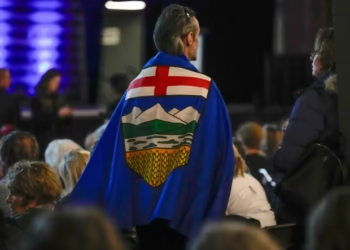 Canadian Court Blocks Alberta Independence Referendum Bid
 Big Tobacco Under Fire Over Controversial New Ad Campaign
 Bolsonaro Son Tape Scandal Sparks Massive Brazil Backlash
 Court Upholds Landmark Win for Transgender Rights
 Tragedy in the Maldives: Inside the Deep Sea Rescue
 Liberal Senator Criticises Immigration Rhetoric
 Senate Moves to Restrict Trump’s War Powers on Iran
 ICC Arrest Warrant Threat Sparks West Bank Retaliation
 Uefa Transforms Men’s Major Tournament Qualification
 Taliban Codifies Strict New Marriage and Divorce Legislation
 Tony Abbott Returns as New Liberal Party President
 Tulsi Gabbard exits after turbulent intelligence tenure
 Discontent grows around Putin amid war strain
 Trump Diplomacy Faces Hurdles from Tehran to Tbilisi
 Trump Faces Legal Blow Over Global Tariffs
 Washington Brokerage Sparking Hope Amid Regional Firestorms
 New York Consumer Watchdog Tackles Corporate Lawbreaking
 Global Tech Giants Face Off Against Australia Over Media Levies
 ANU Reputation Crumbles Under Leadership Woes and Huge Losses