Published: 04 June 2026. The English Chronicle Desk. The English Chronicle Online.
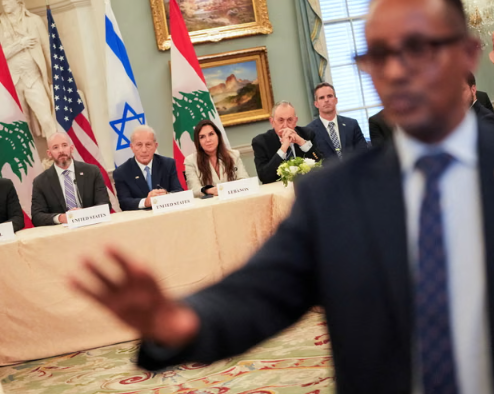
The diplomatic corridors of Washington have yielded a fresh attempt at peace. Israel and Lebanon have formally agreed to implement a renewed ceasefire to bring an end to devastating border hostilities. The announcement came directly from the administration of United States President Donald Trump. This development represents a critical component of a much larger and more complex American diplomatic strategy. The White House is actively seeking to dismantle the primary geopolitical barriers blocking a broader peace agreement with Iran. The conflict has severely destabilized the entire region over recent months. This new bilateral understanding offers a fragile window of opportunity for regional de-escalation.
The newly announced framework contains strict stipulations that could determine its ultimate success or failure. The state department clarified that the truce remains entirely contingent on a total cessation of fire from Hezbollah. The powerful Iran-aligned armed group must also evacuate its personnel from all territories south of the Litani river. This specific geographic boundary has long served as a flashpoint for cross-border skirmishes. Under the freshly drafted terms, both nations have agreed to establish unique pilot zones. The formal Lebanese armed forces are expected to assume exclusive security control over these designated areas. The explicit objective is the total exclusion of all non-state paramilitary actors from the border region.
The diplomatic puzzle remains intensely complicated by the domestic realities within Lebanon itself. The state of Lebanon and its neighbour Israel do not maintain formal diplomatic relations. The negotiations in Washington were conducted through intense American mediation rather than direct bilateral exchanges. Furthermore, the armed wing of Hezbollah has not been an active participant in these diplomatic talks. A senior official representing the militant group recently informed international news agencies that partial truces are unacceptable. The joint statement from Washington also omitted any timeline regarding an eventual Israeli troop withdrawal. The Israeli military currently occupies more than six hundred square kilometres of territory along the southern Lebanese border.
Ongoing Hostilities Cloud the Implementation of Washington Accords
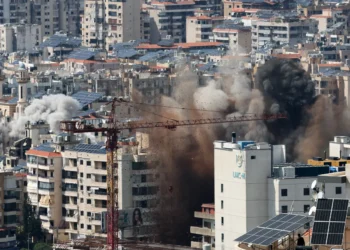
The reality on the ground has immediately tested the validity of the diplomatic breakthrough. Merely hours after the joint commitment was publicized, fresh violence erupted in southern Lebanon. Israeli military drones executed multiple targeted strikes across the Nabatieh region on Thursday morning. This immediate resumption of violence mirrors previous failed attempts to silence the weapons. A previous comprehensive truce was scheduled to take effect on the seventeenth of April. That initial agreement collapsed almost immediately as both factions justified ongoing actions by citing enemy violations. The persistent nature of these border skirmishes highlights the immense difficulty of enforcing paper agreements in active combat zones.
The recent diplomatic gatherings represent the fourth consecutive round of direct mediation in the American capital. The current phase of the conflict ignited in early March when Hezbollah renewed its rocket campaigns. The group explicitly stated its actions were designed to support Iran in its wider war. Despite the latest diplomatic breakthrough, the hours preceding the announcement were characterized by heavy combat. Hezbollah claimed multiple strikes against advancing Israeli units while Israeli bombardments killed nine people. The historical context of these encounters reveals a pattern of incomplete agreements and structural weaknesses. Previous truces effectively protected the capital of Beirut while leaving the southern border region exposed to relentless warfare.
The current diplomatic architecture heavily resembles the structural layout of a previous bilateral agreement. During that earlier period, Hezbollah consented to withdraw its forces north of the strategic Litani river. The Lebanese national army was intended to secure the vacated lands with international backing. However, the international community failed to achieve the comprehensive disarmament of the militant faction. In the fifteen months following that agreement, thousands of airspace violations and strikes occurred. This historical precedent fuels deep skepticism among regional analysts regarding the longevity of the new pilot zones. Without a robust enforcement mechanism, the current arrangement faces identical structural vulnerabilities.
The Broader Geopolitical Nexus and Transatlantic Economic Pressures
The diplomatic strategy of the White House relies on separating various strands of Middle Eastern conflict. President Donald Trump has publicly emphasized his desire to isolate the Lebanese border dispute from Iranian negotiations. However, the political leadership in Tehran maintains that these regional theatres are intrinsically linked. Iranian diplomats recently threatened to suspend all indirect peace talks with the United States. This threat was issued as a direct protest against the ongoing Israeli military incursions. Tehran continues to insist it will not abandon its regional proxy allies to secure an American deal. Meanwhile, the sovereign Lebanese government maintains that foreign powers cannot negotiate domestic matters on its behalf.
The broader geopolitical stakes are heightened by a parallel conflict directly involving the United States military. A highly volatile and precarious ceasefire has existed between Washington, Tel Aviv, and Tehran since April. This delicate truce faced a severe test on Wednesday following a major cross-border incident. An Iranian drone strike heavily damaged a passenger terminal at Kuwait International Airport. The incident resulted in the tragic death of an Indian national and left dozens injured. The international airport had only recently resumed civilian operations following earlier wartime disruptions. The Kuwaiti government responded with diplomatic outrage, swiftly expelling multiple Iranian diplomats from the country.
The aerospace incident triggered immediate military retaliation and conflicting narratives from both global powers. The United States military reported that it successfully intercepted multiple hostile drones over the Persian Gulf. American forces subsequently launched retaliatory airstrikes against an Iranian military ground control station on Qeshm Island. The state-run media in Tehran denied intentionally targeting civilian infrastructure in Kuwait. Iranian military officials blamed the terminal destruction on malfunctioning American interceptor missiles. The Pentagon explicitly rejected this explanation, asserting that the drone strike was a deliberate hostile act. These hostile exchanges have placed immense strain on the survival of the wider regional ceasefire.
Economic Vibrations and Domestic Political Repercussions in Washington
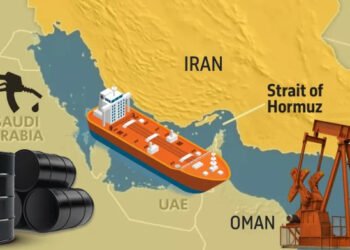
The continuous instability in the Persian Gulf has exerted severe pressure on global energy markets. The strategic Strait of Hormuz remains largely closed to international shipping three months after the war began. Following the airport strike, international crude oil prices spiked upward by nearly two per cent. This persistent economic volatility has created substantial domestic political challenges for the current American administration. President Trump faces mounting pressure to stabilize global commerce before energy prices damage domestic economic growth. The ongoing economic uncertainty has begun to threaten the electoral prospects of the ruling party. These domestic anxieties are driving the urgent American push for a diplomatic breakthrough.
The domestic political pressure on the White House extended to the halls of Congress this week. The United States House of Representatives delivered a notable political rebuke to the sitting president. A majority of lawmakers supported a resolution designed to curb presidential war powers in the Middle East. The legislative measure seeks to force the executive branch to obtain formal congressional approval for ongoing operations. Although the political maneuvering is highly symbolic, it reflects deep domestic anxiety regarding an extended foreign conflict. The resolution faces an uncertain future in the Senate, yet its passage demonstrates shifting political currents. The White House must navigate these legislative challenges while managing delicate international diplomacy.
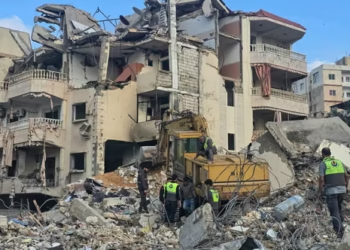
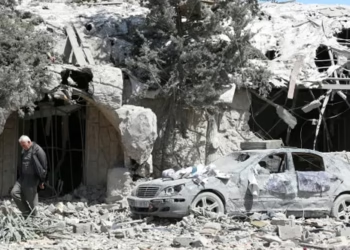
The human cost of the ongoing military campaign continues to mount across southern Lebanon. Recent Israeli bombardments have struck areas in close proximity to major public healthcare facilities. A particularly severe strike near a public hospital resulted in multiple civilian casualties and injured paramedics. The state-run National News Agency reported intensive aerial activity across more than twenty distinct border locations. These operations followed explicit evacuation orders issued by the Israeli military to local villagers. As diplomats continue their delicate work in Washington, the stark contrast between peace talks and battlefield realities remains absolute. The success of the new pilot zones depends entirely on shifting regional calculations.
Related News:
 Ukraine war briefing: Zelenskyy offers help to Saudi Crown prince on combatting Iranian drones
 Ukraine Sends Drone Experts to Defend US Bases in Jordan
 Saudi Arabia Urging US to Keep Up Iran Attacks
 Diplomacy on the Brink: Pakistan’s Risky Peace Mission
 Trump Slams Europe as Transatlantic Tensions Boil Over
 High-Value Target: Iranian Strike Destroys US Radar Plane
 UN Warns Israeli Death Penalty Bill Could Be a War Crime
 Pakistan and China Propose Five-Part Peace Plan
 Trump Issues Stark Warning After Strike On Iran’s Largest Bridge
 Hope and Fear as Iranians Flee Across the Turkish Border
 The Price of Hubris: Trump, Netanyahu, and the ‘Easy’ War
 Israel Defies Ceasefire as Lebanon Operations Persist
 Middle East Peace Crisis: Ceasefire Strained by New Violence
 Pakistan Brokers Historic Peace Deal Amid Rising Tensions
 Netanyahu Vows Continued Lebanon Strikes Amid Peace Talks
 Islamabad Hosts Historic Peace Talks Between Iran and USA
 US and Iran Pursue Extension of Ceasefire via Pakistan
 Trump’s Islamabad Gamble: The High Stakes of a New Iran Deal
 The General’s Gambit: Pakistan’s New Role in Global Peace
 Can Trump’s Ceasefire Hold in Lebanon?
 Global order shifts amid Trump-era turmoil
 Middle East Crisis Escalates as Oil Routes Shake Markets
 Saudi Arabia Blocks Trump’s Naval Plan for Hormuz Strait
 Tensions Emerge in Netanyahu-Trump Alliance
 UAE’s Secret Strike on Iran Risks Wider Gulf Conflict
 Netanyahu Claims Secret UAE Visit Amid Regional Conflict
 Netanyahu Calls Early Election Amid Coalition Turmoil
 Plea for Mercy: The Battle to Bring Ahmed al-Doush Home
 Trump Issues New Threat of Strikes Amid Iran Standback
 Global Outrage After Israeli Minister Mocks Bound Activists
 Israeli Strikes in Lebanon Kill 10 Amid Ceasefire Strain
 Hunger increasingly weaponised in global conflicts
 Former ICC prosecutor condemns US sanctions
 Trump and Netanyahu Clash Over Crucial US and Iran Peace Deal
 Israel Defies Trump in Direct Strikes on Targets Across Iran
 US and Iran Agree Historic Framework to End 15-Week War
 Global Powers Navigate Fragile Peace as Hormuz Reopens
 Trump Signs Landmark Iran Accord in Versailles
 Uncertainty Prevails as Landmark Peace Talks Abruptly Conclude Before Commencement
 Iran To Propose New Shipping Fees In Strait Of Hormuz
 Grief and Devotion Amidst the Rubble of Nabatieh
 High Drama in Tehran Over Secret Nuclear Letters
 Iran Prepares for Massive Six-Day Funeral for Khamenei
 Iran Prepares for Massive Funeral for Supreme Leader
 Iran Bids Farewell to Fallen Leader in Massive Procession
 Iran Mourns: Millions at Khamenei’s Final Procession
 Hamas Proposes Handing Over Control of Gaza Strip
 Israeli Officer Investigated for Car Grenade Attack
 Yemen Accuses Iran of Violating National Sovereignty
 Trump Threatens Iran Power Strikes Over Hormuz Impasse
 Houthis Strike Saudi Arabia as Middle East Tensions Rise
 Friedman Uninvited From 2024 Adelaide Writers’ Week
 Spoof “Make America Go Away” Caps Rally Denmark Over Greenland
 New Zealand Covid Response Praised Despite Lingering Scars
 Injured Mojtaba Khamenei Elevated as Iran Leader
 Trump’s Six-Week Iranian War: The High Cost of Ignorance
 Reform UK Pledges To Halt Visas Over Reparations Demands
 US and Iran Agree to Two-Week Provisional Ceasefire
 Trump Signals Hope for New Iran Talks as Ceasefire Fades
 Security Alert Near Israeli Embassy as Police Investigate
 US-Iran Standoff: Will Trump Deploy Ground Troops?
 Investigation Into Anti-Trump Motives After Gala Shooting
 Trump Rejects Tehran Peace Plan as Regional Truce Crumbles
 High Stakes in Beijing as Trump and Xi Meet Amid Global Turmoil
 Fear and Betrayal: The Chilling Case of Kouri Richins
 Trump and Xi Convene in Beijing for Historic High-Stakes Summit
 Aussie Race Row: Coalition Accused of Scapegoating
 Trump Pledges 5,000 Troops for Poland in U-Turn
 Cannes filmmakers split over AI’s role in cinema
 Oman Defies US Pressure Over Strategic Strait of Hormuz
 Ex-CIA Agent Accused of $40m Gold Theft and Fake Spy Unit
 Aukus Deal Facing Fierce Backing and Historic Criticism
 Tragic Loss of Australian Sprinter Jemma Stapleton
 Trump Urged to Condemn UFC Fighter Over Obama Slurs
 Russian Tanker Captain Remanded in UK Court After Channel Seizure
 US Military Pacific Boat Strike Kills Three People
 Trump’s Mount Rushmore Speech: A Divisive Anniversary
 Trump Swaps Planes Amid Iran Tensions
 Rotterdam Museum Honours Artist With Peanut Butter Floor
 Bangkok Nightclub Blaze Claims 30 Lives Amid Negligence Probe