Published: 14 May 2026. The English Chronicle Desk. The English Chronicle Online.
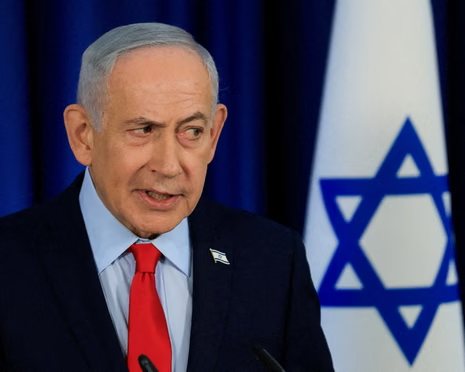
The political landscape of the Middle East shifted dramatically this week following a bold announcement. Prime Minister Benjamin Netanyahu claimed he conducted a secret diplomatic mission to the United Arab Emirates. This high-stakes journey reportedly took place during the most intense period of the Iran war. The Israeli leader intended to meet directly with President Sheikh Mohamed bin Zayed Al Nahyan. Such a meeting would represent a massive leap in the growing alliance between these nations. The Prime Minister’s office described the visit as a historic breakthrough in bilateral relations. Tensions in the region remain at an all-time high as the conflict continues to evolve. Official statements suggest the two leaders met for several hours in the city of Al Ain. This oasis city sits near the border of Oman and provides a discreet location. Reuters reported that the meeting occurred on the twenty-sixth of March during the spring. This timeline aligns with the height of military operations against the Iranian government and proxies.
A source told the news agency that intelligence cooperation was central to this specific mission. Mossad director David Barnea allegedly made at least two visits to the UAE during this time. These trips were designed to coordinate complex military actions against mutual threats in the Gulf. The Wall Street Journal was the first to report on the intelligence chief’s secret movements. These developments highlight a rapidly maturing alliance that was once considered impossible by many experts. On Tuesday, the United States ambassador to Israel, Mike Huckabee, provided more startling details. He disclosed that Israel shared its sophisticated air defence systems with its new Emirati allies. Iron Dome batteries were reportedly sent to the UAE along with several military specialists. These teams were tasked with operating the systems throughout the course of the recent war. Huckabee described the bond between the UAE and Israel as an extraordinary strategic relationship.
However, the diplomatic waters became muddied shortly after the Israeli Prime Minister made his claim. The foreign ministry of the United Arab Emirates issued a firm and immediate denial. They stated that reports of a visit by Netanyahu were entirely baseless and untrue. This contradiction creates a complex puzzle for international observers trying to track regional diplomacy. Discrepancies between official accounts often suggest a layer of sensitive, behind-the-scenes political maneuvering. Despite the denial, other reports suggest the UAE has taken direct action against Iran. The Wall Street Journal claimed the UAE secretly carried out strikes on Iranian territory. These strikes reportedly targeted an oil refinery on Lavan Island during early April of this year. This action was seen as retaliation for Iranian attacks on Emirati oil infrastructure. Such direct military engagement would mark a massive departure from the UAE’s historical stance. It signals a move toward a much more assertive and independent regional foreign policy.
The foundation for this alliance was laid back in twenty-twenty with the Abraham Accords. The UAE was the first Islamic country to agree to normalise relations with Israel. They were soon followed by other nations including Bahrain, Morocco, and the state of Sudan. These accords were initially viewed as a triumph of diplomacy for the Trump administration. Since then, the UAE has gone much further than other signatories in its partnership. It has transformed a diplomatic agreement into a de facto military and economic alliance. Emirati rulers are increasingly seeking to chart a course independent from their Saudi Arabian neighbours. This shift was underscored earlier this month when the UAE officially left the OPEC cartel. This move severely weakened the organization’s clout and influence in the global oil markets. It also demonstrated the UAE’s willingness to disrupt long-standing regional norms for its goals.
Both Israel and the UAE maintain very close relationships with the current United States administration. These ties have only deepened through their shared involvement in the ongoing Iran war. However, both nations remain somewhat vulnerable to future shifts in Washington’s policy direction. Any change in the White House could significantly alter the current security architecture in the region. Furthermore, both governments are currently facing intense international scrutiny for their military and political conduct. Critics have raised serious concerns about alleged involvement in various war crimes during recent conflicts. Israel has faced accusations of genocide regarding its military operations within the Gaza Strip. The International Criminal Court has even issued arrest warrants for Netanyahu and Yoav Gallant. These warrants have complicated Israel’s standing on the global stage and restricted official travel.
The United Arab Emirates is also facing its own share of serious international criticism. Many experts believe the UAE is currently arming and funding the Rapid Support Forces. This paramilitary group has been accused of committing mass atrocities across the nation of Sudan. The Emirati government has consistently denied these allegations of involvement in the Sudanese civil war. However, considerable evidence has been presented by various international monitors and human rights organisations. These controversies add a layer of ethical complexity to the burgeoning Israel-UAE security partnership. The alliance is built on shared fears of Iranian expansion and modern economic interests. Yet, it must navigate a world that is increasingly focused on international law and human rights. The secret trip to Al Ain may remain a point of contention for months. If confirmed, it would prove that the map of the Middle East has changed.
This secret diplomacy suggests that the old rivalries of the twentieth century are fading away. In their place, a new and pragmatic order is emerging based on survival and power. The involvement of the Mossad suggests that security is the primary driver of this bond. When nations face existential threats, they often seek help from unlikely and former enemies. The deployment of the Iron Dome to the UAE is a clear physical manifestation. It shows that Israel is willing to share its most prized technology with Gulf partners. This level of trust was unthinkable only a decade ago in the Middle Eastern theatre. The UAE’s departure from OPEC also signals a move toward a more globalized economy. They are no longer content to simply follow the lead of larger regional powers. By striking out on their own, they are redefining what it means to be a modern state.
The role of the United States in this transition cannot be understated or ignored. The Trump administration provided the political cover needed for these historic agreements to take place. Without American backing, it is unlikely that the UAE would have taken such risks. The current war with Iran has only served to solidify these existing bonds further. Common enemies have a way of bringing disparate groups together for a common purpose. However, the denials from the UAE foreign ministry suggest that public perception still matters. There is still a significant portion of the Arab world that views Israel with suspicion. Emirati leaders must balance their security needs with the opinions of their own citizens. This balancing act is why so much of this diplomacy happens in the shadows. Secret meetings in desert cities allow leaders to talk without the pressure of cameras.
As the situation in the Middle East continues to shift, the world watches with interest. The potential for a formal military pact between Israel and the UAE remains quite high. Such a pact would permanently change the balance of power in the Persian Gulf. It would also create a unified front against any future aggression from the Iranian state. For now, the story of the secret trip remains a matter of conflicting reports. Whether Netanyahu truly visited Al Ain may not be known for many years to come. What is certain is that the relationship between these two nations is deepening daily. They are tied together by technology, intelligence, and a shared vision for the future. The English Chronicle will continue to monitor these developments as more information becomes available. The geopolitical landscape of twenty-twenty-six is one of constant change and surprising new alliances. Middle Eastern diplomacy has entered a new and unpredictable era for all parties involved.
Related News:
 Ukraine war briefing: Zelenskyy offers help to Saudi Crown prince on combatting Iranian drones
 Ukraine Sends Drone Experts to Defend US Bases in Jordan
 Saudi Arabia Urging US to Keep Up Iran Attacks
 Diplomacy on the Brink: Pakistan’s Risky Peace Mission
 Trump Slams Europe as Transatlantic Tensions Boil Over
 High-Value Target: Iranian Strike Destroys US Radar Plane
 UN Warns Israeli Death Penalty Bill Could Be a War Crime
 Pakistan and China Propose Five-Part Peace Plan
 Trump Issues Stark Warning After Strike On Iran’s Largest Bridge
 Hope and Fear as Iranians Flee Across the Turkish Border
 The Price of Hubris: Trump, Netanyahu, and the ‘Easy’ War
 Israel Defies Ceasefire as Lebanon Operations Persist
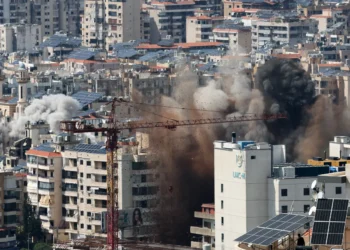 Middle East Peace Crisis: Ceasefire Strained by New Violence
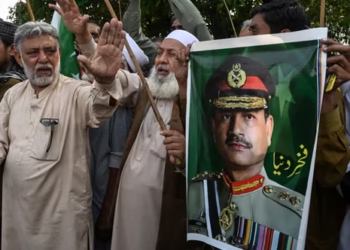 Pakistan Brokers Historic Peace Deal Amid Rising Tensions
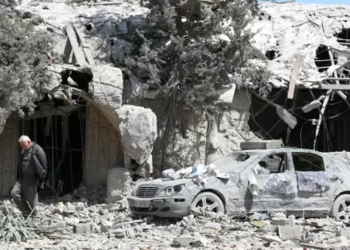 Netanyahu Vows Continued Lebanon Strikes Amid Peace Talks
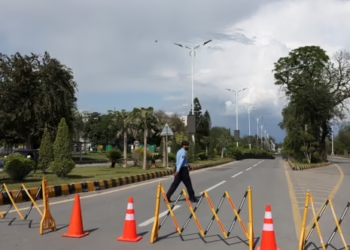 Islamabad Hosts Historic Peace Talks Between Iran and USA
 US and Iran Pursue Extension of Ceasefire via Pakistan
 Trump’s Islamabad Gamble: The High Stakes of a New Iran Deal
 The General’s Gambit: Pakistan’s New Role in Global Peace
 Can Trump’s Ceasefire Hold in Lebanon?
 Global order shifts amid Trump-era turmoil
 Middle East Crisis Escalates as Oil Routes Shake Markets
 Saudi Arabia Blocks Trump’s Naval Plan for Hormuz Strait
 Tensions Emerge in Netanyahu-Trump Alliance
 UAE’s Secret Strike on Iran Risks Wider Gulf Conflict
 Netanyahu Calls Early Election Amid Coalition Turmoil
 Plea for Mercy: The Battle to Bring Ahmed al-Doush Home
 Trump Issues New Threat of Strikes Amid Iran Standback
 Global Outrage After Israeli Minister Mocks Bound Activists
 Israeli Strikes in Lebanon Kill 10 Amid Ceasefire Strain
 Hunger increasingly weaponised in global conflicts
 Former ICC prosecutor condemns US sanctions
 Trump and Netanyahu Clash Over Crucial US and Iran Peace Deal
 Washington Brokerage Sparking Hope Amid Regional Firestorms
 Israel Defies Trump in Direct Strikes on Targets Across Iran
 US and Iran Agree Historic Framework to End 15-Week War
 Global Powers Navigate Fragile Peace as Hormuz Reopens
 Trump Signs Landmark Iran Accord in Versailles
 Uncertainty Prevails as Landmark Peace Talks Abruptly Conclude Before Commencement
 Iran To Propose New Shipping Fees In Strait Of Hormuz
 Grief and Devotion Amidst the Rubble of Nabatieh
 High Drama in Tehran Over Secret Nuclear Letters
 Iran Prepares for Massive Six-Day Funeral for Khamenei
 Iran Prepares for Massive Funeral for Supreme Leader
 Iran Bids Farewell to Fallen Leader in Massive Procession
 Iran Mourns: Millions at Khamenei’s Final Procession
 Hamas Proposes Handing Over Control of Gaza Strip
 Israeli Officer Investigated for Car Grenade Attack
 Yemen Accuses Iran of Violating National Sovereignty
 Trump Threatens Iran Power Strikes Over Hormuz Impasse
 Houthis Strike Saudi Arabia as Middle East Tensions Rise
 Friedman Uninvited From 2024 Adelaide Writers’ Week
 New Zealand Covid Response Praised Despite Lingering Scars
 Injured Mojtaba Khamenei Elevated as Iran Leader
 Trump’s Six-Week Iranian War: The High Cost of Ignorance
 Reform UK Pledges To Halt Visas Over Reparations Demands
 US and Iran Agree to Two-Week Provisional Ceasefire
 Trump Signals Hope for New Iran Talks as Ceasefire Fades
 Security Alert Near Israeli Embassy as Police Investigate
 US-Iran Standoff: Will Trump Deploy Ground Troops?
 Investigation Into Anti-Trump Motives After Gala Shooting
 Trump Rejects Tehran Peace Plan as Regional Truce Crumbles
 High Stakes in Beijing as Trump and Xi Meet Amid Global Turmoil
 Fear and Betrayal: The Chilling Case of Kouri Richins
 Trump and Xi Convene in Beijing for Historic High-Stakes Summit
 Philippine Senator Flees After Days Under Senate Siege
 Tensions Flare as Israeli Nationalists March in Jerusalem
 Secrecy Down Under: Albanese Faces FoI Scandal
 Tony Abbott Returns as New Liberal Party President
 Discontent grows around Putin amid war strain
 Teaching Machines Right From Wrong in the Digital Age
 Oman Defies US Pressure Over Strategic Strait of Hormuz
 Ex-CIA Agent Accused of $40m Gold Theft and Fake Spy Unit
 Aukus Deal Facing Fierce Backing and Historic Criticism
 Tragic Loss of Australian Sprinter Jemma Stapleton
 Trump Urged to Condemn UFC Fighter Over Obama Slurs
 Russian Tanker Captain Remanded in UK Court After Channel Seizure
 US Military Pacific Boat Strike Kills Three People
 Trump’s Mount Rushmore Speech: A Divisive Anniversary
 Trump Swaps Planes Amid Iran Tensions