Published: 13 May 2026. The English Chronicle Desk. The English Chronicle Online.
The delicate peace currently holding across the Middle East faces a significant new challenge this week following revelations of a secret military operation. Reports have surfaced suggesting the United Arab Emirates conducted a major covert assault against Iranian territory during the recent height of regional hostilities. This development has sent ripples of concern through diplomatic circles in London and across the various capitals of the Arabian Peninsula. The news comes at a particularly sensitive moment as the international community struggles to maintain a very fragile ceasefire. Many experts now fear that such direct actions could lead to an uncontrollable escalation of violence. The prospect of a broader war involving multiple Gulf states has moved from a distant worry to an imminent threat. Security analysts are closely watching how Tehran might choose to respond to these specific and bold military provocations.
The risk of some Gulf states becoming embroiled in a direct war with Iran has risen sharply today. It was recently reported the United Arab Emirates had secretly launched a major attack on Iran during the conflict. This disclosure has fundamentally changed the narrative regarding the level of active participation by regional players lately. In addition to these secret strikes, Kuwait has made some very startling claims regarding its own security. Officials in Kuwait City stated that at least four members of the Islamic Revolutionary Guard Corps were captured. These individuals were allegedly trying to carry out terrorist attacks on the strategically vital Bubiyan Island. This island represents the largest piece of land in the Kuwaiti coastal chain and remains highly sensitive. Such incidents suggest that the shadow war is now spilling over into previously quiet maritime zones. The involvement of elite Iranian forces in Kuwaiti territory has added a fresh layer of complexity.
The specific UAE assault on Iran was reportedly undertaken as a direct retaliation for previous Iranian strikes. These operations included a notable strike on Iran’s Lazan Island just before the April ceasefire was announced. This information was first brought to light by detailed reporting from the Wall Street Journal this week. The timing of the strike is particularly relevant given the diplomatic efforts that were underway then. It suggests a high level of military independence and a desire to settle scores before peace took hold. The news is likely to make the UAE an even clearer target for Iran moving forward. If the ceasefire is abandoned, the Emirates could find themselves on the very front lines again. The US and Iran remain at a total impasse regarding the future of the region. Donald Trump remarked on Monday that the ceasefire was currently hanging by a thin thread. He cited Iran’s failure to make the concessions he is seeking over its nuclear programme.
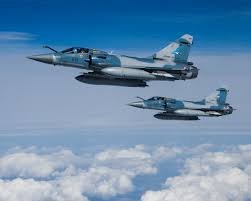
On Tuesday, the Pentagon released new figures regarding the staggering financial cost of the ongoing regional war. The cost of the war with Iran has now risen to nearly twenty-nine billion dollars recently. This figure is about four billion dollars higher than the previous estimate given two weeks ago. These rising costs reflect the intensity of the hardware and personnel deployed in the Persian Gulf. In the earlier fighting that began on 28 February, the UAE was a primary target. The nation was selected for various missile and drone strikes by Iranian military forces during that time. It was disproportionately attacked partly due to the severe diplomatic hostility expressed by its current rulers. The Wall Street Journal report gave specific details of how that hostility extended into military action. It pointed to images that allegedly showed French Mirage fighter jets operating over Iranian soil. Furthermore, Chinese Wing Long drones were also identified as part of the secret UAE mission.
The UAE had hinted around that time that it wanted to mount serious reprisal operations. Their leadership felt that simply defending oil and port installations was no longer a sufficient strategy. Iran at the time also accused the UAE and Kuwait of being involved in attacks. These accusations were largely dismissed by the international community until these new reports began to emerge. The UAE has still so far failed to persuade Qatar or Saudi Arabia to join. They want their neighbours to do more to counter Iranian attacks and the naval blockade. Tehran views the blockade in the Strait of Hormuz as a necessary retaliation to US pressure. Iran’s intelligence assessment has always been that some Gulf states allowed their airspace to be used. They believe American forces have used local bases to launch devastating strikes against their mainland. This belief continues to fuel the cycle of mistrust that defines modern Middle Eastern relations.
Europeans, including UK air forces, have also played a role in protecting various friendly Gulf states. This military support has largely been sold to domestic audiences as a strictly defensive measure. The narrative is that these are necessary steps to protect neutral allies from unprovoked aggression. However, the reality on the ground is becoming increasingly blurred as local states take initiative. The US ambassador to Israel, Mike Huckabee, recently confirmed that Israel has also stepped in. Israel has sent Iron Dome batteries and personnel to improve the defences of the UAE. This cooperation marks a significant shift in the regional security architecture and the balance of power. Such high-tech assistance is intended to blunt the effectiveness of Iranian missile and drone technology. Yet, it also ties the security of the UAE more closely to Israeli military interests. This alignment is viewed with deep suspicion by many other nations within the Arab world.
The divisions within Gulf states have in private been focused on the wisdom of military reprisals. Notably, the gap between Saudi Arabia and the UAE appears to be widening over this issue. The core of the debate is whether Arab anger should manifest as direct military force. Some leaders fear this will produce a level of hostility that threatens delicate diplomatic ties. Explaining the Saudi position, Turki al-Faisal insisted that their policy of restraint has been wise. The former ambassador wrote that an Israeli plan to ignite war would be devastating. He warned that the region would be transformed into a state of total destruction and ruin. In such a scenario, Israel would succeed in imposing its will on all its neighbours. He argued that Saudi Arabia must avoid becoming a pawn in a much larger game. This cautious approach reflects a desire to protect the kingdom’s massive internal economic investments.
If Saudi Arabia entered an all-out war today, the consequences would be truly and deeply catastrophic. Oil facilities on the eastern coast would almost certainly be destroyed by Iranian missile volleys. Desalination plants, which provide essential water to millions, would also likely be struck and disabled. The annual hajj pilgrimage would be affected in a way that could destabilise the Muslim world. Furthermore, the ambitious Vision 2030 projects would likely grind to a complete and total halt. This is a risk that the Saudi leadership seems currently unwilling to take for themselves. Meanwhile, the Kuwaiti press has published the names of four IRGC commanders caught this month. These men tried to infiltrate Bubiyan Island using a simple fishing boat to avoid radar. Iranian media has not yet reported the episode to its own domestic or international audience. The UAE issued a statement expressing strong solidarity with Kuwait following the recent maritime incident.
The UAE continues to condemn what it describes as hostile and terrorist acts by Iran. The Iranian ambassador to Kuwait was summoned by the foreign ministry to hear their formal anger. This diplomatic protest followed the direct attack on Kuwaiti armed forces stationed on the island. Some of the Kuwaiti reporting highlighted a Chinese rather than a US presence there. This suggests that global powers are competing for influence in even the smallest Gulf territories. The UAE’s anger towards Iran partly reflects long-standing and very deep ideological differences today. This includes the UAE’s willingness to sign the Abraham Accords and normalise relations with Israel. There is a strong belief in Abu Dhabi that they have been unfairly targeted. They feel Iran is punishing them specifically for their growing links with the Israeli state. This disruption includes the near two-year closure of the largest gas plant in the UAE.
The plant was shut down following a series of sophisticated Iranian attacks only last month. The owner, Adnoc Gas, said the plant would not be fully repaired until next year. The aim is to restore processing capacity to eighty per cent by the end of 2026. Full capacity is not expected to be achieved until some point in 2027, they said. While the economic cost is high, the UAE stance has built new diplomatic alliances. Pakistan’s defence minister, Khawaja Asif, recently hailed the nations that were successfully avoiding conflict. He suggested that circumstances are leading to an alliance of Pakistan, Saudi Arabia, and Turkey. The Turkish foreign minister, Hakan Fidan, has also warned against the dangers of Israeli expansionism. He believes this remains the number one challenge to stability and security in the region. He urged the world not to lose focus on the humanitarian crisis in Gaza. Iran held talks with Oman on Tuesday about reorganising shipping through the Strait of Hormuz.
Related News:
 Ukraine war briefing: Zelenskyy offers help to Saudi Crown prince on combatting Iranian drones
 Ukraine Sends Drone Experts to Defend US Bases in Jordan
 Saudi Arabia Urging US to Keep Up Iran Attacks
 Diplomacy on the Brink: Pakistan’s Risky Peace Mission
 Trump Slams Europe as Transatlantic Tensions Boil Over
 High-Value Target: Iranian Strike Destroys US Radar Plane
 UN Warns Israeli Death Penalty Bill Could Be a War Crime
 Pakistan and China Propose Five-Part Peace Plan
 Trump Issues Stark Warning After Strike On Iran’s Largest Bridge
 Hope and Fear as Iranians Flee Across the Turkish Border
 The Price of Hubris: Trump, Netanyahu, and the ‘Easy’ War
 Israel Defies Ceasefire as Lebanon Operations Persist
 Middle East Peace Crisis: Ceasefire Strained by New Violence
 Pakistan Brokers Historic Peace Deal Amid Rising Tensions
 Netanyahu Vows Continued Lebanon Strikes Amid Peace Talks
 Islamabad Hosts Historic Peace Talks Between Iran and USA
 US and Iran Pursue Extension of Ceasefire via Pakistan
 Trump’s Islamabad Gamble: The High Stakes of a New Iran Deal
 The General’s Gambit: Pakistan’s New Role in Global Peace
 Can Trump’s Ceasefire Hold in Lebanon?
 Global order shifts amid Trump-era turmoil
 Middle East Crisis Escalates as Oil Routes Shake Markets
 Saudi Arabia Blocks Trump’s Naval Plan for Hormuz Strait
 Tensions Emerge in Netanyahu-Trump Alliance
 Netanyahu Claims Secret UAE Visit Amid Regional Conflict
 Netanyahu Calls Early Election Amid Coalition Turmoil
 Plea for Mercy: The Battle to Bring Ahmed al-Doush Home
 Trump Issues New Threat of Strikes Amid Iran Standback
 Global Outrage After Israeli Minister Mocks Bound Activists
 Israeli Strikes in Lebanon Kill 10 Amid Ceasefire Strain
 Hunger increasingly weaponised in global conflicts
 Former ICC prosecutor condemns US sanctions
 Trump and Netanyahu Clash Over Crucial US and Iran Peace Deal
 Washington Brokerage Sparking Hope Amid Regional Firestorms
 Israel Defies Trump in Direct Strikes on Targets Across Iran
 US and Iran Agree Historic Framework to End 15-Week War
 Global Powers Navigate Fragile Peace as Hormuz Reopens
 Trump Signs Landmark Iran Accord in Versailles
 Uncertainty Prevails as Landmark Peace Talks Abruptly Conclude Before Commencement
 Iran To Propose New Shipping Fees In Strait Of Hormuz
 Grief and Devotion Amidst the Rubble of Nabatieh
 High Drama in Tehran Over Secret Nuclear Letters
 Iran Prepares for Massive Six-Day Funeral for Khamenei
 Iran Prepares for Massive Funeral for Supreme Leader
 Iran Bids Farewell to Fallen Leader in Massive Procession
 Iran Mourns: Millions at Khamenei’s Final Procession
 Hamas Proposes Handing Over Control of Gaza Strip
 Israeli Officer Investigated for Car Grenade Attack
 Yemen Accuses Iran of Violating National Sovereignty
 Trump Threatens Iran Power Strikes Over Hormuz Impasse
 Houthis Strike Saudi Arabia as Middle East Tensions Rise
 Friedman Uninvited From 2024 Adelaide Writers’ Week
 New Zealand Covid Response Praised Despite Lingering Scars
 Injured Mojtaba Khamenei Elevated as Iran Leader
 Trump’s Six-Week Iranian War: The High Cost of Ignorance
 Reform UK Pledges To Halt Visas Over Reparations Demands
 US and Iran Agree to Two-Week Provisional Ceasefire
 Trump Signals Hope for New Iran Talks as Ceasefire Fades
 Security Alert Near Israeli Embassy as Police Investigate
 US-Iran Standoff: Will Trump Deploy Ground Troops?
 Investigation Into Anti-Trump Motives After Gala Shooting
 Trump Rejects Tehran Peace Plan as Regional Truce Crumbles
 High Stakes in Beijing as Trump and Xi Meet Amid Global Turmoil
 Romania’s Judicial Crisis: A System Under Siege
 Scepticism and tight security as Beijing braces for Trump
 Philippine Senator Flees After Days Under Senate Siege
 Tensions Flare as Israeli Nationalists March in Jerusalem
 Secrecy Down Under: Albanese Faces FoI Scandal
 Tony Abbott Returns as New Liberal Party President
 Discontent grows around Putin amid war strain
 Teaching Machines Right From Wrong in the Digital Age
 Oman Defies US Pressure Over Strategic Strait of Hormuz
 Ex-CIA Agent Accused of $40m Gold Theft and Fake Spy Unit
 Aukus Deal Facing Fierce Backing and Historic Criticism
 Tragic Loss of Australian Sprinter Jemma Stapleton
 Trump Urged to Condemn UFC Fighter Over Obama Slurs
 Russian Tanker Captain Remanded in UK Court After Channel Seizure
 US Military Pacific Boat Strike Kills Three People
 Trump’s Mount Rushmore Speech: A Divisive Anniversary
 Trump Swaps Planes Amid Iran Tensions