Published: 13 May 2026. The English Chronicle Desk. The English Chronicle Online.
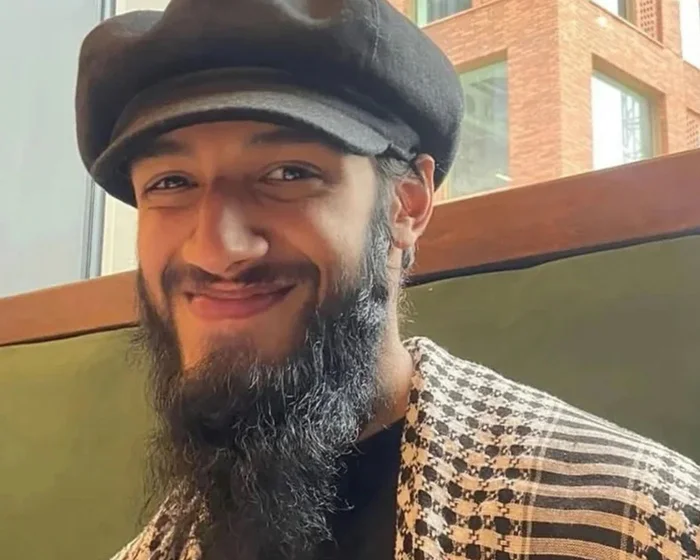
The cold stone floors of Wormwood Scrubs represent a harsh reality for many inmates within the British justice system. For Umer Khalid, a young man from Stockport, these floors have become his only means of movement. At twenty-two years old, Khalid suffers from a debilitating condition known as limb-girdle muscular dystrophy. This rare genetic disorder causes the muscles in the arms and legs to waste away over time. Instead of receiving specialized medical care, Khalid claims he must crawl to reach his vital daily medications. The young man is currently awaiting trial for his alleged role in a protest. This demonstration involved a high-profile break-in at RAF Brize Norton during the previous calendar year. While he awaits his January trial date, his physical health has reportedly declined at an alarming rate. Visitors to the prison have expressed deep shock at the current state of his body. They describe seeing skin hanging loosely from bones that were once supported by healthy muscle tissue. Khalid himself reflects on his situation with a sense of profound and heavy sadness. He recently compared his treatment in London to that of a stray animal. During a visit to Pakistan, he once saw an injured dog crawling through the dirt. At the time, he felt a deep well of sympathy for the lonely creature. Now, he finds himself in a similar position but feels far less human. The lack of a wheelchair has forced him to navigate his cell on hands. Recent falls have injured his shoulder, making even the act of crawling nearly impossible. He speaks of the dehumanizing nature of his daily struggle for basic dignity and movement. The prison environment was never designed for those with such severe physical mobility limitations. Consequently, Khalid reports that he went twenty-six days without having a single proper shower. This occurred because the facility lacked a shower chair suitable for his specific physical needs. His mother, Shabana Khalid, visited him recently and was left feeling utterly horrified by him. She described her son as looking like a skeleton wrapped in layers of thin skin. The family is now calling for an immediate review of his ongoing medical treatment. They are also demanding the full release of his medical records to his lawyers.
The allegations regarding his safety during emergency situations are particularly concerning to human rights groups. Khalid claims that during a fire alarm in April, officers simply left him behind. He watched them look into his cell and walk away while he lay incapacitated. At that moment, he was in too much pain to reach his buzzer. The sheer isolation of being left in a burning building is a terrifying thought. He has also missed critical appointments with neurologists and physiotherapists due to his lack of mobility. Without a wheelchair that fits his cell, he simply cannot reach the medical wing. He has reportedly only seen a specialist once during the entire current calendar year. This lack of intervention has led to a rapid deterioration of his physical strength. A neurologist previously recommended specific supplements and a high protein diet for his rare condition. Khalid claims these recommendations have been ignored by the prison staff for many weeks. Instead, he alleges that healthcare workers have accused him of exaggerating his painful symptoms. This skepticism has reportedly filtered down to the frontline prison officers who manage him. Such accusations of feigning illness are deeply distressing to a man diagnosed in 2014. His diagnosis has been a matter of medical record for over a decade now. Yet, he feels his basic needs are being dismissed as mere dramatic performances. The tension between the inmate and the staff has created a very toxic environment. Khalid participated in a hunger strike earlier this year with other political activist groups. Some believe this history of activism has influenced how he is treated by staff. Regardless of the charges against him, his right to medical care remains protected. The Ministry of Justice maintains that the Prison Service caters to all known disabilities. They state that every prisoner undergoes a full health assessment upon entering the facility. Appropriate actions are supposedly taken to ensure that all individual needs are met. However, the gap between official policy and Khalid’s lived experience is quite vast. His legal team is now preparing a formal challenge to his current conditions. They argue that his incarceration has become a form of cruel and unusual punishment. The case has sparked a wider conversation about disability rights within the UK prison system. Many wonder how many others are suffering in silence behind these thick Victorian walls.
The physical constraints of Wormwood Scrubs pose a significant challenge for modern medical equipment. Khalid was eventually provided with a wheelchair, but it proved to be almost entirely useless. The chair was too wide to fit through the narrow door of his cell. It also could not navigate the cramped corridors of the old London prison building. He attempted to use it but fell out twice while trying to enter. Following these accidents, he was told the chair was for visiting hall use only. This decision effectively stripped him of his independence within his own small living area. To get his medicine, he must descend to the floor and pull himself along. This process is both physically exhausting and emotionally draining for a young man in pain. He describes the pain as a constant companion that never truly leaves his side. The lack of proper physical therapy has caused his joints to lock up further. Each day without movement makes the prospect of future recovery seem much more distant. His family is worried that the damage being done now will be permanent. They believe the prison is failing in its fundamental duty of care to him. The emotional toll on his mother has been visible to everyone who knows her. She feels helpless watching her son waste away while the authorities remain largely indifferent. The English Chronicle has reached out for further clarification on his specific care plan. We are committed to following this story as it develops in the coming weeks. The intersection of criminal justice and healthcare is always a complex and difficult area. However, the image of a disabled man crawling for medicine is hard to ignore. It raises fundamental questions about the values we hold as a modern society today. If a prisoner cannot walk, the state must surely provide the means for him. The legal battle for Khalid’s medical records will likely be a very long one. In the meantime, he remains in his cell, waiting for the next day. His story serves as a stark reminder of the vulnerabilities of the disabled. Justice must be served, but it should not come at the cost of humanity. We will continue to monitor the situation at Wormwood Scrubs very closely indeed. The public deserves to know the truth about what happens behind closed prison doors. Only through transparency can we hope to see any real and lasting change. Khalid’s struggle is a lonely one, but he is no longer completely invisible. His voice has reached the outside world through these very difficult and dark reports. We hope for a resolution that respects his health and his human rights. The eyes of the community are now firmly fixed on this London jail.
Related News:
 Mansfield condemns refusal to meet hunger strikers
 Grief, Fear and Fury: Mothers Unite to End Israeli-Palestinian Violence
 Protest Rights Under Threat Across England and Wales
 Gambia Supreme Court Hears Case to Overturn FGM Ban
 Iran Leader Blames Protesters, Says They Serve Trump
 Civil groups oppose new anti-protest powers in England and Wales
 Iran Death Toll Crisis Exposed: Bodies, Mass Graves, and Concealment
 Calls Grow for King Charles to Apologise for Crown’s Role in Slavery
 Thousands Protest ICE in New York Against Trump Deportation Campaign
 Concerns rise for Canberra boy amid Iran detention fears
 Australian Women in Syrian Camp Offer Separation Deal
 Hero Rescuer Saves Baby from Icy Chicago Lake
 Brazilian Politician Brothers Sentenced for Marielle Murder
 Anthony Albanese Must Uphold Rights for All Australians
 Woman Executed in Somalia Sparks Debate on Justice System
 Uganda Crackdown: Two Women Arrested for Public Kissing
 UK Activism Faces New Threats From Growing Repression
 Tribunal Rules Burgertory Founder’s Chant Incited Hatred
 Hong Kong Bookstore Arrests Spark New Freedom Concerns
 Police Seek Immunity in Indigenous Custody Death Case
 Manila Transport Crisis: Fuel Costs Hit Breaking Point
 UN Warns Israeli Death Penalty Bill Could Be a War Crime
 UK Activist Leaders Convicted Over Protest Violations
 Spain Faces Backlash Over Xenophobic Chants in Egypt Draw
 A Global Voice For Justice: Stephen Lewis Dies At Age 88
 Artist Sues in Paris Over Israeli Strike Killing Parents
 Canadian Mother and Daughter Released From ICE Detention
 Death, displacement and military duties: children plunged into crisis
 Queensland Youth Justice Debate: The Data Behind the Law
 Gaza Child Arrives in UK for Life-Changing Care
 Brisbane Rideshare Driver Faces Serious Assault Charges
 Tragedy in the Channel as Four Lives Lost in Boat Sinking
 Asylum Seekers Bound in Restraints During Removal Flights
 Kyiv and Odesa Mourn After Deadly Wave of Russian Strikes
 France Urges Release of Elderly Widow Held by ICE
 Charity Sector Sounds Alarm Over Proposed Regulatory Powers
 Queensland Protests Challenge New Speech Laws
 Trump Weighs Sending Afghan Allies to the Congo
 Prominent Voices Challenge Palestine Action Ban
 Aid Crisis Grows as Hormuz War Disrupts Supply
 Australian Activists Detained as Gaza Aid Flotilla Intercepted
 Standoff Over Syria: Australia Defies Trump Repatriation Plea
 Judge halts deportation of Yemeni refugees in US
 Activists allege abuse after Gaza flotilla seizure
 Asylum deal sparks fears over Syria deportations
 UK Watchdogs Warn Over AI Facial Recognition Oversight
 Alice Springs Murder Case: Justice Begins for Little Baby
 Afghan Families Left in Limbo Face Risk of Deportation
 Three Australian Women Detained Over Islamic State Links
 Australia Faces Rising Tide of Modern Antisemitism
 Security Failures and the Road to the Bondi Inquiry
 Trump Announces 3-Day Russia–Ukraine Ceasefire Deal
 Immigration Judges Fear Pressure in Trump Era
 Mexico’s Missing: State Complicity in a Growing Crisis
 Human Rights Barrister Wins Appeal Over Contempt Charge
 Plea for Mercy: The Battle to Bring Ahmed al-Doush Home
 Farage Faces Backlash Over Support for Preacher
 Court Upholds Landmark Win for Transgender Rights
 The Hidden Cost of Separation for Refugee Families
 Taliban Codifies Strict New Marriage and Divorce Legislation
 Israeli Strikes in Lebanon Kill 10 Amid Ceasefire Strain
 US green card applicants must apply from abroad, DHS says
 China mine blast death toll rises to 90
 Victim says non-custodial rape sentence ‘rock in my face’
 Former ICC prosecutor condemns US sanctions
 Preserving the Fragile Memories of Tiananmen Square
 Silenced Stitches: The Cost of Memory in Hong Kong
 Vision Lost Amid the Rubble of Modern Conflict
 Controversial London Property Show Sparks Legal Fury
 UK Watchdog Launches Major Privacy Inquiry Over NHS Bedroom Cameras
 US Supreme Court Rejects Trump Attack on Birthright Law
 UK Charity Funds Illegal Hebron Settlement Expansion
 Unflinching Witness: Doctors Document Gaza’s Medical Crisis
 Evidence of Abuse: New Photo Sparks Global Outrage
 Ukraine Creates Long-Range Strike Command
 Dreyfus Statue Finally Gets Permanent Paris Home
 Asylum Seekers Struggle as Hotel Closures Cause Chaos
 Florida Executes One of Its Oldest Death Row Prisoners
 Israeli Strike in Southern Lebanon Kills Seven
 Five Years of Taliban Rule Leave Afghanistan in Crisis