Published: 11 May 2026. The English Chronicle Desk. The English Chronicle Online.
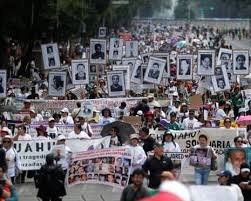
A harrowing new report highlights a grave humanitarian crisis currently unfolding across the Mexican landscape. The Inter-American Commission on Human Rights has released a sweeping and deeply disturbing formal investigation. This document presents a dire picture of disappearances involving more than one hundred thousand people. Most of these tragic cases occurred after the government declared war on powerful drug cartels. Criminal gangs are certainly responsible for the vast majority of these terrifying and lawless acts. However, the report reveals that many disappearances occur in close coordination with various state agents. This deep collusion suggests a systemic failure within the Mexican government and its local authorities. State actors are involved in these disappearances at an alarming and truly unacceptable rate today. Direct disappearances committed by government officials have not yet been eradicated from the modern nation. In some regions, officials carry out almost as many disappearances as the violent criminal groups. This data indicates a blurring line between the law and the underworld in many areas. The report describes a chilling number of cases involving torture and forced state-led disappearances. Forced disappearance typically involves a person being detained and extrajudicially killed by the central state. The body is then destroyed or hidden to prevent any future discovery by loved ones. Mexico has a very long and dark history regarding these specific types of brutal tactics. This history goes back to the dirty war during the nineteen sixties and seventies eras. During that time, political dissidents were famously thrown from planes into the vast Pacific Ocean. In recent years, organised crime groups have adopted these same tactics to sow widespread terror. They use these methods to intimidate rivals or erase all evidence of their many homicides. They frequently burn bodies or bury them in mass graves located in very remote areas. Sometimes they even dissolve the remains of their victims in large vats of corrosive acid. In the last ten years, reported disappearances have increased by more than two hundred percent. State actors are often involved by snatching people from their homes without any legal warrants. They then hand these individuals over to criminal groups for final and fatal execution. In other instances, officials simply look the other way while these horrific crimes take place. Organised crime in Mexico actively recruits state agents who are in charge of security tasks. This recruitment extends to law enforcement officers and even several high ranking Mexican political authorities.
President Claudia Sheinbaum and her government have repeatedly rejected these very serious international assertions. When the United Nations suggested evidence of enforced disappearances, the President did not mince words. She claimed there is no forced disappearance by the state in Mexico at this time. She stated her administration has fought against such practices throughout their entire political lives. The President insisted that state-led disappearances simply do not exist within the modern Mexican nation. Last month, the United Nations stated these crimes continue as recognized crimes against humanity. The Mexican government responded to these findings with a very prickly and dismissive formal stance. They officially rejected the international report as being both biased and dismissive of their efforts. Activists argue this response is part of a wider effort to underplay the issue. Authorities recently suggested that a third of cases lacked enough data to be solved. This effectively allowed the government to wash its hands of forty thousand missing human beings. Maria Luisa Aguilar Rodriguez says they are trying to minimise the scale of the problem. She believes the government is unfairly shifting the responsibility of searching onto the grieving families. This is a critical issue because the state response has been incredibly meagre and slow. Families have been forced to organise into their own collectives to search for loved ones. These brave families face massive institutional challenges and constantly risk their own lives every day. The report describes how disappearance now affects entire families across the whole of Mexico. Several families have lost almost all of their relatives because of this recurring crime. While searching for their lost kin, other family members have also been disappeared or killed. Since twenty ten, at least twenty seven people searching for family members have been murdered. Most of these victims were mothers who were simply looking for their missing children. The commission did recognise that Mexico has adopted some actions to confront these disappearances. They reactivated the National Search Commission to help find those who have recently gone missing. The government has also formally recognised the issue as a significant and ongoing humanitarian crisis.
However, the country continues to grapple with a massive and failing national forensics system. There are currently seventy thousand dead bodies in state custody that are yet to be identified. This forensics fiasco prevents families from finding closure or laying their loved ones to rest. Mexico’s feeble justice system has been unable to meet the demands of this catastrophe. The commission noted that impunity in Mexico remains an insurmountable and deeply rooted national problem. Since twenty fourteen, only three hundred and fifty seven people have faced any formal charges. Out of those charged, only nine individuals have actually been convicted of the crime. These staggering numbers highlight the lack of accountability for those who commit such atrocities. The families of the missing continue to demand justice in an environment of fear. International observers are calling for immediate and transparent reforms to the Mexican judicial process. Without significant changes, the cycle of violence and state complicity will likely continue unabated. The world is watching as Mexico struggles to address this deep and painful wound. Each missing person represents a family torn apart and a community living in deep shadows. The stories of the disappeared serve as a haunting reminder of the work ahead. Human rights groups insist that the government must take full responsibility for its role. Only then can the healing process begin for the thousands of grieving Mexican families. The English Chronicle will continue to monitor this developing story as more information emerges. Our thoughts remain with the families who are still searching for their missing loved ones. The pursuit of truth and justice remains a vital goal for the international community. We hope this report brings much needed attention to a crisis that defines modern Mexico. The scale of the human suffering involved is truly difficult for many to comprehend. Yet, the resilience of the searching mothers provides a small glimmer of lasting hope. They refuse to let their children be forgotten by a system that failed them. Their courage is a testament to the enduring power of love and human spirit. We must support their quest for answers and demand better from those in power. The silence of the state must be replaced by the voices of the innocent. Only through transparency can Mexico move toward a future of peace and true security. This journey will be long, but it is necessary for the soul of the nation.
Related News:
 Gambia Supreme Court Hears Case to Overturn FGM Ban
 Iran Death Toll Crisis Exposed: Bodies, Mass Graves, and Concealment
 Files Link Andrew to Epstein Dinner After Prison Release
 Thousands Protest ICE in New York Against Trump Deportation Campaign
 Concerns rise for Canberra boy amid Iran detention fears
 Brazilian Politician Brothers Sentenced for Marielle Murder
 Anthony Albanese Must Uphold Rights for All Australians
 Woman Executed in Somalia Sparks Debate on Justice System
 Uganda Crackdown: Two Women Arrested for Public Kissing
 Slovenia Election: A Nation at a Crossroads
 Police Seek Immunity in Indigenous Custody Death Case
 Manila Transport Crisis: Fuel Costs Hit Breaking Point
 UN Warns Israeli Death Penalty Bill Could Be a War Crime
 Spain Faces Backlash Over Xenophobic Chants in Egypt Draw
 A Global Voice For Justice: Stephen Lewis Dies At Age 88
 Artist Sues in Paris Over Israeli Strike Killing Parents
 Canadian Mother and Daughter Released From ICE Detention
 Bondi Nanny Adriana Rivas to Face Extradition to Chile
 Queensland Youth Justice Debate: The Data Behind the Law
 Gaza Child Arrives in UK for Life-Changing Care
 Brisbane Rideshare Driver Faces Serious Assault Charges
 Tragedy in the Channel as Four Lives Lost in Boat Sinking
 Kyiv and Odesa Mourn After Deadly Wave of Russian Strikes
 France Urges Release of Elderly Widow Held by ICE
 Trump Weighs Sending Afghan Allies to the Congo
 Prominent Voices Challenge Palestine Action Ban
 Standoff Over Syria: Australia Defies Trump Repatriation Plea
 Desperation in Odisha: A Brother’s Grim Bank Protest
 Activists allege abuse after Gaza flotilla seizure
 Australia Faces Rising Tide of Modern Antisemitism
 Security Failures and the Road to the Bondi Inquiry
 Nobel Laureates Demand Release of Activist Narges Mohammadi
 Plea for Mercy: The Battle to Bring Ahmed al-Doush Home
 Court Upholds Landmark Win for Transgender Rights
 Taliban Codifies Strict New Marriage and Divorce Legislation
 Israeli Strikes in Lebanon Kill 10 Amid Ceasefire Strain
 US judge dismisses Kilmar Abrego Garcia indictment
 Former ICC prosecutor condemns US sanctions
 Trump Faces Legal Blow Over Global Tariffs
 Silenced Stitches: The Cost of Memory in Hong Kong
 Vision Lost Amid the Rubble of Modern Conflict
 Controversial London Property Show Sparks Legal Fury
 US Supreme Court Rejects Trump Attack on Birthright Law
 Gaza Doctor Unrecognisable After Brutal Israeli Detention
 UK Charity Funds Illegal Hebron Settlement Expansion
 Taliban global ties grow as rights fears mount
 Friedman Uninvited From 2024 Adelaide Writers’ Week
 Spoof “Make America Go Away” Caps Rally Denmark Over Greenland
 New Zealand Covid Response Praised Despite Lingering Scars
 Reform UK Pledges To Halt Visas Over Reparations Demands
 US and Iran Agree to Two-Week Provisional Ceasefire
 Israel Defies Ceasefire as Lebanon Operations Persist
 Islamabad Hosts Historic Peace Talks Between Iran and USA
 Trump Signals Hope for New Iran Talks as Ceasefire Fades
 Security Alert Near Israeli Embassy as Police Investigate
 US-Iran Standoff: Will Trump Deploy Ground Troops?
 Investigation Into Anti-Trump Motives After Gala Shooting
 UK Watchdogs Warn Over AI Facial Recognition Oversight
 Trump Announces 3-Day Russia–Ukraine Ceasefire Deal
 Putin Signals War End as Russian Momentum Stalls
 Romania’s Judicial Crisis: A System Under Siege
 Scepticism and tight security as Beijing braces for Trump
 Philippine Senator Flees After Days Under Senate Siege
 Secrecy Down Under: Albanese Faces FoI Scandal
 Tony Abbott Returns as New Liberal Party President
 Discontent grows around Putin amid war strain
 Teaching Machines Right From Wrong in the Digital Age
 Oman Defies US Pressure Over Strategic Strait of Hormuz
 Ex-CIA Agent Accused of $40m Gold Theft and Fake Spy Unit
 Aukus Deal Facing Fierce Backing and Historic Criticism
 Tragic Loss of Australian Sprinter Jemma Stapleton
 Trump Urged to Condemn UFC Fighter Over Obama Slurs
 Russian Tanker Captain Remanded in UK Court After Channel Seizure
 US Military Pacific Boat Strike Kills Three People
 Trump’s Mount Rushmore Speech: A Divisive Anniversary
 Trump Swaps Planes Amid Iran Tensions
 Rotterdam Museum Honours Artist With Peanut Butter Floor
 Bangkok Nightclub Blaze Claims 30 Lives Amid Negligence Probe
 Yemen Accuses Iran of Violating National Sovereignty
 Houthis Strike Saudi Arabia as Middle East Tensions Rise