Published: 11 May 2026. The English Chronicle Desk. The English Chronicle Online.
The vast and restless waters of the South Atlantic recently witnessed an extraordinary display of British military precision and humanitarian dedication. Tristan da Cunha remains the most remote inhabited island on the entire planet and presents a formidable challenge for any visitor. This volcanic sanctuary sits thousands of miles from the nearest mainland and lacks even a basic landing strip for planes. A sudden medical crisis involving a suspected hantavirus case forced the hand of the United Kingdom government this week. A resident disembarking from the cruise ship MV Hondius brought a potential viral threat to the small community. The local medical facilities on the island are modest and were never designed for complex respiratory emergencies. When the patient began to require constant oxygen, the local administration realized that time was rapidly running out. The call for help traveled across the globe to reach the heart of the British military establishment.
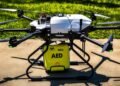
Brigadier Ed Cartwright oversees the specialized operations of the elite 16 Air Assault Brigade from his military headquarters. He faced a logistical nightmare that would intimidate even the most experienced of global tactical planners. The distance between the British Isles and this remote territory spans roughly seven thousand miles of ocean. A journey by sea would have taken over a week and the patient simply lacked that time. The military decided that a daring parachute drop was the only viable way to save a life. This decision marked the first time that medical personnel have ever parachuted into such a remote location. The risks were significant because the South Atlantic is famous for its unpredictable and violent weather patterns. Six paratroopers were selected alongside a Royal Air Force consultant and an army nurse for this mission. They prepared for a jump that would push their training and their courage to the absolute limit.
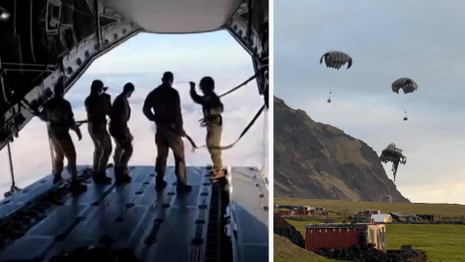
An RAF A400M transport aircraft departed from the Oxfordshire countryside at the historic RAF Brize Norton base. It was supported by an RAF Voyager to ensure it had enough fuel for the long journey. The flight path took the crew to Ascension Island before they pivoted toward the isolated volcanic peaks. Below them lay an island home to only two hundred and twenty-one resilient and worried citizens. The paratroopers looked out over a landscape that offered no easy place for a safe landing. The primary drop zone was a local golf course which was unfortunately covered in jagged volcanic rocks. High winds battered the aircraft as the team prepared to exit into the cold Atlantic air. Every second of the descent required intense focus to avoid being swept into the surrounding ocean. The commander described the jump as being particularly tasty due to the sheer technical difficulty involved.
The soldiers had to turn immediately into the wind to maintain their position over the small island. They fell through thick clouds before finally touching down on the rocky terrain of the remote outpost. Once they landed, the team immediately moved to secure the vital oxygen supplies dropped alongside them. The arrival of the medical personnel brought a wave of relief to the tiny, isolated community. This mission highlights the unique capability of the British military to project power and compassion simultaneously. The Health Security Agency continues to monitor the situation to prevent a wider outbreak on the island. Hantavirus is a serious condition that can cause severe respiratory distress if it is not treated. Providing specialized care in such an inaccessible place requires a level of coordination that is rarely seen. The patient is now receiving professional care from some of the best medical minds in the military.
Foreign Secretary Yvette Cooper spoke warmly about the operation and praised the bravery of the rescue team. She emphasized that the safety of every member of the British family remains a top priority. This sentiment resonates deeply with the residents of the overseas territories who often feel very isolated. The government is working closely with the Tristan da Cunha administration to manage the ongoing health risks. There are already plans in motion to retrieve the soldiers and the medical team very soon. Several ships are currently moving toward the island to provide a safe path back to civilization. This extraction will likely take several days due to the slow speed of maritime travel there. In the meantime, the paratroopers are settling into life on the island while they perform duties. They have successfully bridged the gap between a distant government and its most lonely outpost.
The success of this mission serves as a testament to the versatility of the RAF transport fleet. Flying such a long distance with a specific medical payload requires perfect synchronization between many different units. The pilots and the navigators deserve as much credit as the soldiers who made the jump. They navigated through some of the most difficult airspace in the world to reach their destination. This event will likely be studied by military historians for many years to come as well. It demonstrates that geography is no longer an absolute barrier to modern British humanitarian intervention efforts. The people of Tristan da Cunha will certainly never forget the day the sky opened. They watched as heroes fell from the clouds to bring life-saving air to their small home. The bond between the United Kingdom and its territories is strengthened by such profound acts.
Looking forward, the focus remains on the full recovery of the patient and the team’s return. The UK Health Security Agency will conduct a thorough review of how the virus reached land. Preventing future incidents is just as important as responding to the current crisis with such force. The MV Hondius will also likely face questions regarding its health protocols during the recent voyage. For now, the story is one of triumph over the immense scale of the Atlantic Ocean. The paratroopers have proven once again that they can go anywhere at a moment’s notice. Their presence on the island provides a sense of security that words alone cannot offer. Even on a golf course covered in rocks, the British Army finds a way home. The mission is a shining example of professionalism, responsibility, and fairness in a difficult world. We wait for the safe return of our brave men and women from the sea.
Related News:
 UK, US Medics Barred from Gaza Amid Rising Aid Concerns
 US Accused of Exploitation Over Zambia Health Aid
 New Zealand Covid Response Praised Despite Lingering Scars
 Bangladesh Launches National Drive as Measles Deaths Rise
 Hantavirus Cruise Crisis: Three Evacuated as Ship Docks
 Britons from Hantavirus Ship Face 45-Day Isolation
 Cruise Chaos as UK Passengers Enter Viral Quarantine
 French Patient Told Hantavirus Was Just Anxiety
 WHO Issues Global Warning Over Rising Hantavirus Cases
 Tragedy in Cooma: Inquest Revisit Clare Nowland Case
 Patients to Test Health at Home to Ease NHS Winter Pressure
 Reeves rejects £1bn plea for NHS redundancy payouts
 Stroke Patient Mistaken for Drunk, Care Delayed
 Five-Year-Old Dies After Rare Tonsil Surgery Complication
 More Patients Now Contacting GPs Online, Data Shows
 UK Enforces Junk Food Ad Ban Before 9pm
 Google Removes Some AI Health Summaries Over Safety Concerns
 Mandelson apologises over Epstein ties after public scrutiny
 Friedman Uninvited From 2024 Adelaide Writers’ Week
 Starmer Challenges US Over Controversial Greenland Deal
 Spoof “Make America Go Away” Caps Rally Denmark Over Greenland
 Streeting moves on doctor pay to end strike dispute
 UK reports baby formula toxin poisoning cases across the country
 Concerns rise for Canberra boy amid Iran detention fears
 Placenta Accreta Warning as Hunt Urges Action
 ‘Drinking from a Fetid Pond’: Superbug Genes in Lough Neagh
 Diplomacy on the Brink: Pakistan’s Risky Peace Mission
 Teenage Titan: Sooryavanshi Smashes IPL Records
 Big Tech Faces Investigation Over Australia’s Social Media Ban
 Palantir Boss Defends NHS Deal Amid Government Break Clause
 Sam Konstas Dropped as Australia Unveils New Contract List
 Canadian Mother and Daughter Released From ICE Detention
 Unions Raise Concerns Over Doctors’ Pay Dispute
 Reform UK Pledges To Halt Visas Over Reparations Demands
 US and Iran Agree to Two-Week Provisional Ceasefire
 Israel Defies Ceasefire as Lebanon Operations Persist
 Pakistan Brokers Historic Peace Deal Amid Rising Tensions
 Islamabad Hosts Historic Peace Talks Between Iran and USA
 Trump Signals Hope for New Iran Talks as Ceasefire Fades
 Security Alert Near Israeli Embassy as Police Investigate
 Machado Rallies in Madrid as Venezuela Stays Frozen Out
 US-Iran Standoff: Will Trump Deploy Ground Troops?
 Crisis in NHS Surgery Scheduling Hits Patients Hard
 Investigation Into Anti-Trump Motives After Gala Shooting
 Britain’s Health Decline: A Growing National Concern
 Oil Prices Surge Above $120 Amid Iran Blockade Fears
 Trump orders US troop pullout from Germany
 UK Experts Urge Four-Day Week to Combat National Obesity
 US and Mexico Face Heatwave as Floods Batter South Africa
 Putin Signals War End as Russian Momentum Stalls
 Romania’s Judicial Crisis: A System Under Siege
 Scepticism and tight security as Beijing braces for Trump
 Philippine Senator Flees After Days Under Senate Siege
 Court Upholds Landmark Win for Transgender Rights
 Fragile Truce Shattered as Violence Escapes Diplomatic Control
 Secrecy Down Under: Albanese Faces FoI Scandal
 Tony Abbott Returns as New Liberal Party President
 Pope Meets Families in Italy Toxic Waste Zone
 Discontent grows around Putin amid war strain
 Record Spending Highlights Growing Crisis In National Health Service
 Teaching Machines Right From Wrong in the Digital Age
 Oman Defies US Pressure Over Strategic Strait of Hormuz
 Ex-CIA Agent Accused of $40m Gold Theft and Fake Spy Unit
 Aukus Deal Facing Fierce Backing and Historic Criticism
 Thai Princess Bajrakitiyabha Passes Away at 47
 Clean Air Initiatives Spark Major Fall in London Hospital Admissions
 Tragic Loss of Australian Sprinter Jemma Stapleton
 Trump Urged to Condemn UFC Fighter Over Obama Slurs
 Russian Tanker Captain Remanded in UK Court After Channel Seizure
 US Military Pacific Boat Strike Kills Three People
 US Battles Auction of Titanic Artifacts
 NHS Urges Investigation For Irregular Periods
 France Dominate Sweden as Deschamps’ New Era Takes Shape
 Trump’s Mount Rushmore Speech: A Divisive Anniversary
 Trump Swaps Planes Amid Iran Tensions
 Rotterdam Museum Honours Artist With Peanut Butter Floor
 UK Schools Struggle as Classrooms Top 40C
 Bangkok Nightclub Blaze Claims 30 Lives Amid Negligence Probe
 Yemen Accuses Iran of Violating National Sovereignty
 Houthis Strike Saudi Arabia as Middle East Tensions Rise