Published: 11 May 2026. The English Chronicle Desk. The English Chronicle Online
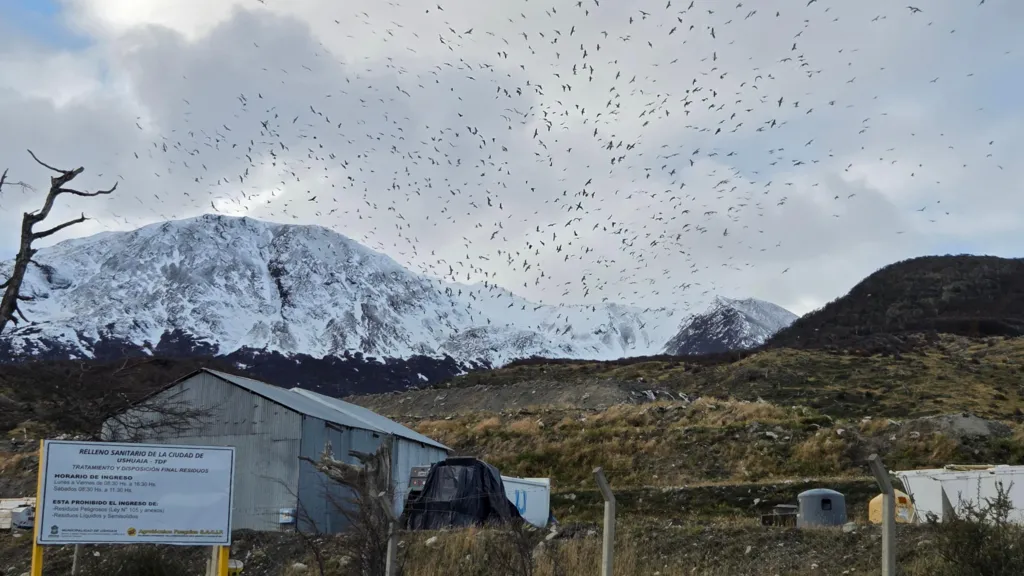
In a “national security” defense of its global reputation, officials in Ushuaia, Argentina—the world’s southernmost city—have “clinically” denied that a local landfill site is the source of the deadly Hantavirus outbreak currently gripping the cruise ship MV Hondius. Following a “160 MPH clip” of international reports linking the infection to a birdwatching trip at the “end of the world,” regional health leaders have slammed the allegations as a “nasty” smear campaign designed to bypass the “bottleneck” of broader investigations into the passengers’ four-month journey through South America.

The controversy centers on a Dutch couple, identified as “patient zero” and his wife, who both died from the virus. While federal investigators have pointed to an Ushuaia “trash heap” as the likely exposure site, local authorities are “recalibrating” the narrative, citing a “resilience deficit” in the evidence provided.
Juan Facundo Petrina, the Director of Epidemiology for Tierra del Fuego, broke his “clinical silence” on Friday to address what he called “asymmetric” accusations against the province.
The “Zero Case” History: Petrina highlighted that Tierra del Fuego has never recorded a case of Hantavirus in its history, let alone the “sacred” and rare Andes strain involved in the current “national security” event.
The “Two-Day” Alibi: The Dutch couple spent only two days in Ushuaia before boarding the ship on April 1. Officials argue this “dramatically reduces” the likelihood of local infection compared to their weeks spent in the “nasty” forested hillsides of Patagonia further north.
The “Smear Campaign” Claim: “We are facing a ‘bottleneck’ of misinformation,” Petrina shared. He suggested that linking the outbreak to the “end of the world” is a “nasty” attempt to protect more prominent tourism hubs.
The “clinical” dispute highlights a “resilience deficit” in coordination between provincial leaders and the federal Argentine government.
Media-Led Discovery: Local officials claim they only learned of the “Ushuaia connection” via “160 MPH” media reports, bypassing the “sacred” protocols of direct health department communication.
The “Landfill” Lure: While federal experts suggest the couple visited a landfill to spot rare birds, local authorities insist the site is “clinically” managed and does not house the specific rodent populations associated with the Andes virus.
The “Economic” Emergency: With over 157,000 cruise passengers visiting annually, the “nasty” association with a lethal virus has triggered a “national security” panic for the local economy. “Reservations will plummet if this ‘accountability rot’ continues,” warned a former health minister.
As the MV Hondius prepares to dock in the Canary Islands, the “clinical” focus remains on identifying the true source of the “asymmetric” infection.
Justice Has No Expiry Date: The WHO and CDC are “clinically” reviewing the couple’s entire itinerary, which spanned several provinces in Argentina and Chile. “We must bypass the ‘bottleneck’ of blame and follow the science,” a UN official noted.
The “160 MPH” Sequencing: Lab results from the NICD in South Africa have confirmed the Andes virus, a “milestone” finding that proves human-to-human transmission occurred onboard after the initial environmental exposure.
The “Humanitarian” Standard: Amid the “nasty” legal and political fallout, the focus remains on the “sacred” task of monitoring the remaining 147 passengers and crew for the remainder of their 45-day isolation.

The denial from Ushuaia is a “clinical” reminder that in a “national security” health crisis, the “bottleneck” of blame moves as fast as the virus itself.
“We have bypassed the ‘bottleneck’ of silence to protect our home,” an Ushuaia tourism board member remarked. By acknowledging the “resilience deficit” in the federal investigation, the “end of the world” is fighting to maintain its “golden tone” as a safe gateway to Antarctica. For now, the “clinical silence” of the South Atlantic holds the only “speechless determination” that can truly settle the “nasty” debate over where this “milestone” outbreak truly began.
Related News:
 Two Britons Among Three Dead in French Alps Avalanche
 Cuban Cigar Festival Cancelled Amid US-Linked Energy Crisis
 Jet2 Hands Passengers Life Ban After Mid‑Air Brawl
 Dual Nationals Face Scramble for UK Passports as New Rules Come Into Force
 Inland Australia Town Turns Streets into a Beach for Volleyball Contest
 Major 7.1 Earthquake Strikes Off Malaysian Tourist Coast
 Brit Killed in Horror Bus Crash as 18 Others Die and 25 Injured
 Storm Hernando: Edinburgh Airport Flights Cancelled in US Travel Chaos
Storm Hernando: Edinburgh Airport Flights Cancelled in US Travel Chaos
Storm Hernando: Edinburgh Airport Flights Cancelled in US Travel Chaos
 ‘Burned and Destroyed’: Locals and Tourists Describe Mexico Unrest
 Probe After Illness Kills 72 Tigers in Thailand
 More Than 5,000 Flights Cancelled as US East Coast Digs Out of Record Snow
 UK’s New Travel System: What It Is and How Dual Nationals Are Impacted
 Middle East Airspace Crisis Strands Thousands
 Flights Cancelled and New Travel Warnings Issued After Iran Strikes
 Islanders Advised on Travel to Middle East Amid Escalation
 Australian GP Confident Amid Travel Disruption
 Limited Flights Leave UAE But Disruption Continues Amid Iran Strikes
 The Little‑Known ‘Serengeti of South America’ Revealed
 U.S. Tells Citizens to Leave Israel Now as Regional Conflict Escalates
 First Wave of Europeans Stranded by Iran Conflict Return Home, With Hundreds of Thousands Still Left in Region
 UK Government’s First Repatriation Flight to Leave Middle East, More Planned
 Passengers on Dubai‑Dublin Flight ‘Never So Happy to Be Home’
 Boy, 12, Home After Being Stranded in Middle East
 Israel and Iran Launch New Strikes as First UK Flight Bringing Citizens Home Is Delayed
 ‘Holiday From Hell’ Leaves UK Couple Stranded in Thailand
 My One-Hour Flight Transfer Left Me Facing 10 Days Stuck in a City Under Attack
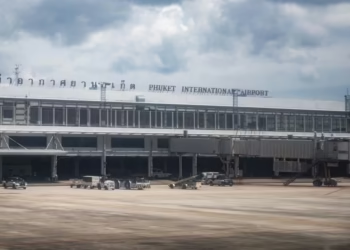 Air India Express Plane Damaged in Chaotic Landing at Phuket Airport
 I’ve Lived in a French Village for 35 Years. This is Why They are So Special.
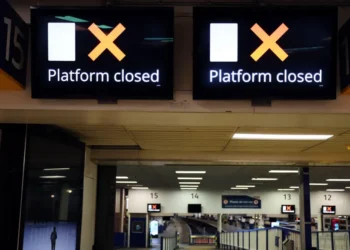 Euston’s Easter Silence: Major Rail Shutdown Paralyzes West Coast Main Line
 Easter Travel Chaos: M1 Near Luton Airport Shut After Serious Collision
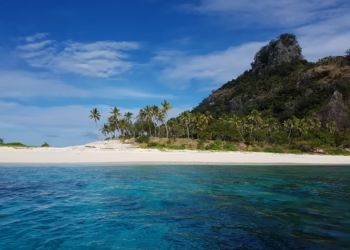 Paradise Aground: Cruise Ship Evacuated After Striking Reef Near ‘Cast Away’ Island
 The Outback Squeeze: ‘Out of Control’ Diesel Prices Threaten Australia’s Freight Arteries
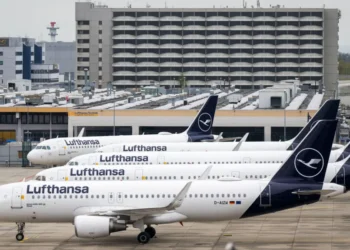 Grounded: Lufthansa Slashes 20,000 Summer Flights as Fuel Crisis Bites
 Two Dead in Adelaide Airport Plane Crash Fire
 “A Summer of Consolidation”: Government Triggers Emergency Flight Rules as Jet Fuel Crisis Looms
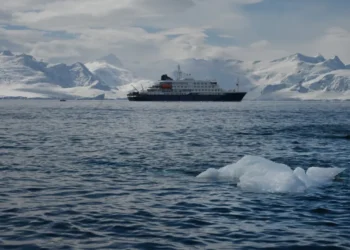 “The Floating Fever”: WHO Confirms Second Hantavirus Case as Cruise Outbreak Death Toll Reaches Three
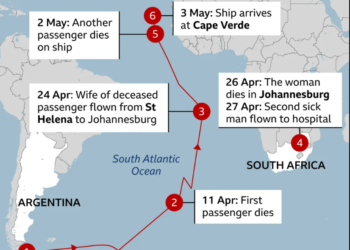 The Quarantine Crossing”: Hantavirus-Hit MV Hondius Bound for Canary Islands After Deadly Outbreak
 “The Ghost Galleon”: Hantavirus-Hit Cruise Ship Bound for Tenerife After High-Stakes Evacuations
 “The Sky Gaps”: ‘Turbulent’ Geopolitics and Storm Damage Force Temporary Flight Halts
 “The Window-Seat Office”: Working Life on the ‘Most Scenic Railway Line in the World’
 “The Porthole Prison”: Passengers Reveal Life Inside the ‘Clinical Silence’ of the Hantavirus-Stranded MV Hondius
 “The Mirage of Stability”: Gulf Economies Face Long-Term ‘Resilience Deficit’ from Iran Conflict
 “Not a New Pandemic”: UN Health Agency Calms Global Fears Over ‘Nasty’ Hantavirus Cruise Outbreak
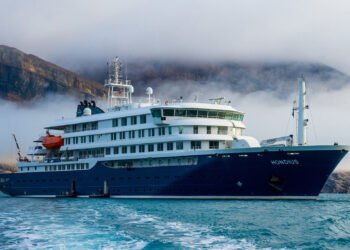 Bad Weather Threatens Hantavirus Cruise Ship Evacuation
 Search Intensifies for Missing Hiker on WA Bibbulmun Track
 Chaos at Ibrox as Martin’s Rangers Era Comes to an End
 Russia’s Latest Push to Win US Favors Shows Deep Desperation
 BBC to Apologise Over Edited Trump Speech Amid Backlash
 Greene Pushes Epstein Files Amid Trump Fallout
 Zelenskyy Signs Fighter Jet Deal Amid Russian Drone Attacks
 Shadow Fleet at Sea: Europe’s Battle Against Illicit Oil Shipping
 US Suspends Afghan Immigration After White House Shooting
 ‘Extinct’ Antelope Returns to Sahara, Bringing Hope
 Sydney Shark Attack Surge Shocks Australia Beaches
 Hilary Knight speaks out on Trump’s recent hockey remarks
 American Citizen Killed in Cuba Boat Shooting, U.S. Officials Say
 Iran’s Regime Still Intact — Coming Days Will Test Its Survival
 In Maps: Strikes Across Iran and the Middle East
 Brit ‘in Good Spirits’ Amid Dubai Missile Attacks, Stranded but Safe
 Civilian Deaths in Iran Pass 700 Amid Fear of Bombs and Regime Clampdown
 ‘Every Day Feels Like a Month’: Iranians Describe Life Under ‘Constant’ US‑Israeli Strikes
 Penny Wong silent on Australian crew in sub strike
 Finland Plans to Lift Decades‑Old Ban on Hosting Nuclear Weapons
 Trump Pressures Congress Over Save America Act
 Iran War Puts Trump at Political Risk Amid Rising Prices
 Goma Drone Attack Kills Three as Conflict Escalates
 Queensland Protest Laws Spark Free Speech Backlash
 Trump Nato threats expose Iran strategy vacuum
 Trump Facing Backlash from Epstein Survivors Over Files
 UK Forces Ready to Seize Russian Shadow Fleet Vessels
 Trump Considers Military Operation to Seize Iran’s Uranium
 “It Ends With Trial”: Judge Tosses Blake Lively’s Sexual Harassment Claims Against Justin Baldoni
 The Banbridge Rescue: 300 Sheep Saved from Massive Hay Shed Inferno
 Report Says Pezzullo Acted ‘Recklessly’ in Dealings
 Oil and Diplomacy: Russian Refineries Burn as Zelenskyy Secures Middle East Shield
 Electric Shock: Australians Buy Record Number of New EVs as Fuel Crisis Bites
 The Suffocating Silhouette: Why Metal’s Mask Trend is Turning Deadly
 The Great Chokehold: Why the Strait of Hormuz is the Epicenter of the 2026 Crisis
 Moldova River Crisis Exposes War’s Hidden Cost