Published: 28 July 2026 | The English Chronicle Desk | The English Chronicle Online
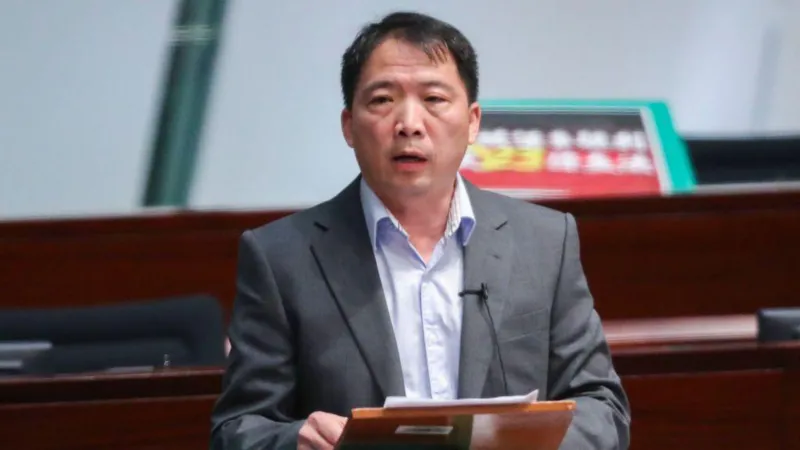
A Hong Kong pro-democracy activist facing the threat of deportation from the United Kingdom has been allowed to remain in the country after authorities reviewed his case, marking a significant development for campaigners concerned about the safety of political activists living abroad.
The decision has been welcomed by supporters who argued that returning the activist to Hong Kong could expose him to serious risks because of his political views and previous involvement in democracy campaigns. The case has renewed debate in the UK over the protection of overseas activists, immigration decisions and Britain’s approach to individuals fleeing political pressure.
The activist, whose case attracted international attention, had faced uncertainty over his future in the UK after being informed that he could be removed from the country. Supporters launched campaigns urging the government to reconsider the decision, arguing that deportation could place him in danger.
Following further consideration, authorities decided that he would be permitted to remain in Britain, allowing him to continue living and working in safety.

The case comes amid continuing concerns among Hong Kong activists overseas following the introduction of the National Security Law in Hong Kong in 2020. The legislation significantly expanded government powers over offences related to national security, including alleged secession, subversion, terrorism and foreign interference.
Human rights organisations have argued that the law has been used to restrict political expression and limit opposition activity. Hong Kong authorities, however, have maintained that the legislation is necessary to protect national security and restore stability after periods of unrest.
Many activists who previously participated in Hong Kong’s pro-democracy movement have since moved abroad, particularly to countries including the UK, Canada, Australia and the United States.
The United Kingdom has become a major destination for Hong Kong residents following the introduction of the British National (Overseas) visa route, which was created to provide eligible Hong Kong citizens with a pathway to live and work in Britain.
The scheme was introduced after Britain expressed concerns about changes to Hong Kong’s political freedoms and its obligations under international agreements.
Supporters of Hong Kong activists say countries offering protection must ensure that individuals are not returned to situations where they may face persecution because of their political beliefs.
The decision in this case has been described by campaigners as an important recognition of those concerns.
Human rights groups have repeatedly called on governments to consider the circumstances of political activists carefully when making immigration decisions.
They argue that cases involving individuals who have publicly criticised governments or participated in political movements require additional assessment because ordinary deportation procedures may not fully account for potential risks.
The UK government has previously stated that immigration decisions are made based on legal requirements, evidence and individual circumstances.
Officials have said that each case is assessed separately and that the country remains committed to both protecting human rights and maintaining control over its immigration system.
The debate surrounding the activist’s situation reflects wider tensions between national immigration policies and international human rights obligations.
Governments must balance decisions about who can remain in their countries with responsibilities to protect individuals facing credible threats.
For Hong Kong activists, concerns about safety have become increasingly prominent.
Some activists abroad have reported pressure, intimidation and attempts to monitor their activities. Others have faced legal action or public criticism from Hong Kong authorities over their political positions.
The Hong Kong government has rejected claims that it targets people simply for expressing opinions, stating that enforcement actions are directed only at individuals who violate national security laws.
However, critics argue that the broad nature of the legislation has created an environment where political opposition and criticism have become increasingly difficult.
The UK has previously expressed concerns about developments in Hong Kong, including restrictions affecting civil society, media organisations and opposition groups.
British officials have said they remain committed to supporting Hong Kong residents who qualify for immigration routes and ensuring that international commitments are respected.
The activist’s case also highlights the role of civil society groups and community organisations in supporting people facing immigration challenges.
Campaigners often provide legal assistance, raise public awareness and work with policymakers to highlight cases they believe involve humanitarian concerns.
Supporters of the activist said the outcome demonstrated the importance of public attention and advocacy when individuals face uncertain futures.
They argued that allowing him to stay sends a message that democratic values and freedom of expression remain important principles in the UK.
Critics of government decisions involving political activists have sometimes argued that immigration policies should not become influenced by political campaigns.
They say authorities must maintain consistent legal standards and avoid making decisions based solely on public pressure.
The government has responded that all cases are considered through established legal processes.
The broader issue of protecting political refugees and activists is becoming increasingly significant as political conflicts and restrictions on civil liberties lead more people to seek safety abroad.
Countries offering refuge face difficult decisions about how best to support individuals while managing domestic legal frameworks.
Experts say that international cooperation is essential in addressing the challenges faced by activists forced to leave their home countries.
They argue that protecting freedom of expression and political participation requires not only national action but also global commitment.
For the Hong Kong activist involved in this case, the decision provides relief after a period of uncertainty.
Remaining in the UK allows him to continue his life without the immediate fear of deportation and potential consequences upon return.

For supporters, the outcome represents a victory for human rights advocacy and a reminder of the importance of considering individual circumstances in immigration decisions.
The case is also likely to contribute to wider discussions about Britain’s role in supporting people affected by political changes overseas.
As more activists seek protection in foreign countries, governments will continue facing questions about how to balance immigration control with commitments to human rights and democratic freedoms.
The decision allowing the Hong Kong activist to remain in the UK marks one chapter in that ongoing debate, highlighting the complex relationship between politics, security and humanitarian responsibility.
Related News:
 UK and EU Signal Fresh Push for Defence Cooperation Talks
 ‘Seismic Change’: How Nationalist Wins in Celtic Nations Could Reshape the UK
 UK may ban protests amid rising antisemitism fears
 Trump’s Revenge Drive Deepens GOP Divide
 Farage and Reform UK Reshape British Politics
 Starmer Leadership Under Pressure After Setbacks
 Andrew Accused Over Royal Lodge Cottage Rentals
 MPs Warn UK Asylum System Nears Breaking Point
 Le Pen’s Popularity Holds Despite Conviction
 Reform UK Reports Polanski to Police Over T-Shirt Post
 Jailed Georgian Opposition Leaders Warn UK of Iranian Links to Ruling Party
 British Woman in Iran ‘Losing Hope’ Amid Ongoing Detention
 Johnson Approved China’s London ‘Super-Embassy’ in 2018
 BBC Journalist Held and Interrogated in Vietnam
 French Taxi Driver Cleared in David Lammy Theft Case After Fare Dispute
 Just Stop Oil Protesters Convicted Amid Climate Defence Row
 Major Rent Reform Ends No-Fault Evictions in England
 Peers Flood Assisted Dying Bill with 942 Amendments
 US Justice Department Files Lawsuit Against California Over Partisan Voting Maps
 Trump Deploys DHS to Charlotte in Major Arrest Operation
 UK Asylum Overhaul Sparks Debate Over Human Rights and Deportations
 Rama Rebukes Mahmood for Targeting Albanian Families
 Peers Get Extra Time to Debate Assisted Dying Bill
 Plans to Limit Jury Trials Face Retreat After Mounting Opposition
 Starmer China visit raises human rights pressure on Beijing
 Last‑ditch Call to Save Police Front Counters in London
 Civil Service Pay: Union Urges Ministers to End ‘Barking Mad’ Limits
 Trump and Chagos Deal Rift Over Iran Strikes
 How Much Could Andrew’s Arrest Hurt the Royal Family?
 Andrew Mountbatten-Windsor Arrest After FBI Radar
 Farage Chagos Islands Row Sparks Fury
 Trump Tariffs Threat Spark UK and EU Alarm
 Trump Rebukes Starmer Over Iran Strikes Row
 Manchester Students Mourn Ayatollah Amid Protest
 UK Prepares Aircraft Carrier for Middle East Crisis
 Proposed Law Leaves Gap for Children of Convicted Paedophiles
 Queensland Protest Laws Spark Free Speech Backlash
 Yvette Cooper: UK Must Follow Principles, Not US Pressure
 US Lawmaker Demands Testimony Over Sarah Ferguson’s ‘Close Epstein Ties’
 The Last of the Lords: Two Hereditary Peers to Retain Ceremonial Roles Amid Historic Ousting
 ‘My Daughter is Under the Rubble’: The Human Cost of the Tehran Strikes
 ‘Eye in the Sky’ Blinded: Photos Reveal Destroyed US Radar Jet at Saudi Base
 ‘Full and Immediate Access’: Netanyahu Reverses Palm Sunday Ban on Latin Patriarch
 Report Says Pezzullo Acted ‘Recklessly’ in Dealings
 The $100 Billion Peace: Trump’s ‘Grand Bargain’ Ends Iran Conflict at a Staggering Cost
 Mass Arrests at London Palestine Protest Spark Debate
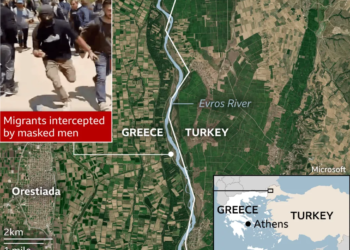 The Masked Frontier: Allegations of Greek Police Using Proxies for ‘Seismic’ Border Pushbacks
 MoD Has Lost Track of Veteran Recall List, Says Adviser
 Canadian astronaut French words ease language row
 Starmer Faces Pressure Over Mandelson Vetting Scandal
 Border Breakthrough: UK and France Finalize New £662m Small Boats Deal
 NHS Safety Fears as Nurses Cover Doctor Gaps
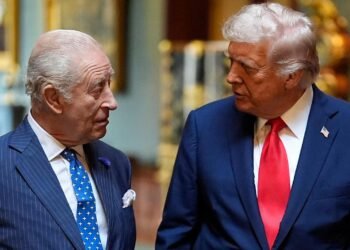 Charles Faces Trump Test in High-Stakes US Visit
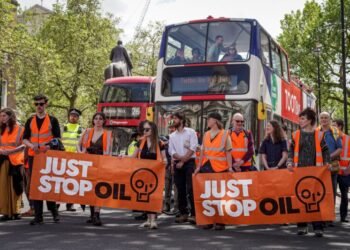 Crackdown Backfires on UK Climate Protesters
 Ukraine Urges UK to Seize Russian Oil Tankers
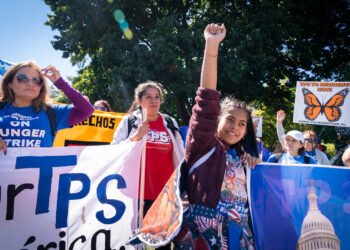 US Court Weighs Fate of TPS for Migrants
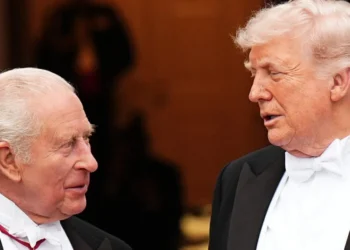 The “Charles Charm” Offensive: Did the Royals Find Their Mojo in D.C.?
 US Court Ruling Reshapes Voting Rights Landscape
 Cartel crackdown raises fears of fresh violence
 US states redraw maps after voting rights ruling
 “Not a Game Show”: Sir John Major Slams the “Projected Career” Culture of Modern No. 10
 Asylum deal sparks fears over Syria deportations
 Trump warns Iran as Middle East tensions surge again
 US Court Restores Abortion Pill Access Temporarily
 “The Cost of Conviction”: Palestine Action Activists Found Guilty Over ‘Clinical’ Factory Damage
 France Faces Record Presidential Crowded Race Amid Far-Right Surge
 Immigration Judges Fear Pressure in Trump Era
 Labour Members Turn Against Starmer Leadership
 UK Pushes for New EU Goods Trade Deal
 Former ICC prosecutor condemns US sanctions
 UK Faces Most Dangerous Era, Military Chief Warns
 Royal Navy Mourns Devastating Helicopter Loss
 Son Urges Iran Prisoner Exchange for Jailed British Pair
 UK Government Cancels Higher Education Programme for Women and Girls
 Labour MPs Urge Burnham to Revive UK Aid Target
 Three-Quarters of England’s Riverbanks Still Off Limits
 Trump Orders Signs Criticising Smithsonian Museum
 India’s Gen Z Protest Movement Enters a New Phase
 Technical Subjects to Be Expanded for Pupils Aged 14
 Burnham Reaffirms Support for Ukraine During Zelensky Visit