Published: 20 May 2026. The English Chronicle Desk. The English Chronicle Online.
The delicate peace holding the Middle East together appears increasingly fragile after a dramatic modern intervention. Donald Trump has once again escalated his rhetoric by threatening significant military action against Iranian targets. The American leader indicated that fresh attacks could commence within days if negotiations remain completely stalled. This warning comes despite a current ceasefire that has successfully prevented open warfare since last month.
The global community has watched the developing situation with a profound sense of growing anxiety. The American president revealed he was just one hour away from launching major airstrikes yesterday. He ultimately chose to pause the military operation following a sudden diplomatic intervention from Pakistan. Pakistani officials have been working tirelessly to mediate between the two highly antagonistic nations recently.
The decision to delay the strikes also reflects deep concerns among traditional American allies. Regional powers like Saudi Arabia and the United Arab Emirates prefer to avoid further devastation. Qatar has also expressed considerable reluctance to see a major resumption of regional military hostilities. These wealthy Gulf nations understand that renewed fighting will severely impact their own economic stability.
Donald Trump claimed that leaders in Tehran are practically begging to secure a deal. However, the American president insists that any future agreement must include massive structural concessions. He specified that a massive military hit could occur by the coming weekend otherwise. The primary American objective remains preventing the Islamic Republic from developing viable nuclear weapons technology.
Despite the fiery rhetoric, many international observers remain deeply skeptical about these repeated threats. Frequent warnings without clear follow-through have led some analysts to declare a total deadlock. Neither side appears willing to suffer the immense political cost of making necessary concessions. This stubborn political impasse leaves both nations trapped in a dangerous cycle of aggressive posturing.
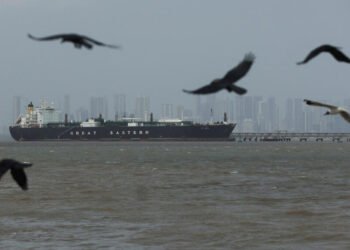
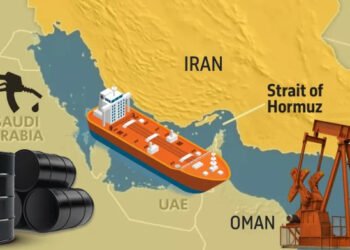
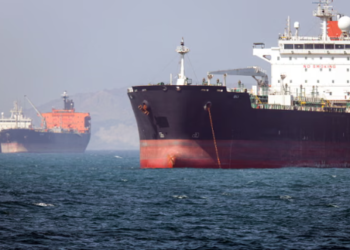
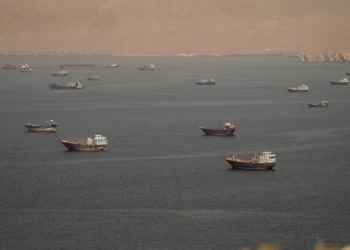
The current situation has effectively crippled international trade through a vital maritime shipping corridor. Iran continues to block the strategic Strait of Hormuz using its significant naval capabilities. This vital waterway previously carried approximately one-fifth of the entire global supply of oil. In response, the United States has enforced its own strict blockade on Iranian ports.
Diplomatic efforts to resolve the complex crisis have yielded remarkably few positive results so far. The opposing sides have held only a single formal round of talks in Islamabad. This intensive twenty-one-hour session failed to produce any meaningful breakthrough between the bitter rivals. Mediators complain that both Washington and Tehran keep changing their specific demands during negotiations.
Iranian military officials have remained characteristically defiant in the face of these fresh threats. They describe the extensive list of American demands as entirely excessive and deeply unreasonable. Tehran insists that the international community must respect the legitimate rights of the sovereign nation. The government intends to maintain strict operational control over the strategic waterway for now.
The Iranian regime has recently taken steps to formalize its control over regional shipping. Tehran announced the creation of a specialized authority to manage traffic through the gulf. Furthermore, elite military units have threatened to restrict critical undersea internet fibre optic cables. These actions demonstrate that Iran possesses significant leverage despite facing immense economic pressure daily.
Military commanders in Tehran claim they used the recent ceasefire to strengthen combat capabilities. They warn that any new American aggression will result in opening multiple combat fronts. This strategy would likely target American military assets heavily concentrated throughout the wider region. Such an escalation could easily draw neighboring countries into a much broader regional conflagration.
Independent experts believe Iran would quickly retaliate against vulnerable civilian infrastructure across the region. Neighbors supporting the American position could find their vital oil facilities targeted by missiles. This scenario creates immense worry for global financial markets and energy sectors worldwide. The economic consequences of a renewed conflict would be felt across the entire globe.
The latest peace proposal from Tehran demands a complete end to regional military hostilities. It calls for the total withdrawal of American forces from areas surrounding Iranian territory. Additionally, the Iranian government is demanding billions in financial reparations for recent wartime destruction. Tehran also insists on the immediate lifting of all crippling international economic sanctions.
The American administration previously dismissed very similar Iranian proposals as completely unacceptable and useless. This rigid stance on both sides suggests that a diplomatic breakthrough remains highly unlikely. Meanwhile, ordinary citizens around the world are facing the harsh reality of rising inflation. The prolonged closure of the shipping strait has driven global oil prices remarkably high.
Financial analysts warn that a new round of fighting could trigger a recession. Stock markets would likely tumble as energy costs continue their unpredictable and steep ascent. White House officials are privately expressing deep concern about the domestic political fallout ahead. The ongoing conflict enjoys very little popular support among regular American voters right now.
The political stakes are incredibly high for the ruling party in Washington this year. Rising living costs could severely damage their chances of retaining vital control of Congress. American voters are increasingly frustrated by foreign entanglements that worsen their own economic hardships. Therefore, the administration faces immense pressure to resolve the crisis without causing further escalation.
At the same time, the domestic situation inside Iran is becoming increasingly unstable daily. The nation faces a deepening economic crisis marked by runaway inflation and resource scarcity. Some regime officials quietly fear a major resurgence of popular discontent among regular citizens. However, the ruling elite shows absolutely no signs of bending to foreign pressure.
International human rights organizations have raised serious concerns about recent internal developments in Iran. The regime has reportedly executed numerous political prisoners since this conflict originally began. Many of these individuals were arrested during widespread anti-government protests earlier this year. Monitoring groups have documented thousands of arbitrary arrests across the country in recent months.
The human cost of the conflict extends far beyond political detentions and economic hardship. Independent monitors have verified thousands of wartime fatalities inside Iran from foreign airstrikes. A significant portion of these casualties includes innocent civilians caught in the crossfire. One particularly devastating strike on a southern school killed over one hundred fifty people.
The American military command has avoided taking direct responsibility for that horrific school tragedy. Officials state that a highly complex investigation into the specific incident is still ongoing. They note the educational facility was located within an active military missile base. This positioning significantly complicates the process of determining fault for the deadly strike.
The victims of the school attack reportedly included dozens of young children and teachers. This tragic incident underscores the immense human suffering caused by modern high-tech warfare today. As the diplomatic deadlock continues, the risk of further civilian casualties increases every hour. The international community can only watch and hope that peaceful reason finally prevails.
Related News:
 Ukraine war briefing: Zelenskyy offers help to Saudi Crown prince on combatting Iranian drones
 Ukraine Sends Drone Experts to Defend US Bases in Jordan
 Saudi Arabia Urging US to Keep Up Iran Attacks
 Diplomacy on the Brink: Pakistan’s Risky Peace Mission
 Trump Slams Europe as Transatlantic Tensions Boil Over
 High-Value Target: Iranian Strike Destroys US Radar Plane
 UN Warns Israeli Death Penalty Bill Could Be a War Crime
 Pakistan and China Propose Five-Part Peace Plan
 Trump Issues Stark Warning After Strike On Iran’s Largest Bridge
 Hope and Fear as Iranians Flee Across the Turkish Border
 The Price of Hubris: Trump, Netanyahu, and the ‘Easy’ War
 Israel Defies Ceasefire as Lebanon Operations Persist
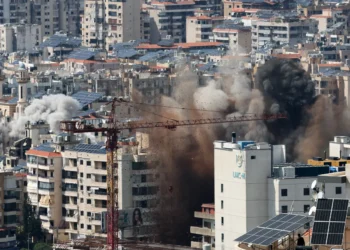 Middle East Peace Crisis: Ceasefire Strained by New Violence
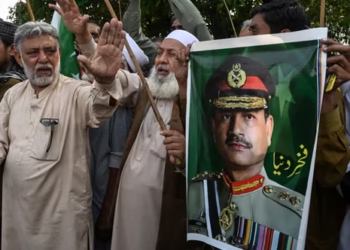 Pakistan Brokers Historic Peace Deal Amid Rising Tensions
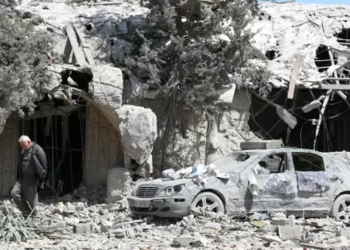 Netanyahu Vows Continued Lebanon Strikes Amid Peace Talks
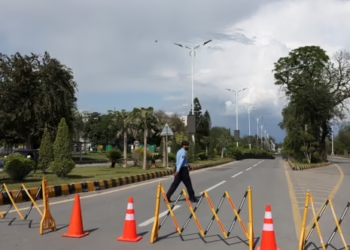 Islamabad Hosts Historic Peace Talks Between Iran and USA
 US and Iran Pursue Extension of Ceasefire via Pakistan
 Trump’s Islamabad Gamble: The High Stakes of a New Iran Deal
 The General’s Gambit: Pakistan’s New Role in Global Peace
 Can Trump’s Ceasefire Hold in Lebanon?
 Global order shifts amid Trump-era turmoil
 Middle East Crisis Escalates as Oil Routes Shake Markets
 Saudi Arabia Blocks Trump’s Naval Plan for Hormuz Strait
 Tensions Emerge in Netanyahu-Trump Alliance
 UAE’s Secret Strike on Iran Risks Wider Gulf Conflict
 Netanyahu Claims Secret UAE Visit Amid Regional Conflict
 Netanyahu Calls Early Election Amid Coalition Turmoil
 Plea for Mercy: The Battle to Bring Ahmed al-Doush Home
 Global Outrage After Israeli Minister Mocks Bound Activists
 Israeli Strikes in Lebanon Kill 10 Amid Ceasefire Strain
 Hunger increasingly weaponised in global conflicts
 Former ICC prosecutor condemns US sanctions
 Trump and Netanyahu Clash Over Crucial US and Iran Peace Deal
 Washington Brokerage Sparking Hope Amid Regional Firestorms
 Israel Defies Trump in Direct Strikes on Targets Across Iran
 US and Iran Agree Historic Framework to End 15-Week War
 Global Powers Navigate Fragile Peace as Hormuz Reopens
 Trump Signs Landmark Iran Accord in Versailles
 Uncertainty Prevails as Landmark Peace Talks Abruptly Conclude Before Commencement
 Iran To Propose New Shipping Fees In Strait Of Hormuz
 Grief and Devotion Amidst the Rubble of Nabatieh
 High Drama in Tehran Over Secret Nuclear Letters
 Iran Prepares for Massive Six-Day Funeral for Khamenei
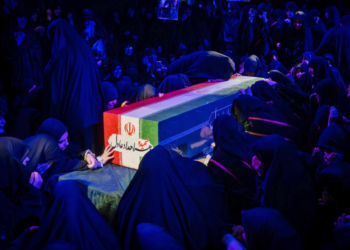 Iran Prepares for Massive Funeral for Supreme Leader
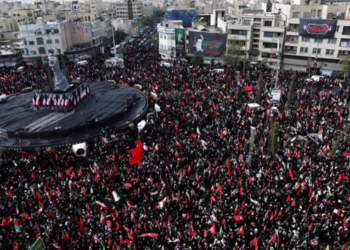 Iran Bids Farewell to Fallen Leader in Massive Procession
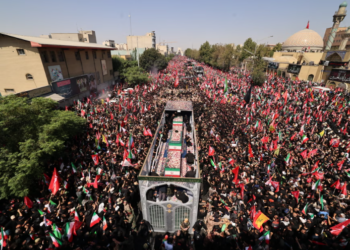 Iran Mourns: Millions at Khamenei’s Final Procession
 Hamas Proposes Handing Over Control of Gaza Strip
 Israeli Officer Investigated for Car Grenade Attack
 Yemen Accuses Iran of Violating National Sovereignty
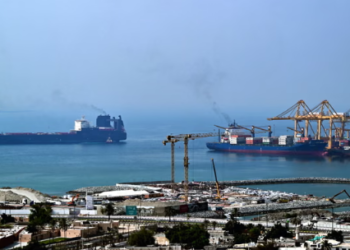 Trump Threatens Iran Power Strikes Over Hormuz Impasse
 Houthis Strike Saudi Arabia as Middle East Tensions Rise
 Friedman Uninvited From 2024 Adelaide Writers’ Week
 Spoof “Make America Go Away” Caps Rally Denmark Over Greenland
 New Zealand Covid Response Praised Despite Lingering Scars
 Injured Mojtaba Khamenei Elevated as Iran Leader
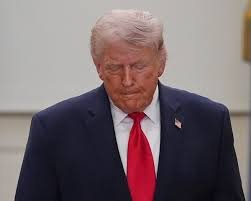 Trump’s Six-Week Iranian War: The High Cost of Ignorance
 Reform UK Pledges To Halt Visas Over Reparations Demands
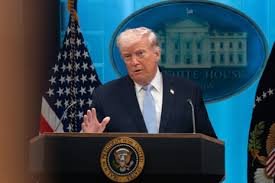 US and Iran Agree to Two-Week Provisional Ceasefire
 Trump Signals Hope for New Iran Talks as Ceasefire Fades
 Security Alert Near Israeli Embassy as Police Investigate
 US-Iran Standoff: Will Trump Deploy Ground Troops?
 Investigation Into Anti-Trump Motives After Gala Shooting
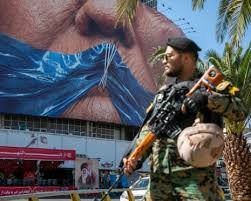 Trump Rejects Tehran Peace Plan as Regional Truce Crumbles
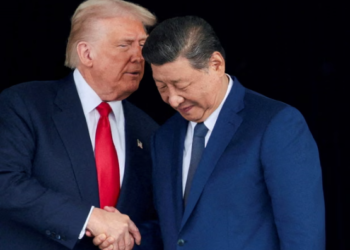 High Stakes in Beijing as Trump and Xi Meet Amid Global Turmoil
 Fear and Betrayal: The Chilling Case of Kouri Richins
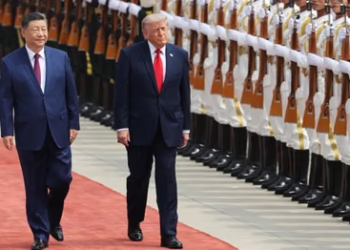 Trump and Xi Convene in Beijing for Historic High-Stakes Summit
 Secrecy Down Under: Albanese Faces FoI Scandal
 Tony Abbott Returns as New Liberal Party President
 Discontent grows around Putin amid war strain
 Teaching Machines Right From Wrong in the Digital Age
 Oman Defies US Pressure Over Strategic Strait of Hormuz
 Ex-CIA Agent Accused of $40m Gold Theft and Fake Spy Unit
 Aukus Deal Facing Fierce Backing and Historic Criticism
 Tragic Loss of Australian Sprinter Jemma Stapleton
 Trump Urged to Condemn UFC Fighter Over Obama Slurs
 Russian Tanker Captain Remanded in UK Court After Channel Seizure
 US Military Pacific Boat Strike Kills Three People
 Trump’s Mount Rushmore Speech: A Divisive Anniversary
 Trump Swaps Planes Amid Iran Tensions
 Rotterdam Museum Honours Artist With Peanut Butter Floor