Published: 19 June 2026. The English Chronicle Desk. The English Chronicle Online.
The intricate fabric of global diplomacy experienced a severe tear late on Thursday evening. A highly anticipated summit in Switzerland between the United States and Iran collapsed without warning. The sudden cancellation has cast a dark shadow over a fragile peace process designed intentionally. This critical meeting aimed to implement a comprehensive fourteen-point agreement to halt a devastating war. The Swiss foreign ministry officially broke the unsettling news to an anxious international community early today. Both nations had previously signaled a mutual willingness to engage in these vital discussions constructively. Instead, the sudden breakdown underscores the immense volatility currently defining contemporary Middle East geopolitical relations.
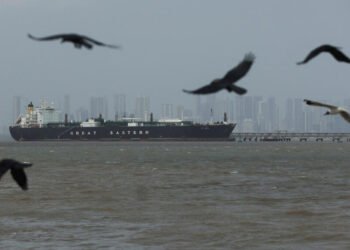
The tiny Swiss village of Obbürgen was selected to host these historic bilateral talks. Nestled quietly in the mountains, it was meant to offer a secure, neutral environment. These deliberations were scheduled to commence just two days after a major diplomatic breakthrough occurred. On Wednesday, both administrations successfully signed a significant memorandum of understanding regarding regional security. That crucial document officially established a strict sixty-day window for intensive diplomatic engagement. Negotiators faced the monumental task of formulating a permanent understanding regarding Iran’s nuclear program. Furthermore, the agreement aimed to restore normal commercial oil traffic through the Strait of Hormuz. That strategic maritime bottleneck has remained dangerously obstructed throughout the duration of recent hostilities.
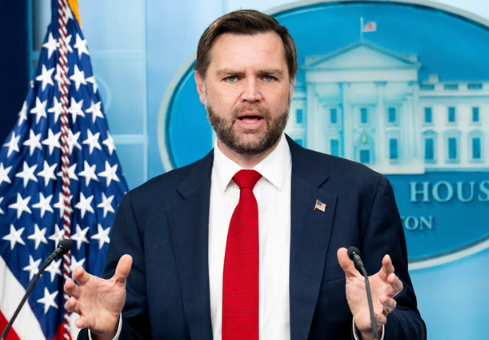
The White House quickly issued a carefully measured statement following the unexpected diplomatic setback. Administration officials insisted the United States still looks forward to initiating technical talks soon. They emphasized that Washington remains fully committed to exploring every available avenue toward regional stability. However, the executive branch simultaneously confirmed a significant change in immediate diplomatic scheduling. Vice President JD Vance will no longer be traveling to Europe to lead negotiations. Vance has been serving as the primary representative for the Trump administration’s peace initiative. The cancellation of his high-profile flight represents a tangible blow to immediate progress. Observers suggest this sudden reversal reflects deep operational discord hidden beneath previous optimism.
A White House spokesperson addressed the media late on Thursday to explain the situation. The official noted that the logistics of these negotiations have never been simple. Diplomatic efforts involving long-term adversaries naturally present unpredictable challenges at every single stage. The spokesperson confirmed that the vice president would not be departing Washington that evening. This statement arrived so abruptly that it caught numerous officials completely off guard. A small pack of journalists had already assembled patiently at Joint Base Andrews. They were prepared to board the government aircraft alongside Vance’s core advisory staff. Meanwhile, dozens of advance staffers were already waiting on the ground in Switzerland.
The logistical chaos in Switzerland illustrates the sheer speed of this diplomatic disintegration. Media teams and American security personnel had already established operations inside the Swiss venue. They were actively preparing the secure location for the vice president’s highly anticipated arrival. The sudden cancellation left these teams stranded in limbo across various European time zones. Such rapid reversals are exceptionally rare in the highly structured world of international statecraft. The breakdown reveals a profound disconnect between public declarations and private diplomatic reality. It indicates that fundamental disagreements emerged during the final hours before the scheduled meeting. The dream of swift regional normalization has once again been deferred indefinitely.
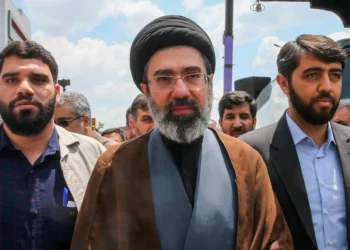
Iran’s supreme leader Ayatollah Mojtaba Khamenei added complex layers to the unfolding situation yesterday. He announced his official approval of the memorandum despite harboring several deep reservations. His qualified endorsement was broadcast widely just as the United States took concrete action. Washington officially lifted its strict naval blockade of several key Iranian commercial ports. This parallel development was viewed by many as a substantial gesture of goodwill. It seemed to validate the immense effort invested in creating the interim framework. However, domestic pressures within Iran continued to mount heavily against the fragile peace initiative. Hardline factions expressed severe skepticism regarding Washington’s long-term compliance with the treaty.
The semi-official Tasnim news agency published an telling report shortly before the cancellation. Iranian negotiators reportedly demanded immediate proof of implementation from the American government beforehand. They insisted on seeing tangible results from the interim agreement prior to arriving. Consequently, Tehran refused to provide official confirmation that its delegation would travel westward. This rigid stance created an immediate impasse that coordinators could not easily resolve. The lack of verified travel plans from the Iranian side signaled imminent trouble. It became apparent that neither nation was willing to compromise on primary sequencing. This stubborn deadlock effectively paralyzed the entire diplomatic apparatus before talks could begin.
Alternative reports suggest external regional pressures played a decisive role in the collapse. The Arabic language network Al-Mayadeen offered an alternative explanation for the sudden delay. The network possesses strong political ties to the Iranian-backed Lebanese militant group Hezbollah. It reported that Tehran delayed its delegation due to ongoing military activities elsewhere. Specifically, Israel’s continuous and aggressive military campaign in Lebanon has severely heightened tensions. The intense fighting created an domestic political environment where negotiation felt impossible for Iran. Engaging in peace talks while an ally suffered bombardment presented an unacceptable contradiction. This external variable ultimately shattered the carefully constructed diplomatic schedule in Switzerland.
Israel was notably excluded from the direct peace talks between Washington and Tehran. The government in Jerusalem has consistently distanced itself from the current bilateral agreement. Consequently, Israeli forces continued their intense military operations against Hezbollah forces in Lebanon. Fresh airstrikes were launched early on Thursday morning, striking several critical targets. These continuous military actions directly challenged the core spirit of the international peace framework. The memorandum explicitly calls for a permanent termination of the war in Lebanon. It also emphasizes that Lebanon’s territorial integrity and sovereignty must be ensured. President Donald Trump has repeatedly stated his expectation for a total regional ceasefire.
The government of Benjamin Netanyahu has maintained a highly defiant stance regarding Lebanon. Israeli officials continue to stress they have no immediate intention of withdrawing forces. This unyielding position has triggered open criticism from both Donald Trump and JD Vance. The American leadership has publicly questioned the long-term utility of Israel’s current operations. This public rift between traditional allies has added immense complexity to the crisis. On Friday, Iran’s chief negotiator Mohammad Ghalibaf issued a stern warning to adversaries. He explicitly cautioned against any potential breach of the newly signed memorandum. He stated that any misconduct would receive a decisive response from Iranian forces.
This intense diplomatic back-and-forth greatly amplifies global uncertainty regarding a lasting regional truce. The conflict has already claimed the lives of at least seven thousand individuals. It has also sent global energy prices soaring to historic, damaging heights. Financial markets worldwide have been deeply shaken by the persistent threat of escalation. Khamenei suggested that President Trump signed the recent deal purely out of desperation. The supreme leader warned his citizens that upcoming negotiations would be incredibly difficult. He stated firmly that Iran would never accept excessive demands from Washington. The original agreement provided sixty days to resolve the status of Iran’s nuclear program.
The agreement also proposed a massive three hundred billion dollar reconstruction fund. This financial mechanism was designed to rebuild infrastructure and incentivize long-term compliance. Yesterday, American naval forces did successfully lift their blockade of major Iranian ports. The United States military confirmed that shipping lanes are technically open once again. However, American warships will remain stationed in the general area for security purposes. Commercial activity remains notably muted throughout the vital Strait of Hormuz right now. Ship owners remain deeply hesitant to send vessels through the volatile maritime corridor. The sudden collapse of the Swiss talks ensures that economic anxiety will persist.
Related News:
 Ukraine war briefing: Zelenskyy offers help to Saudi Crown prince on combatting Iranian drones
 Ukraine Sends Drone Experts to Defend US Bases in Jordan
 Saudi Arabia Urging US to Keep Up Iran Attacks
 Diplomacy on the Brink: Pakistan’s Risky Peace Mission
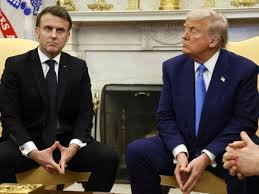 Trump Slams Europe as Transatlantic Tensions Boil Over
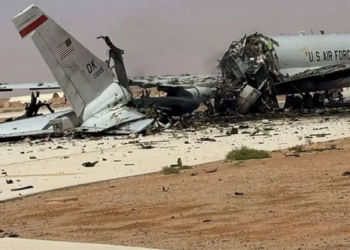 High-Value Target: Iranian Strike Destroys US Radar Plane
 UN Warns Israeli Death Penalty Bill Could Be a War Crime
 Pakistan and China Propose Five-Part Peace Plan
 Trump Issues Stark Warning After Strike On Iran’s Largest Bridge
 Hope and Fear as Iranians Flee Across the Turkish Border
 The Price of Hubris: Trump, Netanyahu, and the ‘Easy’ War
 Israel Defies Ceasefire as Lebanon Operations Persist
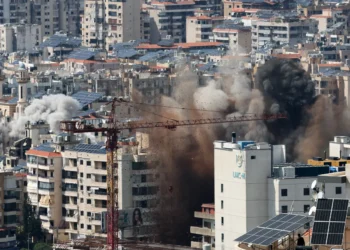 Middle East Peace Crisis: Ceasefire Strained by New Violence
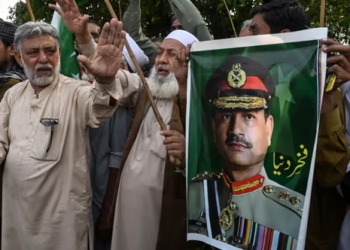 Pakistan Brokers Historic Peace Deal Amid Rising Tensions
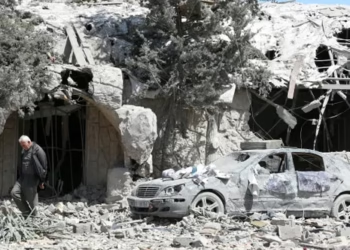 Netanyahu Vows Continued Lebanon Strikes Amid Peace Talks
 Islamabad Hosts Historic Peace Talks Between Iran and USA
 US and Iran Pursue Extension of Ceasefire via Pakistan
 Trump’s Islamabad Gamble: The High Stakes of a New Iran Deal
 The General’s Gambit: Pakistan’s New Role in Global Peace
 Can Trump’s Ceasefire Hold in Lebanon?
 Global order shifts amid Trump-era turmoil
 Middle East Crisis Escalates as Oil Routes Shake Markets
 Saudi Arabia Blocks Trump’s Naval Plan for Hormuz Strait
 Tensions Emerge in Netanyahu-Trump Alliance
 UAE’s Secret Strike on Iran Risks Wider Gulf Conflict
 Netanyahu Claims Secret UAE Visit Amid Regional Conflict
 Netanyahu Calls Early Election Amid Coalition Turmoil
 Plea for Mercy: The Battle to Bring Ahmed al-Doush Home
 Trump Issues New Threat of Strikes Amid Iran Standback
 Global Outrage After Israeli Minister Mocks Bound Activists
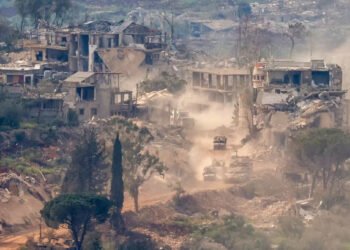 Israeli Strikes in Lebanon Kill 10 Amid Ceasefire Strain
 Hunger increasingly weaponised in global conflicts
 Former ICC prosecutor condemns US sanctions
 Trump and Netanyahu Clash Over Crucial US and Iran Peace Deal
 Washington Brokerage Sparking Hope Amid Regional Firestorms
 Israel Defies Trump in Direct Strikes on Targets Across Iran
 US and Iran Agree Historic Framework to End 15-Week War
 Global Powers Navigate Fragile Peace as Hormuz Reopens
 Trump Signs Landmark Iran Accord in Versailles
 Iran To Propose New Shipping Fees In Strait Of Hormuz
 Grief and Devotion Amidst the Rubble of Nabatieh
 High Drama in Tehran Over Secret Nuclear Letters
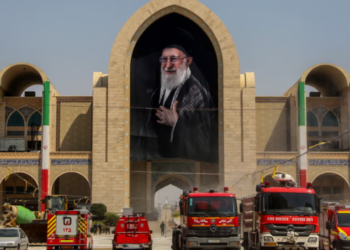 Iran Prepares for Massive Six-Day Funeral for Khamenei
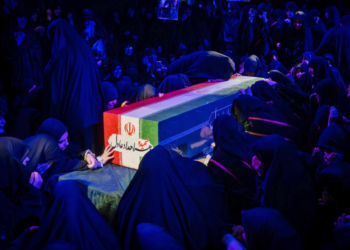 Iran Prepares for Massive Funeral for Supreme Leader
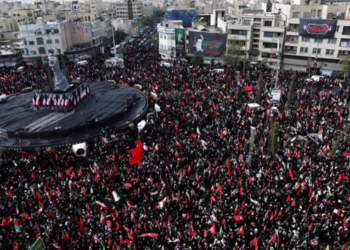 Iran Bids Farewell to Fallen Leader in Massive Procession
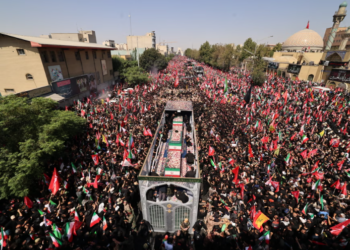 Iran Mourns: Millions at Khamenei’s Final Procession
 Hamas Proposes Handing Over Control of Gaza Strip
 Israeli Officer Investigated for Car Grenade Attack
 Yemen Accuses Iran of Violating National Sovereignty
 Trump Threatens Iran Power Strikes Over Hormuz Impasse
 Houthis Strike Saudi Arabia as Middle East Tensions Rise
 Friedman Uninvited From 2024 Adelaide Writers’ Week
 New Zealand Covid Response Praised Despite Lingering Scars
 Tehran Strikes Mark War’s Most Devastating Night
 Injured Mojtaba Khamenei Elevated as Iran Leader
 Teenage Titan: Sooryavanshi Smashes IPL Records
 Canadian Mother and Daughter Released From ICE Detention
 Trump’s Six-Week Iranian War: The High Cost of Ignorance
 Reform UK Pledges To Halt Visas Over Reparations Demands
 US and Iran Agree to Two-Week Provisional Ceasefire
 Trump Signals Hope for New Iran Talks as Ceasefire Fades
 Security Alert Near Israeli Embassy as Police Investigate
 US-Iran Standoff: Will Trump Deploy Ground Troops?
 Investigation Into Anti-Trump Motives After Gala Shooting
 Trump Rejects Tehran Peace Plan as Regional Truce Crumbles
 High Stakes in Beijing as Trump and Xi Meet Amid Global Turmoil
 Fear and Betrayal: The Chilling Case of Kouri Richins
 Trump and Xi Convene in Beijing for Historic High-Stakes Summit
 Aussie Race Row: Coalition Accused of Scapegoating
 Trump Pledges 5,000 Troops for Poland in U-Turn
 Cannes filmmakers split over AI’s role in cinema
 US Condemns ‘Two-Tier’ UK Policing After Student Murder
 Trump Appeals for Middle East Calm but Conflict Escalates
 Millions in British Charity Funds Linked to Illegal Settlements
 US Trafficking Arrest Exposes Shocking Exploitation
 US Military Pacific Boat Strike Kills Three People
 Trump’s Mount Rushmore Speech: A Divisive Anniversary
 Trump Swaps Planes Amid Iran Tensions
 Rotterdam Museum Honours Artist With Peanut Butter Floor
 Bangkok Nightclub Blaze Claims 30 Lives Amid Negligence Probe