Published: 16 June 2026. The English Chronicle Desk. The English Chronicle Online.
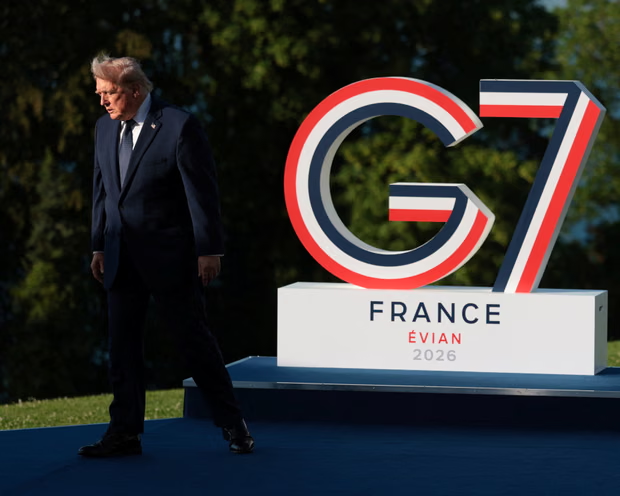
The international community is watching closely as world leaders gather at the latest G7 summit. Donald Trump has boldly announced that the strategic Strait of Hormuz will reopen completely by Friday. This sudden declaration came as western leaders met for crucial talks in Évian-les-Bains, France. The leaders are currently working hard to keep the fragile peace agreement from collapsing immediately. Significant challenges remain as various nations attempt to resolve numerous unresolved issues regarding the agreement.
The American president arrived at the summit expressing immense confidence about the diplomatic breakthrough. He stated that the historic agreement with Iran had been fully signed by both sides. He also noted that the vital maritime waterway was already partially open to commercial shipping. However, recent Israeli military actions in Lebanon have threatened the stability of the current ceasefire. Furthermore, Iran claims it retains the right to charge maritime fees in the region. These developments have revealed deep complications within the newly established international peace framework.
During bilateral discussions with French President Emmanuel Macron, the American leader showed characteristic independence. He firmly rejected a proposal for a joint naval mission organized by European allies. The proposed maritime taskforce involved significant naval cooperation between British and French military forces. Trump dismissed this plan by stating that the United States required no extra assistance. He expressed great optimism about the future economic and political trajectory of the Middle East.
Financial markets have reacted sharply to the news of this sudden diplomatic development. The American president highlighted that global oil prices were falling significantly due to the deal. Meanwhile, major stock market indices experienced rapid gains during trading sessions on Monday. The primary American objective was ensuring that Iran could never develop a nuclear weapon. The administration claims that the agreement includes robust international policing powers to guarantee compliance.
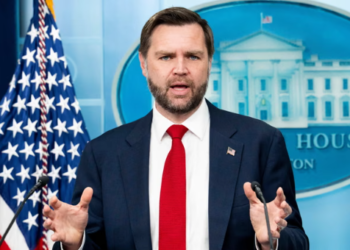
The formal memorandum of understanding represents a major shift in American foreign policy. United States officials explained that the deal exchanges maritime access for lifting naval blockades. The formal signing ceremony is scheduled to take place this coming Friday in Geneva. Vice-President JD Vance will represent the American administration at this important diplomatic event. Chief negotiator Mohammad-Bagher Ghalibaf is expected to sign the documents on behalf of Iran.
White House representatives have promised to release the complete text very soon. They indicated that detailed provisions would be published within forty-eight hours for public review. Despite this optimism, other G7 leaders feel the urgent need to support the deal. They are concerned that the agreement lacks the necessary structural foundations for lasting peace. Technical negotiations led by the American vice-president will commence later this week in Europe.
These upcoming discussions will address highly sensitive issues regarding the Iranian nuclear infrastructure. The American administration maintains that the territory must never produce any functional nuclear weaponry. The memorandum also outlines specific processes for lifting existing economic sanctions on the country. Furthermore, the agreement creates a legal framework for unfreezing billions of dollars in assets. However, American officials emphasize that financial relief depends entirely on verified Iranian compliance.
Government sources clarified that neighboring Gulf nations are not making independent financial deals. They stated that the United States remains prepared to offer gradual economic sanctions relief. This financial relief will reportedly operate on a strict system of reciprocal diplomatic gestures. Small compromises from the Iranian government will be met with similar American economic actions. Officials confirmed that no frozen assets have been released to Iran as of today.
The current deployment of American military forces in the region will remain unchanged. Immediate troop drawdowns are not planned to occur after the memorandum is signed. The United States intends to maintain its strong defensive posture during the negotiations. Future military reductions will depend entirely on Iran fulfilling its specific diplomatic promises. European leaders have expressed mixed reactions regarding the sudden announcement of this peace deal.
German Chancellor Friedrich Merz suggested that the agreement could successfully stabilize the global economy. However, he issued a stern warning that ceasefire terms must apply to Lebanon. This statement followed an Israeli drone strike that caused a casualty in southern Lebanon. The incident marked the second reported death since the sixty-day ceasefire was established. European Commission President Ursula von der Leyen also expressed deep concern over the ongoing violence.
The European leader warned that lasting regional peace is impossible while Lebanon remains unstable. Meanwhile, domestic political tension has intensified significantly within Israel over the weekend. Public anger is currently directed at both Donald Trump and Benjamin Netanyahu. Military analysts noted that early wartime objectives have not been successfully achieved by Israel. These unfulfilled goals included achieving regime change in Tehran and destroying nuclear facilities completely.
The conflict escalated after Hezbollah launched missile strikes against several northern Israeli towns. Israel responded by launching a comprehensive military offensive into southern parts of Lebanon. This campaign resulted in unexpected casualties against an enemy previously considered neutralized by officials. In his initial public comments, the Israeli prime minister chose not to condemn the deal. Instead, he distanced his government from the process by calling it an American decision.
The Israeli leader emphasized that his nation must always protect its independent security interests. He asserted that Israel would not withdraw troops from occupied territories in Lebanon. Furthermore, he stated a readiness to strike Iranian facilities if nuclear development continues. He insisted that Iran would never possess nuclear weapons under any circumstances. Opposition politicians in Israel quickly labeled the current situation an absolute diplomatic failure.
Far-right members of the ruling political coalition urged the government to ignore the agreement. They argued that Israel should not be bound by a treaty it missed negotiating. National Security Minister Itamar Ben-Gvir spoke passionately against accepting the American memorandum. He insisted that his country must demand the total dismantling of Hezbollah forces. He also stated that Israel should not yield any territory captured by its soldiers.
The Iranian foreign ministry has placed the responsibility for peace on western powers. Spokesperson Esmail Baghaei stated that Washington must compel Israel to respect the ceasefire. He warned that the entire agreement depends on ending hostilities in Lebanon completely. Meanwhile, G7 leaders plan to question Trump regarding specific details of the maritime agreement. They are concerned about rumors that Iran might charge fees for navigating the strait.
Such an arrangement could function as a toll system for international shipping lanes. European nations strongly oppose any measures that restrict the traditional freedom of navigation. Speaking from Évian, the American president denied that a toll system would exist. He assured his allies that the waterway would remain entirely open and free. This persistent uncertainty has delayed the deployment of the joint Franco-British naval taskforce.
The European naval mission was designed to clear dangerous mines and escort commercial vessels. However, Iranian officials have rejected what they characterize as unwarranted foreign military interference. They maintain that recent negotiations granted them the right to collect maritime service fees. President Macron had previously stated that the taskforce would ensure a peaceful reopening process. France was prepared to deploy its primary aircraft carrier along with several frigates.
The original naval plan was created partly to satisfy American demands for regional security. However, the future of the European mission appears highly uncertain at this moment. Participating countries refuse to operate if they face direct military resistance from Iran. Trump recently suggested that commercial shipping was already proceeding safely without European assistance. He shared updates on social media claiming that oil tankers were moving securely now.
The American leader stated that ships are using a safe southern maritime route successfully. However, major international shipping lines warned that normal trade patterns require many months. European Central Bank Governor Christine Lagarde highlighted the broader economic impacts of the conflict. She noted that war-related energy costs have caused inflation to spread across Europe. This economic pressure is now beginning to affect worker wages across the continent.
The American president faces a difficult task in convincing his skeptical western allies. He must persuade them that unilateral action successfully achieved major western security objectives. Many G7 leaders previously blocked the United States from using European military bases. They believe the conflict has weakened western economies while benefiting other global powers. One diplomat remarked that the situation represents a clear failure for American unilateral policies. However, American officials maintain that Iran emerges from this conflict significantly weakened politically.
Related News:
 Ukraine war briefing: Zelenskyy offers help to Saudi Crown prince on combatting Iranian drones
 Ukraine Sends Drone Experts to Defend US Bases in Jordan
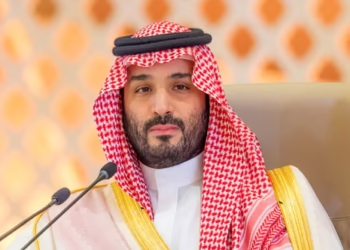 Saudi Arabia Urging US to Keep Up Iran Attacks
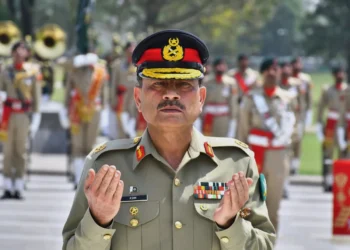 Diplomacy on the Brink: Pakistan’s Risky Peace Mission
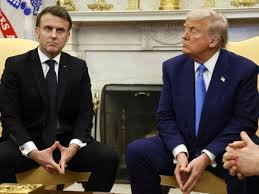 Trump Slams Europe as Transatlantic Tensions Boil Over
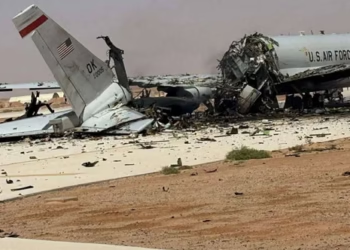 High-Value Target: Iranian Strike Destroys US Radar Plane
 UN Warns Israeli Death Penalty Bill Could Be a War Crime
 Pakistan and China Propose Five-Part Peace Plan
 Trump Issues Stark Warning After Strike On Iran’s Largest Bridge
 Hope and Fear as Iranians Flee Across the Turkish Border
 The Price of Hubris: Trump, Netanyahu, and the ‘Easy’ War
 Israel Defies Ceasefire as Lebanon Operations Persist
 Middle East Peace Crisis: Ceasefire Strained by New Violence
 Pakistan Brokers Historic Peace Deal Amid Rising Tensions
 Netanyahu Vows Continued Lebanon Strikes Amid Peace Talks
 Islamabad Hosts Historic Peace Talks Between Iran and USA
 US and Iran Pursue Extension of Ceasefire via Pakistan
 Trump’s Islamabad Gamble: The High Stakes of a New Iran Deal
 The General’s Gambit: Pakistan’s New Role in Global Peace
 Can Trump’s Ceasefire Hold in Lebanon?
 Global order shifts amid Trump-era turmoil
 Middle East Crisis Escalates as Oil Routes Shake Markets
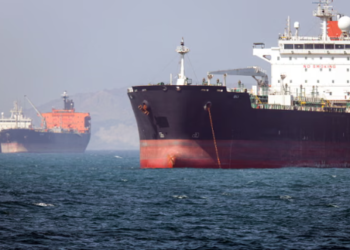 Saudi Arabia Blocks Trump’s Naval Plan for Hormuz Strait
 Tensions Emerge in Netanyahu-Trump Alliance
 UAE’s Secret Strike on Iran Risks Wider Gulf Conflict
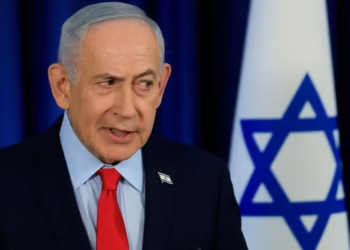 Netanyahu Claims Secret UAE Visit Amid Regional Conflict
 Netanyahu Calls Early Election Amid Coalition Turmoil
 Plea for Mercy: The Battle to Bring Ahmed al-Doush Home
 Trump Issues New Threat of Strikes Amid Iran Standback
 Global Outrage After Israeli Minister Mocks Bound Activists
 Israeli Strikes in Lebanon Kill 10 Amid Ceasefire Strain
 Hunger increasingly weaponised in global conflicts
 Former ICC prosecutor condemns US sanctions
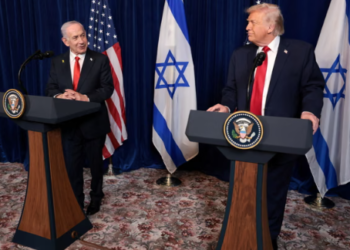 Trump and Netanyahu Clash Over Crucial US and Iran Peace Deal
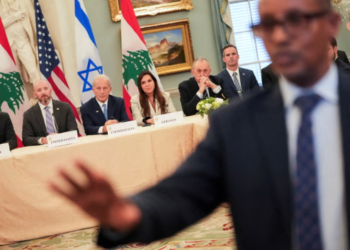 Washington Brokerage Sparking Hope Amid Regional Firestorms
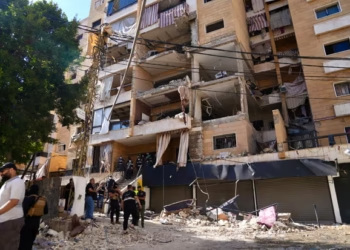 Israel Defies Trump in Direct Strikes on Targets Across Iran
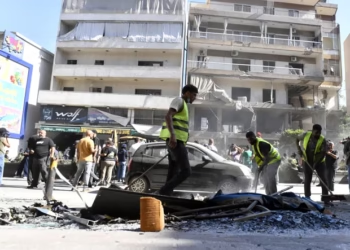 US and Iran Agree Historic Framework to End 15-Week War
 Trump Signs Landmark Iran Accord in Versailles
 Uncertainty Prevails as Landmark Peace Talks Abruptly Conclude Before Commencement
 Iran To Propose New Shipping Fees In Strait Of Hormuz
 Grief and Devotion Amidst the Rubble of Nabatieh
 High Drama in Tehran Over Secret Nuclear Letters
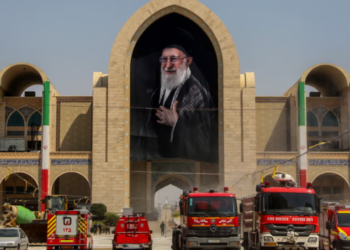 Iran Prepares for Massive Six-Day Funeral for Khamenei
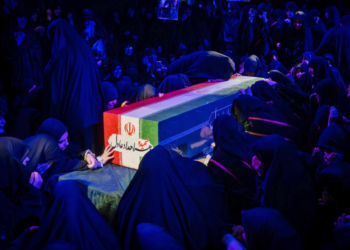 Iran Prepares for Massive Funeral for Supreme Leader
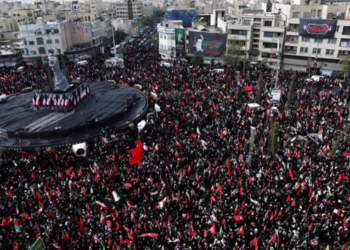 Iran Bids Farewell to Fallen Leader in Massive Procession
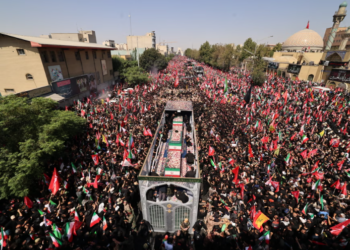 Iran Mourns: Millions at Khamenei’s Final Procession
 Hamas Proposes Handing Over Control of Gaza Strip
 Israeli Officer Investigated for Car Grenade Attack
 Yemen Accuses Iran of Violating National Sovereignty
 Trump Threatens Iran Power Strikes Over Hormuz Impasse
 Houthis Strike Saudi Arabia as Middle East Tensions Rise
 Friedman Uninvited From 2024 Adelaide Writers’ Week
 Spoof “Make America Go Away” Caps Rally Denmark Over Greenland
 New Zealand Covid Response Praised Despite Lingering Scars
 Tehran Strikes Mark War’s Most Devastating Night
 Injured Mojtaba Khamenei Elevated as Iran Leader
 Trump’s Six-Week Iranian War: The High Cost of Ignorance
 Reform UK Pledges To Halt Visas Over Reparations Demands
 US and Iran Agree to Two-Week Provisional Ceasefire
 Trump Signals Hope for New Iran Talks as Ceasefire Fades
 Security Alert Near Israeli Embassy as Police Investigate
 US-Iran Standoff: Will Trump Deploy Ground Troops?
 Investigation Into Anti-Trump Motives After Gala Shooting
 Trump Rejects Tehran Peace Plan as Regional Truce Crumbles
 High Stakes in Beijing as Trump and Xi Meet Amid Global Turmoil
 Fear and Betrayal: The Chilling Case of Kouri Richins
 Trump and Xi Convene in Beijing for Historic High-Stakes Summit
 Aussie Race Row: Coalition Accused of Scapegoating
 Trump Pledges 5,000 Troops for Poland in U-Turn
 Cannes filmmakers split over AI’s role in cinema
 US Condemns ‘Two-Tier’ UK Policing After Student Murder
 Trump Appeals for Middle East Calm but Conflict Escalates
 Millions in British Charity Funds Linked to Illegal Settlements
 Trump Urged to Condemn UFC Fighter Over Obama Slurs
 Russian Tanker Captain Remanded in UK Court After Channel Seizure
 US Military Pacific Boat Strike Kills Three People
 Trump’s Mount Rushmore Speech: A Divisive Anniversary
 Trump Swaps Planes Amid Iran Tensions
 Rotterdam Museum Honours Artist With Peanut Butter Floor
 Bangkok Nightclub Blaze Claims 30 Lives Amid Negligence Probe