Published: 19 June 2026. The English Chronicle Desk. The English Chronicle Online.
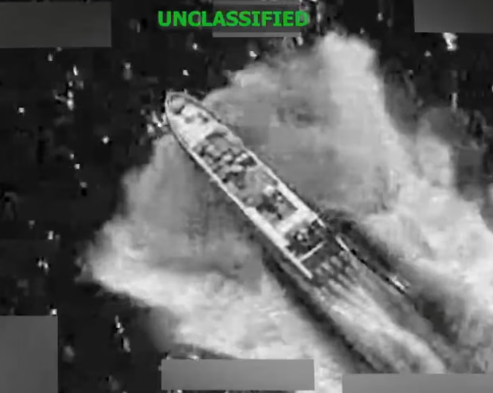
The United States military has carried out a fresh strike on a vessel in the Pacific Ocean. This latest action resulted in the deaths of three individuals aboard the targeted maritime vessel. American defense officials accused the crew of operating a boat engaged in illicit narcotics trafficking. This operation represents the latest chapter in an intensive campaign spanning more than nine months. The White House continues to wage an aggressive war against suspected drug networks across Latin America.
This recent confrontation occurred on Thursday in the vast waters of the eastern Pacific Ocean. It pushes the recorded death toll from these controversial maritime operations to an unprecedented level. At least two hundred and eleven people have lost their lives in these naval actions. The lethal campaign originally commenced in early September under direct orders from the American president. Washington has consistently designated the individuals navigating these targeted ocean vessels as dangerous narcoterrorists.
United States Southern Command released a concise public briefing detailing the parameters of the strike. The command noted that the vessel was navigating along a heavily utilized maritime smuggling corridor. They maintained that military assets intercepted the boat in accordance with active national security directives. However, the initial official statements did not include specific evidence regarding any seized illicit substances. No documentation was provided to prove that this particular vessel was actively ferrying illegal drugs.
A digital video recording of the encounter was subsequently published on the social media platform X. The footage depicts a high-speed boat cutting through the open waters before the kinetic impact. The vessel is suddenly struck by an aerial asset and immediately bursts into bright flames. This visual documentation follows a standard pattern established by the Pentagon during this active campaign. The brief video has quickly sparked widespread engagement and intense debate across international online communities.
President Donald Trump has repeatedly defended the strategic implementation of these aggressive open ocean operations. The American leader states that his nation is locked in an active armed conflict. He asserts that the United States must aggressively confront powerful criminal cartels operating throughout Latin America. The administration defines this escalation as a necessary measure to protect vulnerable domestic populations from harm. Washington hopes these measures will stem the continuous flow of illicit substances into American communities.
The White House maintains that stopping maritime smuggling will significantly reduce fatal domestic drug overdoses. Officials frequently highlight the thousands of American lives lost each year to synthetic opioid crises. They argue that traditional law enforcement methods are no longer sufficient to secure maritime borders effectively. Therefore, the mobilization of advanced military technology is presented as a justified emergency defensive measure. This policy represents a fundamental shift in how the superpower manages international anti-narcotics enforcement.
However, independent international policy experts and domestic critics have raised profound questions regarding this strategy. Many scholars openly challenge the underlying legality of conducting lethal strikes in international waters. They argue that executing suspected individuals without formal judicial processes violates established international legal norms. Furthermore, regional analysts question whether these dramatic naval interventions possess any long-term practical effectiveness. They suggest that blowing up speedboats fails to disrupt the primary logistics of global syndicates.
Prominent researchers point out that a vast majority of lethal synthetic opioids enter overland pathways. Fentanyl is typically smuggled into the United States through official legal ports of entry. This highly potent substance is primarily manufactured inside hidden laboratories located throughout mainland Mexico. The chemical precursors required for this dangerous manufacturing process originate mostly from China and India. Consequently, critics argue that Pacific maritime blockades do not address the root source of addiction.
The escalating human cost of the operations has generated significant tension within the legislature. Influential senators from the opposition party corporate pushed for greater transparency from defense leaders on Thursday. Lawmakers formally demanded that the Pentagon release completely unedited video recordings of all maritime strikes. They argue that the heavily edited social media clips do not provide a full picture. Congressional oversight committees want to evaluate the precise rules of engagement utilized during these missions.
This legislative push reflects deepening anxiety among human rights organizations regarding potential military overreach. Several legal experts have expressed deep concern over the lack of independent oversight in theater. They argue that public accountability is essential when a military operates outside recognized combat zones. The refusal to share comprehensive operational data has only intensified suspicions regarding these ongoing missions. Congressional leaders insist that the public has a right to see the unedited historical record.
The intense scrutiny surrounding these operations traces back to the very first strike in September. That initial military action drew immediate condemnation from constitutional scholars and international legal human rights groups. Reports later revealed that two individuals initially survived the devastating first explosion on their vessel. The wounded men were desperately clinging to the floating wreckage in the middle of the ocean. United States forces then launched a secondary strike on the remaining debris, killing both survivors.
The White House later confirmed the details of that controversial double-tap maritime operation to journalists. Administration officials insisted that the secondary strike was executed entirely in legitimate collective self-defense. They argued that destroying the remaining structure was necessary to eliminate potential hazards to navigation. Furthermore, the administration stated that the action aligned with the complex laws of armed conflict. This explanation failed to satisfy critics who viewed the second attack as an execution.
Numerous military legal experts have flatly rejected the defensive justifications offered by the administration. They assert that killing helpless survivors floating at sea is a severe international legal violation. Under maritime tradition and humanitarian law, wounded individuals are considered temporarily out of combat. Legal scholars emphasize that such actions remain illegal regardless of any broader conflict designation. They warn that these precedents could severely damage the global moral standing of the nation.
In response to growing pressure, the internal watchdog for the Pentagon announced an investigation. The Office of the Inspector General confirmed a planned review of these maritime deployment practices. Investigators intend to evaluate whether operational commanders strictly adhered to established joint targeting frameworks. This formal assessment will focus heavily on the structured six-phase joint targeting cycle utilized by planners. This highly technical system dictates how targets are identified, analyzed, and cleared for kinetic action.
However, the inspector general carefully clarified the specific limitations of this upcoming administrative review. The oversight office noted that the evaluation will not rule on the overarching legal validity. The investigation is designed to assess procedural compliance rather than broad international law implications. This distinction means that fundamental questions regarding executive authority will likely remain completely unanswered. Meanwhile, naval vessels continue their regular combat patrols across the warm waters of the Pacific.
The ongoing deployment highlights a profound philosophical divide over contemporary international security and sovereignty. Supporters view the aggressive campaign as an innovative and courageous response to an unprecedented crisis. They believe that unconventional threats require a flexible adaptation of traditional military power to protect citizens. For these proponents, the high death toll reflects the dangerous reality of modern global warfare. They argue that national survival takes precedence over standard peacetime legal procedures during emergencies.
Conversely, opponents fear that the program establishes a highly dangerous precedent for international relations. They worry that using military force against non-state actors destabilizes regional maritime safety boundaries. Neighboring nations in Latin America have expressed quiet diplomatic anxieties over unilateral actions near borders. The potential for tragic intelligence errors or misidentifications remains a constant worry for maritime cartographers. As long as the operations yield casualties, the international debate will undoubtedly intensify further.
Related News:
 Capitol Attack Anniversary Sparks Deep Political Divide
 Trump Labels Renee Good a ‘Paid Agitator’ After Minneapolis ICE Killing
 Trump targets Iran trade with 25% tariff warning
 Trump Receives Machado’s Nobel Medal in White House Meeting
 Thousands Protest ICE Operations in Nationwide US Day of Action
 Epstein Files Reveal Trump Officials’ Emails with Financier
 Thousands Protest ICE in New York Against Trump Deportation Campaign
 US-Cuba Negotiations Shift as Oil Blockade Looms
 Ukraine war briefing: Zelenskyy offers help to Saudi Crown prince on combatting Iranian drones
 New Policy Allows US Troops to Carry Personal Firearms
 Michigan Battleground: Middle East Crisis Stirs US Senate Race
 Congresswoman Condemns Trump Over Iran Conflict
 Trump Signals Hope for New Iran Talks as Ceasefire Fades
 Trump’s Presidency: A House of Cards Collapsing?
 GOP Senator Criticizes Trump’s Feud With Pope Leo XIV
 Trump Starts $166bn Tariff Refund Process
 Investigation Into Anti-Trump Motives After Gala Shooting
 UK Urged to Adopt ‘Trade Bazooka’ Against Tariff Threats
 USS Gerald R Ford Ends Record Naval Deployment
 Trump orders US troop pullout from Germany
 Indiana Republicans Defy Trump in Key Vote Test
 Tensions Emerge in Netanyahu-Trump Alliance
 Fear and Betrayal: The Chilling Case of Kouri Richins
 Trump in Beijing: The Strongman Fantasy Made Flesh
 Trump Tightens Grip on GOP with Primary Victory
 Democrats release 2024 election report amid fierce backlash
 US judge dismisses Kilmar Abrego Garcia indictment
 Tulsi Gabbard exits after turbulent intelligence tenure
 Former ICC prosecutor condemns US sanctions
 Trump Weighs Retreat from Controversial $1.8bn Slush Fund
 Trump Allies Funded Hidden Network to Discredit US Vote
 UFC at the White House: Glory Marred by Bitter Smears
 The Dreamers Losing Jobs Under Trump’s Red Tape
 Battle for Washington: Mayoral Race Braces for Trump
 Trump Urged to Condemn UFC Fighter Over Obama Slurs
 Trump Halts Senate Hearing for Intel Pick Jay Clayton
 The Obama Center: Hope and Anxiety on Chicago’s South Side
 FBI Chief Faces Backlash Over Premature Social Media Posts
 Trump’s Mount Rushmore Speech: A Divisive Anniversary
 House Democrats Divided Over Israel Military Funding Bid
 Houthis Strike Saudi Arabia as Middle East Tensions Rise
 Federal Immigration Shift: Officers Leave Louisiana for Minneapolis
 Friedman Uninvited From 2024 Adelaide Writers’ Week
 Trump press secretary attacks reporter over ICE question
 Spoof “Make America Go Away” Caps Rally Denmark Over Greenland
 Trump Fed bid heads to Supreme Court
 Partial US Government Shutdown Hits Homeland Security Funding
 New Poll Reveals Reform UK Stance on British Citizenship
 New Zealand Covid Response Praised Despite Lingering Scars
 Diplomacy on the Brink: Pakistan’s Risky Peace Mission
 Teenage Titan: Sooryavanshi Smashes IPL Records
 Canadian Mother and Daughter Released From ICE Detention
 Reform UK Pledges To Halt Visas Over Reparations Demands
 US and Iran Agree to Two-Week Provisional Ceasefire
 Israel Defies Ceasefire as Lebanon Operations Persist
 Islamabad Hosts Historic Peace Talks Between Iran and USA
 Security Alert Near Israeli Embassy as Police Investigate
 US-Iran Standoff: Will Trump Deploy Ground Troops?
 High Stakes in Beijing as Trump and Xi Meet Amid Global Turmoil
 Australia Joins UK-Led Mission to Reopen Vital Strait
 Trump and Xi Convene in Beijing for Historic High-Stakes Summit
 Aussie Race Row: Coalition Accused of Scapegoating
 Trump Pledges 5,000 Troops for Poland in U-Turn
 Cannes filmmakers split over AI’s role in cinema
 Trump’s Grip on the GOP Tested in Texas Senate Battle
 Washington Brokerage Sparking Hope Amid Regional Firestorms
 US Condemns ‘Two-Tier’ UK Policing After Student Murder
 Trump Appeals for Middle East Calm but Conflict Escalates
 Millions in British Charity Funds Linked to Illegal Settlements
 US Trafficking Arrest Exposes Shocking Exploitation
 Trump Signs Landmark Iran Accord in Versailles
 Gas Prices Fall Below $4 Following US-Iran Peace Deal
 Grief and Devotion Amidst the Rubble of Nabatieh
 US Courts Back Trump on Park Signage Removals
 US Airman Avoids British Court in Indecent Exposure Case
 Trump Swaps Planes Amid Iran Tensions
 Rotterdam Museum Honours Artist With Peanut Butter Floor
 Bangkok Nightclub Blaze Claims 30 Lives Amid Negligence Probe
 Yemen Accuses Iran of Violating National Sovereignty
 Florida Executes One of Its Oldest Death Row Prisoners