Published: 15 June 2026. The English Chronicle Desk. The English Chronicle Online.
The promise of the American dream is rapidly slipping away for thousands of young immigrants across the United States. Prolonged administrative delays in processing immigration renewals are forcing these individuals out of their hard-earned careers. For over a decade, the renewal process was a predictable and routine bureaucratic procedure. It has now transformed into an agonizing months-long period of professional and personal limbo.
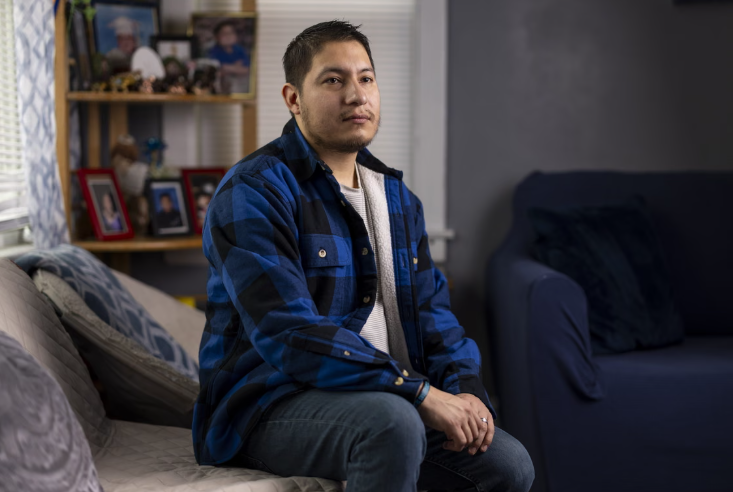
Claudia has experienced this sudden shift firsthand after waiting half a year for her paperwork. She moved to America at the tender age of four and knows no other home. For fourteen years, her regular updates were processed smoothly by immigration authorities within weeks. Her latest application was submitted last December but it remains trapped in a mounting backlog.
The consequences of this administrative stagnation are severely disrupting her life and career prospects. Her legal permission to work in the country expired while her application sat untouched. Years of intense study and professional networking are now teetering on the edge of ruin. She followed every rule precisely and completed her biometric scans on schedule without result. The young professional now views this unprecedented delay as a direct and personal attack. She requested anonymity because she fears immediate retaliation from aggressive federal immigration authorities.
Her distressing situation is shared by hundreds of thousands of individuals across the nation. These young people are widely known as Dreamers under a specific federal protection program. The Deferred Action for Childhood Arrivals policy was established to protect young undocumented immigrants. It was designed to shield individuals who arrived as children from sudden federal deportation. The policy requires recipients to renew their protected status every two years without exception. Under the current American administration, this vital process has ground to a painful halt.
Another young immigrant named Cesar is facing the exact same administrative nightmare today. He has spent the last six months waiting in complete uncertainty for news. He previously managed a successful career in human resources before his authorization lapsed completely. The sudden loss of his employment forced him to find alternative income sources. He now cooks and sells traditional street food just to pay his bills. He shares his daily struggles online to bring attention to this hidden crisis.
The sudden loss of his stable career has devastated his sense of security. He feels as though his entire life is being dismantled by bureaucratic indifference. He grew up in an American neighbourhood and built strong ties within his community. His current daily income is barely enough to cover his basic living expenses. The emotional toll of this sudden financial collapse is becoming increasingly difficult to bear. Like Claudia, he chose to hide his full identity to avoid federal scrutiny.
These severe processing delays are occurring alongside a broader campaign against undocumented immigrants. Federal agents have arrested hundreds of program participants over the past twelve months. Several individuals have already been deported despite their historic protections under federal guidelines. The American government claims it is focusing its enforcement efforts strictly on dangerous criminals. However, independent journalistic investigations reveal a completely different reality regarding these recent deportations.
Data shows that more than three-quarters of those targeted had no criminal record. This statistic contradicts official statements regarding the true nature of the current crackdown. The ongoing enforcement actions have created a profound sense of fear within immigrant communities. Many individuals are now terrified to go to work or visit public spaces. They feel increasingly vulnerable despite having lived exemplary lives as long-term American residents.
There are currently more than half a million active participants in this program. These residents originally arrived in America from nearly two hundred different sovereign nations. To qualify for protection, applicants must have entered the country before June 2007. They must also pursue formal education or possess a high school graduation certificate. A completely clean criminal record is another strict requirement for all program applicants.
The current American President previously attempted to terminate the entire program during his first term. The United States Supreme Court ultimately blocked that initial effort six years ago. Despite that judicial ruling, conservative groups continue to challenge the program through federal courts. The administration is now utilizing alternative methods to undermine the legal status of recipients. Officials are implementing restrictive new workplace rules alongside the ongoing processing delays.
Immigrant advocacy groups are loudly warning about the wider economic impacts of these policies. Forcing these skilled young professionals out of the workforce damages local economies significantly. Businesses are losing essential employees during an already challenging period of economic recovery. Whole families face sudden financial instability because their primary earners cannot legally work. Advocates describe the current situation as a quiet unraveling of temporary immigration programs. The administration is targeting various humanitarian initiatives through systematic and deliberate administrative slowdowns.
Experts view these combined policies as a coordinated effort toward mass delegalization. The strategy effectively pushes productive and tax-paying residents out of formal society. These individuals have built deep roots, purchased homes, and raised American children over decades. They contribute billions of dollars to the national economy through federal and state taxes. Claudia emphasizes that her peers simply want to work and support their communities. They are not demanding special privileges from the government, only a fair chance.
The government agency responsible for immigration services defended its current operational approach robustly. A federal spokesperson stated that the program does not grant formal legal status. He explained that the agency is prioritizing national security through enhanced applicant screening. Officials maintain that thorough vetting is necessary to protect the American public from threats. This rigorous approach is the official justification provided for the extensive processing delays.
In contrast, immigration advocates argue that the true solution lies with federal lawmakers. They are urging politicians to support a bipartisan bill known as the Dream Act. This proposed legislation would provide a permanent legal pathway to full American citizenship. It would permanently resolve the legal limbo that has plagued these residents for decades. Supporters argue that destroying the stability of these young people is incredibly short-sighted. It harms the future of the nation by alienating a highly educated generation.
For individuals like Cesar, the daily wait remains an intense and exhausting emotional rollercoaster. He constantly bounces between hopeful optimism and overwhelming anxiety about his bleak financial future. The loss of his job has stripped away his hard-earned sense of personal safety. He and his family no longer feel secure participating openly in civic life. The tangible pieces of his American dream have vanished rapidly into bureaucratic thin air.
Related News:
 Capitol Attack Anniversary Sparks Deep Political Divide
 Trump Labels Renee Good a ‘Paid Agitator’ After Minneapolis ICE Killing
 Trump targets Iran trade with 25% tariff warning
 Trump Receives Machado’s Nobel Medal in White House Meeting
 Thousands Protest ICE Operations in Nationwide US Day of Action
 Epstein Files Reveal Trump Officials’ Emails with Financier
 Thousands Protest ICE in New York Against Trump Deportation Campaign
 US-Cuba Negotiations Shift as Oil Blockade Looms
 Ukraine war briefing: Zelenskyy offers help to Saudi Crown prince on combatting Iranian drones
 New Policy Allows US Troops to Carry Personal Firearms
 Michigan Battleground: Middle East Crisis Stirs US Senate Race
 Congresswoman Condemns Trump Over Iran Conflict
 Trump Signals Hope for New Iran Talks as Ceasefire Fades
 Trump’s Presidency: A House of Cards Collapsing?
 GOP Senator Criticizes Trump’s Feud With Pope Leo XIV
 Trump Starts $166bn Tariff Refund Process
 Investigation Into Anti-Trump Motives After Gala Shooting
 UK Urged to Adopt ‘Trade Bazooka’ Against Tariff Threats
 USS Gerald R Ford Ends Record Naval Deployment
 Trump orders US troop pullout from Germany
 Indiana Republicans Defy Trump in Key Vote Test
 Tensions Emerge in Netanyahu-Trump Alliance
 Fear and Betrayal: The Chilling Case of Kouri Richins
 Trump in Beijing: The Strongman Fantasy Made Flesh
 Trump Tightens Grip on GOP with Primary Victory
 Democrats release 2024 election report amid fierce backlash
 US judge dismisses Kilmar Abrego Garcia indictment
 Tulsi Gabbard exits after turbulent intelligence tenure
 Former ICC prosecutor condemns US sanctions
 Trump Weighs Retreat from Controversial $1.8bn Slush Fund
 Trump Allies Funded Hidden Network to Discredit US Vote
 UFC at the White House: Glory Marred by Bitter Smears
 Battle for Washington: Mayoral Race Braces for Trump
 Trump Urged to Condemn UFC Fighter Over Obama Slurs
 Trump Halts Senate Hearing for Intel Pick Jay Clayton
 The Obama Center: Hope and Anxiety on Chicago’s South Side
 US Military Pacific Boat Strike Kills Three People
 FBI Chief Faces Backlash Over Premature Social Media Posts
 Trump’s Mount Rushmore Speech: A Divisive Anniversary
 House Democrats Divided Over Israel Military Funding Bid
 Houthis Strike Saudi Arabia as Middle East Tensions Rise
 Federal Immigration Shift: Officers Leave Louisiana for Minneapolis
 Friedman Uninvited From 2024 Adelaide Writers’ Week
 Trump press secretary attacks reporter over ICE question
 Spoof “Make America Go Away” Caps Rally Denmark Over Greenland
 Trump Fed bid heads to Supreme Court
 Partial US Government Shutdown Hits Homeland Security Funding
 New Poll Reveals Reform UK Stance on British Citizenship
 New Zealand Covid Response Praised Despite Lingering Scars
 Diplomacy on the Brink: Pakistan’s Risky Peace Mission
 Teenage Titan: Sooryavanshi Smashes IPL Records
 Canadian Mother and Daughter Released From ICE Detention
 Reform UK Pledges To Halt Visas Over Reparations Demands
 US and Iran Agree to Two-Week Provisional Ceasefire
 Israel Defies Ceasefire as Lebanon Operations Persist
 Islamabad Hosts Historic Peace Talks Between Iran and USA
 Security Alert Near Israeli Embassy as Police Investigate
 US-Iran Standoff: Will Trump Deploy Ground Troops?
 High Stakes in Beijing as Trump and Xi Meet Amid Global Turmoil
 Australia Joins UK-Led Mission to Reopen Vital Strait
 Trump and Xi Convene in Beijing for Historic High-Stakes Summit
 Australia Bans Neo-Nazi Group Under Tough New Hate Laws
 Rubles and Resilience: How Russia-China Border Towns Thrive
 Trump Turns to Middle East Allies as Iran Peace Eludes
 Aussie Race Row: Coalition Accused of Scapegoating
 Trump Pledges 5,000 Troops for Poland in U-Turn
 Cannes filmmakers split over AI’s role in cinema
 Trump’s Grip on the GOP Tested in Texas Senate Battle
 Washington Brokerage Sparking Hope Amid Regional Firestorms
 US Condemns ‘Two-Tier’ UK Policing After Student Murder
 Trump Appeals for Middle East Calm but Conflict Escalates
 Millions in British Charity Funds Linked to Illegal Settlements
 Russian Tanker Captain Remanded in UK Court After Channel Seizure
 US Courts Back Trump on Park Signage Removals
 US Airman Avoids British Court in Indecent Exposure Case
 Trump Swaps Planes Amid Iran Tensions
 Rotterdam Museum Honours Artist With Peanut Butter Floor
 Bangkok Nightclub Blaze Claims 30 Lives Amid Negligence Probe
 Yemen Accuses Iran of Violating National Sovereignty
 Florida Executes One of Its Oldest Death Row Prisoners