Published: 02 June 2026. The English Chronicle Desk. The English Chronicle Online.
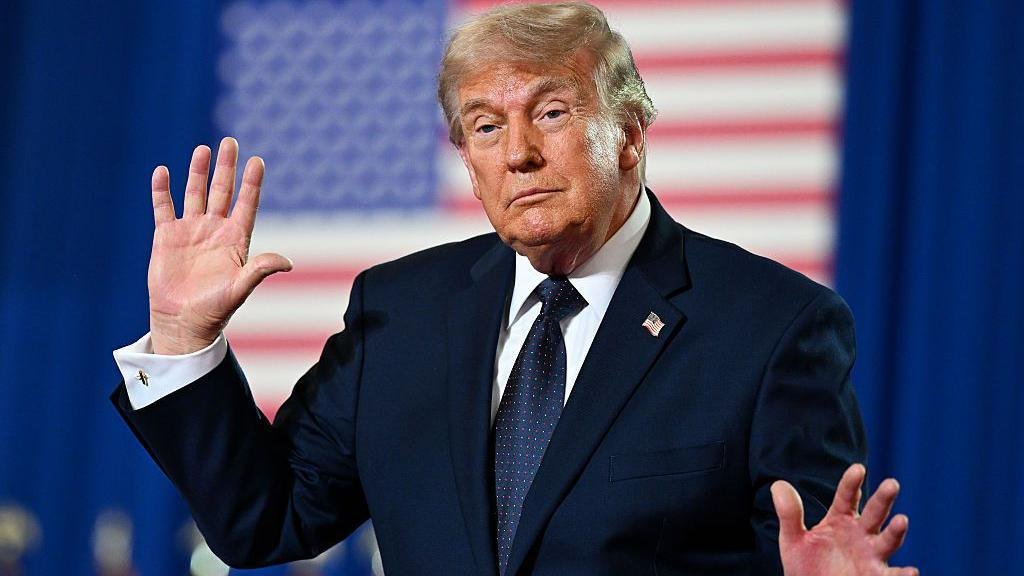
In a sharp turn of events that has reverberated through the halls of Washington, President Donald Trump is reportedly reconsidering his administration’s push for a highly contentious $1.8 billion fund, ostensibly designed to compensate victims of what he terms “politicized prosecutions.” The proposal, which critics and even some within the President’s own party have dubbed a “MAGA slush fund,” has become the epicenter of a fierce legal and political firestorm. Faced with mounting pressure from Senate Republicans, impending judicial scrutiny, and a unified Democratic opposition, the administration now appears to be contemplating a quiet retreat from a program that has been widely characterized as one of the most brazen acts of self-dealing in modern presidential history.

The fund, which emerged as part of an unusual settlement following a lawsuit the President filed against the Internal Revenue Service—an agency he currently oversees through his own appointees—was designed with an alarming lack of transparency. The terms stipulated that there would be no disclosure of who was being paid or the specific amounts involved. This lack of oversight immediately ignited accusations of systemic corruption. Concerns reached a boiling point when administration officials hinted that the potential beneficiaries could include individuals involved in the January 6, 2021, riot at the US Capitol, including those who were later pardoned. The prospect of federal taxpayer dollars being distributed to those who assaulted law enforcement officers and vandalized the seat of American democracy drew condemnation from across the political spectrum, including from former Vice-President Mike Pence, who described the idea as “deeply offensive” to the vast majority of Americans.
Legal roadblocks have moved in tandem with the political backlash. On Friday, US District Judge Leonie Brinkema in Virginia intervened, temporarily blocking the administration from transferring any money out of the fund. This injunction followed a lawsuit filed by the organization Democracy Forward, which sought to have the fund dissolved entirely on the grounds of constitutional illegality. The legal challenge highlighted the suspicious nature of the IRS settlement, noting that the agency, effectively controlled by the White House, offered no defense against the President’s suit, leading to widespread allegations of collusion. As the Justice Department paused the program to comply with the court order, the administration found itself increasingly isolated.
Within the Republican Party, the support for the fund has proven fragile. Senate Majority Leader John Thune, reflecting the anxieties of GOP members facing a difficult political environment, publicly signaled that the administration’s best course of action would be to voluntarily shutter the initiative. For many Republicans, the political liability of defending a secretive, non-transparent pool of money—especially one that could potentially reward those involved in the Capitol riot—outweighed any perceived benefit. The mounting pressure from the legislative branch has forced the White House to confront the reality that the fund is rapidly becoming a toxic asset, capable of alienating moderate voters and undermining the party’s credibility on issues of fiscal responsibility and the rule of law.
Democrats have seized upon the controversy with renewed vigor, framing the fund as the ultimate manifestation of corruption in broad daylight. Senate Minority Leader Chuck Schumer has been particularly vocal, vowing that the Democratic caucus will utilize every legislative mechanism available to ensure the fund is permanently dismantled. In a letter to his colleagues, Schumer outlined a strategy to force Republican members to take a public stand on the issue, whether through reconciliation measures, floor votes, or fights over appropriations. “There will be no escape hatch,” Schumer warned, signaling that Democrats are determined to make the fund a defining litmus test for Republican loyalty to the President’s agenda.
The response from the state level has been equally aggressive. California Governor Gavin Newsom, in a preemptive strike against the distribution of federal funds to his constituents, proposed a 100% income tax on any such payments. Similar legislative proposals have been floated in Illinois, New York, and Connecticut, effectively creating a regional blockade that would render the fund useless for residents in those states. These maneuvers have added yet another layer of complexity to the administration’s calculations, as they realize that even if the fund were to survive legal and federal legislative hurdles, its implementation would face massive administrative and bureaucratic resistance across the country.
The proposed retreat, while not yet official, highlights the precarious nature of the administration’s governance strategy. The decision to establish the fund in the shadow of an IRS lawsuit, without the consent of Congress or the transparency required by public accounting standards, has provided a focal point for institutional resistance. As the administration weighs its next move, it is forced to contend with a coalition of legal experts, opposition lawmakers, and even allies who have concluded that the political cost of the “anti-weaponization” fund has become insurmountable. Whether or not the President decides to proactively terminate the program, the events of the past two weeks have severely damaged the credibility of the underlying settlement and exposed the vulnerabilities of a governance style that leans heavily on unilateral executive action.

For now, the project remains in a state of suspended animation, frozen by court order and suffocated by political scandal. The administration’s attempt to institutionalize a mechanism for compensating perceived political allies has, instead, resulted in a significant victory for those who prioritize transparency and the strict oversight of public funds. As the dust settles on this intense skirmish, the debate over the fund stands as a cautionary tale about the limits of executive power and the resilience of the checks and balances inherent in the American political system. The administration may walk away from the $1.8 billion, but the questions it raised regarding the integrity of federal institutions and the boundaries of presidential authority will undoubtedly linger, shaping the political discourse for the remainder of the term.
Related News:
 Thousands Protest ICE Operations in Nationwide US Day of Action
 US judge dismisses Kilmar Abrego Garcia indictment
 Tulsi Gabbard exits after turbulent intelligence tenure
 Former ICC prosecutor condemns US sanctions
 US National Guard Member Killed in DC Shooting
 Trump to pause migration from ‘third-world countries’
 Franklin Turtle, Sabrina Carpenter Slam US Social Media Use
 Trump Receives Machado’s Nobel Medal in White House Meeting
 Trump officials continue false claims after Alex Pretti shooting
 Files Link Andrew to Epstein Dinner After Prison Release
 Partial US Government Shutdown Hits Homeland Security Funding
 Epstein Files Reveal Trump Officials’ Emails with Financier
 Thousands Protest ICE in New York Against Trump Deportation Campaign
 Michigan Battleground: Middle East Crisis Stirs US Senate Race
 The Moral Crisis Looming Within the American Chain of Command
 Swalwell Faces Pressure to Quit Governor Race
 Trump Signals Hope for New Iran Talks as Ceasefire Fades
 Harmeet Dhillon Faces Scrutiny in DOJ Role Debate
 GOP Senator Criticizes Trump’s Feud With Pope Leo XIV
 Trump at Press Dinner Sparks Tension
 Investigation Into Anti-Trump Motives After Gala Shooting
 Judge Blocks Trump Bid for Arizona Voter Data
 US Court Weighs Fate of TPS for Migrants
 Florida Redistricting Map Sparks Major US Political Battle
 USS Gerald R Ford Ends Record Naval Deployment
 US Voting Rights Ruling Sparks Celebration and Outcry
 US Charges Sinaloa Governor in Major Cartel Case
 US Court Ruling Reshapes Voting Rights Landscape
 US states redraw maps after voting rights ruling
 Trump orders US troop pullout from Germany
 Judge halts deportation of Yemeni refugees in US
 White House Security Case Sparks Political Firestorm
 Trump warns Iran as Middle East tensions surge again
 US Supreme Court fast-tracks Voting Rights ruling
 Indiana Republicans Defy Trump in Key Vote Test
 US Court Restores Abortion Pill Access Temporarily
 Tensions Emerge in Netanyahu-Trump Alliance
 Immigration Judges Fear Pressure in Trump Era
 FDA Chaos Deepens as Trump Eyes Makary Exit
 US green card applicants must apply from abroad, DHS says
 Trump’s Revenge Drive Deepens GOP Divide
 Gunman Killed After White House Security Shootout
 Prosecutor Proposes Law to Combat Election Deceit
 Trump’s Mount Rushmore Speech: A Divisive Anniversary
 Mystery Grows Over Mitch McConnell’s Health
 Trump Refuses to Sign Housing Bill, But Law Takes Effect
 House Democrats Divided Over Israel Military Funding Bid
 Houthis Strike Saudi Arabia as Middle East Tensions Rise
 Trump Orders Signs Criticising Smithsonian Museum
 French Taxi Driver Cleared in David Lammy Theft Case After Fare Dispute
 Major Rent Reform Ends No-Fault Evictions in England
 Trump Deploys DHS to Charlotte in Major Arrest Operation
 ICC to Rule on Duterte’s Provisional Release
 Mandelson apologises over Epstein ties after public scrutiny
 Australia grants Asio powers to designate hate groups under new laws
 Trump press secretary attacks reporter over ICE question
 Starmer Challenges US Over Controversial Greenland Deal
 Spoof “Make America Go Away” Caps Rally Denmark Over Greenland
 Trump Fed bid heads to Supreme Court
 Sinema payment row deepens after $9,000 transfer claim
 Nurses’ families fear breakup under UK immigration crackdown
 California Democrats Vow Trump Reckoning
 Trump’s Surgeon General Pick Evades Vaccine Questions
 Adelaide University Faces Backlash Over Event Cancellation
 Proposed Law Leaves Gap for Children of Convicted Paedophiles
 New Zealand Covid Response Praised Despite Lingering Scars
 Big Tech Faces Investigation Over Australia’s Social Media Ban
 Farage Shuns Truss as US Right-Wing Roadshow Hits London
 Reform UK Pledges To Halt Visas Over Reparations Demands
 UK Stands Firm on Falklands Amid US Rift
 Trump Defiant After Washington Hotel Shooting
 Oil Prices Surge Above $120 Amid Iran Blockade Fears
 One Nation Candidate’s Surprising Ties to Independents
 Fear and Betrayal: The Chilling Case of Kouri Richins
 Tony Abbott Returns as New Liberal Party President
 Kevin Warsh sworn in as Fed chair amid economic backlash
 Trump Urged to Condemn UFC Fighter Over Obama Slurs
 US Military Pacific Boat Strike Kills Three People
 US Courts Back Trump on Park Signage Removals
 Trump Swaps Planes Amid Iran Tensions