Published: 14 July 2026. The English Chronicle Desk. The English Chronicle Online.
The enduring crisis in Yemen has taken a sharp and dangerous turn this week. Abdullah al-Alimi has issued a stern warning regarding recent Iranian aviation activities. He serves as the vice-president within Yemen’s internationally recognised and Saudi-backed governing administration. Al-Alimi claims that these flights constitute an unacceptable violation of Yemen’s territorial sovereignty. The official alleges these aircraft contain prohibited military equipment destined for the Houthi movement. He argues that this group has evolved from a local faction into a major regional threat. This transition now jeopardises both global security interests and the stability of the international economy.
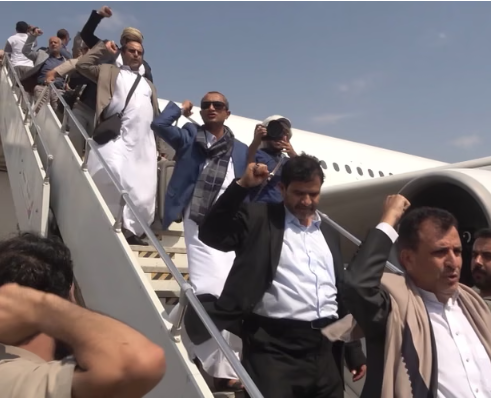
The situation escalated dramatically following a recent military response from the government forces. Supported by Saudi Arabian air power, these forces bombed the Houthi-controlled airport located in Sana’a. This action was taken in direct protest against Iranian efforts to deliver a specific aircraft. The intended plane was meant to carry a Houthi delegation back from the funeral of Ali Khamenei. The late Iranian supreme leader’s memorial served as the backdrop for this intense geopolitical confrontation. The aircraft ultimately diverted to an alternative landing site within the Red Sea port of Hodeidah. This location remains firmly under the operational control of the Houthi insurgent forces.
The reaction from the Houthi movement was swift and aggressive against their established adversaries. They launched a series of missile strikes targeting Saudi Arabian territory in direct response to the bombing. These attacks effectively shattered the fragile four-year truce that had governed the conflict between the groups. An emergency session of the United Nations Security Council convened shortly after to address these developments. International diplomats issued urgent pleas for both parties to exercise maximum restraint and de-escalate hostilities. The head of the Houthi delegation defended their actions as a moral duty to protect their homeland. He claimed their response was a legitimate right affirmed by both religious and international legal frameworks.
Yemen has endured a brutal state of intermittent civil war since the year 2015. The conflict began when Houthi forces seized control of the capital city of Sana’a. This forced the internationally recognised government to retreat to Aden in the southern part of the country. Saudi Arabia intervened shortly thereafter to support the administration against the encroaching Houthi insurgency. Abdullah al-Alimi remains a long-term and highly influential figure within the complex landscape of Yemeni politics. He currently holds a critical leadership role that guides the strategic direction of the national government. He asserted that the Houthi movement currently finds itself in a significantly weaker position than before.
This relative decline is attributed to several complex factors including the perceived weakening of their primary patron. Iran has served as the longstanding supporter of the Houthi cause for many years. Al-Alimi believes that it is now realistic to end the coup and restore legitimate state institutions. He emphasised that such stability would contribute greatly to regional security and protect vital global waterways. The official argued that the Iranian authorities used the recent funeral as a convenient cover. He claims this allowed them to smuggle sensitive equipment and military experts into Houthi-controlled territories. These efforts are viewed by the government as a deliberate attempt to bolster the insurgency.
Diplomatic pathways have been explored, but al-Alimi stated that negotiations with the Houthis have achieved almost nothing. The strategic impact of the Houthi movement has shifted from an internal nuisance to an international menace. He specifically highlighted the growing threat posed to the critical Red Sea and the Bab al-Mandab strait. Any future political understanding must be based on a fundamental recognition of state monopoly over weaponry. The legitimate government remains committed to restoring the proper structures of the state as a non-negotiable requirement. He promised that the government would continue to carry the metaphorical sword of peace whenever possible. However, he remained firm that they are fully prepared if the Houthis choose to impose war.
The economic consequences of this prolonged conflict have been particularly devastating for the local Yemeni population. Houthi attacks on vital oil export facilities have placed immense pressure on the national budget. This has severely hampered the government’s ability to provide essential services, including the payment of civil servant salaries. Al-Alimi noted that the government would have been unable to meet these obligations without critical Saudi financial support. The persistent threats to oil infrastructure have made it nearly impossible to attract necessary international investment into the country. Consequently, he stated that his government requires immediate and sustained security assistance from its regional allies.
Yemen has suffered through a decade of civil war and intense proxy warfare involving various external powers. The Saudi-led coalition intervention in 2015 triggered one of the most severe humanitarian crises currently observed globally. Further instability occurred late last year when the Southern Transitional Council began to aggressively assert its own influence. This separatist movement is backed by the United Arab Emirates and has contributed to significant internal divisions. The emergence of these factions has splintered the original coalition that was formed specifically to fight the Houthi movement. Despite these complications, al-Alimi claimed there is now a greater degree of cohesion within the presidential leadership council.
He stressed that many individuals associated with the Southern Transitional Council remain active participants in various state structures. Their involvement spans from the highest executive levels down through the governorates and regional administrative departments. The vice-president strongly defended his government’s continued reliance on critical Saudi military and economic support. He highlighted the shared border extending for 1,200 kilometres as a defining feature of their geopolitical reality. Deep historical and cultural ties bind the two nations together in a shared destiny that transcends current political disputes. He concluded by asserting that Saudi Arabia has stood by the Yemeni people throughout all humanitarian and developmental challenges. The government remains focused on navigating this difficult path toward long-term national stability and sovereign recovery.
Related News:
 Ukraine war briefing: Zelenskyy offers help to Saudi Crown prince on combatting Iranian drones
 Ukraine Sends Drone Experts to Defend US Bases in Jordan
 Saudi Arabia Urging US to Keep Up Iran Attacks
 Diplomacy on the Brink: Pakistan’s Risky Peace Mission
 Trump Slams Europe as Transatlantic Tensions Boil Over
 High-Value Target: Iranian Strike Destroys US Radar Plane
 UN Warns Israeli Death Penalty Bill Could Be a War Crime
 Pakistan and China Propose Five-Part Peace Plan
 Trump Issues Stark Warning After Strike On Iran’s Largest Bridge
 Hope and Fear as Iranians Flee Across the Turkish Border
 The Price of Hubris: Trump, Netanyahu, and the ‘Easy’ War
 Israel Defies Ceasefire as Lebanon Operations Persist
 Middle East Peace Crisis: Ceasefire Strained by New Violence
 Pakistan Brokers Historic Peace Deal Amid Rising Tensions
 Netanyahu Vows Continued Lebanon Strikes Amid Peace Talks
 Islamabad Hosts Historic Peace Talks Between Iran and USA
 US and Iran Pursue Extension of Ceasefire via Pakistan
 Trump’s Islamabad Gamble: The High Stakes of a New Iran Deal
 The General’s Gambit: Pakistan’s New Role in Global Peace
 Can Trump’s Ceasefire Hold in Lebanon?
 Global order shifts amid Trump-era turmoil
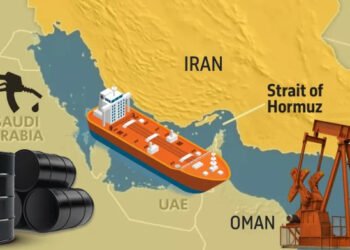 Middle East Crisis Escalates as Oil Routes Shake Markets
 Saudi Arabia Blocks Trump’s Naval Plan for Hormuz Strait
 Tensions Emerge in Netanyahu-Trump Alliance
 UAE’s Secret Strike on Iran Risks Wider Gulf Conflict
 Netanyahu Claims Secret UAE Visit Amid Regional Conflict
 Netanyahu Calls Early Election Amid Coalition Turmoil
 Plea for Mercy: The Battle to Bring Ahmed al-Doush Home
 Trump Issues New Threat of Strikes Amid Iran Standback
 Global Outrage After Israeli Minister Mocks Bound Activists
 Israeli Strikes in Lebanon Kill 10 Amid Ceasefire Strain
 Hunger increasingly weaponised in global conflicts
 Former ICC prosecutor condemns US sanctions
 Trump and Netanyahu Clash Over Crucial US and Iran Peace Deal
 Washington Brokerage Sparking Hope Amid Regional Firestorms
 Israel Defies Trump in Direct Strikes on Targets Across Iran
 US and Iran Agree Historic Framework to End 15-Week War
 Global Powers Navigate Fragile Peace as Hormuz Reopens
 Trump Signs Landmark Iran Accord in Versailles
 Uncertainty Prevails as Landmark Peace Talks Abruptly Conclude Before Commencement
 Iran To Propose New Shipping Fees In Strait Of Hormuz
 Grief and Devotion Amidst the Rubble of Nabatieh
 High Drama in Tehran Over Secret Nuclear Letters
 Iran Prepares for Massive Six-Day Funeral for Khamenei
 Iran Prepares for Massive Funeral for Supreme Leader
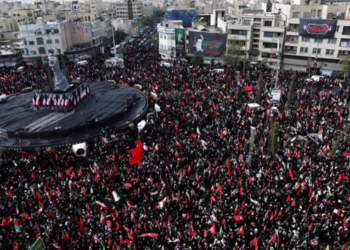 Iran Bids Farewell to Fallen Leader in Massive Procession
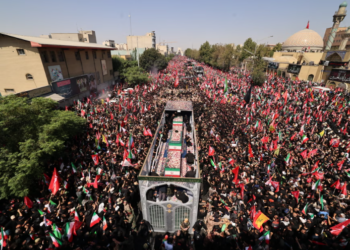 Iran Mourns: Millions at Khamenei’s Final Procession
 Hamas Proposes Handing Over Control of Gaza Strip
 Israeli Officer Investigated for Car Grenade Attack
 Trump Threatens Iran Power Strikes Over Hormuz Impasse
 Houthis Strike Saudi Arabia as Middle East Tensions Rise
 Friedman Uninvited From 2024 Adelaide Writers’ Week
 Spoof “Make America Go Away” Caps Rally Denmark Over Greenland
 New Zealand Covid Response Praised Despite Lingering Scars
 Tehran Strikes Mark War’s Most Devastating Night
 Injured Mojtaba Khamenei Elevated as Iran Leader
 Trump’s Six-Week Iranian War: The High Cost of Ignorance
 Reform UK Pledges To Halt Visas Over Reparations Demands
 US and Iran Agree to Two-Week Provisional Ceasefire
 Trump Signals Hope for New Iran Talks as Ceasefire Fades
 Security Alert Near Israeli Embassy as Police Investigate
 US-Iran Standoff: Will Trump Deploy Ground Troops?
 Investigation Into Anti-Trump Motives After Gala Shooting
 Trump Rejects Tehran Peace Plan as Regional Truce Crumbles
 High Stakes in Beijing as Trump and Xi Meet Amid Global Turmoil
 Fear and Betrayal: The Chilling Case of Kouri Richins
 Trump and Xi Convene in Beijing for Historic High-Stakes Summit
 Aussie Race Row: Coalition Accused of Scapegoating
 Trump Pledges 5,000 Troops for Poland in U-Turn
 Cannes filmmakers split over AI’s role in cinema
 US Condemns ‘Two-Tier’ UK Policing After Student Murder
 Trump Appeals for Middle East Calm but Conflict Escalates
 Millions in British Charity Funds Linked to Illegal Settlements
 US Trafficking Arrest Exposes Shocking Exploitation
 Gas Prices Fall Below $4 Following US-Iran Peace Deal
 Canada Secure Historic Last 16 Spot with Late Goal
 EU Slashes Steel Quotas But Grants UK Favourable Rates
 Southern Europe Reels as Wildfires Force Mass Evacuations
 Telstra Software Fault Triggers Massive Nationwide Outage
 Rubio Pushes to Dismantle Global Justice Court