Published: 29 June 2026. The English Chronicle Desk. The English Chronicle Online.
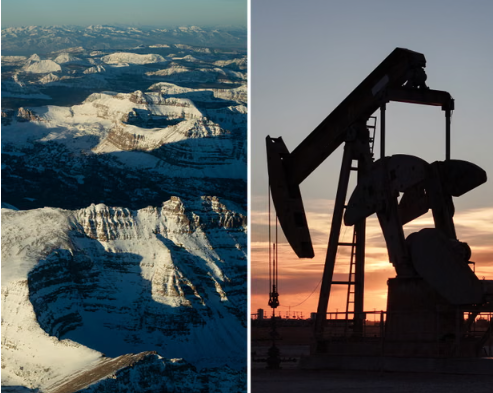
The internal operations of the American energy sector are undergoing a quiet but monumental transformation right now. The current United States presidential administration has launched a determined initiative to fundamentally restructure how public land is leased. This new strategic directive aims to dramatically reduce the amount of time everyday citizens can comment on drilling. For decades, local communities and ecological groups maintained a significant voice in validating these industrial projects. Now, new federal proposals threaten to sideline those voices entirely to accelerate domestic oil production. This administrative shift has sparked intense debates regarding environmental safety and the nature of democratic governance.
At the core of this escalating controversy is a dual initiative from the interior department. Federal officials have formally proposed loosening two major regulations originally established during the previous administration. The first major change targets the financial obligations imposed on energy companies before operations begin. Under previous rules, firms paid substantial upfront fees to cover future environmental cleanup costs safely. The new proposal would lower these financial security requirements from half a million dollars down to twenty-five thousand. Critics argue this leaves taxpayers highly exposed to massive financial burdens if companies abandon spent wells.
The second part of the regulatory overhaul focuses on the management of atmospheric emissions. Specifically, the administration wants to ease restrictions on the release of atmospheric methane gas. Methane remains a primary concern for climatologists because it traps heat very effectively. Scientists estimate that methane is roughly thirty times more potent than carbon dioxide over a century. The older rules forced energy corporations to capture this byproduct or submit strict reduction strategies. The new framework completely removes that stipulation, allowing corporations to operate with much greater flexibility. This particular adjustment has drawn sharp condemnation from international scientific networks and climate advocacy groups.
The restructuring also alters the daily operations of the Bureau of Land Management within America. Under current guidelines, this agency must carefully evaluate if drilling tracts conflict with wildlife habitats. The proposed rules would eliminate this mandatory resource conflict assessment entirely before leasing begins. Furthermore, the window for the general public to express concerns will face massive reductions. Currently, citizens enjoy a multi-tiered system providing ninety days of total participation for each sale. This includes distinct periods for examining tracts, reviewing environmental documents, and filing formal protests.
If these sweeping modifications are officially finalized, the first two evaluation periods will disappear completely. Furthermore, the final stage for filing official protests will shrink from thirty days to ten. Legal experts argue that ten days is entirely insufficient for reviewing complex industrial leases. A single lease sale often contains dozens of individual parcels with unique ecological needs. Advocates stress that federal staff are rarely familiar with specific on-the-ground realities in remote regions. Public feedback traditionally allowed the government to identify localized risks before making irreversible land decisions.
The administration defends these changes as an essential modernization of slow and outdated bureaucratic systems. Interior Secretary Doug Burgum stated the updates cut through red tape hampering economic innovation. He emphasized that public lands must remain a reliable engine for domestic growth and energy. White House officials also maintained that all legally mandated congressional comment windows will be preserved. They argue the streamlined system simply removes unnecessary administrative delays that hold back American corporate investments. From their perspective, the changes balance necessary development with a more efficient regulatory oversight approach.
However, environmental attorneys counter that bypassing public input actually creates worse long-term inefficiency for agencies. They note that robust early participation allows communities to resolve heated conflicts outside a courtroom. Without these legal channels, aggrieved local groups will likely resort to filing extensive litigation. This shift could paradoxially delay projects much longer than the original ninety-day comment period required. Legal experts suggest that high-quality decisions inherently require diverse perspectives from the people living nearby. Sidestepping this process might save money initially but creates major instability down the line.
This current push against public participation is not an isolated event in Washington today. It represents the latest development in a much broader executive strategy targeting federal deregulation. For instance, the United States Forest Service recently proposed similar reductions for its environmental assessments. Over the past eighteen months, several energy producers secured expanded exemptions from standard environmental reviews. Additionally, the Council on Environmental Quality recently rescinded foundational guidelines regarding long-term project impacts. These systemic rollbacks have successfully altered operations across the Department of Agriculture and the energy department.
The Environmental Protection Agency has similarly introduced changes to its standard evaluation procedures as well. The agency proposed modifications that would make public comment periods for environmental reviews optional. Representatives from the agency aggressively dismissed criticisms from various ecological groups regarding the new policy. They labeled concerned activists as radicals attempting to weaponize regulations against American economic prosperity. The agency insists its changes restore the original intent of historical environmental protection laws. They argue that setting firm timelines and creating concise documents keeps essential protections fully intact.
The executive focus on reducing public oversight extends well beyond traditional energy and drilling policies. Recently, the executive branch implemented an order to repeal water efficiency standards for household fixtures. The president explicitly stated that typical notice and comment procedures were entirely unnecessary for the repeal. Observers note this style of governance represents a distinct hallmark of the current administrative philosophy. Furthermore, the Office of Management and Budget recently faced heavy criticism over its latest actions. The office offered a brief forty-five-day window for reviewing sweeping overhauls to federal grants.
Distrust has deepened due to the substantial political donations flowing from major energy corporations. Critics frequently point out that the administration received record financial support during the recent election. Climate advocates argue these policy rollbacks represent direct rewards for those wealthy corporate campaign donors. They claim the administration is fast-tracking dirty fossil fuel projects while actively blocking cleaner energy. This dynamic has intensified the political divide between corporate leaders and grassroots environmental organizers. The financial relationship between regulators and the regulated remains a central point of public contention.
Simultaneously, the administration has occasionally invoked environmental review processes when targeting renewable energy initiatives. The interior department recently ordered strict assessments regarding wildlife impacts caused by large wind turbines. Additionally, the justice department requested feedback on state-level climate laws that supposedly burden local economies. Critics view this as a selective application of oversight designed to favor traditional fossil fuels. They argue the administration applies heavy scrutiny to green energy while dismantling rules for oil. This perceived double standard has further alienated conservationists and clean energy investors globally.
The international community is watching these developments closely as global climate targets face immense pressure. As the world struggles to contain rising temperatures, major policy shifts in America carry global weight. Taxpayer groups in the United States are also expressing deep concern over future financial liabilities. If abandoned wells pollute local water tables, the remediation costs will fall squarely on public funds. The coming months will determine whether these controversial regulatory rollbacks survive impending challenges in court. For now, the balance between corporate expansion and public oversight remains highly fragile.
Related News:
 Saudi Officials Report Zubaidi Flee Before Yemen Peace Talks
 UK Targets in New York Bomb Threat Hoax: Man Jailed
 Gambia Supreme Court Hears Case to Overturn FGM Ban
 Trump targets Iran trade with 25% tariff warning
 US Senate rejects resolution limiting Trump military powers
 Gulf states warn Trump Iran strikes risk wider Middle East war
 Machado Trump medal gesture reshapes Venezuela power struggle
 Geopolitical football: Iran, Trump and the World Cup clash
 Canada-China trade gains momentum in new strategic partnership
 Shinzo Abe’s killer receives life sentence in Japan
 China General Under Investigation Amid Leadership Purge
 Philippines ferry disaster leaves 15 dead, dozens missing
 Cambridge Faces Scrutiny Over Arms Investment Transparency
 Concerns rise for Canberra boy amid Iran detention fears
 Ukraine Sends Drone Experts to Defend US Bases in Jordan
 Abramovich Chelsea Sale Cash Faces Jersey Probe
 Yvette Cooper: UK Must Follow Principles, Not US Pressure
 Jury Rules Meta and YouTube Liable for Addictive Design
 The Woman Guarding Earth From the Threat of Asteroids
 Exiled Tycoon Warns of New Russian Attacks on UK Soil
 LA 2028: Millions of Affordable Olympic Tickets Announced
 Trump Slams Europe as Transatlantic Tensions Boil Over
 Inside the Deceptive Machine: A Former Producer Speaks Out
 Spain Faces Backlash Over Xenophobic Chants in Egypt Draw
 A Global Voice For Justice: Stephen Lewis Dies At Age 88
 Hope and Fear as Iranians Flee Across the Turkish Border
 Reform UK Pledges To Halt Visas Over Reparations Demands
 US and Iran Agree to Two-Week Provisional Ceasefire
 Starmer visits Gulf as US and Iran agree ceasefire
 Pakistan Brokers Historic Peace Deal Amid Rising Tensions
 Trump Signals Hope for New Iran Talks as Ceasefire Fades
 US and Iran Pursue Extension of Ceasefire via Pakistan
 The General’s Gambit: Pakistan’s New Role in Global Peace
 Mexico, Spain and Brazil call for Cuba dialogue amid crisis
 Pakistan’s Ambitious Bid for Middle East Peace
 Israeli Soldiers Jailed Over Vandalism of Lebanese Statue
 Trump Weighs Sending Afghan Allies to the Congo
 Prominent Voices Challenge Palestine Action Ban
 Merz Criticises US Approach in Iran Conflict
 UK Envoy Sparks Controversy Over Special Relationship Claims
 Ukraine Urges UK to Seize Russian Oil Tankers
 The Billionaire’s Secretary and the £1m Fraud
 Ukraine strikes Tuapse as oil disaster worsens
 Mission to the World’s Edge: A Heroic Rescue in Tristan
 US and Mexico Face Heatwave as Floods Batter South Africa
 Mexico’s Missing: State Complicity in a Growing Crisis
 French Patient Told Hantavirus Was Just Anxiety
 Putin Signals War End as Russian Momentum Stalls
 Romania’s Judicial Crisis: A System Under Siege
 Lee Lai Makes History with Landmark Stella Prize Victory
 Philippine Senator Flees After Days Under Senate Siege
 Alberta Separatist Bid Blocked by Canadian Court
 Big Tobacco Under Fire Over Controversial New Ad Campaign
 Court Upholds Landmark Win for Transgender Rights
 Liberal Senator Criticises Immigration Rhetoric
 Senate Moves to Restrict Trump’s War Powers on Iran
 ICC Arrest Warrant Threat Sparks West Bank Retaliation
 Taliban Codifies Strict New Marriage and Divorce Legislation
 Tony Abbott Returns as New Liberal Party President
 Tulsi Gabbard exits after turbulent intelligence tenure
 Discontent grows around Putin amid war strain
 Trump Diplomacy Faces Hurdles from Tehran to Tbilisi
 Trump Faces Legal Blow Over Global Tariffs
 Washington Brokerage Sparking Hope Amid Regional Firestorms
 New York Consumer Watchdog Tackles Corporate Lawbreaking
 Global Tech Giants Face Off Against Australia Over Media Levies
 ANU Reputation Crumbles Under Leadership Woes and Huge Losses
 Ukraine Turning the Tide: Zelenskyy Reclaims the Initiative Against Isolated Russia
 Millions in British Charity Funds Linked to Illegal Settlements
 Firearm Fine for Missing Boy’s Grandmother
 Historic Peace Deal Reached Between United States and Iran
 A New Era of Diplomacy Sparks Confusion on the World Stage
 AI to Help Botanists Win the Critical Race Against Extinction
 Tragedy in Pakistan Sparks Fury
 Battle for Washington: Mayoral Race Braces for Trump
 Tuchel’s England Mission Goes Beyond Football Success
 Historic Victory for Canada as They Defeat Nine-Man Qatar
 Trump’s Iran Legacy Hangs on Tehran Deal
 What Burnham in Number 10 Means for the Future of Britain
 Canada Secure Historic Last 16 Spot with Late Goal