Published: 15 June 2026. The English Chronicle Desk. The English Chronicle Online.
The shifting landscape of global politics took a dramatic turn this week as multiple monumental announcements emerged from Washington, Moscow, and Tehran. At the heart of these geopolitical developments is the unpredictable nature of modern diplomacy and its immediate impact on global markets. World leaders and international observers are scrambling to interpret a series of fast-moving events that could reshape the future of international trade. The intricate balance of power in the Middle East remains particularly sensitive as conflicting narratives begin to surface from different capitals. Investors and citizens alike are watching closely to see how these official statements translate into actual policy changes on the ground. The coming days will undoubtedly prove crucial in determining whether these declarations lead to genuine stability or further international complications.
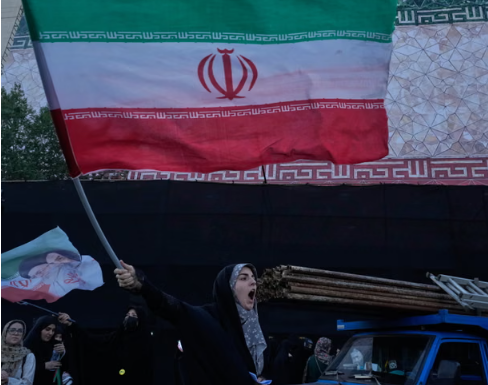
In the early hours of Monday morning, the Iranian deputy foreign minister, Kazem Gharibabadi, confirmed an unexpected breakthrough. He announced an agreement for an immediate end to the conflict, which has heavily impacted regional stability recently. According to his official statement, Lebanon has been included in a comprehensive peace deal scheduled for Friday. This surprising revelation followed an earlier announcement made on Sunday afternoon by Pakistan’s prime minister, Shehbaz Sharif. Sharif stated that both nations would be declaring the immediate and permanent termination of all military operations. Regional officials later confirmed that Qatari mediators had travelled to Tehran on Sunday afternoon to finalise the agreement. Despite this progress, immense uncertainty continues to swirl around the practical implementation of the proposed peace terms.
A major point of contention involves whether Israel will halt its ongoing military actions against Hezbollah. Furthermore, influential Iranian hardliners have already started registering their strong opposition to the newly proposed peace deal. They view the current memorandum of understanding as an unacceptable act of capitulation to Western powers. In Washington, Republican senator Lindsay Graham expressed cautious optimism regarding the news of the diplomatic breakthrough. However, he also voiced significant concerns that Iran’s interpretation of the deal differs from American claims. This divergence in perspective suggests that the upcoming signing ceremony in Switzerland faces considerable political obstacles. The international community remains deeply divided on whether this framework can deliver long-term peace to the region.
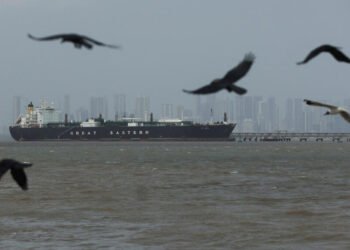
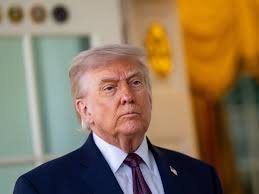
The economic implications of this potential agreement became clear when discussions turned to vital international shipping lanes. Donald Trump recently claimed that a comprehensive deal between Tehran and Washington was completely finalised and ready. He boldly stated that he fully authorises the toll-free opening of the strategic strait of Hormuz. The American president also authorised the immediate removal of the United States naval blockade from the area. In his characteristically dramatic style, he encouraged global shipping companies to immediately resume their normal operations. He concluded his public announcement with an enthusiastic call to let the global oil supply flow. This rhetoric caused immediate ripples through international energy markets, though experts advise a degree of caution.
The optimistic narrative presented by the White House was quickly challenged by state media outlets within Iran. Reports from the Mehr state news agency indicated a significantly different timeline for the agreement. Their reports suggest the memorandum of understanding calls for a reopening within thirty days under specific arrangements. This insistence on maintaining domestic control over the waterway highlights the unresolved tension between the two nations. Iranian hardliners have continued to rail against the deal, which is set for signature this Friday. The conflicting statements highlight the immense difficulty of verifying the true terms of this international accord. For now, the global shipping industry must wait for concrete actions rather than relying on political rhetoric.
Meanwhile, the diplomatic reach of the White House extended toward Eastern Europe during a busy weekend. Reports from Russia’s TASS news agency revealed a significant telephone conversation between the two global leaders. Trump reportedly informed Vladimir Putin that ending the conflict in Ukraine was an absolutely critical priority. He emphasised his willingness to provide direct American assistance to help resolve the ongoing European war. According to presidential adviser Yuri Ushakov, the conversation also touched upon the developing situation with Iran. Trump used the opportunity to explain that the United States was nearing a historic peace deal. The phone call reportedly lasted for about an hour and was described as exceptionally friendly.
This active engagement with Moscow suggests an effort to reshape American foreign policy across multiple fronts simultaneously. However, critics suggest that managing multiple international crises at once could dilute the effectiveness of American diplomacy. The friendly nature of the conversation has also raised eyebrows among traditional Western allies in Europe. Many European leaders remain wary of any diplomatic shifts that might compromise regional security frameworks. The administration seems determined to pursue these direct negotiations despite the potential pushback from international partners. The true outcome of these conversations will only become clear as formal negotiations progress further.
Domestically, the administration continues to blend official state business with unique commercial and sporting interests. The Ultimate Fighting Championship recently announced an unorthodox payment structure for an upcoming high-profile sporting event. They confirmed that fighters will receive their bonuses in a brand new form of cryptocurrency. This digital currency is directly issued by World Liberty Financial, a prominent Trump family business venture. The heavily publicised mixed martial arts event took place on the south lawn of the White House. This unprecedented development directly connects private financial interests with a prominent and historic government property. The decision has sparked intense debate regarding the appropriate boundaries of modern presidential commercial activity.
As the administration navigates these complex issues, attention is also turning toward the political future. Vice-President JD Vance recently shared his thoughts regarding a potential presidential run in the future. He stated that he intends to discuss the matter thoroughly with his wife, Usha Vance. This important family discussion will take place after the conclusion of the upcoming midterms. Vance provided this personal insight during a wide-ranging interview focused on his recent literary work. His new memoir details his personal journey and his recent conversion to the Catholic faith. He explained that he prefers not to make major life decisions until absolutely necessary.
The political landscape is further complicated by discussions surrounding the advanced age of the current president. As Donald Trump turns eighty this weekend, commentators are reflecting on the inevitable challenges of aging. This milestone has attracted messages from various global activists, artists, and prominent international contemporary thinkers. While some messages offer genuine congratulations, others use the occasion to highlight shifting societal perspectives. At the same time, controversial international travel plans have drawn criticism from small communities abroad. Reports indicate that some French villagers expressed strong opposition to a scheduled visit by the defense secretary. These varied reactions demonstrate the complex mix of admiration and resistance that current policies generate.
Related News:
 Saudi Officials Report Zubaidi Flee Before Yemen Peace Talks
 UK Targets in New York Bomb Threat Hoax: Man Jailed
 Gambia Supreme Court Hears Case to Overturn FGM Ban
 Trump targets Iran trade with 25% tariff warning
 US Senate rejects resolution limiting Trump military powers
 Gulf states warn Trump Iran strikes risk wider Middle East war
 Machado Trump medal gesture reshapes Venezuela power struggle
 Geopolitical football: Iran, Trump and the World Cup clash
 Canada-China trade gains momentum in new strategic partnership
 Syria President Declares Victory as Ceasefire Reached with SDF
 Shinzo Abe’s killer receives life sentence in Japan
 China General Under Investigation Amid Leadership Purge
 Philippines ferry disaster leaves 15 dead, dozens missing
 Cambridge Faces Scrutiny Over Arms Investment Transparency
 Concerns rise for Canberra boy amid Iran detention fears
 Ukraine Sends Drone Experts to Defend US Bases in Jordan
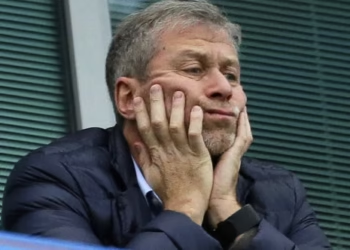 Abramovich Chelsea Sale Cash Faces Jersey Probe
 Yvette Cooper: UK Must Follow Principles, Not US Pressure
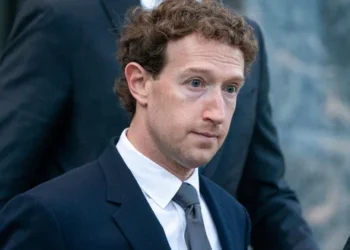 Jury Rules Meta and YouTube Liable for Addictive Design
 The Woman Guarding Earth From the Threat of Asteroids
 Exiled Tycoon Warns of New Russian Attacks on UK Soil
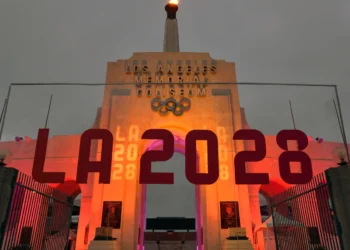 LA 2028: Millions of Affordable Olympic Tickets Announced
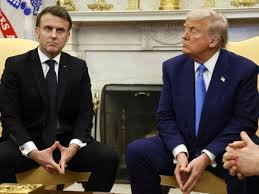 Trump Slams Europe as Transatlantic Tensions Boil Over
 Inside the Deceptive Machine: A Former Producer Speaks Out
 Spain Faces Backlash Over Xenophobic Chants in Egypt Draw
 A Global Voice For Justice: Stephen Lewis Dies At Age 88
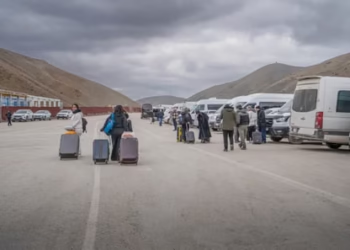 Hope and Fear as Iranians Flee Across the Turkish Border
 Reform UK Pledges To Halt Visas Over Reparations Demands
 US and Iran Agree to Two-Week Provisional Ceasefire
 Starmer visits Gulf as US and Iran agree ceasefire
 Pakistan Brokers Historic Peace Deal Amid Rising Tensions
 Trump Signals Hope for New Iran Talks as Ceasefire Fades
 US and Iran Pursue Extension of Ceasefire via Pakistan
 Trump’s Islamabad Gamble: The High Stakes of a New Iran Deal
 The General’s Gambit: Pakistan’s New Role in Global Peace
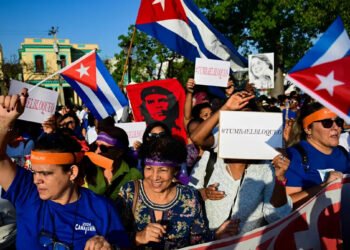 Mexico, Spain and Brazil call for Cuba dialogue amid crisis
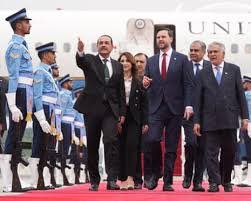 Pakistan’s Ambitious Bid for Middle East Peace
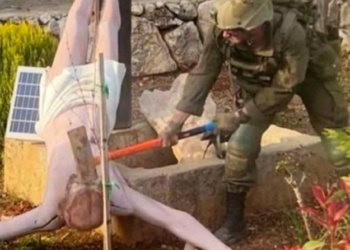 Israeli Soldiers Jailed Over Vandalism of Lebanese Statue
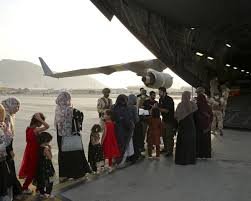 Trump Weighs Sending Afghan Allies to the Congo
 Trump Threatens UK With Big Tariff Over Tech Tax
 Prominent Voices Challenge Palestine Action Ban
 Security Scrutiny After Washington Shooting Incident
 Merz Criticises US Approach in Iran Conflict
 UK Envoy Sparks Controversy Over Special Relationship Claims
 Ukraine Urges UK to Seize Russian Oil Tankers
 US Calls Australia Media Law “Foreign Extortion”
 The Billionaire’s Secretary and the £1m Fraud
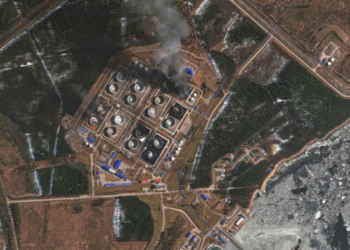
 Ukraine strikes Tuapse as oil disaster worsens
 Brewing Tension: Taiwan Baristas Rebrand for World Stage
 Tensions Emerge in Netanyahu-Trump Alliance
 Mission to the World’s Edge: A Heroic Rescue in Tristan
 US and Mexico Face Heatwave as Floods Batter South Africa
 Mexico’s Missing: State Complicity in a Growing Crisis
 French Patient Told Hantavirus Was Just Anxiety
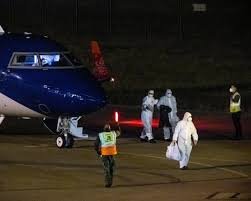 The Long Way Home: Australia’s High-Stakes Virus Mission
 Putin Signals War End as Russian Momentum Stalls
 Romania’s Judicial Crisis: A System Under Siege
 Lee Lai Makes History with Landmark Stella Prize Victory
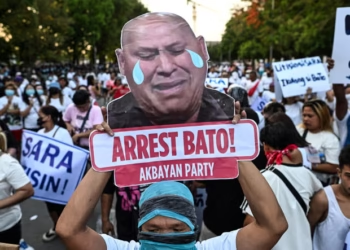 Philippine Senator Flees After Days Under Senate Siege
 Alberta Separatist Bid Blocked by Canadian Court
 Big Tobacco Under Fire Over Controversial New Ad Campaign
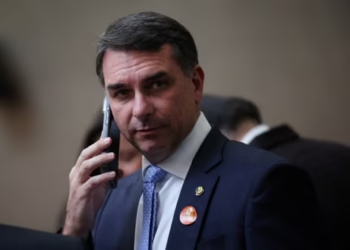 Bolsonaro Son Tape Scandal Sparks Massive Brazil Backlash
 Court Upholds Landmark Win for Transgender Rights
 Liberal Senator Criticises Immigration Rhetoric
 Senate Moves to Restrict Trump’s War Powers on Iran
 ICC Arrest Warrant Threat Sparks West Bank Retaliation
 Taliban Codifies Strict New Marriage and Divorce Legislation
 Tony Abbott Returns as New Liberal Party President
 Tulsi Gabbard exits after turbulent intelligence tenure
 Discontent grows around Putin amid war strain
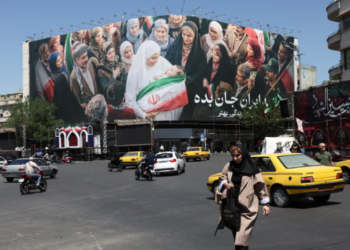 Trump Diplomacy Faces Hurdles from Tehran to Tbilisi
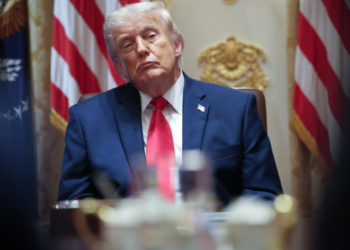 Trump Faces Legal Blow Over Global Tariffs
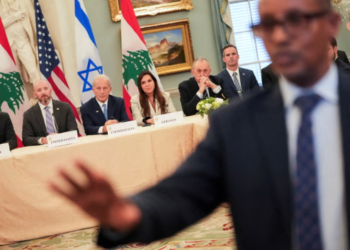 Washington Brokerage Sparking Hope Amid Regional Firestorms
 New York Consumer Watchdog Tackles Corporate Lawbreaking
 Global Tech Giants Face Off Against Australia Over Media Levies
 ANU Reputation Crumbles Under Leadership Woes and Huge Losses
 Ukraine Turning the Tide: Zelenskyy Reclaims the Initiative Against Isolated Russia
 Millions in British Charity Funds Linked to Illegal Settlements
 Firearm Fine for Missing Boy’s Grandmother
 Historic Peace Deal Reached Between United States and Iran