Published: 15 June 2026. The English Chronicle Desk. The English Chronicle Online.
A historic peace agreement between the United States and Iran has been formally reached. This breakthrough follows nearly four months of intense and destructive fighting across the Middle East. President Donald Trump and senior Iranian officials confirmed the development in separate statements. The announcement has brought a profound sense of relief to the international diplomatic community. It represents the most significant diplomatic shift in the region for several decades.
Iranian Deputy Foreign Minister Kazem Gharibabadi confirmed the agreement during a televised address early Monday. He stated that the memorandum puts an immediate end to the war. He specifically emphasized that the terms of the agreement also include Lebanon. The inclusion of Lebanon was a critical prerequisite for the negotiators from Tehran. They had consistently refused to sign any deal that left their regional allies vulnerable. The conflict had rapidly expanded over the spring, drawing multiple nations into the hostilities.
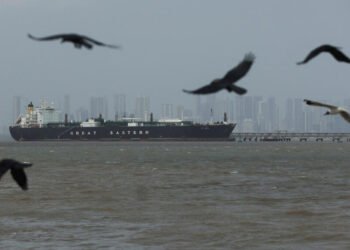
While the precise and detailed terms of the agreement remain under official wrap, major details emerged. President Trump shared the initial confirmation on his social media platform late Sunday evening. He announced the imminent reopening of the strategic Strait of Hormuz to international shipping. He also confirmed the immediate removal of the strict United States naval blockade. His celebratory online post encouraged global shipping companies to restart their maritime operations immediately. He proclaimed that global oil supplies would soon flow freely through the region.
The timing of the reopening remains a subject of ongoing discussion between nations. President Trump later clarified that the opening depends on the formal signing this Friday. Pakistani mediators confirmed that the official signing ceremony will take place in Geneva, Switzerland. The initial phase of the reopening will focus primarily on extensive mine removal efforts. The waterway remains hazardous due to naval mines deployed during the four months of war. Safe passage requires meticulous coordination between international naval forces and regional maritime authorities.
In contrast, official Iranian state media presented a slightly alternative timeline for the process. The state-run Mehr news agency reported that the memorandum calls for a different transition. It reported that the strait would reopen within thirty days under specific Iranian arrangements. This suggests that Tehran intends to maintain a significant degree of control over the channel. The Strait of Hormuz is vital, previously carrying one-fifth of global oil supplies. Any delay in its full reopening will affect global energy markets and supply chains.
The broader international community learned of the breakthrough via Pakistan early Sunday afternoon. Prime Minister Shehbaz Sharif announced that both sides had agreed to a comprehensive ceasefire. The declaration demands the immediate and permanent termination of military operations on all active fronts. This mandate includes the high-intensity conflict currently taking place across southern Lebanon. Pakistan has played an essential role as a neutral mediator throughout these complex negotiations.
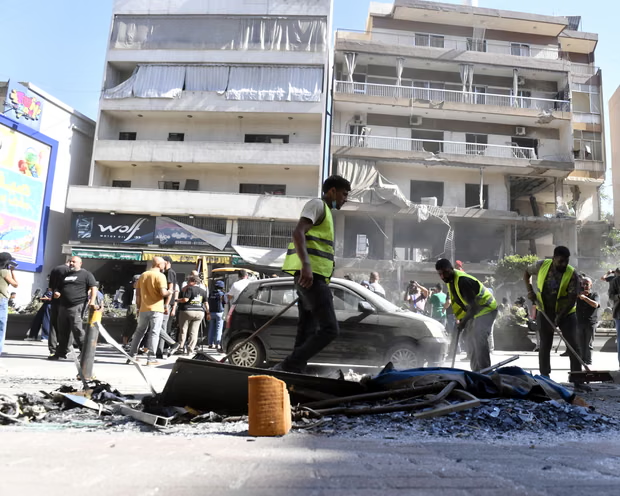
The successful conclusion of the agreement occurred despite a sudden escalation of violence on Sunday. An Israeli airstrike targeted the Lebanese capital of Beirut just hours before the announcement. The strike drew immediate and sharp criticism from both Washington and Tehran leaders. This unexpected military action threatened to derail weeks of delicate backdoor diplomacy entirely. Negotiators worked through the night to ensure the incident did not collapse the talks. The resilience of the framework suggests a strong mutual desire for peace.
Prime Minister Sharif expressed his immense satisfaction with the diplomatic outcome on social media. He confirmed that the United States and Iran had finally reached their historic accord. He also reiterated that the formal signing ceremony will occur in Geneva on Friday. Diplomatic teams from multiple countries are currently traveling to Switzerland to prepare the final documents. The event is expected to attract significant international media attention and global leaders.
President Trump had publicly called for military restraint earlier on Sunday following the airstrikes. The Israeli bombardment struck the southern suburbs of Beirut, flattening a large residential building. Local medical sources confirmed that the attack killed three individuals and injured six others. Iranian officials immediately threatened a fierce military response to the strike in the capital. The escalation highlighted the fragile nature of the security environment during the final talks.
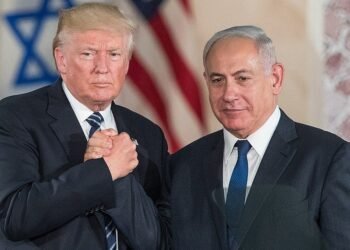
The American president spoke directly with reporters regarding the timing of the diplomatic breakthrough. He explained to the Axios news site that the strike delayed the signing. He noted that the delay lasted for only a few critical hours on Sunday. Trump expressed rare public frustration with the Israeli Prime Minister, Benjamin Netanyahu, over the timing. He reportedly used explicit language to criticize the geopolitical judgment of the Israeli leader.
The Israeli government defended its military actions as a necessary measure of national self-defense. Military officials stated they targeted senior Hezbollah commanders hiding within the dense urban area. They alleged that the militant group had launched three dangerous projectiles into northern Israel. Hezbollah maintains deep financial and ideological links with the political leadership in Tehran. The exchange of fire illustrated how easily local conflicts can threaten broader diplomatic achievements.
A similar military strike on Beirut one week ago had caused a comparable crisis. That previous escalation triggered a short but exceptionally intense round of fighting between forces. The violence momentarily destabilized the secret negotiations taking place between Tehran and Washington representatives. Diplomats had to work rapidly to restore confidence between the two adversarial capitals. The recurring violence demonstrated the high stakes involved for all parties in the region.
Prior to the announcement, Iranian negotiators expressed deep skepticism regarding American diplomatic sincerity. Parliamentary Speaker Mohammad-Bagher Ghalibaf warned that the strikes could permanently imperil the peace talks. He suggested that Washington either lacked the will or ability to control its allies. Other senior military commanders in Tehran warned that their forces remained on high alert. General Mohammad Jafar Asadi stated officially that the latest crimes would not go unanswered.
The Iranian foreign ministry initially held the United States directly responsible for the civilian casualties. The military command issued statements declaring that their fingers remained firmly on the trigger. They insisted that any acceptable peace deal must cover all active combat zones simultaneously. This firm stance forced international mediators to expand the scope of the preliminary memorandum. Qatari diplomats traveled continuously to Tehran on Sunday to finalize these expanded terms.
The initial economic relief for Iran will focus on the removal of trade barriers. The preliminary agreement obliges Iran to guarantee safe passage for all commercial maritime shipping. In return, the United States will lift its restrictive energy blockade on Iranian ports. This will allow the country to legally sell its oil on the market. The concession provides desperate relief for an economy suffering from rapid inflation and currency collapse.
However, the current memorandum explicitly avoids addressing the most contentious long-term security issues. The future of Iran’s nuclear program remains unresolved by this initial framework document. These complex subjects are deferred to an upcoming sixty-day intense negotiation period. This period is designed to lead toward a more comprehensive and permanent treaty. Many regional experts remain highly skeptical that these issues can be resolved quickly.
International policy analysts point to historical precedents to justify their cautious economic outlooks. The landmark 2015 nuclear agreement required almost ten times longer to successfully negotiate. Those historical talks involved massive teams of technical experts working continuously for several years. Expert Alia Brahimi expressed serious doubts that these complex details can be resolved soon. The timeline appears exceptionally ambitious given the deep distrust remaining between both nations.
Reaction within Israel to the emerging peace deal has been overwhelmingly negative and hostile. Widespread public concern exists regarding the total absence of restrictions on ballistic missiles. The draft agreement also fails to address Iran’s continued funding of regional militant networks. Prime Minister Netanyahu faces a difficult re-election campaign later this year amidst growing domestic pressure. The political opposition has already seized on the deal to criticize his security policies.
The regional war originally intensified following a massive escalatory cycle early this year. Hezbollah fired a barrage of missiles into Israel on the second of March. This followed a joint American and Israeli strike that killed the Supreme Leader. Since that event, Israeli ground forces have pushed deeper into Lebanese territory than normal. The current invasion represents the deepest military incursion in over a quarter of a century.
Prominent Israeli commentators have described the draft treaty as a historic strategic disaster. Journalist Avi Ashkenazi wrote that Iran has emerged as the clear winner of the conflict. Former national security advisers have publicly called the current American approach a massive mistake. Critics within President Trump’s own political party have also raised objections to the terms. The administration is currently battling high domestic fuel prices ahead of crucial midterm elections.
Global economic experts warn that financial relief will arrive slowly despite the reopening news. Safe passage through the narrow waterway cannot be instantly guaranteed to commercial shipping fleets. The maritime infrastructure damaged during the intense four-month conflict requires significant physical repair. President Trump is scheduled to discuss international de-mining funding at the upcoming G7 summit. The complex process of rebuilding regional stability is only just beginning for the international community.
Related News:
 Saudi Officials Report Zubaidi Flee Before Yemen Peace Talks
 UK Targets in New York Bomb Threat Hoax: Man Jailed
 Gambia Supreme Court Hears Case to Overturn FGM Ban
 Trump targets Iran trade with 25% tariff warning
 US Senate rejects resolution limiting Trump military powers
 Gulf states warn Trump Iran strikes risk wider Middle East war
 Machado Trump medal gesture reshapes Venezuela power struggle
 Geopolitical football: Iran, Trump and the World Cup clash
 Canada-China trade gains momentum in new strategic partnership
 Syria President Declares Victory as Ceasefire Reached with SDF
 Shinzo Abe’s killer receives life sentence in Japan
 China General Under Investigation Amid Leadership Purge
 Philippines ferry disaster leaves 15 dead, dozens missing
 Cambridge Faces Scrutiny Over Arms Investment Transparency
 Concerns rise for Canberra boy amid Iran detention fears
 Ukraine Sends Drone Experts to Defend US Bases in Jordan
 Abramovich Chelsea Sale Cash Faces Jersey Probe
 Yvette Cooper: UK Must Follow Principles, Not US Pressure
 Jury Rules Meta and YouTube Liable for Addictive Design
 The Woman Guarding Earth From the Threat of Asteroids
 Exiled Tycoon Warns of New Russian Attacks on UK Soil
 LA 2028: Millions of Affordable Olympic Tickets Announced
 Trump Slams Europe as Transatlantic Tensions Boil Over
 Inside the Deceptive Machine: A Former Producer Speaks Out
 Spain Faces Backlash Over Xenophobic Chants in Egypt Draw
 A Global Voice For Justice: Stephen Lewis Dies At Age 88
 Hope and Fear as Iranians Flee Across the Turkish Border
 Reform UK Pledges To Halt Visas Over Reparations Demands
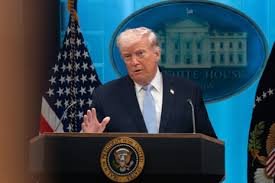 US and Iran Agree to Two-Week Provisional Ceasefire
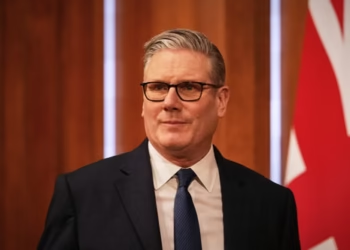 Starmer visits Gulf as US and Iran agree ceasefire
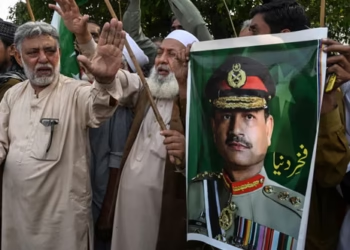 Pakistan Brokers Historic Peace Deal Amid Rising Tensions
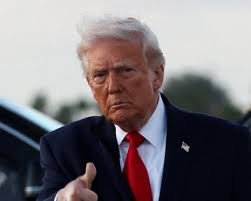 UK Holds Firm on Strait of Hormuz Amid Trump Pressure
 Trump Signals Hope for New Iran Talks as Ceasefire Fades
 US and Iran Pursue Extension of Ceasefire via Pakistan
 Trump’s Islamabad Gamble: The High Stakes of a New Iran Deal
 The General’s Gambit: Pakistan’s New Role in Global Peace
 Mexico, Spain and Brazil call for Cuba dialogue amid crisis
 Pakistan’s Ambitious Bid for Middle East Peace
 Israeli Soldiers Jailed Over Vandalism of Lebanese Statue
 Trump Weighs Sending Afghan Allies to the Congo
 Trump Threatens UK With Big Tariff Over Tech Tax
 Prominent Voices Challenge Palestine Action Ban
 Security Scrutiny After Washington Shooting Incident
 Merz Criticises US Approach in Iran Conflict
 UK Envoy Sparks Controversy Over Special Relationship Claims
 Ukraine Urges UK to Seize Russian Oil Tankers
 US Calls Australia Media Law “Foreign Extortion”
 The Billionaire’s Secretary and the £1m Fraud
 Ukraine strikes Tuapse as oil disaster worsens
 Brewing Tension: Taiwan Baristas Rebrand for World Stage
 Tensions Emerge in Netanyahu-Trump Alliance
 Mission to the World’s Edge: A Heroic Rescue in Tristan
 US and Mexico Face Heatwave as Floods Batter South Africa
 Mexico’s Missing: State Complicity in a Growing Crisis
 French Patient Told Hantavirus Was Just Anxiety
 The Long Way Home: Australia’s High-Stakes Virus Mission
 Putin Signals War End as Russian Momentum Stalls
 Romania’s Judicial Crisis: A System Under Siege
 Lee Lai Makes History with Landmark Stella Prize Victory
 Philippine Senator Flees After Days Under Senate Siege
 Alberta Separatist Bid Blocked by Canadian Court
 Big Tobacco Under Fire Over Controversial New Ad Campaign
 Bolsonaro Son Tape Scandal Sparks Massive Brazil Backlash
 Court Upholds Landmark Win for Transgender Rights
 Liberal Senator Criticises Immigration Rhetoric
 Senate Moves to Restrict Trump’s War Powers on Iran
 ICC Arrest Warrant Threat Sparks West Bank Retaliation
 Taliban Codifies Strict New Marriage and Divorce Legislation
 Tony Abbott Returns as New Liberal Party President
 Tulsi Gabbard exits after turbulent intelligence tenure
 Discontent grows around Putin amid war strain
 Trump Diplomacy Faces Hurdles from Tehran to Tbilisi
 Trump Faces Legal Blow Over Global Tariffs
 Washington Brokerage Sparking Hope Amid Regional Firestorms
 New York Consumer Watchdog Tackles Corporate Lawbreaking
 Global Tech Giants Face Off Against Australia Over Media Levies
 ANU Reputation Crumbles Under Leadership Woes and Huge Losses
 Ukraine Turning the Tide: Zelenskyy Reclaims the Initiative Against Isolated Russia
 Millions in British Charity Funds Linked to Illegal Settlements
 Firearm Fine for Missing Boy’s Grandmother