Published: 03 July 2026. The English Chronicle Desk. The English Chronicle Online.
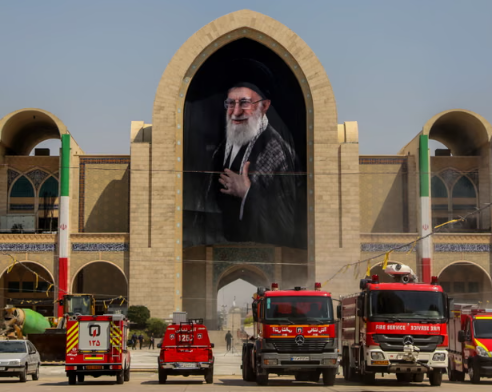
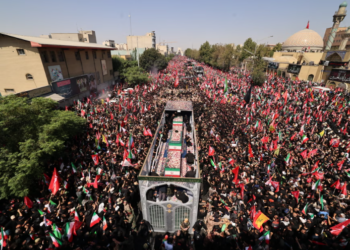
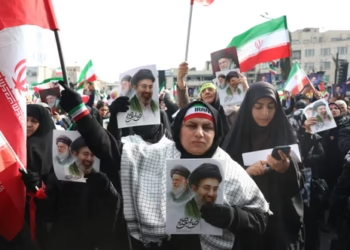
Tehran awakens to a somber mood as preparations for an immense funeral reach their final stages. Authorities have installed numerous roadblocks and festive stalls across the capital to manage incoming crowds. Millions of citizens are expected to travel from every corner of Iran for this event. They gather to mourn Ali Khamenei, who served as supreme leader for thirty-six long years. His death occurred during the opening salvo of the intense February conflict with Western forces. The six-day ceremony is designed to be an epic display of deep national unity. It aims to project resilience and social cohesion to observers across the globe this week. Mourners are already visible along the major roads carrying flags and symbols of their faith. A signature red fist appears on posters everywhere alongside the slogan demanding the nation must rise.
The coffin remains on public display during ceremonies dedicated to the families of fallen martyrs. Mohammad Reza Aref is the lead organiser coordinating the massive logistics for the coming week. He describes this funeral as the most important event occurring within this entire current century. Attendance is projected to exceed any gathering seen since the historic revolution of nineteen seventy-nine. The state intends for the sheer scale of the funeral to communicate powerful political messages. Organisers are also highlighting religious defiance through specific processions requested by influential Iraqi political leaders. Consequently, the body will travel through the sacred Shia cities of Karbala and Najaf.
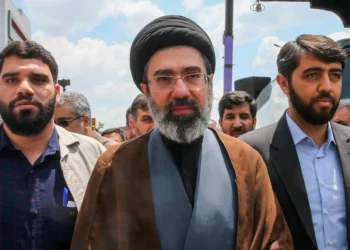
This journey underscores Khamenei’s enduring role as a primary spiritual leader for Shia Muslims everywhere. Observers notice many posters throughout the city featuring the late leader alongside his son, Mojtaba. These images are carefully designed to project an aura of continuity during this very difficult time. However, reports suggest that Mojtaba Khamenei is not expected to appear at his father’s funeral. He sustained severe injuries during the same February strike that claimed his father’s own life. That targeted attack on a government residence also killed his wife and young infant daughter. The precise extent of his current physical injuries remains largely unknown to the general public. He has only released written statements since the incident to communicate with the Iranian people. One such statement distanced himself from ongoing ceasefire negotiations while still sanctioning their necessary continuation.
Tensions escalated further this week when Israel’s defence minister made a very public death threat. Such hostile rhetoric has prompted hardliners to demand a re-examination of the existing nuclear fatwa. Mohammad Bagher Ghalibaf is the current speaker of the parliament and serves as lead chief negotiator. He issued a stirring message on the eve of the funeral to the Iranian people. He urged the nation to rise and convey their collective call for justice to the world. He insisted that the noble people of Iran will not remain silent regarding recent foreign oppression. The nation stands on the threshold of creating one of the most memorable scenes in history. Citizens are bidding farewell to a leader while holding hearts full of love and intense loyalty.
Public observances begin this Saturday at the vast Grand Mosalla mosque located in central Tehran. This date happens to coincide with the two-hundred-fiftieth anniversary of the American declaration of independence. Workers have spent the entire week redecorating the complex to accommodate the massive expected turnout. Police presence remains extremely heavy to ensure security around the mosque and the surrounding districts. The funeral was originally planned for early March but war conditions forced a significant delay. A separate ceremony is scheduled this Friday specifically for representatives from thirty different foreign nations. Notably, no officials from the United States or various European countries received an official invitation.
Iran’s foreign ministry spokesperson accused European countries of standing on the wrong side of history. He described their stance regarding the attacks on Iran as being truly and deeply shameful. A six-mile procession through central Tehran is planned for Monday to honour the late leader. The route stretches from Imam Hossein Square to the iconic site of the nineteen seventy-nine revolution. Tehran’s mayor predicts this specific procession will become the largest gathering in the city’s history. He anticipates that nearly twenty million people will participate in this singular, massive, public event. Approximately sixty percent of the population has never known another supreme leader in their lives.
Tuesday features a solemn transfer to the holy city of Qom for further funeral rites. The body will travel between the shrine of Fatima Masumeh and the famous Jamkaran mosque. Local officials expect temperatures to reach nearly forty degrees Celsius during this phase of travel. Wednesday the procession moves to the Iraqi strongholds of Karbala and Najaf for ceremonial rites. Abbas Araghchi, the foreign minister, visited these cities to consult on the final logistical arrangements. This international segment highlights the supreme leader’s status as a spiritual guide for regional believers.
The final burial takes place next Thursday at the Imam Reza shrine in sacred Mashhad. This city remains the birthplace of the late leader and holds great historical religious significance. The funeral takes place during a fragile sixty-day ceasefire agreement with the United States government. Organisers hope the event will show a nation united behind its much-changed and tested leadership. They seek to extract significant concessions from international negotiators while keeping the public unified at home. However, the context provides intense security concerns regarding potential terrorism and necessary crowd control measures. Past events in nineteen eighty-nine and twenty-twenty were marked by massive, somewhat chaotic crowds.
The government has declared all offices closed from Saturday through Monday to manage the crowds. Traffic restrictions will place heavy pressure on the city’s complex and busy metro transit system. Authorities are asking mourners to leave their personal vehicles at the edges of the city. This measure prevents the main roads from grinding to a complete and total, frozen standstill. Tehran’s airspace will also close on Monday as jets patrol for any aerial security threats. Funeral organisers are clearly aware that glorifying the past without addressing current economic suffering is risky. They have placed posters promising a bright future for Iran alongside the traditional religious slogans.
The funeral date coincides with the beginning of the holy month of the Islamic calendar. This period is a time when Shia Muslims gather to commemorate the martyrdom of Husayn. The parallels between this historical figure and Khamenei’s resistance against the West are increasingly obvious. In one of his final speeches, the leader referenced this specific symbol of fierce defiance. He stated that a leader like himself would never pledge allegiance to an oppressive power. He clearly rejected the authority of corrupt foreign leaders in his very last public address. The world watches closely as Iran navigates this historic period of mourning and profound transition.
Related News:
 Global order shifts amid Trump-era turmoil
 Middle East Crisis Escalates as Oil Routes Shake Markets
 Tensions Emerge in Netanyahu-Trump Alliance
 Former ICC prosecutor condemns US sanctions
 Iran Mourns: Millions at Khamenei’s Final Procession
 Houthis Strike Saudi Arabia as Middle East Tensions Rise
 Mandelson apologises over Epstein ties after public scrutiny
 Trump Calls Greenland Critical for US Security After Denmark Talks
 Trump: Iran Killing Has Stopped, Strike Threats Pulled Back
 Iran unrest slows under brutal crackdown and global tensions
 Trump Allies Pursue $200m European Gas Pipeline Deal
 Starmer Challenges US Over Controversial Greenland Deal
 Spoof “Make America Go Away” Caps Rally Denmark Over Greenland
 UK Presses On With Chagos Handover Despite Trump Criticism
 Kim Jong-un Fires Vice-Premier Over Factory Failures
 Starmer Resists Matching Trump Amid Greenland Tensions
 Netanyahu Accepts Trump’s ‘Board of Peace’ Invitation
 Snow Threatens Japan Election Turnout Amid Extreme Cold
 Keir Starmer meets Xi to strengthen UK-China economic relations
 Thousands Protest ICE Operations in Nationwide US Day of Action
 Epstein Files Reveal Trump Officials’ Emails with Financier
 Thousands Protest ICE in New York Against Trump Deportation Campaign
 Trump-Petro Meeting Sparks Hopes of Diplomatic Detente
 Epstein UAE Emails Shake British Royal Andrew’s Legacy
 Liberal Fallout: Taylor Challenge Casts Shadow Over Sussan Ley’s Leadership
 Ukraine, Russia Meet in Geneva Ahead of War Anniversary
 Tommy Robinson Meets Trump Officials at US State Department
 Ukraine war briefing: Zelenskyy offers help to Saudi Crown prince on combatting Iranian drones
 Mojtaba Khamenei Chosen as Iran’s New Supreme Leader
 Tehran Oil Depot Strikes Darken City With Toxic Smoke
 Mojtaba Khamenei Supporters Rally as Iranians Fear Repression
 New Zealand Covid Response Praised Despite Lingering Scars
 Iran Defiance Grows Amid US-Israel War Pressure
 Hormuz Crisis Sparks Global Oil Market Fears
 Injured Mojtaba Khamenei Elevated as Iran Leader
 Starmer Praised for Stance on Trump and Iran Conflict
 Yvette Cooper: UK Must Follow Principles, Not US Pressure
 UK Ministers Signal Strategic Independence From Trump Demands
 Diplomacy on the Brink: Pakistan’s Risky Peace Mission
 Big Tech Faces Investigation Over Australia’s Social Media Ban
 Farage Shuns Truss as US Right-Wing Roadshow Hits London
 Trump Slams Europe as Transatlantic Tensions Boil Over
 High-Value Target: Iranian Strike Destroys US Radar Plane
 A Global Voice For Justice: Stephen Lewis Dies At Age 88
 Trump Issues Stark Warning After Strike On Iran’s Largest Bridge
 The Price of Hubris: Trump, Netanyahu, and the ‘Easy’ War
 Final Countdown as Trump Deadline Looms Over Tehran
 Reform UK Pledges To Halt Visas Over Reparations Demands
 Israel Defies Ceasefire as Lebanon Operations Persist
 Pakistan Brokers Historic Peace Deal Amid Rising Tensions
 Islamabad Hosts Historic Peace Talks Between Iran and USA
 Iran Crisis Tests Trump’s Global Leadership
 Trump Signals Hope for New Iran Talks as Ceasefire Fades
 GOP Senator Criticizes Trump’s Feud With Pope Leo XIV
 Global Oil Prices Surge Amid Renewed Gulf Tensions
 Faith and Power: Catholics React to Trump-Pope Feud
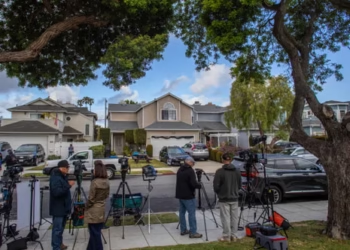 Investigation Into Anti-Trump Motives After Gala Shooting
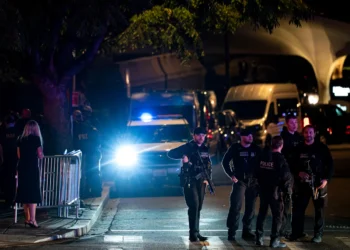 Security Scrutiny After Washington Shooting Incident
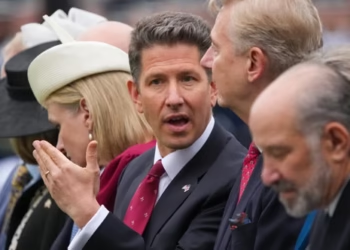 UK Envoy Sparks Controversy Over Special Relationship Claims
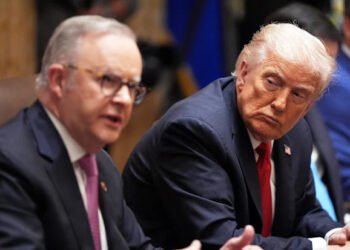 US Calls Australia Media Law “Foreign Extortion”
 Oil Prices Surge Above $120 Amid Iran Blockade Fears
 Trump orders US troop pullout from Germany
 Activists allege abuse after Gaza flotilla seizure
 Saudi Arabia Blocks Trump’s Naval Plan for Hormuz Strait
 One Nation Candidate’s Surprising Ties to Independents
 Anika Wells Repays Over £5,000 in Travel Claims
 Plea for Mercy: The Battle to Bring Ahmed al-Doush Home
 Tony Abbott Returns as New Liberal Party President
 Tulsi Gabbard exits after turbulent intelligence tenure
 UK Urged to Build EU Rejoin Consensus, Says Miliband
 Discontent grows around Putin amid war strain
 Trump and Netanyahu Clash Over Crucial US and Iran Peace Deal
 Washington Brokerage Sparking Hope Amid Regional Firestorms
 US and Iran Agree Historic Framework to End 15-Week War
 Trump Signs Landmark Iran Accord in Versailles
 Grief and Devotion Amidst the Rubble of Nabatieh
 Trump’s Mount Rushmore Speech: A Divisive Anniversary
 Israeli Officer Investigated for Car Grenade Attack
 Trump Swaps Planes Amid Iran Tensions
 Yemen Accuses Iran of Violating National Sovereignty