Published: 08 May 2026. The English Chronicle Desk. The English Chronicle Online.
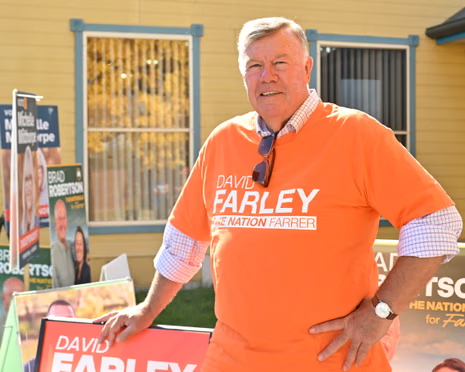
The political landscape in Australia is currently witnessing a remarkable shift as the Farrer byelection approaches its highly anticipated conclusion this weekend. At the very heart of this intense democratic struggle is David Farley who is representing Pauline Hanson’s One Nation party with significant momentum. While Farley is currently positioned as the frontrunner to secure the seat his recent history has become a major talking point. Newly revealed documents and correspondence have shed light on his extensive efforts to align with the community independent movement before joining One Nation. This revelation has added a fascinating layer of complexity to a campaign already defined by shifting loyalties and strategic pivots. The details suggest that Farley was once deeply invested in the grassroots “Voices” movement which typically stands in opposition to major party platforms.
Records recently obtained indicate that Farley sought to collaborate closely with the Voices of Farrer group throughout much of 2023 and 2024. This involvement was not merely superficial or casual as it included detailed discussions regarding campaign strategies and preference flows. Farley apparently viewed the independent movement as a viable vehicle for his own political aspirations during that period of time. He even went as far as purchasing tickets for their events and offering financial donations to support their local causes. His messages to coordinators expressed a strong desire to share thoughts on a unified platform for both the Senate and Farrer. Such a proactive approach indicates a man who was searching for a political home outside the traditional party structures. The timing of these interactions is particularly noteworthy because they occurred just before the endorsement of his current rival.

The Voices movement gained national fame for supporting independent candidates like Zali Steggall and Allegra Spender in previous federal elections. These groups focus on local representation and often challenge the dominance of the Liberal and National coalition in regional seats. Farley seemed to recognize the potential of this model when he reached out to the Farrer coordinators in early 2024. He emphasized the need for a well-funded and serious fight against the long-term incumbent Sussan Ley at that time. Farley correctly identified that unseating a deputy Liberal leader would require immense effort and a very disciplined strategic approach. His emails discussed how to secure and manage preferences which is a critical element of the Australian voting system. This level of tactical planning shows his deep engagement with the independent movement’s core philosophy and its electoral goals.
However the relationship between Farley and the independent movement eventually cooled when the group chose to endorse Michelle Milthorpe instead. Milthorpe is now his primary opponent in the current byelection which creates a truly unique and awkward political dynamic. Before his transition to One Nation Farley actually publicly praised Milthorpe for her character and her personal integrity. He once described her in a social media post as a straight shooter and a very good woman. Now he finds himself running against her under a banner that often criticizes independents as being fake or misleading. This dramatic shift from supporter to opponent is a central theme that the local electorate is currently weighing. It raises questions about whether his current platform is a result of conviction or a matter of convenience.
The scrutiny of Farley’s past does not end with his brief flirtation with the community independent Voices movement. It has also been reported that he previously approached the Labor party about running as a candidate in 2022. This history of engaging with diverse parts of the political spectrum has provided plenty of ammunition for his rivals. The National party has even used campaign posters depicting Farley wearing a Labor shirt to highlight his perceived inconsistency. Critics have labeled him a political chameleon who changes his colors to suit the prevailing winds of the day. Such attacks are common in the heat of a byelection but they seem particularly pointed in this instance. Voters are being asked to decide if his journey reflects a genuine evolution or a lack of stability.
One Nation has defended their candidate by framing his past as a typical journey for many modern Australian voters. A party spokesperson noted that many people have felt abandoned by the major parties and the coalition over time. They argue that Farley is simply one of many citizens who have searched for a party that truly represents them. According to the party his move to One Nation is a sign that he has finally found a home. They welcome his experience and his willingness to put the interests of the country before any party loyalty. This narrative seeks to turn a potential weakness into a relatable story of finding one’s true political purpose. The party remains confident that the voters of Farrer will appreciate his honesty about his past explorations.
During a recent forum held at Charles Sturt University Farley addressed the questions about his shifting allegiances with notable candor. He did not shy away from the fact that he had explored several different political paths in recent years. Farley explained that he initially looked at the independent route but concluded it lacked the necessary machinery for success. He argued that entering Parliament without the backing of a structured party would limit his ability to deliver results. This realization led him to seek a party with what he described as courage and great tenacity. He claimed that he found those specific qualities within One Nation after realizing he did not fit elsewhere. His performance at the forum was an attempt to project strength and pragmatism to the local voting public.
Interestingly Farley has also shown some independence from his own party’s established policies during the course of the campaign. At the same university forum he appeared to endorse immigration numbers that align more closely with the current Labor government. This stands in contrast to the strictly conservative and restrictive immigration platform typically promoted by Pauline Hanson’s One Nation. Farley explained his views by stating that democracy is an active process that requires constant energy and public service. He suggested that policies must be practical and aligned with the current needs of the nation rather than fixed. Such deviations from the party line might attract moderate voters but they could also confuse his core base. It remains to be seen how these nuanced positions will impact the final results on Saturday.
The byelection was triggered by the resignation of Sussan Ley who had held the seat for over two decades. Ley was a formidable force in the region and her departure has left a significant vacuum in local politics. While she successfully defended the seat in 2025 her margin of victory had notably decreased during the last cycle. This suggests that the electorate in Farrer is becoming more open to alternatives beyond the traditional Liberal stronghold. Farley is hoping to tap into this desire for change while also leveraging the brand recognition of One Nation. His campaign has focused heavily on regional issues and the need for a stronger voice in the capital. Whether his past associations will hinder this message is the primary question of the current week.

As the residents of Farrer prepare to head to the polls the atmosphere in the region is incredibly charged. The contest between Farley and Milthorpe is being watched closely by political analysts across the entire country of Australia. It represents a broader struggle between established minor parties and the rising influence of community-led independent movements. Farley’s unique history makes him a fascinating case study in how candidates navigate the modern political environment. He has effectively sampled the offerings of the left the center and the right before settling on his current path. This variety of experience could either be seen as a broad perspective or a lack of firm direction. The ultimate judgment will be delivered by the voters when they cast their ballots in the coming days.
The outcome of this byelection will likely have implications far beyond the borders of the Farrer electorate itself. If Farley succeeds it will be a significant victory for One Nation and a blow to the independent movement. It would suggest that voters still prefer the structure of a party over the localized focus of independents. However if Milthorpe manages an upset it will prove that the “Voices” model remains a potent force in regional Australia. Both candidates are working tirelessly to secure every last vote in these final hours of the intense campaign. The English Chronicle will continue to provide updates as the results are counted and the new representative is named. For now the story of David Farley remains one of the most intriguing chapters in recent Australian political history.
Related News:
 Shock US Raid: Maduro Pleads Not Guilty in Manhattan Court
 Trump Plans Venezuela Meeting, Warns of Cartel Land Strikes
 Mandelson apologises over Epstein ties after public scrutiny
 Rudd successor: Defence chief and former ministers considered
 US Senate rejects resolution limiting Trump military powers
 Trump Calls Greenland Critical for US Security After Denmark Talks
 Trump: Iran Killing Has Stopped, Strike Threats Pulled Back
 Machado Trump medal gesture reshapes Venezuela power struggle
 Trump Receives Machado’s Nobel Medal in White House Meeting
 Iran unrest slows under brutal crackdown and global tensions
 Trump Allies Pursue $200m European Gas Pipeline Deal
 US Considers Asylum for British Jews Amid Rising Antisemitism
 Starmer Challenges US Over Controversial Greenland Deal
 Spoof “Make America Go Away” Caps Rally Denmark Over Greenland
 Trump slams UK ‘stupidity’ over Chagos Islands, eyes Greenland takeover
 UK Presses On With Chagos Handover Despite Trump Criticism
 Kim Jong-un Fires Vice-Premier Over Factory Failures
 Shinzo Abe’s killer receives life sentence in Japan
 Starmer Resists Matching Trump Amid Greenland Tensions
 Netanyahu Accepts Trump’s ‘Board of Peace’ Invitation
 South Korean Ex-PM Jailed 23 Years Over Martial Law Role
 Russia Strikes Kyiv and Kharkiv as Peace Talks Enter Day Two
 Canada Rules Out Free Trade Deal With China Amid US Tensions
 Turnbull urges Albanese to confront Trump’s global ‘bully’ politics
 Snow Threatens Japan Election Turnout Amid Extreme Cold
 Keir Starmer meets Xi to strengthen UK-China economic relations
 Crisis Looms as Liberals Debate Sussan Ley Future
 Cambridge Faces Scrutiny Over Arms Investment Transparency
 Files Link Andrew to Epstein Dinner After Prison Release
 Thousands Protest ICE Operations in Nationwide US Day of Action
 Epstein Files Reveal Trump Officials’ Emails with Financier
 Thousands Protest ICE in New York Against Trump Deportation Campaign
 Trump-Petro Meeting Sparks Hopes of Diplomatic Detente
 Trump softens stance on Chagos Islands deal after Starmer call
 Epstein UAE Emails Shake British Royal Andrew’s Legacy
 Liberal Fallout: Taylor Challenge Casts Shadow Over Sussan Ley’s Leadership
 Ukraine, Russia Meet in Geneva Ahead of War Anniversary
 Brazilian Politician Brothers Sentenced for Marielle Murder
 Jimmy Lai Freed From Fraud Conviction in Rare Hong Kong Court Victory
 Why the Longest State of the Union Was Surprisingly Hollow
 Tommy Robinson Meets Trump Officials at US State Department
 New Zealand Covid Response Praised Despite Lingering Scars
 HMS Dragon to Head to Cyprus Amid Rising Tensions
 Starmer Praised for Stance on Trump and Iran Conflict
 Yvette Cooper: UK Must Follow Principles, Not US Pressure
 UK Ministers Signal Strategic Independence From Trump Demands
 Slovenia Election: A Nation at a Crossroads
 Florida Governor renames Palm Beach Airport for Donald Trump
 Labor Under Fire Over Stalled University Fee Reform
 Big Tech Faces Investigation Over Australia’s Social Media Ban
 Farage Shuns Truss as US Right-Wing Roadshow Hits London
 European Leaders Slam Hungary Over Alleged Russian Ties
 Starmer Urges Ambitious EU Ties Amid Middle East Conflict
 A Global Voice For Justice: Stephen Lewis Dies At Age 88
 Trump Mocks Starmer and UK Carriers in White House Speech
 Michigan Battleground: Middle East Crisis Stirs US Senate Race
 Final Countdown as Trump Deadline Looms Over Tehran
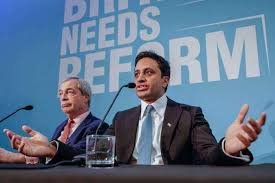 Reform UK Pledges To Halt Visas Over Reparations Demands
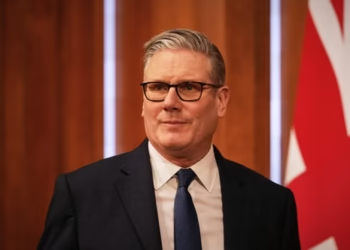 Starmer visits Gulf as US and Iran agree ceasefire
 Trump Signals Hope for New Iran Talks as Ceasefire Fades
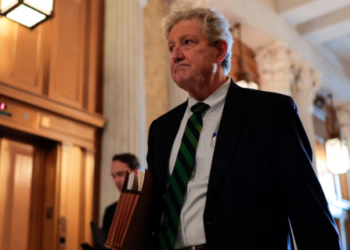 GOP Senator Criticizes Trump’s Feud With Pope Leo XIV
 Global Oil Prices Surge Amid Renewed Gulf Tensions
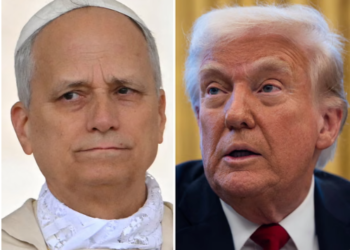 Faith and Power: Catholics React to Trump-Pope Feud
 Timor-Leste Faces Tough Questions Over Resort Proposal
 Investigation Into Anti-Trump Motives After Gala Shooting
 Security Scrutiny After Washington Shooting Incident
 Aukus Submarine Plan Faces Critical Failures
 UK Envoy Sparks Controversy Over Special Relationship Claims
 US Calls Australia Media Law “Foreign Extortion”
 USS Gerald R Ford Ends Record Naval Deployment
 Oil Prices Surge Above $120 Amid Iran Blockade Fears
 Trump orders US troop pullout from Germany
 Activists allege abuse after Gaza flotilla seizure
 Global order shifts amid Trump-era turmoil
 Australia pushes Pacific security pact amid China tension
 Indiana Republicans Defy Trump in Key Vote Test
 Middle East Crisis Escalates as Oil Routes Shake Markets
 Trump’s UK Ambassador Urges North Sea Drilling to Strengthen US Ties
BBC to Apologise Over Edited Trump Speech Amid Backlash
Trump’s UK Ambassador Urges North Sea Drilling to Strengthen US Ties
BBC to Apologise Over Edited Trump Speech Amid Backlash
 Thousands Protest Iran Strikes Outside US Embassy London