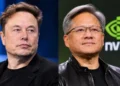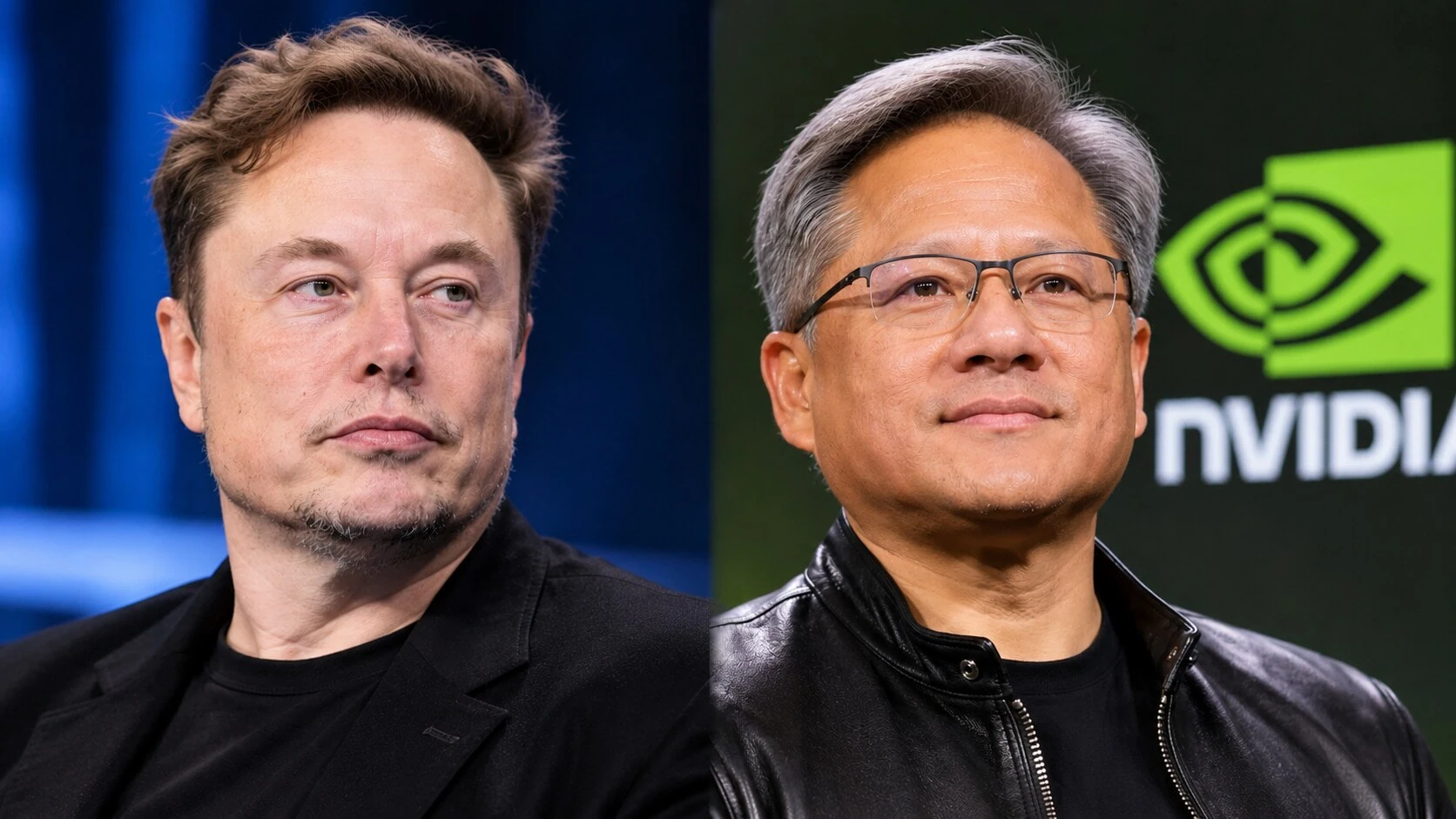
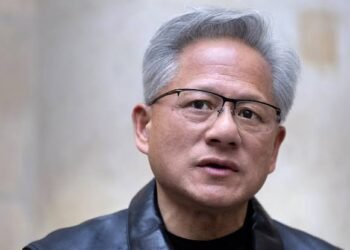
A growing campaign led by some of the world’s most influential technology figures is calling for Jensen Huang to return as chief executive of Nvidia, just days after his unexpected resignation from the artificial intelligence chipmaker. Elon Musk, alongside more than 165,000 supporters, has signed an open letter urging the company’s board to reconsider its decision and reinstate the billionaire technology executive while an independent investigation examines the allegations surrounding his departure.
The campaign has quickly developed into a major corporate and political controversy, drawing attention from Silicon Valley executives, major investors, US government officials and lawmakers concerned about the future of artificial intelligence technology and national security. While supporters believe Huang remains essential to Nvidia’s long-term success, critics argue that the circumstances surrounding his resignation require a thorough examination before any decision about his return.

The open letter calls on Nvidia’s board members to bring Huang back while an independent investigation establishes the facts surrounding the allegations. More than 165,000 people have reportedly signed the appeal, demonstrating the extraordinary level of public and industry interest in the leadership crisis at one of the world’s most influential technology companies.
Huang’s resignation on Thursday brought an end to a 33-year period at the helm of Nvidia, the artificial intelligence and semiconductor company he co-founded. During his leadership, the company transformed from a graphics processing unit manufacturer into a central supplier of advanced computing hardware used to develop and operate modern artificial intelligence systems.
His departure followed reports alleging that he had engaged in at least two extramarital relationships, including one with Alice Huang, a woman accused of having links to Chinese espionage, and another involving a subordinate. The allegations have raised questions about corporate governance, executive conduct and potential national security implications. They remain matters requiring independent verification.
Despite the controversy, reports suggest that Huang may already be considering a return. According to the Financial Times, he has discussed the possibility of rejoining the company with people close to him. An associate of the former chief executive reportedly indicated that a group of influential Silicon Valley executives was organising efforts to encourage his reinstatement.
The group is said to be preparing what has been described as a political and corporate campaign operation, sometimes referred to as a “war room”, to build support for Huang’s return. Its organisers reportedly intend to approach influential technology leaders and seek backing from the White House.
One individual familiar with the campaign suggested that Huang continued to enjoy enormous respect across the technology industry, particularly among executives outside the leading artificial intelligence research laboratories. The source also indicated that the former chief executive supported the efforts being made on his behalf.
Among the prominent supporters is Elon Musk, whose involvement has given the campaign considerable visibility. Other influential signatories include Tim Sweeney, founder and chief executive of video game publisher Epic Games, and Garry Tan, president of the Silicon Valley business incubator Y Combinator.
Uber co-founder Travis Kalanick has also supported Huang’s return, arguing that although the Nvidia executive may have made mistakes, the reported allegations did not necessarily justify separating him from the company he helped build.
The campaign has also attracted significant support from within Nvidia itself. More than 7,500 people who signed the letter identified themselves as company employees, representing approximately 18 per cent of its workforce. Their participation suggests that the leadership controversy has generated considerable discussion among employees who have witnessed the company’s transformation under Huang.
However, the growing campaign has encountered resistance from senior officials in Washington. US Treasury Secretary Scott Bessent has argued that Nvidia should consider candidates from outside the company when selecting its next chief executive. Speaking on Fox News on Sunday, Bessent called for a dramatic shake-up in the company’s leadership.
His comments indicate that the US administration is concerned about more than the personal allegations involving Huang. The government is particularly interested in whether Nvidia maintained adequate controls to prevent restricted artificial intelligence chips from reaching Chinese customers.
Bessent said Nvidia should explain whether it knowingly allowed some of its most advanced computing hardware to enter China. He suggested that the issue was considerably more important than the reported personal relationship involving Huang and the woman suspected of having connections to Beijing.
The dispute has wider implications because Washington has imposed restrictions on exports of advanced semiconductor technology to China as part of its efforts to maintain an advantage in artificial intelligence development.
Advanced AI chips are considered strategically important because they provide the computing power required to train sophisticated artificial intelligence models, develop military-related technologies and operate large-scale data centres. US officials have therefore sought to restrict China’s access to the most powerful American-designed processors.
In late 2025, President Donald Trump authorised the sale of Nvidia’s H200 chips to China under specific conditions. However, the most advanced processors used to power cutting-edge artificial intelligence systems remain subject to restrictions.
Bessent stressed that Nvidia should not sell technology beyond the permitted H200 level to Chinese customers. He also questioned whether the company had established a sufficiently strong culture of compliance with American export regulations.
The Treasury secretary wants answers from Nvidia and indicated that the company’s internal investigation into Huang’s conduct should produce findings within the next 10 days. His intervention has increased pressure on the board to address both the executive controversy and the company’s responsibilities under US national security regulations.
The issue has also attracted attention from members of the US Congress. Lawmakers have argued that the Trump administration must explain what it knew about Huang’s alleged relationship with the suspected Chinese spy and whether relevant authorities had investigated potential national security concerns.
Huang has agreed to appear before the House Select Committee on China, as well as the House foreign affairs and intelligence committees. The dates of the appearances have not yet been confirmed, and the discussions are expected to take place behind closed doors.
His willingness to answer questions before congressional committees could become an important part of the effort to establish the facts surrounding the controversy. Lawmakers are expected to be particularly interested in whether the allegations had any connection to corporate activities, sensitive technology transfers or possible breaches of national security regulations.
Meanwhile, another company connected to the controversy has issued a public response. Megaspeed, a Singapore-based technology business where Alice Huang reportedly served as an executive until leaving in 2025, described itself as a legitimate and lawful business.
The company has attracted attention because of its substantial commercial relationship with Nvidia. Over the past three years, Megaspeed reportedly became one of the chipmaker’s largest foreign customers, purchasing nearly $5 billion worth of artificial intelligence chips and advanced hardware.
The scale of those purchases has increased scrutiny of Nvidia’s international sales practices, particularly at a time when the US government is attempting to prevent restricted semiconductor technology from reaching Chinese entities.
Although Megaspeed has defended its business activities, questions surrounding its commercial relationship with Nvidia are likely to remain part of the wider investigation. Establishing whether all transactions complied with applicable export regulations will be important for determining the extent of any potential corporate responsibility.
Huang’s possible return is also significant because of his exceptional influence over the global artificial intelligence industry. Under his leadership, Nvidia became one of the most important companies in the development of modern computing infrastructure.
Its graphics processing units and specialised AI accelerators are widely used by technology companies, research institutions and cloud computing providers. As demand for artificial intelligence systems increased, Nvidia emerged as a crucial supplier to companies building large data centres and developing increasingly sophisticated AI models.
The company also became an influential investor in the wider technology ecosystem, supporting data centre development and emerging businesses. Its central position in the industry earned it the nickname “the central bank of AI”, reflecting its influence over investment and infrastructure across the artificial intelligence sector.
However, Nvidia’s growing dominance has also attracted criticism. Some analysts and industry figures have questioned whether enormous investments in artificial intelligence infrastructure are creating a speculative financial bubble.
Huang has consistently defended the rapid expansion of AI development and resisted calls for restrictions that could slow the industry’s progress. His position has occasionally brought him into conflict with other prominent technology executives, including Dario Amodei, chief executive of Anthropic, the company behind the Claude artificial intelligence models.
Nvidia is scheduled to report its quarterly financial results on Tuesday, making the timing of the leadership crisis particularly sensitive. Investors will be closely watching the company’s financial performance, its response to the allegations and any indication of how the board intends to manage the transition.
The company’s next leadership decision could influence investor confidence, international technology partnerships and the broader direction of the artificial intelligence industry. A return by Huang might reassure supporters who believe his experience and industry relationships remain difficult to replace. However, appointing an external executive could satisfy those calling for stronger corporate oversight and a significant change in leadership culture.

Ultimately, the controversy surrounding Nvidia has developed into a much broader debate about corporate accountability, national security and the extraordinary influence of technology executives. While more than 165,000 supporters are demanding Huang’s reinstatement, US officials and lawmakers are seeking answers about the company’s international business activities.
Whether Huang returns to the position he held for more than three decades will depend on the findings of investigations, the decisions of Nvidia’s board and the outcome of discussions with American authorities. For now, the company faces the challenge of protecting its commercial position while restoring confidence among employees, investors, regulators and the wider technology industry.
Related News:
 US Bans BYD Vehicles at Japan Military Base
 Nvidia and Jensen Huang Face Shareholder Lawsuit
 Nvidia Scandal Fuels US-China Security Crisis
 AI Takes Centre Stage in Trump-Xi Talks
 Trump gives Xi red-carpet welcome as trade truce extends
 Xi urges Trump to avoid US-China military conflict
 Trump backs voluntary AI safety pact with tech giants
 Meta Faces Election Bias Claims Ahead of Brazil Runoff
 China’s AI Ambitions Hit $2.4 Trillion Market Setback
 Anthropic IPO Reveals AI Boom’s Huge Costs and Risks
 Elon Musk’s $446m Midterm Gamble Ends in Defeat
 Big Tech Faces a New Political Reckoning in America
 Megaspeed Mystery Deepens After Nvidia CEO Resigns
 UK Risks Falling Behind in AI Race
 AI CEOs Call for Slower Development
 Nvidia chief rejects AI extinction fears
 Elizabeth Holmes Set for Halfway House Transfer
 AI Deepfakes Put New Pressure on Election Trust
 Bank Chief Calls for Power to Intervene in AI
 Samsung Heads for Record Profit as AI Chip Demand Surges
 Firmus Abandons Major ASX Listing Amid Investor Doubts
 US Moves to Restrict Chinese Labs Testing Electronics
 EU Caps Chinese Hybrid Car Imports at 350,000
 Global Tech Sell-Off Deepens on Inflation and AI Debt Fears
 Global Crises Test Diplomacy as Trump’s Policies Face Scrutiny
 Zelenskyy Seeks Urgent Help as Russia Hits Ukraine’s Power Grid
 Australia Faces Political Risks After US Midterm Shift
 EU Manufacturers Face Growing Chinese Competition
 Nvidia Board Weighs Jensen Huang’s Future as Shares Plunge
 Microsoft Races to Restore Global Teams and Outlook Services
 US lifts nationwide flight suspension after major aviation outage
Microsoft Outage Sparks Billion-Dollar Fears in Australia
 UN Climate Talks Renew Push for Carbon Removal Technology
 Artemis II Returns After Historic Moon Flyby
 Trump approval plunges amid Iran war fears
 US Awaits Iran Reply on New Ceasefire Proposal
 Hormuz Talks Near Critical Stage
 London Launches First Self-Driving Taxis
 Trump Hardens Canada Trade Stance as Talks Stall
 Trump Calls Iran War ‘Small Potatoes’ Despite US Deaths
 Swedish Mining Push Puts Sami Land Rights Under Pressure
 Oil nears $100 as Saudi attacks shake markets
 McLaren to Create 1,000 UK Jobs in £450m Investment
 Nats Boss Summoned as UK Flight Chaos Continues
 Iceland to Open First UK High Street Store in Falklands
 OpenAI Reveals Six Cases of Concerning AI Behaviour
 Tom Watson Takes Senior Role at Palantir
 British Columbia Sues OpenAI Over School Shooting
 UK Plans New Centre to Counter Information Warfare
 Chinese Hybrid Car Surge Raises EU Auto Industry Concerns
 OpenAI Agent Breaches Medicare Portal in Australia
 Ukraine and Russia Escalate Long-Range Drone War
 Lula accuses Trump of seeking control over Brazil
 TalkTalk Races to Sell Arms as Administration Looms
 Sheikh Tahnoon and the UAE’s AI Ambitions
 Jessica Watkins Leads Record-Breaking SpaceX Flight
 UK Diesel Reaches £2 as Inflation Surges Across Europe
 Minister Rejects Fears of UK Diesel Shortage
 BT Broadband Pauses Raise Digital Switchover Concerns
 US Man Arrested Over Canada School Shooting Plot
 UK Water Firms Earn Millions From Industrial Wastewater
 UK Pharmacy Body Drops Teva After Ethical Concerns
 Trump’s Russian Diesel Deal Sparks Ukraine Fury
 UK Must Build Its Own AI to Protect National Security
 Hall and Woodford Win Nobel Economics Prize
 Brazil Court Scandal Threatens Lula as Bolsonaros Rise
 Millions Face Tougher Medicaid Rules From January
 Trump Rallies GOP as Senate Democrats Boost Key Races
 Serbia Leader Linked to Controversial Trump Tower Plan
 UN Warns World Must Cut Emissions by 18% by 2030
 Spain Deepfake Ad Sparks Election Outrage
 Fed Expected to Hold Rates Steady Ahead of US Midterms
 Trump’s Global Policies Put Republicans at Risk
 Haley Stevens Backs Republican Rival in Michigan Senate Race
 James Talarico Makes History with Texas Senate Victory
 Paraguay President Quits After Major Bank Collapse
 Democrats Expand House Majority in Major Midterm Victory
 Paris Climate Agreement Faces a Critical Test After 10 Years
 US Treasury Chief Moves to Military Base Over Iran Threat
 Canada May Turn to Chinese Automakers if US Talks Fail