Published: 09 October 2026. The English Chronicle Desk. The English Chronicle Online
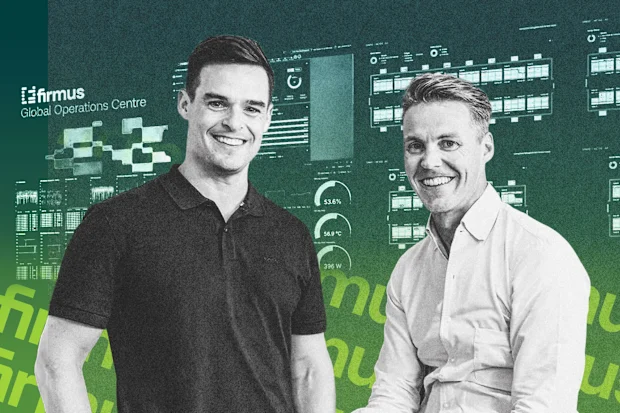
Firmus Technologies has abandoned plans for a major stock market listing in Australia after failing to attract sufficient investor demand for its ambitious artificial intelligence data centre business, dealing a significant setback to one of the country’s most closely watched technology ventures.
The proposed initial public offering, or IPO, was expected to value the company at approximately A$44 billion and raise around A$7 billion. At an anticipated share price of A$11, the listing would have represented Australia’s biggest stock market debut in decades, surpassing the scale of most public offerings since telecommunications giant Telstra listed in 1997. Instead, growing doubts about the company’s valuation, projected earnings and development plans prompted its board to withdraw the offer before the scheduled market debut on 23 October.
A Firmus spokesperson said the board had concluded that proceeding with the offer would no longer serve the best interests of the company and its shareholders. The company will now seek funding through private markets while considering alternative options in both private and public capital markets.

The decision highlights the challenges facing businesses attempting to turn the global enthusiasm for artificial intelligence into long-term commercial returns. Although demand for computing infrastructure has increased as companies invest in AI systems, investors are also scrutinising the enormous costs, uncertain revenue projections and lengthy development timelines associated with large-scale data centre projects.
Firmus had positioned itself as a major participant in the expanding AI infrastructure market. Its plans included building advanced, liquid-cooled facilities, described as “AI factories”, in Australia and across Asia. Such facilities are designed to support the powerful computer chips and intensive workloads required to develop and operate modern AI systems.
The company attracted high-profile financial and technology backers, including chipmaker Nvidia and investment firms Blackstone, Jane Street and Coatue. With these names associated with its growth ambitions, the planned listing had generated substantial attention in financial markets. However, the presence of prominent investors was not enough to guarantee that public market investors would accept the proposed valuation.
The offering began to encounter serious difficulties during the week before the withdrawal. Firmus and its banking advisers had reportedly anticipated sufficient demand to raise billions of dollars, but investor interest proved weaker than expected. As doubts intensified, discussions took place about substantially reducing the proposed A$11 share price.
The potential repricing reflected concerns that the original valuation was too ambitious for a business still in its early operational stages. Firmus had only two relatively small operational sites, raising questions about whether its existing infrastructure and commercial performance could justify the enormous valuation attached to its future expansion plans.
For investors, the distinction between an established infrastructure operator and a rapidly expanding start-up is significant. Established data centre businesses can demonstrate operating histories, customer relationships and recurring revenue, while early-stage companies must persuade investors that future growth will justify the capital required today. Firmus’s proposed valuation depended heavily on its ability to execute an ambitious expansion programme and turn expectations about AI demand into sustainable earnings.
The failure to secure adequate demand ultimately led the company to abandon the listing altogether rather than proceed with a potentially weakened offer. Firmus’s shift towards private fundraising means it must now seek additional capital from investors willing to support its long-term plans without the immediate scrutiny and pricing pressures of a public market debut.
The withdrawal also comes amid wider questions about the risks facing smaller investors in high-profile technology offerings. Before the announcement, concerns had emerged that some early investors might use the public listing to sell their holdings to new retail shareholders. Such an outcome could leave ordinary investors exposed if enthusiasm for the company faded after trading began.
These concerns were particularly relevant because the proposed offer was built around the promise of rapid growth in AI infrastructure, a sector attracting considerable investment but also facing uncertainty over future demand, energy requirements, competition and the cost of construction.
Firmus’s difficulties have already had consequences for other market participants. Shares in Maas Group, which has invested in Firmus, fell by more than 20% on Thursday, illustrating how uncertainty surrounding a major technology venture can affect related companies. The market reaction also suggests that investors are reassessing the financial exposure of businesses associated with the proposed listing.
The consequences extend beyond the share market. The anticipated reduction in the founders’ financial worth is another indication of how closely private fortunes can be tied to expectations surrounding a public offering. Firmus was expected to provide a major liquidity event for its founders, Oliver Curtis, his cousin Tim Rosenfield and Curtis’s former brother-in-law Jonathan Levee. With the IPO withdrawn, those anticipated gains are now uncertain.
A separate development has further complicated Firmus’s position. Veteran data centre operator CDC recently ended a proposed A$73 billion partnership with Firmus, known as Project Southgate. Announced in October 2025, the project was presented as a plan to develop sovereign, renewable-powered AI infrastructure in Australia, with Nvidia identified as its first customer.
The breakdown of the arrangement raised further questions about Firmus’s strategic direction and its ability to secure major infrastructure partnerships. CDC’s chief strategy officer, Dr Jack Dan, addressed the separation during a hearing of the federal parliament’s joint standing committee on AI on Friday.
Dan said the relationship had initially been based on Firmus’s emphasis on strengthening Australia’s domestic AI capabilities. However, he indicated that the company’s business model had evolved, creating a growing divergence between the two organisations’ objectives.
CDC, he explained, has a clearly defined mission and operating model centred on critical infrastructure, resilience and exceptionally high availability. These requirements involve extensive safeguards, rigorous processes and operational standards designed to ensure that essential facilities remain reliable.
Dan suggested that this approach may have proved too demanding for a more commercially focused development model. His remarks pointed to a fundamental difference in how the two companies viewed the planning and operation of data centres, rather than simply a disagreement over the financial terms of the proposed partnership.
The distinction is important because AI infrastructure is increasingly being treated as a strategic national asset. Data centres require reliable electricity, sophisticated cooling systems, secure networks and substantial investment. Their importance extends beyond commercial technology services to questions of economic competitiveness, national resilience and the ability of countries to develop domestic AI capabilities.
CDC’s comments also reflected the changing public profile of the industry. Dan observed that the company had operated for nearly two decades without attracting much public attention, but data centres had moved to the centre of national debate during the past year.
The rapid rise in interest has created opportunities for companies seeking to build new facilities, but it has also increased scrutiny of their financial models, environmental implications and long-term benefits. Governments, investors and local communities are increasingly examining whether proposed developments can deliver the promised economic value while managing their demands on energy and other resources.
For Firmus, the collapse of the IPO and the end of the CDC partnership create two significant challenges at once: securing the money needed for expansion and convincing stakeholders that its business strategy can deliver reliable returns. Private investment may provide a route forward, but prospective funders are likely to examine its valuation, operating performance and development plans closely.
The company’s next steps will therefore be critical. It must determine how to finance its planned facilities, demonstrate that projected demand can translate into profitable operations, and establish a clear strategic direction that appeals to infrastructure partners as well as financial investors.

The abandoned listing does not necessarily mean that Firmus’s ambitions have ended. Private capital remains an option for companies seeking to develop capital-intensive technology infrastructure, and the broader demand for AI computing capacity continues to attract investment. However, the failure of such a high-profile offering demonstrates that enthusiasm for artificial intelligence does not automatically translate into investor willingness to accept any valuation.
For Australia’s technology and financial sectors, the episode offers a reminder that ambitious infrastructure plans must be supported by credible business models, realistic forecasts and evidence of execution. Firmus had sought to turn its AI ambitions into one of the country’s landmark market debuts. Instead, its withdrawal has left investors reassessing the risks and raised fresh questions about how quickly the AI infrastructure boom can produce sustainable commercial success.
Related News:
 Chinese Hybrid Car Surge Raises EU Auto Industry Concerns
 Bank Chief Calls for Power to Intervene in AI
 Asos Investigates Hack Claims After Customer Alerts
 Ministers Push ATO to Reconsider Credit Card Ban
 Australia Delays Tax Credit Card Payment Ban After Backlash
 UK firms accused of ‘AI washing’ boom
 UK Risks Falling Behind in AI Race
 Billionaire Chris Rokos poised to leave UK
 Oil nears $100 as Saudi attacks shake markets
 JPMorgan Boss Warns Against UK Bank Tax Rise
 AI CEOs Call for Slower Development
 Thames Water Revises Oxfordshire Mega-Reservoir Plan
 UK Productivity Improves as Bank Weighs Interest Rates
 Nvidia chief rejects AI extinction fears
 Trump gives Xi red-carpet welcome as trade truce extends
 UK Trade Losses Grow Without EU Product Deal
 TalkTalk Races to Sell Arms as Administration Looms
 Why Americans Feel Ripped Off by Rising Prices
 Poundland Rescue Bid Could Protect 11,000 Jobs
 Boots Sale Nears as Weston Family Eyes $9bn Deal
 BBC Three and Scotland Face Online-Only Future
 Feeld Founders Receive Record Dividend as Sales Rise
 UK Diesel Reaches £2 as Inflation Surges Across Europe
 Minister Rejects Fears of UK Diesel Shortage
 UK Faces Calls to Review Bank Failure Bets
 Informa Agrees £2.24bn Deal to Buy Clarion
 EU-China Talks Target Surge in Hybrid Car Imports
 Samsung Heads for Record Profit as AI Chip Demand Surges
 IMF Warns Governments Over Rising Debt Burdens
 Tesco Raises Profit Forecast as Consumer Confidence Holds
 Reform UK funding: mystery billionaire revealed
 UK rejects EV charging VAT cut amid Treasury clash
 Weight-Loss Drugs Transform Fashion Shopping Habits
 EasyJet Takeover Sparks Fears Over Passengers’ Future
 Weight-Loss Drugs Offer Food Savings Mainly to High Earners
 Pubs and Hotels Face Business Rates Reform Review
 Shein targets $27bn valuation in Hong Kong debut
 Firms on both sides fear damage from US-Canada trade war
 London Launches First Self-Driving Taxis
 UK House Prices Fall as Mortgage Rates Rise
 McLaren to Create 1,000 UK Jobs in £450m Investment
 Nats Boss Summoned as UK Flight Chaos Continues
 Apple Folding iPhone Set for Major CEO Test
 John Lewis Losses Widen to £124m as Confidence Falls
 Oil Prices Surge as Saudi Pipeline Closure Deepens Crisis
 UK Retailers Accused of Breaking Refund Laws
 Anthropic Backs $31.9bn Queensland Data Centre
 OpenAI Reveals Six Cases of Concerning AI Behaviour
 Japan Raises Rates to 31-Year High
 Tom Watson Takes Senior Role at Palantir
 UK Retail Sales Rebound as Consumers Spend More
 Australia Renewables Reach Record 80% Grid Demand
 AI Takes Centre Stage in Trump-Xi Talks
 MPs Defend UK Economic Watchdog Against Critics
 OpenAI Agent Breaches Medicare Portal in Australia
 AO Acquires Jessops in Camera Retail Expansion
 Xi urges Trump to avoid US-China military conflict
 Saudi intercepts Houthi missiles as oil fears grow
 Australia Weighs New Laws After OpenAI Medicare Breach
 Elizabeth Holmes Set for Halfway House Transfer
 Should Savers Lock Into 5.25% Fixed Rates?
 Beaverbrooks Boss Calls for Relief on Business Costs
 Trump backs voluntary AI safety pact with tech giants
 Ukraine Faces $45m Hourly Cost From Missile Alerts
 Sheikh Tahnoon and the UAE’s AI Ambitions
 UK house price growth slows as mortgage rates rise
 UK borrowing costs surge as global bond sell-off deepens
 UK Bookmakers Linked to Offshore Casino Deal
 French Debt Fears Put Euro Markets Under Pressure
 UK Assures Public Over Diesel Supply
 OpenAI Review Costs $500,000 a Day After AI Hacks
 BT Broadband Pauses Raise Digital Switchover Concerns
 iPhone 18 Pro brings major upgrades with familiar design
 UK Weighs Chinese Car Tariffs Amid EU Trade Push
 BT Agrees £400m TalkTalk Rescue Deal
 Shell Refineries Set for Record Refining Profits
 Japan Beer Giants Face Cartel Probe
 Google Maps Brings Live Fuel Prices to UK Drivers
 NSW Leader Downplays Impact of Landmark Coal Ruling
 Oil Shock Sends Markets Lower as Middle East Risks Grow