
Published: 02 October 2026. The English Chronicle Desk. The English Chronicle Online
The average price of diesel in the UK has reached £2 a litre for the first time, adding to growing pressure on households and businesses as energy costs continue to ripple through the European economy. At the same time, eurozone inflation has accelerated sharply to 3.8%, its highest level in three years, highlighting the wider economic consequences of the disruption to global energy supplies.
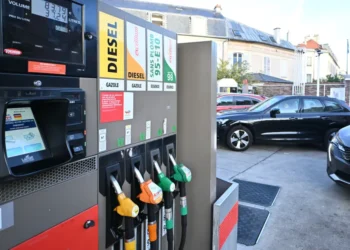
The record diesel price was recorded on Friday morning, when the average UK pump price reached 200.01 pence per litre, according to the latest figures from the RAC. The milestone represents a substantial increase from the beginning of the conflict involving Iran, when diesel averaged 142.38 pence a litre at the end of February.
For motorists, the change is becoming increasingly difficult to absorb. Filling a typical 55-litre diesel tank now costs about £110.01, approximately £31.70 more than it did at the end of February. The increase means drivers are paying significantly more simply to maintain their usual commuting, family and business journeys.

The impact extends well beyond private motorists. Haulage companies, delivery firms, tradespeople, agricultural businesses and organisations operating large vehicle fleets are particularly exposed to higher fuel costs. Businesses that depend heavily on road transport may eventually have to pass part of those additional expenses on to customers through higher prices for goods and services.
The RAC has calculated that an average diesel vehicle achieving around 45 miles per gallon now costs approximately 20 pence per mile in fuel. A driver travelling 10,000 miles a year could therefore face annual fuel expenditure of roughly £2,020, illustrating how the price shock can affect household budgets over an extended period.
Petrol prices have also continued to rise. The average UK price of unleaded petrol has reached around 174.71 pence a litre, representing an increase of approximately 42 pence since the beginning of the conflict. Although diesel has attracted particular attention because of the £2 milestone, the broader rise in road fuel prices is affecting drivers across the country.
The latest increase comes against a complicated international energy backdrop. Disruption to oil and fuel markets has been associated with the conflict in the Middle East, while restrictions and disruptions affecting refinery production have contributed to pressure on refined fuel supplies.
The Strait of Hormuz remains particularly important to global energy markets. A significant proportion of the world’s oil and refined fuel normally passes through the strategic waterway, meaning any prolonged disruption can have consequences far beyond the countries directly involved in the conflict.
There are, however, indications that some of the pressure on crude oil markets could be easing. Oil prices fell on Friday after reports that crude exports through the Strait of Hormuz had largely returned towards levels recorded before the conflict began. Brent crude was trading around $99.54 a barrel after falling by approximately 2.7%.
That decline could eventually provide some relief if it continues and is transmitted through the fuel supply chain. However, changes in crude prices do not necessarily translate immediately into lower prices at petrol stations because retail fuel prices are influenced by refining costs, wholesale markets, distribution expenses, taxes, currency movements and the timing of purchases.
The UK government has also attempted to reassure motorists that the country is not facing an immediate diesel shortage. Transport Minister Keir Mather said the UK’s fuel supply was supported by a variety of sources and described the system as resilient.
The government has been discussing the possible release of emergency diesel reserves with European partners. Ministers have held discussions with representatives from several European countries as governments assess how strategic fuel stocks could be used if supply pressures become more severe.
The issue has become particularly sensitive because of concerns over possible restrictions on US diesel exports. Any reduction in American supplies could place additional pressure on European markets, particularly if other major sources are simultaneously affected by geopolitical disruption.
European wholesale diesel prices nevertheless fell sharply on Friday. The decline came as European governments faced pressure to consider releasing emergency fuel stocks. The movement in wholesale markets offered some evidence that immediate supply fears were easing, although retail prices remained elevated.
The fuel crisis is occurring alongside a fresh inflation shock in the eurozone. Official figures showed annual inflation rising from 3.2% to 3.8% in September, significantly above the previous month and marking the highest rate since September 2023.
Energy costs were the principal factor behind the acceleration. The rise illustrates how geopolitical developments can move quickly from international commodity markets into the daily expenses faced by households.
The latest inflation figure also presents a difficult challenge for the European Central Bank. Policymakers have been attempting to balance inflation control with the need to support economic growth. Higher energy prices can push inflation upward while simultaneously reducing household purchasing power and increasing costs for businesses.
Core inflation, which excludes more volatile components such as energy and food, was reported at 2.5%. That distinction is important because it suggests that the latest acceleration is being driven substantially by energy rather than by an equivalent increase across every part of the economy.
Services inflation, however, has also remained elevated at around 3.2%. Economists are watching closely to determine whether the energy shock begins feeding into wages, service charges and other consumer prices.
For the ECB, the development creates a complicated policy environment. A temporary energy shock could eventually fade if fuel markets stabilise, reducing the need for an immediate monetary policy response. But if higher energy costs become embedded in broader price-setting behaviour, inflation could prove more persistent.
Financial markets are already responding to the changing outlook. Higher inflation can reduce expectations for interest-rate cuts and may contribute to higher government bond yields. Higher borrowing costs can then affect mortgages, business investment and consumer spending.
The euro has also been under pressure, with the currency recently trading near a 17-month low. Currency movements can complicate the inflation picture because a weaker currency can increase the domestic cost of imported commodities, including energy.
The latest developments therefore point to a difficult combination for European economies: higher energy costs, rising inflation and concerns about economic growth. Consumers are facing increased transport and household expenses, while businesses are dealing with greater operating costs and uncertainty over future demand.
Food markets are another area attracting attention. Global food prices have moved close to a four-year high, adding another potential source of pressure for households already dealing with expensive fuel. Energy costs affect agriculture, food processing, refrigeration and transportation, meaning prolonged fuel inflation can gradually influence prices across the supply chain.
In the UK, the record diesel price could have particularly wide consequences because road transport remains central to the movement of goods around the country. Higher fuel expenses can affect everything from deliveries and construction to retail distribution and public services.
For individual households, the immediate concern is often the cost of travelling to work, taking children to school, shopping or visiting relatives. Families that have little flexibility in their transport arrangements may have fewer opportunities to reduce their fuel consumption.
The record price also raises questions about the long-term transition away from fossil-fuel-powered transport. Diesel was historically attractive to many drivers because of its fuel efficiency, particularly for people travelling long distances. The latest surge has changed that calculation for some motorists, although the cost and availability of alternative vehicles remain important considerations.
The government is therefore facing pressure to monitor both fuel availability and affordability. Maintaining adequate supplies can prevent shortages, but ensuring that households and businesses can absorb sustained high prices is a broader economic challenge.

Whether the current price shock becomes temporary or develops into a prolonged period of inflation will depend heavily on geopolitical developments, oil production, refinery capacity, shipping routes and the stability of global energy markets.
For now, the £2 diesel milestone provides a visible measure of the pressure being experienced at the pump, while the eurozone’s 3.8% inflation rate demonstrates that the consequences are spreading through the wider economy. Falling crude oil prices and signs of improving flows through key shipping routes offer some potential relief, but households and businesses remain exposed to unusually high fuel costs.
The coming weeks will therefore be closely watched by governments, central banks, companies and consumers. Any sustained improvement in oil and diesel markets could eventually reduce pressure on prices. But if geopolitical disruption continues to affect energy supplies, the record fuel costs seen in Britain and the renewed inflation pressure across Europe could remain a significant economic concern.
Related News:
 Oil nears $100 as Saudi attacks shake markets
 Oil Prices Surge as Saudi Pipeline Closure Deepens Crisis
 Thames Water Revises Oxfordshire Mega-Reservoir Plan
 UK Trade Losses Grow Without EU Product Deal
 UK Diesel Prices Hit Record High Amid Iran Conflict
 Poundland Rescue Bid Could Protect 11,000 Jobs
 UK Wage Growth Slows as Jobs Market Holds Firm
 Reeves Fights to Keep Treasury Role Amid Labour Turmoil
 Firms on both sides fear damage from US-Canada trade war
 Europe Faces Winter Gas Supply Anxiety
 Dutch Bank Moves 86 Tonnes of Gold to London
 UK House Prices Fall as Mortgage Rates Rise
 Billionaire Chris Rokos poised to leave UK
 JPMorgan Boss Warns Against UK Bank Tax Rise
 John Lewis Losses Widen to £124m as Confidence Falls
 UK Productivity Improves as Bank Weighs Interest Rates
 Japan Raises Rates to 31-Year High
 UK Retail Sales Rebound as Consumers Spend More
 UK Borrowing Hits £18.3bn Ahead of Budget
 Thinktank Calls for Abolition of UK State Pension
 MPs Defend UK Economic Watchdog Against Critics
 Chinese Hybrid Car Surge Raises EU Auto Industry Concerns
 Tony Blair Calls for Britain to Rejoin EU Within a Decade
 AO Acquires Jessops in Camera Retail Expansion
 Saudi intercepts Houthi missiles as oil fears grow
 Should Savers Lock Into 5.25% Fixed Rates?
 Beaverbrooks Boss Calls for Relief on Business Costs
 Ukraine Faces $45m Hourly Cost From Missile Alerts
 UK house price growth slows as mortgage rates rise
 UK borrowing costs surge as global bond sell-off deepens
 Boots Sale Nears as Weston Family Eyes $9bn Deal
 French Debt Fears Put Euro Markets Under Pressure
 UK Assures Public Over Diesel Supply
 Wealthy Britons Flee Gulf War but Avoid UK Taxes
 BBC News Faces Deep Cuts in 2,000 Job Plan
 New UK advice scheme to boost savings and investing
 UK Pushes for New EU Goods Trade Deal
 UK rejects EV charging VAT cut amid Treasury clash
 Labour MPs Urge Burnham to Revive UK Aid Target
 EasyJet Takeover Sparks Fears Over Passengers’ Future
 Canada to Match Trump’s 50% Tariffs Dollar for Dollar
 Pubs and Hotels Face Business Rates Reform Review
 Shein targets $27bn valuation in Hong Kong debut
 UK Households Could Save £173 on Fixed Energy Deals
 Burnham Faces Mounting Budget Challenges
 Trump Hardens Canada Trade Stance as Talks Stall
 Ukraine Moves to Seize Water Company
 UK Cost Squeeze Deepens as Mortgages and Gas Rise
 Swedish Mining Push Puts Sami Land Rights Under Pressure
 Spire Healthcare Agrees £1bn Takeover by Toscafund
 Iceland to Open First UK High Street Store in Falklands
 Saudi Arabia Shuts Oil Pipeline After Drone Attack
 UK Retailers Accused of Breaking Refund Laws
 UK State Pension Set to Rise 3.9% as Triple Lock Holds
 UK Parents Cut School Uniform Costs as Prices Rise
 North Sea Firms Urge Early End to Windfall Tax
 UK Pay Growth Slows to 3.9% as Rate Decision Nears
 Bank Urged to Slow Bond Sales as UK Costs Rise
 JLR Eyes NATO Market With New Defender Military Vehicle
 UK Inflation Hits 3.1% as Household Pressure Grows
 Entain Plans 400 Job Cuts After Profit Update
 Next Raises Profit Forecast After Strong Summer Sales
 Trump Threatens EU With Tariffs Over Canada Proposal
 Trump Threatens EU Over Canada Partnership Proposal
 Barclays Staff Push Back Against Office Return Plan
 UK Rent Gap Puts Low-Income Families Under Pressure
 Calls Grow to Expand UK National Wealth Fund
 Trump Eyes Major Belarus Fertiliser Deal Amid Canada Trade Dispute
 Burnham Leaves Door Open to Future Brexit Reversal
 Iran Rejects Claims of Shift in US Talks
 TalkTalk Races to Sell Arms as Administration Looms
 Why Americans Feel Ripped Off by Rising Prices
 New UK Homes in Flood Zones Face Insurance Risk
 Burnham Opens Door to Possible UK Return to EU
 Bank Chief Calls for Power to Intervene in AI
 Healey urged to act as UK energy bills rise 4%
 UK Bookmakers Linked to Offshore Casino Deal
 BBC Three and Scotland Face Online-Only Future
 Feeld Founders Receive Record Dividend as Sales Rise
 Trump gives Xi red-carpet welcome as trade truce extends