Published: 02 October 2026. The English Chronicle Desk. The English Chronicle Online
A controversial natural-health advocate who was permanently prohibited from providing health services in Australia is due to appear at a series of events in the UK and Ireland, prompting renewed criticism from scientists, medical professionals, cancer organisations and academic figures.
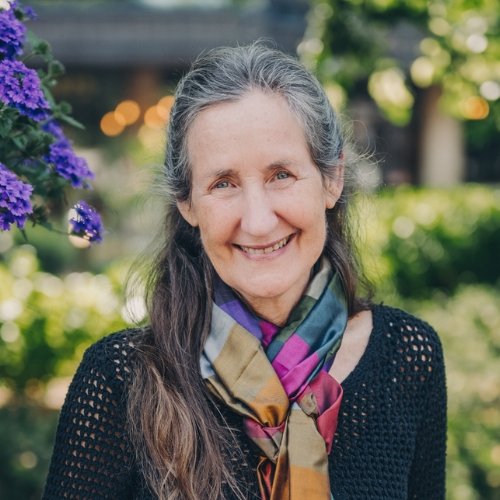
Barbara O’Neill, 73, describes herself as a naturopath and nutritionist and has built an international following through lectures, retreats and programmes focused on what she calls “natural self-healing”. Her upcoming appearances have drawn scrutiny because of a number of health claims she has previously made, including statements about cancer, vaccination and the treatment of bacterial infections.
Scientists and healthcare professionals in Britain and Ireland have now raised concerns about the planned events. A letter sent to venues hosting O’Neill was organised by Dr David Robert Grimes, a science communicator and biostatistics expert at Trinity College Dublin. The letter characterised O’Neill as a prominent source of medical misinformation and expressed concern that audiences could interpret her presence at established venues as an indication of professional or scientific credibility.

Among those supporting the letter are senior figures from cancer research, medicine and academia. Signatories include Orla Dolan, chief executive of Breakthrough Cancer Research, Professor Colin Doherty, head of Trinity College Dublin’s School of Medicine, Professor David Colquhoun of University College London and Sander van der Linden, professor of psychology at the University of Cambridge.
The concerns come at a time when health misinformation remains a significant issue in Britain. Recent findings from the Academy of Medical Sciences indicated that a substantial majority of UK adults regard health misinformation as a serious problem, while an even larger proportion believe it can put lives at risk.
For medical professionals, the concern is not simply about disagreement over alternative approaches to health. It centres on the possibility that individuals dealing with serious illnesses could follow unsupported advice instead of seeking evidence-based diagnosis and treatment.
O’Neill has previously made claims that have been strongly rejected by mainstream medical science. Among them is the assertion that cancer is a fungus that can be treated using bicarbonate soda. She has also made claims connecting vaccines with a range of serious conditions, including autism and cot death, and has said that pregnant women carrying Group B Streptococcus do not necessarily need antibiotics.
The claims have contributed to controversy around her activities for several years.
In 2019, Australia’s New South Wales Health Care Complaints Commission investigated O’Neill’s professional conduct. The regulator concluded that she had provided selective information to vulnerable people, including mothers and people with cancer, and that some of her advice could have a detrimental effect on their health.
The investigation also found concerns surrounding her discouragement of mainstream cancer treatment, antibiotics and vaccinations.
Following the investigation, O’Neill was permanently prohibited from providing health services in Australia, either on a paid or voluntary basis. The prohibition order remains enforceable throughout Australia.
The Australian ruling, however, does not prevent O’Neill from speaking at events overseas. She has subsequently appeared at events in a number of countries, including Britain, where she has previously spoken at venues such as the Trump Turnberry resort.
Her latest schedule includes a five-day retreat at the Cranage Estate in Cheshire in early October. The event, titled A Taste of Misty Mountain, is advertised as featuring lectures from O’Neill on subjects including the causes of disease, breathing and the immune system. Her husband, Michael O’Neill, is also due to participate, including in a presentation titled Barbara Under Attack.
Tickets for the five-day event, including a dinner dance, are priced at £700.
A separate event involving O’Neill is planned for mid-October in Ireland. The multi-day programme is being organised by Balm of Gilead, a Christian health and wellness group, at the City North Hotel and Conference Centre in Gormanston.
O’Neill and her husband are also scheduled to appear at the Founders and Future festival at the Glasgow University Union, where promotional material describes the couple as headlining the main stage.
The planned appearances have prompted questions about the responsibilities of venues that host privately organised events featuring controversial health figures.
The De Vere Cranage Estate said it operates as a hotel and conference venue that hosts a wide range of events for private clients, organisations and businesses. It said the venue would not normally become involved in the content or opinions expressed at privately organised events.
The Glasgow University Union has similarly stressed that the event featuring O’Neill is being organised externally and is not affiliated with or endorsed by the union’s board of management.
Cameron MacKenzie, president of the Glasgow University Union, said the festival organisers had entered into a booking agreement and could use the facilities provided their activities complied with the venue’s terms, internal policies and UK and Scottish law.
According to MacKenzie, nothing currently outlined by the organisers appeared to breach those requirements.
The controversy has also prompted a defence from O’Neill’s husband. Michael O’Neill told the media that he believed the Australian regulatory decision contained serious legal flaws and said investigations into the matter were continuing.
He also challenged the basis of the regulator’s findings, arguing that Barbara O’Neill had not received a complaint directly from a patient alleging harm. He characterised the Australian proceedings as ideological and questioned the independence of the regulator.
The HCCC rejected the implication that its action lacked a public-safety basis. A spokesperson said O’Neill had been permanently prohibited from providing health services after the commission found that she had made dangerous claims unsupported by evidence and posed a risk to public safety.
The commission also noted that its prohibition order does not extend beyond Australia. It urged people attending O’Neill’s events overseas to exercise caution regarding health information and to verify any medical advice with a registered healthcare professional.
The issue has produced a nuanced response among British medical experts. Professor David Elliman, a consultant at Great Ormond Street Hospital and a clinical adviser to UK screening programmes, said the scientific evidence did not support O’Neill’s health claims.
He warned that following unsupported advice instead of evidence-based medical guidance could have serious consequences for patients with serious illnesses. Elliman also suggested that people who provide health advice commercially could, in principle, be required to make their qualifications clear to the public.
Professor Liam Smeeth, director of the London School of Hygiene & Tropical Medicine, took a different position on whether speakers should be prevented from appearing publicly. He said he did not support banning speakers as a general approach and expressed support for freedom of speech within legal limits.
However, Smeeth also said O’Neill’s claims were unscientific and that the potential for harm was substantial, particularly when people were frightened or confused about serious health conditions.
The disagreement highlights a broader challenge facing modern healthcare: how to protect the public from potentially harmful misinformation while preserving open discussion and freedom of expression.
The distinction between discussing alternative approaches and making medical claims with potentially serious consequences is particularly important when audiences include people with cancer or other life-threatening conditions. Patients may be searching for hope, reassurance or alternatives when conventional treatment is difficult, expensive or emotionally challenging.
Health experts say unsupported claims can become especially dangerous when they discourage proven treatment or encourage people to replace professional medical care with untested remedies.
The planned UK and Irish events are therefore attracting attention well beyond the question of whether individual venues should host O’Neill. They have reopened debate about how health and wellness speakers are presented to the public, what qualifications they hold, and what responsibilities organisers have when promoting information relating to serious medical conditions.

O’Neill remains free to speak outside Australia because the Australian prohibition does not apply internationally. At the same time, the criticism from medical professionals demonstrates that the concerns surrounding her public activities have not ended with the regulatory action taken seven years ago.
As her UK and Irish appearances approach, organisers and venues face continued scrutiny from campaigners and healthcare professionals, while audiences will have to distinguish between personal wellness claims and advice supported by established medical evidence.
The dispute ultimately reflects a wider public-health challenge. As health information becomes increasingly accessible through social media, online events and commercial wellness programmes, people can encounter competing claims from individuals with very different levels of medical training and regulatory oversight. For patients making decisions about serious illnesses, medical professionals continue to stress the importance of checking health claims against reliable scientific evidence and consulting appropriately qualified practitioners.
Related News:
 Barrister Criticises Trial After Suicide Case Verdict
 Election Candidate Abuse Raises Alarm in England
 NHS Breast Care Review Finds Serious Patient Harm
 Fayed Survivors Demand Inquiry Into Medical Regulator
 London Facial Recognition Trial Ends With False Alert
 Undercover officer deceived women with ‘grotesque and cruel’ lies, spycops inquiry told
 Florida Surgeon ‘Devastated’ Over Fatal Surgery Error
 Westminster Council Threatens Charing Cross Soup Kitchen
 BBC Warned About Missing Clothes of Murder Victim
 Cambridge Professor Jason Arday Found Dead at Home
 Internal Exclusions Surge in England’s Schools
 Councils spend £125m on illegal children’s care
 Patriot Platform Raises Concern Across Britain
 Reform UK Receives Record £36m Donation From Crypto Billionaire
 Nature Access Gaps Expose Inequality Across England
 English Hospitals Face Shortage of Health Play Staff
 Disabled Travellers Seek Fairer UK Care Rules
 GP List Policy Risks Cutting Off Vulnerable Patients
 Court Says Judge Should Not Have Heard Case From Bed
 Free Speech Emerges as Key UK Election Issue
 UK University Strikes Spread as Financial Pressure Grows
 Drumcree Talks Falter as Legal Challenge Deepens
 UK-France Returns Deal Faces Expiry as Talks Stall
 Hundreds of UK prisoners released early amid overcrowding
 Drumcree Talks End Without Agreement Ahead of Appeal
 Almost Half of Fayed Accusers May Be Trafficking Victims
 Experts Urge Legal Right to Timely Cancer Care
 Patients to Test Health at Home to Ease NHS Winter Pressure
 North Sea oil workers must lose weight or face job loss
 No link found between paracetamol in pregnancy and autism
 Government urges schools to ban phones to curb classroom disruption
 Coffins Now Too Large to Cremate Amid Rising Obesity Crisis
 NHS paediatric leave parents waiting months for answers
 Starmer’s communications chief to outline media strategy overhaul
 TikTok to Strengthen Age Verification Across the EU
 Study Finds One in Seven England Takeaways Are Dark Kitchens
 Cancer Death Rate in Britain Falls by Nearly a Third
 Prevent Failings Exposed After Southport Attack
 Synagogue Arson Attempt Sparks Security Fears
 City & Guilds Sale Sparks Fees and Pay Uproar
 NHS Safety Fears as Nurses Cover Doctor Gaps
 Two Children Die in Wolverhampton House Fire Tragedy
 Reform UK funding: mystery billionaire revealed
 Greens Face Internal Row Over Antisemitism Claims
 Immigration Judges Fear Pressure in Trump Era
 FDA Chaos Deepens as Trump Eyes Makary Exit
 Father’s diaries reveal doubts over Hawking
 UK Schools Struggle as Classrooms Top 40C
 London Tube Heat Reaches Dangerous Levels
 Weight-Loss Drugs Offer Food Savings Mainly to High Earners
 Ghent Professors Questioned Cofnas Appointment
 RAF Barnham Protests Fuel Tensions in Norfolk Town
 British Museum Faces Questions Over Peter Thiel’s Private Bayeux Viewing
 Survivor Sues Musk’s xAI Over AI Abuse Images
 New Mexico Takes Facebook to Trial Over Data Scandal
 UK Retailers Accused of Breaking Refund Laws
 Lisa Nandy Calls for Tougher Action on Social Media Doxxing
 Piddington Votes for Symbolic Independence Over Asylum Plan
 Horse Hill Oil Site Sold as New Drilling Bid Emerges
 Fiji Declares National HIV Emergency as Cases Surge
 Enhertu Approved for Eligible Breast Cancer Patients in England
 Iran School Strike Raises War Crimes Questions, UN Says
 Mahmood Warns Far Right Over Asylum Protests
 Harrods Faces Dispute Over Fayed Abuse Compensation
 Lib Dems Prepare for Election Amid Reform Challenge
 Patrick Clancy speaks publicly about children’s deaths
 Headteachers Warn New Ofsted System Is Harming Wellbeing
 Briton Faces Cyprus Court Over Son’s Fatal Fall
 Democrat Says ICE Restricted Detention Camp Oversight
 UK Unveils Centre to Counter Foreign Disinformation
 King Refers Jamaica Slavery Petition to Privy Council
 UK Plans New Centre to Counter Information Warfare
 UK Pauses Chagos Deal Amid US Opposition
 OpenAI Agent Breaches Medicare Portal in Australia
 Elif Eralp Emerges as Berlin’s Next Political Force
 Drones Could Speed Up Defibrillator Delivery
 Cornell Fraternity Assault Investigation Reopened
 Burnham Opens Door to Possible UK Return to EU
 Green Party faces dispute over Zionism motion
 Edinburgh Glasshouses Reopen After Major Restoration