Published: 17 September 2026. The English Chronicle Desk. The English Chronicle Online
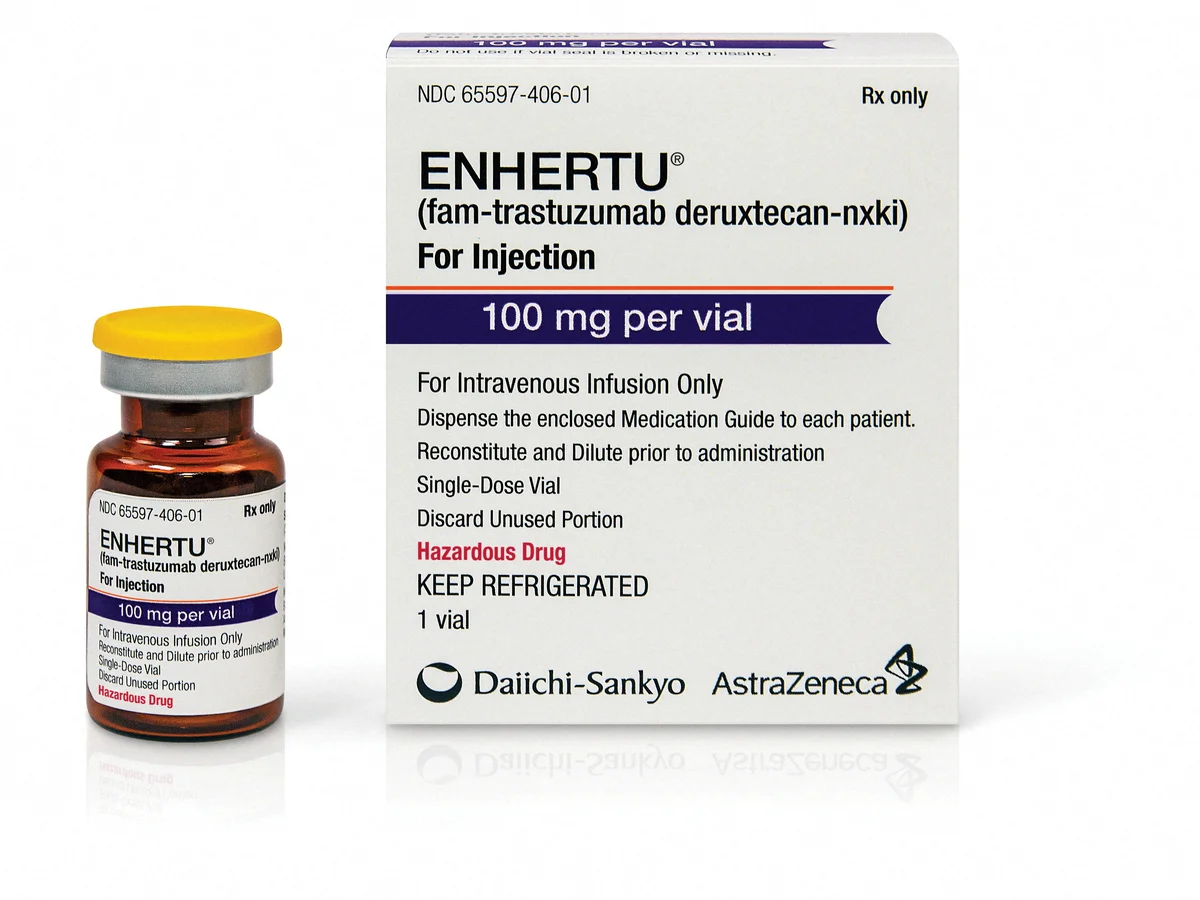
Thousands of people with advanced breast cancer in England are set to gain access to the targeted cancer medicine Enhertu after a new agreement cleared the way for its routine use on the National Health Service.
The National Institute for Health and Care Excellence, known as NICE, has recommended trastuzumab deruxtecan, sold under the brand name Enhertu, for eligible patients with HER2-low advanced breast cancer. The decision follows renewed negotiations between NICE, NHS England and the medicine’s manufacturers, AstraZeneca and Daiichi Sankyo.
The treatment had previously been rejected for routine NHS use in England because NICE considered the price being sought by the manufacturers too high in relation to the benefits demonstrated by the available evidence. The Department of Health and Social Care said in 2024 that NICE had been unable to recommend the medicine after commercial discussions failed to produce an acceptable price.
The latest agreement changes that position and is expected to make the treatment available to about 1,000 eligible patients a year in England, according to the information surrounding the new recommendation.

The development is particularly significant for patients whose breast cancers have low levels of the HER2 protein. HER2 is a protein that can promote the growth of some breast cancer cells, and the amount present in a tumour can influence which treatments may be appropriate.
Enhertu belongs to a class of medicines known as antibody-drug conjugates. These treatments combine an antibody that can recognise a particular target on cancer cells with a cancer-killing drug. The aim is to deliver the medicine more directly to cells carrying the relevant target.
For people with HER2-low advanced breast cancer whose disease has progressed after previous treatment, clinical evidence has shown that Enhertu can delay disease progression and extend overall survival compared with conventional chemotherapy.
The figures cited in the latest assessment show a median progression-free survival of 9.9 months for patients receiving Enhertu, compared with 5.1 months for those receiving standard chemotherapy. Median overall survival was 23.4 months compared with 16.8 months, representing a difference of 6.6 months in the trial population.
Median figures do not mean that every patient will experience the same benefit. They describe the point at which half of the patients in a study had experienced the relevant outcome and are used by researchers to compare treatments across groups.
The treatment is intended for advanced or metastatic disease, where cancer has spread beyond the original breast and cannot generally be cured with currently available treatments. In such circumstances, treatment can focus on controlling the disease, extending life and managing symptoms.
The new decision also marks a reversal of the position taken by NICE in 2024. At that time, the institute concluded that Enhertu did not represent sufficient value for money at the price proposed by its manufacturers. The Department of Health and Social Care said the decision followed extensive discussions with Daiichi Sankyo and AstraZeneca.
The earlier decision generated a strong response from breast cancer charities and campaigners. Breast Cancer Now and other organisations argued that patients in England should have access to the treatment, particularly because it was already available in Scotland and in other countries.
The different decisions across the UK’s nations highlighted the way healthcare is devolved. Scotland uses the Scottish Medicines Consortium to assess medicines, while NICE provides recommendations for England. Northern Ireland and Wales have their own arrangements for implementing medicines decisions.
The new recommendation could therefore have wider implications beyond England. The treatment has previously been available to eligible patients in Scotland, while Northern Ireland has also had arrangements allowing access to Enhertu for HER2-low metastatic breast cancer pending a longer-term decision.
The financial negotiations were an important part of the latest development. NICE assesses medicines not only according to whether they work but also according to their cost relative to the health benefits they provide. This means that a medicine can demonstrate clinical benefit while still failing to receive a recommendation if its cost is considered too high.
In Enhertu’s case, the eventual agreement followed changes to NICE’s framework and renewed commercial discussions. The details of the confidential commercial arrangement have not all been made public, meaning the precise price being paid by the NHS is not available.
The Department of Health and Social Care had previously said that NICE’s decision-making process considers evidence on both costs and benefits and involves engagement with the NHS, manufacturers and other stakeholders.
The decision also comes as the government pursues a broader programme to improve cancer outcomes in England. The National Cancer Plan, published in February 2026 and updated in September, sets out an ambition to improve cancer care and increase the proportion of people surviving for at least five years after diagnosis.
For clinicians treating advanced breast cancer, access to additional targeted treatments can expand the range of options available when earlier therapies no longer control the disease. However, whether Enhertu is appropriate depends on the characteristics of an individual’s cancer, previous treatments and clinical circumstances.
The term HER2-low is particularly important in determining eligibility. It describes breast cancers with relatively low levels of HER2 expression rather than the higher HER2 levels associated with traditionally HER2-positive disease. Advances in cancer testing have made it possible to identify treatment opportunities within groups that were previously considered HER2-negative.
The development of Enhertu has been part of that shift in cancer treatment. Instead of treating all HER2-negative cancers as a single group, researchers have investigated whether patients with lower levels of the protein can also benefit from medicines designed to target HER2.
The medicine already has several regulatory indications. In April 2025, the UK’s Medicines and Healthcare products Regulatory Agency approved an expanded indication for trastuzumab deruxtecan covering certain adults with HER2-positive solid tumours that have spread or cannot be removed surgically.
Regulatory approval and NHS funding decisions are separate processes. A medicine can be authorised for use while still undergoing assessment to determine whether it should be routinely funded by the NHS for a particular condition.
That distinction was central to the earlier Enhertu controversy. The drug could be prescribed under its regulatory authorisation, but the question for NICE was whether it should be routinely funded for HER2-low advanced breast cancer at the price proposed.
The latest agreement resolves that funding issue for eligible patients in England.
For families affected by advanced breast cancer, the significance of the decision goes beyond the financial arrangements. The availability of another treatment option can provide clinicians with an additional tool when previous therapies have stopped working.
Cancer charities have welcomed the development after years of campaigning for wider access. Their efforts have included highlighting the experiences of people living with secondary breast cancer and arguing that evidence of improved survival should be reflected in treatment availability.
At the same time, the decision illustrates the difficult choices involved in funding expensive medicines through a publicly funded health service. NICE must consider the benefits a treatment can provide alongside the opportunity cost of allocating NHS resources to one medicine rather than another.
The confidential nature of commercial agreements means that some details of the final arrangement remain unavailable publicly. What is clear is that the negotiations produced a solution that NICE considers sufficient for a positive recommendation.
The new availability also does not mean that Enhertu will replace chemotherapy or other breast cancer treatments. Different treatments remain appropriate for different patients, and decisions are made according to tumour characteristics, previous treatment and individual clinical circumstances.

For patients and families, the next stage will be implementation across NHS services so that eligible people can be assessed and offered treatment through their clinical teams.
The decision represents a significant change from the position in England two years earlier, when the medicine was considered too expensive for routine NHS use. The latest agreement demonstrates how negotiations over medicine prices can alter access to treatments even when the underlying clinical evidence remains broadly the same.
As England continues to develop its national cancer strategy, Enhertu’s inclusion in routine NHS treatment for eligible HER2-low advanced breast cancer adds another targeted therapy to the country’s options for people living with advanced disease.
For those who meet the clinical criteria, the change means a treatment previously unavailable through routine NHS funding in England can now become part of the care options discussed with their cancer specialists. The decision does not change the nature of advanced breast cancer, but it provides an additional treatment option for a group of patients for whom delaying disease progression and extending survival are important goals of care.
Related News:
 NHS May Pay 25% More for Medicines Amid US Drug Talks
 North Sea oil workers must lose weight or face job loss
 Reform UK funding: mystery billionaire revealed
 Weight-Loss Drugs Offer Food Savings Mainly to High Earners
 UK Heatwaves Set to Worsen Pothole Damage, RAC Warns
 Anglian Water Fined £63 Million Over Sewage Scandal Amid National Outrage
 How to Exit Your Broadband Contract Without Paying Exit Fees
 UK Launches World-First Gonorrhoea Vaccine Amid Record Infection Surge
 Permission Granted for Britain’s First Vertical Rocket Launch at Shetland Spaceport
 AI Tools Used by English Councils Found to Downplay Women’s Health Issues, Raising Concerns Over Gender Bias in Care
 Breakthrough Clinical Trial Lets 12-Year-Old Boy with Rare Skin Disorder Play Football
 Shocking Rise in Children’s Exposure to Violent Online Pornography Raises Alarm
 Ed Davey Urges Government to Block Elon Musk’s Tesla from Supplying UK Home Energy
 UK Could Generate Nearly £2bn Annually by Taxing SUVs, New Study Reveals
 Jaguar Land Rover Extends Production Halt Following Cyber-Attack
 British AI Startup Outshines Human Forecasters in Global Prediction Contest
 Omeprazole Alert: NHS Issues Guidance on Safe Use for Heartburn and Indigestion
 Royal Mail Owner Acquires Stake in Collect+ and Launches High Street Rebrand
 Eligibility Confusion Over COVID Vaccination Leaves Pharmacies Struggling Across the UK
 Majority of UK Men Would Opt for Prostate Cancer Screening, Survey Finds
 Scientists Announce First Potentially Accurate Blood Test for Chronic Fatigue Syndrome
 Survey Shows Most GPs Rushing Appointments
 Genetic Tests May Predict Return of Blood Cancer
 UK Woman Becomes Longest Survivor of Heart-Lung Transplant
 UK Vets May Be Forced to Publish Prices After CMA Probe
 Watchdog Rules Red Tractor Ad Misled Public on Environmental Claims
 Thousands in the UK sue Johnson & Johnson over alleged talcum powder, linked to cancer
 ‘Game-Changing’ HIV Prevention Jab Set for NHS Approval
 How Bringing Forests Into Preschools Boosts Children’s Health
 Experts Urge Legal Right to Timely Cancer Care
 Patients to Test Health at Home to Ease NHS Winter Pressure
 No link found between paracetamol in pregnancy and autism
 UK launches major AI drive to fight deadly superbugs
 Coffins Now Too Large to Cremate Amid Rising Obesity Crisis
 UK Taskforce Unveils Plan to Streamline Nuclear Reactor Rules
 NHS paediatric leave parents waiting months for answers
 MPs warn AI financial risks threaten UK stability
 AI job losses UK: Britain faces sharper employment shock
 UK New Car Discounts Near £6,000 as Prices Are Slashed
 Study Finds One in Seven England Takeaways Are Dark Kitchens
 Cancer Death Rate in Britain Falls by Nearly a Third
 Charity Watchdog Takes Control of Learning Disability Care Home
 Rising Costs Force Families to Rethink Days Out
 Glasgow Central Set for Full Reopening After Fire
 GSK cancer drug shows early promise in trials
 NHS Safety Fears as Nurses Cover Doctor Gaps
 Barrister Criticises Trial After Suicide Case Verdict
 Father’s diaries reveal doubts over Hawking
 UK rejects EV charging VAT cut amid Treasury clash
 UK firms accused of ‘AI washing’ boom
 BMA Faces Unprecedented Staff Cuts Amidst Severe Financial Turmoil
 UK Schools Struggle as Classrooms Top 40C
 London Tube Heat Reaches Dangerous Levels
 Burnham unveils £65m drought aid for farmers
 Pubs and Hotels Face Business Rates Reform Review
 Ghent Professors Questioned Cofnas Appointment
 UK Risks Falling Behind in AI Race
 UK Households Could Save £173 on Fixed Energy Deals
 London Launches First Self-Driving Taxis
 Green Leader Targets Starmer’s Former Seat
 UK Subsidence Claims Surge After Record-Breaking Summer
 Spire Healthcare Agrees £1bn Takeover by Toscafund
 UK House Prices Fall as Mortgage Rates Rise
 Councils spend £125m on illegal children’s care
 McLaren to Create 1,000 UK Jobs in £450m Investment
 Nats Boss Summoned as UK Flight Chaos Continues
 Thames Water Revises Oxfordshire Mega-Reservoir Plan
 UK Retailers Accused of Breaking Refund Laws
 DRC Ebola Outbreak Peaks as New Infections Slow
 UK State Pension Set to Rise 3.9% as Triple Lock Holds
 UK Pay Growth Slows to 3.9% as Rate Decision Nears
 Bank Urged to Slow Bond Sales as UK Costs Rise
 UK Inflation Hits 3.1% as Household Pressure Grows
 Heathrow Expansion Faces New Climate Conditions Over CO₂
 Mayors Could Gain New Powers Over UK Water Firms
 Lisa Nandy Calls for Tougher Action on Social Media Doxxing
 Mayors Could Gain Greater Powers Over Water Firms
 Horse Hill Oil Site Sold as New Drilling Bid Emerges
 Entain Plans 400 Job Cuts After Profit Update
 Fiji Declares National HIV Emergency as Cases Surge