Published: 04 July 2026. The English Chronicle Desk. The English Chronicle Online.
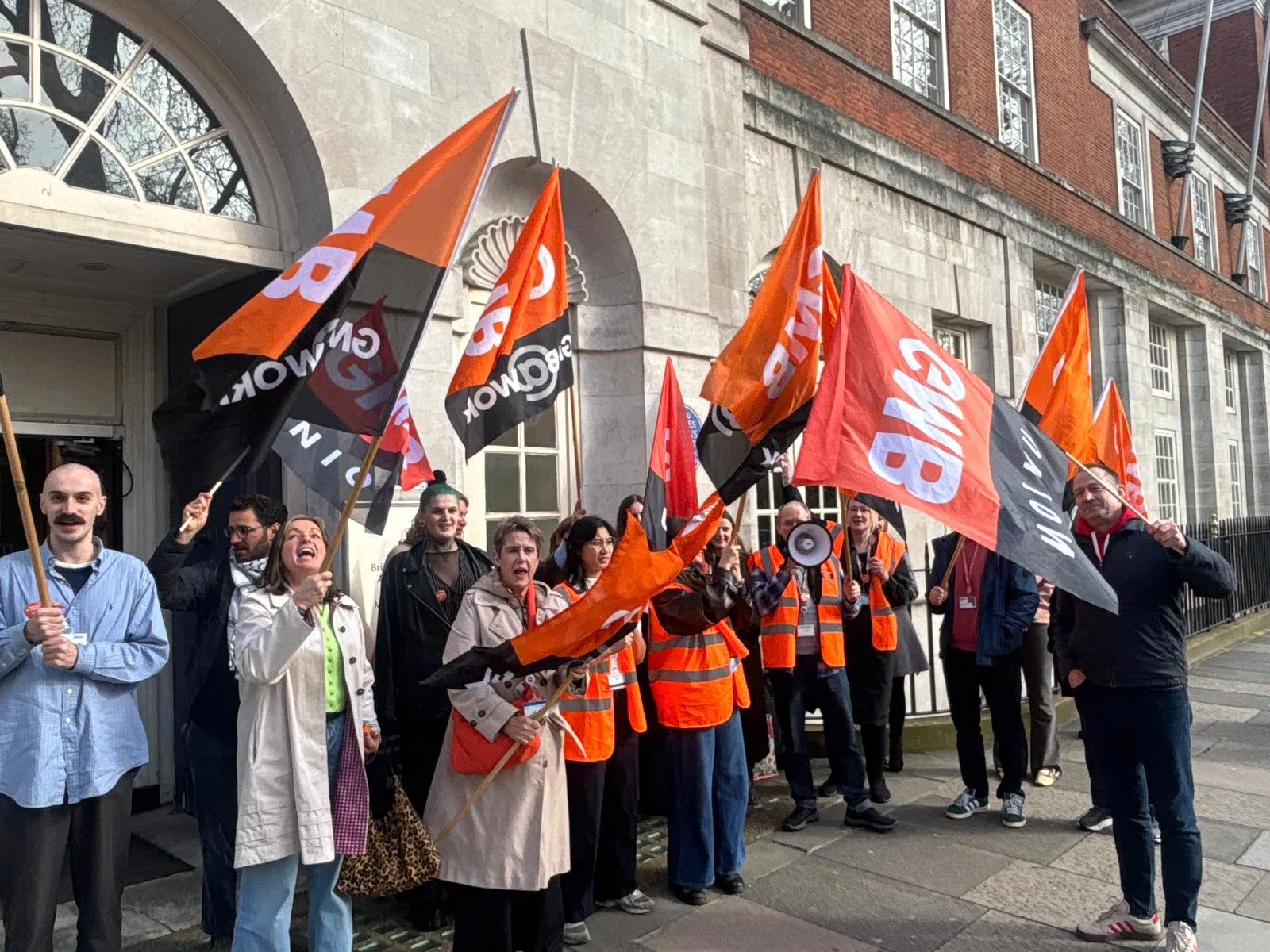
The British Medical Association, long considered the bedrock of medical advocacy in the United Kingdom, is currently embroiled in a profound financial crisis that threatens to fundamentally alter its operational landscape. In a move that has sent shockwaves through the organization’s headquarters and regional offices alike, the BMA has initiated a drastic restructuring plan that places one-third of its entire English workforce at risk of redundancy. This announcement has not only triggered widespread panic among the 600 staff members based in England but has also ignited a fierce confrontation between the union’s leadership and the workforce, who have publicly condemned the administration’s actions as hypocritical and fundamentally misaligned with the union’s core values.

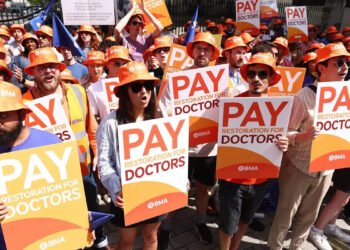
The revelation of these planned cutbacks emerges in the wake of a highly contentious period for the medical profession. Only days prior, the BMA’s resident doctor cohort—a segment that has been the driving force behind the union’s recent surge in membership to a record-breaking 200,000—narrowly voted to approve a pay deal. While this agreement serves as the conclusion to 15 rounds of exhausting industrial action that paralyzed NHS services and generated significant public debate, the victory has been overshadowed by the organization’s underlying fiscal instability. Despite the massive growth in membership and the corresponding increase in subscription revenue, the BMA continues to bleed millions of pounds annually. Financial disclosures reveal a precarious reliance on consistent subsidies from the British Medical Journal, which has provided an average of £5.1m in annual support since 2008 to prevent the union from succumbing to its recurring deficits.
The internal atmosphere at the BMA has deteriorated rapidly. The GMB trade union, which represents the majority of the affected staff, has levied serious allegations against the BMA leadership, claiming that the organization has violated its own internal HR regulations and has attempted to stifle dissent through heavy-handed communication policies. The betrayal felt by staff is palpable; many employees have expressed deep indignation that the union, which routinely demands better working conditions and job security for doctors within the NHS, is now utilizing the very tactics it purports to fight against. The depth of this disillusionment was made clear during a recent emergency meeting where an overwhelming 91% of participating staff members, on a turnout of 72%, passed a formal motion of no confidence in Rachel Podolak, the union’s chief executive. This unprecedented rejection of leadership highlights a complete breakdown in the relationship between the governing body and the people responsible for delivering the union’s agenda.
The proposed restructuring is specifically designed to shift the BMA’s identity away from its traditional role as a professional association and toward a more aggressive, streamlined trade union model. This pivot, while intended to optimize for “organising to win,” threatens to gut critical infrastructure. The BMA intends to reduce the headcount of its board of science and board of ethics, effectively weakening the very departments that provide the authoritative research and ethical guidance for which the organization is renowned. Perhaps most controversially, the union plans to slash the number of industrial relations officers—the essential personnel who provide direct, on-the-ground support to hospital doctors during negotiations and complex workplace disputes. Senior figures within the union have described the decision to cut these roles as an act of “madness,” arguing that such a reduction directly sabotages the union’s ability to influence policy or defend its members at the local level.
The protest against these measures has been widespread. The chairs of 110 local negotiating committees, representing hospital doctors across the nation, have penned a scathing letter to the BMA leadership, warning that the loss of these officers and regional heads would lead to a catastrophic decline in local efficacy. Despite the vocal opposition and the mounting internal pressure, the BMA hierarchy has been accused of suppressing dissent, specifically by preventing critical motions from being debated at the annual conference. A spokesperson for the BMA has defended the restructuring, characterizing it as a vital response to inflation and the need to reduce fixed costs. They emphasized that the organization remains dedicated to its members and that they are prioritizing voluntary redundancy packages, aiming for a total reduction of approximately 20 full-time roles rather than the original figure of 200.

However, this conflicting narrative—shifting between a high-stakes threat of 200 redundancies and a stated goal of 20—has only deepened the skepticism among staff and union representatives. For the employees, the damage is already done; the environment is described as one of paranoia and misery, where the promise of voluntary departure does little to mask the severity of the institutional crisis. As negotiations with the GMB persist, the BMA finds itself at a precarious crossroads. It must decide whether its future lies in the preservation of its historical pillars of research and ethics, or in an aggressive, trade-union-only model that has so far alienated the very workforce it relies upon for its influence. As it stands, the organization is fighting a battle on two fronts: one to mend its broken balance sheet, and another to repair the shattered morale of its internal workforce, an effort that may prove far more difficult than the financial recovery itself.
Related News:
 NHS Takes Over Nuffield Hospital in ‘Windfall’ for London Care
 North Sea oil workers must lose weight or face job loss
 Study Finds One in Seven England Takeaways Are Dark Kitchens
 Charity Watchdog Takes Control of Learning Disability Care Home
 Reeves Faces Setback as Labour May Miss Homes Target
 Hospice Cuts Raise Alarm Across England Amid Funding Crisis
 Trump’s UK Ambassador Urges North Sea Drilling to Strengthen US Ties
 M&S Profits More Than Halve After Cyber-Attack
 Tony Blair think tank warns Rachel Reeves must cut taxes if manifesto broken
 Patients to Test Health at Home to Ease NHS Winter Pressure
 Millionaires group urge Reeves to introduce wealth tax to ‘lift kids out of poverty’
 Shouting Works Best to Deter Gulls, UK Study Finds
 Reeves rejects £1bn plea for NHS redundancy payouts
 Global markets drop amid tech sell-off and China slowdown
 Stroke Patient Mistaken for Drunk, Care Delayed
 ‘Traumatic Wait’: Northern Ireland Women Face Breast Cancer Delays
 Coffins Now Too Large to Cremate Amid Rising Obesity Crisis
 Five-Year-Old Dies After Rare Tonsil Surgery Complication
 Fibromyalgia Patients Struggle as NHS Fails to Provide Care
 Starmer Says Labour’s Economic Plan Needs Years to Deliver
 Virgin Media Fined £23.8m Over Telecare Safety Failures
 More Patients Now Contacting GPs Online, Data Shows
 Rising Water Bills Lift Troubled Thames Back to Profit
 Children to Receive Home Vaccines as England Acts
 UK Enforces Junk Food Ad Ban Before 9pm
 Starmer Faces Parliamentary Battles Over UK-EU ‘Reset’ Plan
 Patients Collapsing in NHS Corridors, Watchdog Warns
 ScottishPower Tops List of Worst UK Energy Suppliers
 City & Guilds pay surge sparks backlash amid £22m cuts
 UK Government Borrowing Drops to £11.6bn in December
 AI job losses UK: Britain faces sharper employment shock
 Small risk warning raised over weight-loss jabs in UK review
 Streeting moves on doctor pay to end strike dispute
 UK reports baby formula toxin poisoning cases across the country
 UK Unemployment Rate Climbs to 5.2% Peak
 UK shelves £110m border project amid trade strain
 Placenta Accreta Warning as Hunt Urges Action
 Half of Britons Avoid GP When Ill, Survey Reveals Growing Concern
 Reeves Must Back Defence Plan or Face Dismissal, Says Unite Chief
 NHS Maternity Units Cover Up Harmful Childbirth Errors
 Switching Energy Deal Can Save £200 as Price Cap Falls
 Rachel Reeves Faces Middle East Conflict Test
 Weight-loss drugs may transform heart attack recovery
 Grocery Inflation Rises Amid War Fears
 Peak Greggs fears as profits tumble sharply
 BrewDog sold Highland estate for knockdown price after abandoning reforestation plans
 Cancer Death Rate in Britain Falls by Nearly a Third
 NHS Plans to Cut Overseas Workers Labeled Overambitious
 UK Energy Reform Could Cut Bills by £200
 Rising Costs Force Families to Rethink Days Out
 Palantir Boss Defends NHS Deal Amid Government Break Clause
 Unions Raise Concerns Over Doctors’ Pay Dispute
 Private Profits From NHS Contracts Spark Urgent National Debate
 Aegon Sells Historic UK Arm to Standard Life for £2bn
 UK Staycations Rise as Travel Fears Grow
 Crisis in NHS Surgery Scheduling Hits Patients Hard
 New AI Tool To Target Obesity Risk And Transform NHS Care
 Silent Tracks: Rail Line Without Passengers
 Barrister Criticises Trial After Suicide Case Verdict
 Lotus Boss Pledges Future to Norfolk and Seeks State Support
 UK Firms Freeze Spending as Iran Conflict Bites
 Reeves to Fast-Track Clean Energy Amid Iran Crisis
 Pope Meets Families in Italy Toxic Waste Zone
 Record Spending Highlights Growing Crisis In National Health Service
 Tube Strike Brings Capital to a Standstill Over Shift Disputes
 Tube Strike Brings Capital to a Standstill Over Shift Disputes
 BP Stands Firm on Amanda Blanc Amid Boardroom Storm
 UK House Prices Drop For Third Month Due To War Fears
 Clean Air Initiatives Spark Major Fall in London Hospital Admissions
 AI Scams Push UK Investment Fraud Past £220m
 Labour MP Revives Blocked Assisted Dying Bill in Commons
 Rethinking the Blueprint for Youth Employment in Britain
 EU Slashes Steel Quotas But Grants UK Favourable Rates
 Sainsbury’s Boss Optimistic As Grocery Inflation Eases
 UK Households Suffer Squeeze As Disposable Incomes Drop
 NHS Urges Investigation For Irregular Periods
 Trump Immigration Cuts Threaten US Caregiver Stability
 UK Schools Struggle as Classrooms Top 40C
 London Tube Heat Reaches Dangerous Levels
 BBC Faces Real Jeopardy as Licence Fee Income Declines