Published: 04 July 2026. The English Chronicle Desk. The English Chronicle Online
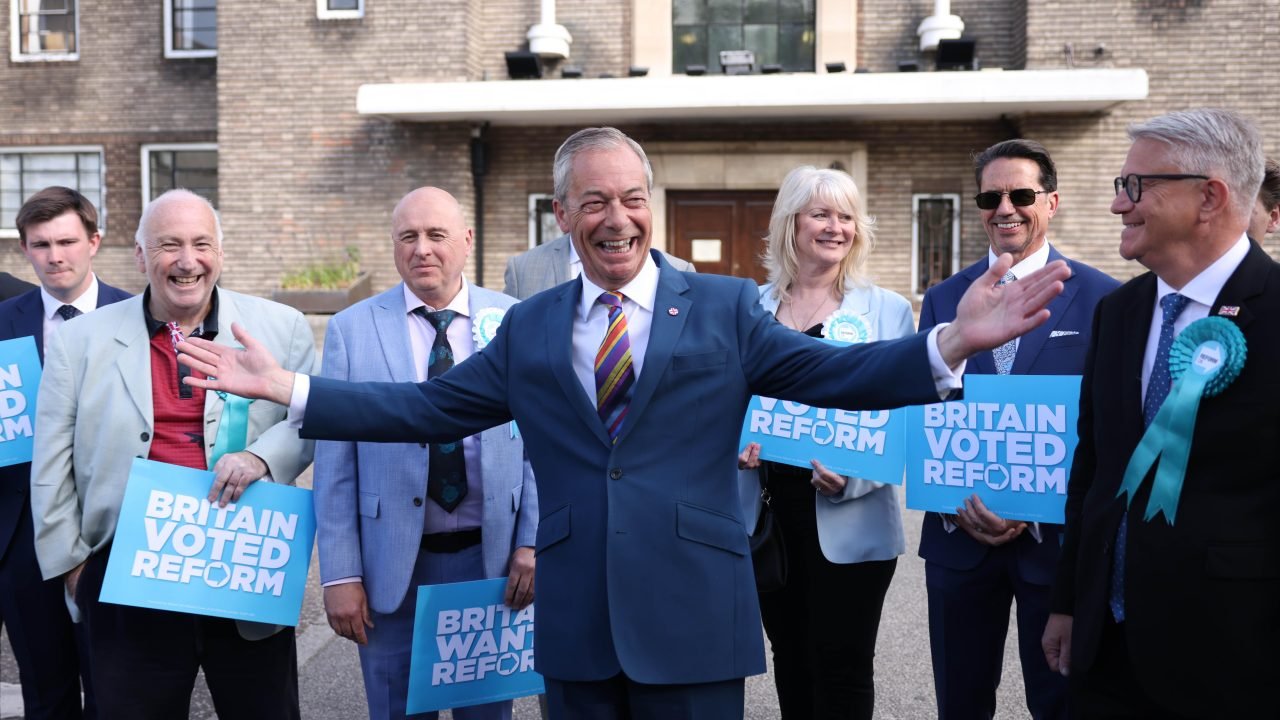
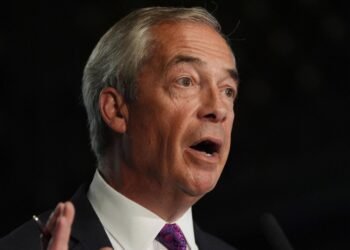
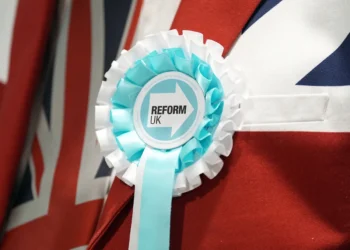
The political landscape across the United Kingdom is currently undergoing a period of profound introspection and, for many, deep-seated anxiety. As the influence of Reform UK continues to grow, political leaders in Scotland, Wales, Northern Ireland, and the Republic of Ireland are being forced to confront a scenario that was, until recently, relegated to the fringes of political speculation: the potential dissolution of the United Kingdom. With the next general election looming, the prospect of Nigel Farage’s party securing a significant parliamentary foothold—or potentially even leading a government—has catalyzed a cross-border examination of constitutional survival. From Belfast to Cardiff and Edinburgh to Dublin, politicians are bracing for what many describe as a period of unprecedented constitutional turmoil, driven by fears that English nationalism may irrevocably fracture the union.

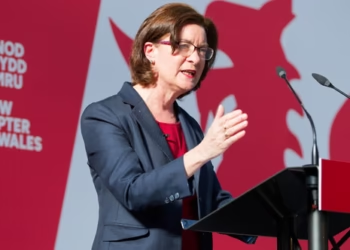
The core of this apprehension lies in the stark ideological divide between the nationalist rhetoric championed by Reform UK and the political sensibilities of the UK’s constituent nations. Figures from across the political spectrum fear that a Reform-led administration would prioritize anti-immigration measures and an aggressive, populist agenda that could alienate Scotland, Wales, and Northern Ireland. Mark Drakeford, the former first minister of Wales, has been among the most vocal critics of this trajectory. During a recent conference in Belfast, he articulated the chilling possibility of a “rump UK,” in which England drifts toward a model of governance that is increasingly incompatible with the progressive values held by its neighbors. For Drakeford, the danger is that the UK might change so radically that the Welsh, Scots, and Northern Irish find themselves effectively discarded by a state that no longer reflects their identity.
In Northern Ireland, the conversation is particularly acute. Nationalists and unionists alike are calculating the fallout of a Reform surge, especially given Nigel Farage’s open hostility toward the European Convention on Human Rights (ECHR) and his questioning of the Good Friday Agreement. Sinn Féin and other nationalist parties are urging the Irish government to expedite preparations for a potential border poll, fearing that the UK might attempt to “bounce” Northern Ireland out of the union to shed the financial subvention costs. Estimates for this annual subvention vary wildly, ranging from £6 billion to £20 billion, but political observers worry that Reform could weaponize these figures as a political football, much like the controversial claims made during the Brexit campaign. The fear is that a UK government, driven by an “England first” ideology, might see Irish unification not as a failure of policy, but as an economic liberation.
The Republic of Ireland is similarly preparing for the potential instability. Dublin has begun the arduous task of drafting a blueprint for unification, recognizing that the predictable pathways of diplomatic harmony may be eclipsed by the chaotic volatility of populist politics. Leo Varadkar, the former taoiseach, noted that while a Reform-led government might seem like a distant probability, the structural changes in British politics have made such outcomes plausible enough to warrant serious strategic contingency planning. The uncertainty is compounded by the fact that Reform UK’s platform—which includes a hard exit from the ECHR—could jeopardize the legal foundations that have maintained peace and political stability on the island of Ireland for decades.
For Scotland and Wales, the rise of English nationalism is seen as a catalyst for a reevaluation of their own constitutional futures. The Scottish National Party (SNP) continues to advocate for a clearer path toward independence, framing the potential ascendancy of figures like Farage as proof that the current UK parliamentary system is fundamentally broken. Meanwhile, in Wales, the vision of a “Celtic union” modeled on the Nordic Council has gained traction among some thinkers who believe that, if the UK continues its current trajectory, smaller nations must forge closer ties to protect their shared social and democratic interests. This is not necessarily an overt desire for separation, but rather a defensive posture taken by leaders who believe that the voluntary association of the four nations is under siege.

The economic and national security arguments for the union are also being recast. Unionist leaders, such as the Ulster Unionist party’s Jon Burrows, are attempting to pivot the conversation toward the strategic importance of the UK, emphasizing the role of Northern Ireland in food security and maritime infrastructure. Yet, these arguments are struggling to gain traction against the emotive pull of the populist discourse emerging from London. As the Reform phenomenon solidifies its place in British politics, the traditional arguments for staying together are being replaced by a sense of impending inevitability. Whether the United Kingdom can withstand the pressures of this new wave of English nationalism remains the defining question of the era. For the Celtic nations, the goal is no longer just to participate in the union, but to prepare for the possibility that the union may no longer want to participate in them.
Related News:
 Kezia Dugdale Warns of Possible Reversal of Equal Rights Gains
 NHS Safety Fears as Nurses Cover Doctor Gaps
 Reform UK funding: mystery billionaire revealed
 John Terry Faces Backlash Over Political Posts
 Asylum deal sparks fears over Syria deportations
 UK may ban protests amid rising antisemitism fears
 Ceasefire Standoff Deepens in Ukraine War
 France Faces Record Presidential Crowded Race Amid Far-Right Surge
 Labour Members Turn Against Starmer Leadership
 Hybrid village stores fight rural decline
 Farage and Reform UK Reshape British Politics
 Starmer Leadership Under Pressure After Setbacks
 Deadly Russian Air Raids Strike Across Ukraine
 EU and UK Set July Date for Critical Post-Brexit Summit
 Three-Quarters of England’s Riverbanks Still Off Limits
 Farage Defends £5m Gift Amid Threats
 Burnham unveils £65m drought aid for farmers
 Green Party Surges Past Labour in Latest UK Poll
 Trump’s UK Ambassador Urges North Sea Drilling to Strengthen US Ties
 French Taxi Driver Cleared in David Lammy Theft Case After Fare Dispute
 Millionaires group urge Reeves to introduce wealth tax to ‘lift kids out of poverty’
 Starmer Faces Growing Dissent as Labour MPs Weigh Leadership Challenge
 Reeves rejects £1bn plea for NHS redundancy payouts
 PM Condemns Leaks, Vows Loyalty to Ministers and Stability
 Major Rent Reform Ends No-Fault Evictions in England
 Most Tories Expect to Support a Farage-Led Government
 Starmer Says Labour’s Economic Plan Needs Years to Deliver
 Labour Blocks Burnham as Party Rift Deepens Ahead of Polls
 Huge mistake: Labour blocks Burnham from byelection bid
 Artificial intelligence will cost jobs, admits Liz Kendall
 Labour targets Greens on drugs in Gorton Denton byelection
 Greens nominate Hannah Spencer for Gorton and Denton byelection
 Mandelson Faces Police Inquiry Over Epstein Leak
 Labour Thinktank Row Deepens Over Journalist Probe Claims
 Morgan McSweeney downfall shocks Labour leadership
 Cabinet Secretary Shake-Up Triggers Due Diligence Warning
 Starmer Faces Inquiry Calls Over Thinktank Probe
 UK shelves £110m border project amid trade strain
 Farage Unveils Reform UK Frontbench Team
 California Democrats Vow Trump Reckoning
 Wales Approves Assisted Dying Bill Consent
 UK EU Trade Reset Gains Public Backing
 Green Party Stuns Labour in Gorton and Denton Byelection
 Corbyn Leads Your Party in Coordinated Left-Flank Strategy
 Labour Together scandal sparks clean break vow
 Asylum Seekers to Work After Year-Long Wait
 Starmer Row as Greens Demand Apology
 Proposed Law Leaves Gap for Children of Convicted Paedophiles
 Gordon Brown urges court for crimes against children
 Inquiry into HMRC child benefit errors launched by NAO
 Farage Faces Backlash Over Crypto Cameo Endorsements
 Rising Costs Force Families to Rethink Days Out
 Relationship with Trump may be beyond repair, Starmer warned
 Unions Raise Concerns Over Doctors’ Pay Dispute
 UK Government Poised to Revive Stalled Hillsborough Law
 UK Stands Firm on Falklands Amid US Rift
 Welsh Labour Faces Potential Historic Election Defeat
 Silent Tracks: Rail Line Without Passengers
 Greens Face Internal Row Over Antisemitism Claims
 Major test for Labour as polls open in Great Britain
 Barrister Criticises Trial After Suicide Case Verdict
 Reform UK Faces Crisis as Newly Elected Councillors Resign
 Keir Starmer Struggles to Secure His Grip on Downing Street
 Farage Faces Standards Probe Over Cash Property Purchase
 Pope Meets Families in Italy Toxic Waste Zone
 Secret Role of UK Security Services in Troubles Amnesty Law
 Minister Criticises Police Guidance Amid Southampton Protests
 Makerfield Voters Demand Real Change as Election Looms
 The Hidden Crisis Eroding Trust in British Communities
 Labour MP Revives Blocked Assisted Dying Bill in Commons
 Starmer Set to Announce Exit Plan as Burnham Eyes No 10
 Trump’s Mount Rushmore Speech: A Divisive Anniversary
 Jarvis Urges Burnham to Secure 3.5% Defence Spending
 Farage Warns Sky News Following Financial Inquiry
 Le Pen to Run for President Despite Embezzlement Conviction
 Reform UK Finances Face Deep NCA Probe
 Ann Widdecombe, Formidable Political Figure, Dies at 78
 UK Schools Struggle as Classrooms Top 40C
 London Tube Heat Reaches Dangerous Levels
 Westminster Council Threatens Charing Cross Soup Kitchen