Published: 17 June 2026. The English Chronicle Desk. The English Chronicle Online.
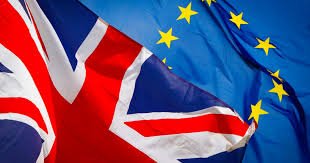
The United Kingdom and the European Union have finally locked in a date for their highly anticipated summit. Leaders from both sides will gather in Brussels on the twenty-second of July to discuss a diplomatic reset. This crucial meeting aims to reshape the complicated post-Brexit relationship that has existed for several years. The announcement brings a sense of relief after months of scheduling uncertainty and intense political speculation. Observers had begun to fear that the entire diplomatic effort might collapse under deep policy disagreements.
The road to this summit has been marked by a series of frustrating delays and setbacks. Officials originally planned to hold the high-level talks as early as May of this year. Disagreements over key policy areas quickly forced negotiators to push the timeline into June and July. Up until recently, senior diplomats in Brussels openly expressed disappointment about a distinct lack of momentum. Many feared that the initial enthusiasm for a refreshed relationship was fading into familiar political gridlock. The sudden confirmation of a July date indicates a renewed commitment to finding immediate common ground.
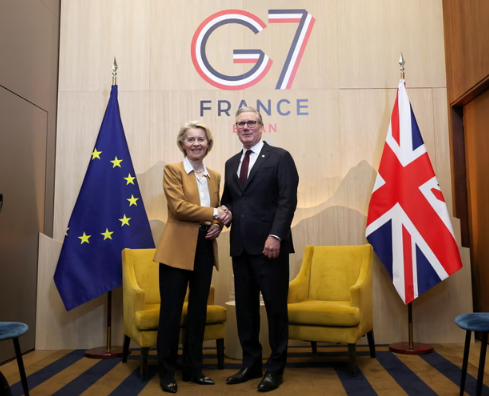
The European Council President confirmed the official date during the recent Group of Seven meeting in Evian. He emphasized that close cooperation remains absolutely essential for shared European security, resilience, and economic prosperity. European officials are reportedly working around the clock to ensure the upcoming summit achieves tangible results. His supportive words provide a much-needed boost to a negotiation process that frequently looked entirely stalled. The statement reflects a broader continental desire to stabilize relations during a period of global volatility.
The British Prime Minister welcomed the news as validation of his core foreign policy objectives. He stated that his administration is actively delivering on its promise to reset the European relationship. The government intends to place Britain firmly back at the heart of European political cooperation. Downing Street believes a closer partnership will directly help tackle the ongoing cost of living crisis. Ministers argue that reducing trade barriers will quickly boost domestic jobs and create new economic opportunities.
The domestic political backdrop adds a layer of intense drama to this upcoming international summit. The Prime Minister faces a potentially defining moment with a crucial parliamentary byelection occurring this Thursday. Political analysts suggest that a poor result in Makerfield could trigger a serious leadership challenge. This domestic instability threatens to undermine the British negotiating position just weeks before the Brussels meeting. The government must balance complex international diplomacy with the immediate reality of keeping domestic political control.
Advocacy groups are already putting immense pressure on British leaders ahead of the July talks. The chief executive of the prominent campaign organization Best for Britain has issued a strong warning. She argued that whoever occupies Downing Street next month must recognize the increasing importance of Europe. The group suggests that even signaling an intention to rejoin could generate helpful political momentum. However, such a bold move remains highly controversial across large sections of the British electorate.
The deadlocked negotiations over a proposed youth mobility scheme have been the primary cause of delay. The proposed plan would allow citizens under thirty to work and study across European borders. European diplomats view this reciprocal youth experience program as a non-negotiable part of the reset. They have repeatedly warned that a summit would be impossible without an agreement on youth. This firm stance highlights the deep cultural value the European Union places on freedom of movement.
The United Kingdom continues to show strong resistance to several core demands within the youth framework. British negotiators are particularly concerned about the potential financial impact on the domestic higher education sector. The European Union wants a complete restoration of pre-Brexit home tuition fees for continental students. British universities currently rely heavily on the higher international fees that European students now pay. Finding a compromise that satisfies university treasuries while pleasing Brussels is proving exceptionally difficult.
Beyond the youth scheme, negotiators are making much better progress on significant trade and agricultural agreements. The summit agenda features a comprehensive food and farm produce trade deal designed to cut red tape. This specific agreement would successfully remove burdensome physical checks on British exports entering the European market. In return, the United Kingdom must agree to align closely with strict European regulatory standards. Food producers on both sides of the English Channel have long campaigned for these changes.
The sanitary and phytosanitary agreement is already partially finalized after months of quiet technical discussions. The British government recently unveiled a detailed list of the specific border checks that will be removed. This early disclosure gives agricultural businesses vital time to prepare for the new system next year. Implementation of the streamlined trade deal is expected to occur smoothly by next summer. This progress proves that pragmatic economic cooperation is still possible despite lingering disagreements over migration.
Another key area of alignment involves the complex rules surrounding industrial emissions and environmental policy. Progress is moving forward on linking the British emissions trading system with the European framework. This alignment will create a unified approach to penalties on products with high carbon footprints. Both jurisdictions are deeply committed to achieving ambitious climate goals through coordinated market mechanisms. Cooperation on green energy could serve as a model for other sectors moving forward.
The upcoming summit represents a critical test for the sustainability of a post-Brexit political reset. Both sides have a massive economic and strategic stake in the ultimate success of these talks. However, domestic political pressures in London and rigid negotiating positions in Brussels remain formidable obstacles. The twenty-second of July will either mark a new era of cooperation or a return to gridlock. The entire continent will be watching closely as leaders attempt to bridge the historic divide.
Related News:
 Asylum deal sparks fears over Syria deportations
 Ceasefire Standoff Deepens in Ukraine War
 Deadly Russian Air Raids Strike Across Ukraine
 UK Nations Brace for Potential Breakup Amid Reform Surge
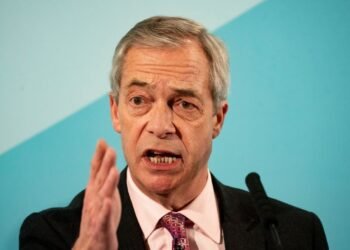 Farage Defends £5m Gift Amid Threats
 Green Party Surges Past Labour in Latest UK Poll
 Trump’s UK Ambassador Urges North Sea Drilling to Strengthen US Ties
 French Taxi Driver Cleared in David Lammy Theft Case After Fare Dispute
 Millionaires group urge Reeves to introduce wealth tax to ‘lift kids out of poverty’
 Starmer Faces Growing Dissent as Labour MPs Weigh Leadership Challenge
 Reeves rejects £1bn plea for NHS redundancy payouts
 PM Condemns Leaks, Vows Loyalty to Ministers and Stability
 Major Rent Reform Ends No-Fault Evictions in England
 Peers Flood Assisted Dying Bill with 942 Amendments
 Most Tories Expect to Support a Farage-Led Government
 Labour MP claims devolution bill is ‘blatant discrimination’ against Cornwall
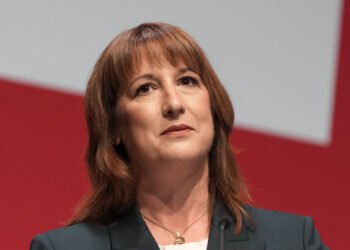 Millions Face Higher Taxes Under Reeves New Budget
 Starmer Says Labour’s Economic Plan Needs Years to Deliver
 Culture secretary to review Telegraph takeover by Daily Mail owner
 Labour Blocks Burnham as Party Rift Deepens Ahead of Polls
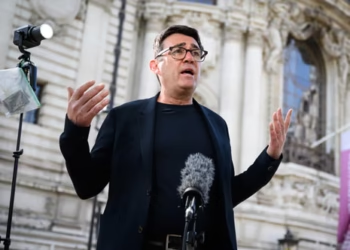 Huge mistake: Labour blocks Burnham from byelection bid
 Artificial intelligence will cost jobs, admits Liz Kendall
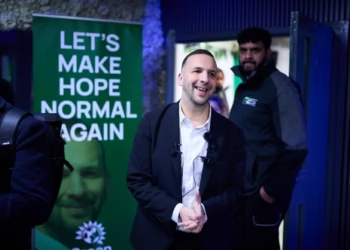 Labour targets Greens on drugs in Gorton Denton byelection
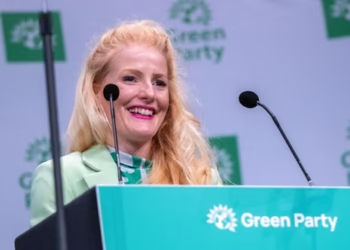 Greens nominate Hannah Spencer for Gorton and Denton byelection
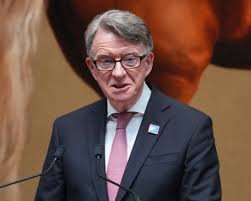 Mandelson Faces Police Inquiry Over Epstein Leak
 Labour Thinktank Row Deepens Over Journalist Probe Claims
 Morgan McSweeney downfall shocks Labour leadership
 Cabinet Secretary Shake-Up Triggers Due Diligence Warning
 Starmer Faces Inquiry Calls Over Thinktank Probe
 Royal Mail Delivery Crisis Deepens Amid Weather Chaos
 UK shelves £110m border project amid trade strain
 Farage Unveils Reform UK Frontbench Team
 California Democrats Vow Trump Reckoning
 Trump Tariffs Threat Spark UK and EU Alarm
 Wales Approves Assisted Dying Bill Consent
 UK EU Trade Reset Gains Public Backing
 Green Party Stuns Labour in Gorton and Denton Byelection
 Corbyn Leads Your Party in Coordinated Left-Flank Strategy
 Labour Together scandal sparks clean break vow
 Asylum Seekers to Work After Year-Long Wait
 Starmer Row as Greens Demand Apology
 Proposed Law Leaves Gap for Children of Convicted Paedophiles
 Gordon Brown urges court for crimes against children
 Starmer Praised for Stance on Trump and Iran Conflict
 Inquiry into HMRC child benefit errors launched by NAO
 NHS Plans to Cut Overseas Workers Labeled Overambitious
 Farage Faces Backlash Over Crypto Cameo Endorsements
 Army Probes Apache Flyover at Kid Rock’s Nashville Estate
 Relationship with Trump may be beyond repair, Starmer warned
 Italian Town Buys Mussolini Villa to Keep Away Fascist Fans
 Unions Raise Concerns Over Doctors’ Pay Dispute
 UK Government Poised to Revive Stalled Hillsborough Law
 UK Stands Firm on Falklands Amid US Rift
 Welsh Labour Faces Potential Historic Election Defeat
 Starmer Survives Mandelson Rebellion
 Silent Tracks: Rail Line Without Passengers
 Major test for Labour as polls open in Great Britain
 Labour Members Doubt Starmer Future as Burnham Leads Poll
 Reform UK Faces Crisis as Newly Elected Councillors Resign
 Farage Faces New Questions Over Private Helicopter Use
 Keir Starmer Struggles to Secure His Grip on Downing Street
 Farage Faces Standards Probe Over Cash Property Purchase
 Green Party Makerfield Candidate Resigns Over Posts
 Secret Role of UK Security Services in Troubles Amnesty Law
 Farage and Reform UK Reshape British Politics
 Minister Criticises Police Guidance Amid Southampton Protests
 Makerfield Voters Demand Real Change as Election Looms
 The Hidden Crisis Eroding Trust in British Communities
 Deepfake Abuse on X Sparks Safety Concerns for Dissidents
 Starmer Resolves to Fight Burnham in Leadership Battle
 Starmer Resigns as Prime Minister Amid Internal Pressure
 MP Warning: Northern Rail Risks Repeating HS2 Failures
 Hollie Ridley to Step Down as Labour General Secretary
 New South Wales Premier Chris Minns Signals Tough Road Ahead for Labor
 Jarvis Urges Burnham to Secure 3.5% Defence Spending
 Farage Warns Sky News Following Financial Inquiry
 Le Pen to Run for President Despite Embezzlement Conviction
 Reform UK Finances Face Deep NCA Probe
 Ann Widdecombe, Formidable Political Figure, Dies at 78
 Treasury Reform Urged After Tragic Loss