Published: 19 June 2026. The English Chronicle Desk. The English Chronicle Online.
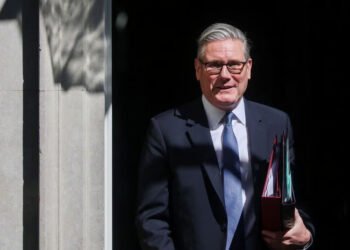
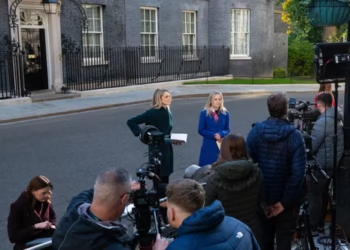
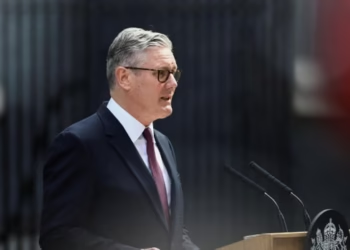
The landscape of British politics shifted dramatically this morning following a momentous byelection result in Greater Manchester. Keir Starmer has declared his absolute determination to contest any subsequent challenge to his current leadership. His resolute announcement follows a decisive electoral victory for Andy Burnham in the Makerfield constituency yesterday afternoon. The prime minister made his position clear during a tense press conference in north London today. He insisted to assembled reporters that he would not walk away from his duties now. This public declaration immediately intensifies an internal party struggle that had been brewing for months. Many political observers believe the Labour Party now faces its most significant ideological crossroads in decades.
The political tremor began when Andy Burnham secured a massive victory in the Makerfield byelection. The former Mayor of Greater Manchester captured an impressive fifty-five percent of the total vote. His triumphant speech on the podium sent clear shockwaves through the corridors of Westminster today. Burnham boldly asserted that this specific result represents a fundamental turning point for the nation. He claimed that voters explicitly demanded a substantial transfer of real power to northern communities. The victorious candidate spoke passionately about millions of people who feel entirely forgotten by London. His rhetoric directly challenged the centralized authority that Starmer has spent years carefully building up. Supporters of the new Member of Parliament quickly rallied around this highly populist message.
Before Starmer spoke out, many Burnham loyalists quietly hoped the prime minister might step down. They envisioned a smooth transition of power without a damaging and public intra-party civil war. Some strategists believed Starmer might choose to avoid a deeply polarizing and exhausting campaign trial. However, the prime minister shattered those optimistic calculations with his incredibly direct and firm intervention. As the incumbent leader of the party, Starmer automatically secures a place on the ballot. He does not need to gather nominations from parliamentary colleagues to defend his current position. This structural advantage means any potential challenge will inevitably become a protracted and bitter battle. The stage is now officially set for a monumental philosophical clash over Labour’s future direction.
The unfolding drama highlights deep regional divisions that continue to plague the modern Labour movement. Burnham has successfully positioned himself as the authentic voice of the devolved English regions. His political brand relies heavily on championing areas that feel neglected by traditional southern elites. In contrast, Starmer represents the institutional power and the tightly controlled central apparatus of Westminster. The upcoming struggle will force the party to choose between these two distinct identities. Members must decide whether to continue with centralized governance or embrace radical regional devolution. This debate touches upon the core purpose of the party and its economic priorities. The result will inevitably shape British social policy for the next generation of citizens.
Backers of the prime minister point to his record of national electoral success recently. They argue that stability at the top of government is essential for economic recovery. Starmer’s allies are already working behind the scenes to shore up vital parliamentary support. They stress that a divisive leadership contest could seriously undermine public confidence in the government. Ministers have private fears that internal fighting will distract from pressing legislative priorities this summer. The timing of this challenge complicates major policy rollouts scheduled for the coming weeks. Treasury officials are particularly concerned about market reactions to prolonged political uncertainty in Downing Street. Despite these immense pressures, Starmer appears entirely ready to fight for his political life.
Meanwhile, the Burnham camp is rapidly organizing a sophisticated national campaign to gather momentum. Activists are utilizing social media platforms to spread their message of radical democratic reform. They believe the party needs a fresh approach to connect with traditional working-class communities. Many trade unions are watching the situation closely before declaring their allegiance to either candidate. The financial and organizational backing of major unions could easily tip the balance of power. Local party branches across the country are already preparing for intense debates among members. The level of engagement suggests a very high turnout if a vote occurs. Every faction within the wider movement is preparing for a long and difficult autumn.
Political analysts suggest that Starmer’s quick response was a calculated preemptive strike against his critics. By declaring his candidacy early, he prevents an immediate rush of defections to Burnham’s side. He is signaling to his cabinet that he intends to remain firmly in command. This move forces undecided members of parliament to declare their loyalties much sooner than expected. It also shows a degree of personal resilience that his supporters find deeply reassuring. However, critics argue that his refusal to step aside reveals a dangerous detachment from reality. They claim he is ignoring the clear message sent by the voters of Makerfield. The debate over his leadership style is becoming increasingly personalized and hostile every day.
The international community is also observing these unexpected political developments with a degree of caution. Foreign diplomats are eager to see if British foreign policy will shift under new leadership. Burnham has previously hinted at a more skeptical approach to certain international trade agreements. Starmer has consistently maintained a traditional internationalist stance during his time as prime minister. Any change in leadership could potentially alter Britain’s relationships with key European partners moving forward. Foreign markets dislike political instability, and the pound fluctuated slightly after the news broke. The economic stakes of this domestic political battle are undeniably global in their scope.
As the hot summer progresses, the rhetorical attacks from both sides will likely intensify further. The media will scrutinize every policy announcement and public appearance for signs of weakness. Both men possess considerable political skills and have distinct appeals to the party faithful. Starmer retains the support of the party machinery and many moderate members of parliament. Burnham commands tremendous affection among grass-roots activists and those desiring more radical societal change. The confrontation appears entirely unavoidable now that both leaders have drawn their battle lines clearly. The next few months will test the unity and resilience of the Labour Party.
Ultimately, the British public will watch this internal political drama unfold with a critical eye. Citizens are currently facing numerous daily challenges regarding public services and the cost of living. They may quickly lose patience with a governing party consumed by internal leadership rivalries. The risk of appearing self-indulgent is a major concern for senior figures on both sides. If the contest becomes too destructive, it could permanently damage the party’s broader electoral prospects. The winner will inherit a deeply divided organization that requires urgent and careful healing. For now, the prime minister remains defiant and ready to face his formidable northern challenger.
Related News:
 Green Party Surges Past Labour in Latest UK Poll
 Trump’s UK Ambassador Urges North Sea Drilling to Strengthen US Ties
 French Taxi Driver Cleared in David Lammy Theft Case After Fare Dispute
 Millionaires group urge Reeves to introduce wealth tax to ‘lift kids out of poverty’
 Starmer Faces Growing Dissent as Labour MPs Weigh Leadership Challenge
 Reeves rejects £1bn plea for NHS redundancy payouts
 PM Condemns Leaks, Vows Loyalty to Ministers and Stability
 Major Rent Reform Ends No-Fault Evictions in England
 Peers Flood Assisted Dying Bill with 942 Amendments
 Most Tories Expect to Support a Farage-Led Government
 Labour MP claims devolution bill is ‘blatant discrimination’ against Cornwall
 Millions Face Higher Taxes Under Reeves New Budget
 Starmer Says Labour’s Economic Plan Needs Years to Deliver
 Culture secretary to review Telegraph takeover by Daily Mail owner
 UK Government Borrowing Drops to £11.6bn in December
 Labour Blocks Burnham as Party Rift Deepens Ahead of Polls
 Andy Burnham and the Labour Rift Over Power and Leadership
 Huge mistake: Labour blocks Burnham from byelection bid
 Artificial intelligence will cost jobs, admits Liz Kendall
 Labour targets Greens on drugs in Gorton Denton byelection
 Greens nominate Hannah Spencer for Gorton and Denton byelection
 Mandelson Faces Police Inquiry Over Epstein Leak
 Starmer Condemns ‘Depraved’ Russian Strikes on Ukraine
 Labour Thinktank Row Deepens Over Journalist Probe Claims
 Morgan McSweeney downfall shocks Labour leadership
 Labour Lord Doyle Apologises Over Paedophile Ties in Political Storm
 Cabinet Secretary Shake-Up Triggers Due Diligence Warning
 Starmer Faces Inquiry Calls Over Thinktank Probe
 Royal Mail Delivery Crisis Deepens Amid Weather Chaos
 UK shelves £110m border project amid trade strain
 Farage Unveils Reform UK Frontbench Team
 California Democrats Vow Trump Reckoning
 Trump Tariffs Threat Spark UK and EU Alarm
 Wales Approves Assisted Dying Bill Consent
 UK EU Trade Reset Gains Public Backing
 Green Party Stuns Labour in Gorton and Denton Byelection
 Corbyn Leads Your Party in Coordinated Left-Flank Strategy
 Labour Together scandal sparks clean break vow
 Asylum Seekers to Work After Year-Long Wait
 Starmer Row as Greens Demand Apology
 Proposed Law Leaves Gap for Children of Convicted Paedophiles
 Gordon Brown urges court for crimes against children
 Starmer Praised for Stance on Trump and Iran Conflict
 Inquiry into HMRC child benefit errors launched by NAO
 NHS Plans to Cut Overseas Workers Labeled Overambitious
 Farage Faces Backlash Over Crypto Cameo Endorsements
 Army Probes Apache Flyover at Kid Rock’s Nashville Estate
 Relationship with Trump may be beyond repair, Starmer warned
 Unions Raise Concerns Over Doctors’ Pay Dispute
 UK Government Poised to Revive Stalled Hillsborough Law
 UK Stands Firm on Falklands Amid US Rift
 Welsh Labour Faces Potential Historic Election Defeat
 Starmer Survives Mandelson Rebellion
 Silent Tracks: Rail Line Without Passengers
 Major test for Labour as polls open in Great Britain
 Labour Members Doubt Starmer Future as Burnham Leads Poll
 Reform UK Faces Crisis as Newly Elected Councillors Resign
 Farage Faces New Questions Over Private Helicopter Use
 Keir Starmer Struggles to Secure His Grip on Downing Street
 Farage Faces Standards Probe Over Cash Property Purchase
 Green Party Makerfield Candidate Resigns Over Posts
 Secret Role of UK Security Services in Troubles Amnesty Law
 Farage and Reform UK Reshape British Politics
 Starmer Leadership Under Pressure After Setbacks
 Minister Criticises Police Guidance Amid Southampton Protests
 Makerfield Voters Demand Real Change as Election Looms
 The Hidden Crisis Eroding Trust in British Communities
 Deepfake Abuse on X Sparks Safety Concerns for Dissidents
 UK Ministers Lobby Trump Over Under-16s Social Media Ban
 Labour MP Revives Blocked Assisted Dying Bill in Commons
 Starmer Resigns as Prime Minister Amid Internal Pressure
 MP Warning: Northern Rail Risks Repeating HS2 Failures
 Hollie Ridley to Step Down as Labour General Secretary
 New South Wales Premier Chris Minns Signals Tough Road Ahead for Labor
 Jarvis Urges Burnham to Secure 3.5% Defence Spending
 Farage Warns Sky News Following Financial Inquiry
 Reform UK Finances Face Deep NCA Probe
 Ann Widdecombe, Formidable Political Figure, Dies at 78
 Treasury Reform Urged After Tragic Loss
 Sadiq Khan Backs Call for Maximum UK Work Heat Limit