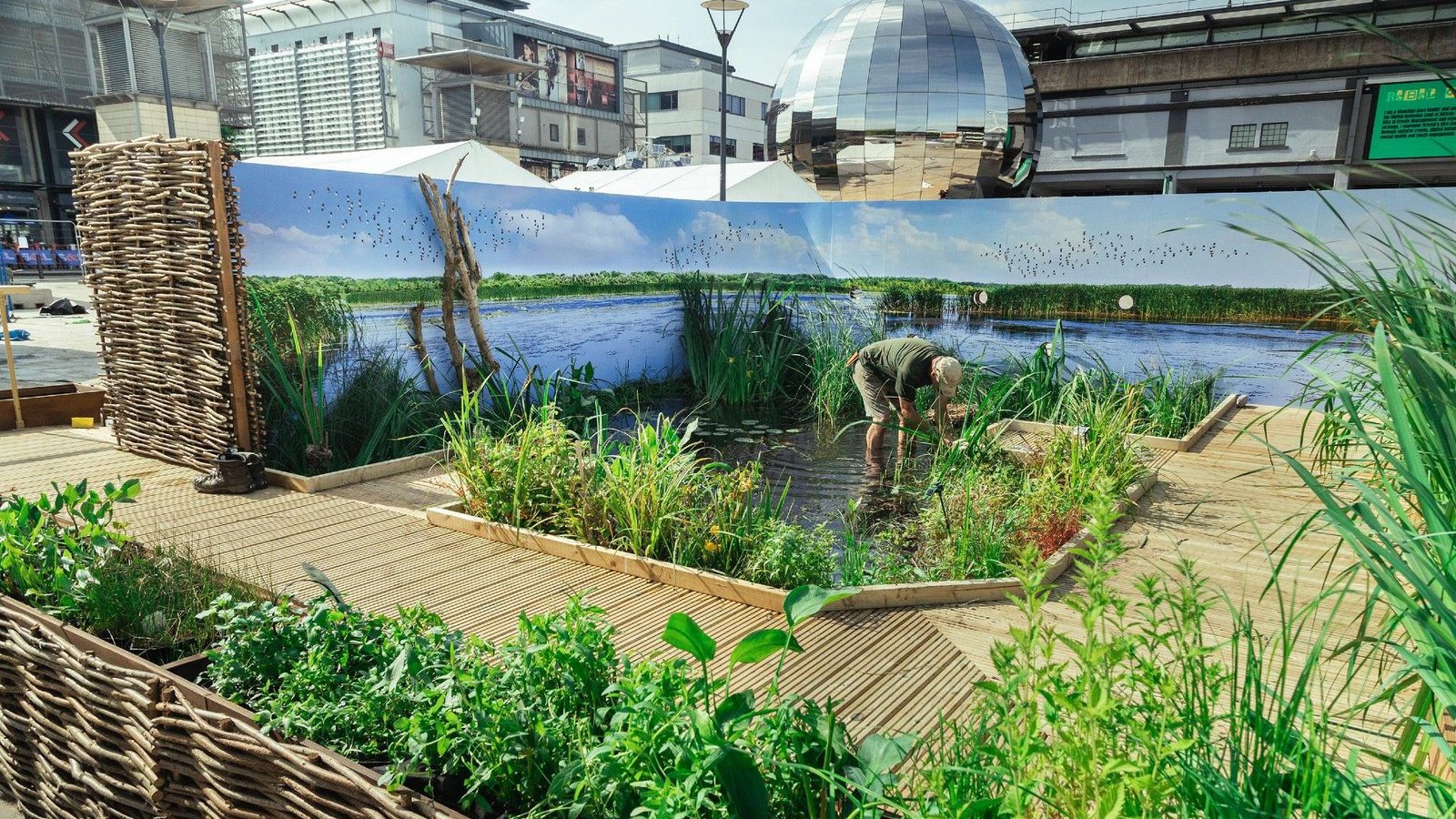
Bristol is taking an ambitious step towards building a greener, more climate-resilient future, with plans to become the United Kingdom’s first officially recognised “wetland city”. A major five-year environmental initiative aims to restore and create wetlands across the city, improve urban biodiversity, reduce the growing risk of flooding and provide residents with greater access to natural green and blue spaces.
The programme, led by the Wildfowl and Wetlands Trust (WWT), will involve more than 200 individual projects designed to transform the way Bristol manages water and protects its natural environment. The initiative will combine large-scale wetland restoration with smaller community-based projects, demonstrating how nature can become an essential part of modern urban development.
The proposed activities will include creating household rainwater ponds, developing rain gardens along streets, restoring river habitats, reconnecting rivers with their natural floodplains and establishing new wetland areas. Together, these measures are intended to create interconnected wildlife corridors throughout the city, allowing plants, birds, insects and other species to flourish in an increasingly developed urban landscape.

The initiative also seeks to secure international recognition through the Ramsar Convention, an international treaty dedicated to the conservation and sustainable use of wetlands. The convention provides a framework for protecting wetlands that are important for biodiversity, environmental stability and human wellbeing. Cities that receive wetland city accreditation demonstrate a commitment to protecting their urban wetland ecosystems and ensuring that these natural resources are responsibly managed.
Bristol’s proposed transformation comes at a time when cities across the world are facing increasingly complicated environmental challenges. Rapid urbanisation, changing rainfall patterns, rising temperatures and the loss of natural habitats have placed considerable pressure on urban ecosystems. Wetlands are increasingly being recognised as an important nature-based solution because they can help address several of these challenges simultaneously.
The project officially began taking shape in September when the WWT installed floating wetlands at three locations in Bristol’s city-centre harbour. These specially designed structures consist of buoyant modules covered with wetland vegetation. They provide a natural environment where insects, birds and other wildlife can find shelter, food and opportunities to establish new habitats.
The early response has reportedly been encouraging. According to Peter Lee, the programmes lead at the WWT, dragonflies and other wildlife began appearing around the floating structures within minutes of their installation. The immediate arrival of wildlife demonstrated how even relatively small environmental interventions can create new opportunities for nature in heavily developed areas.
Lee explained that the floating wetlands also generated conversations among local residents, many of whom questioned why similar natural environments could not become a permanent feature of the city. Their reaction highlighted an important objective of the wider initiative: making nature more visible and accessible in everyday urban life rather than restricting environmental experiences to distant countryside locations or designated wildlife reserves.
Louise Kennedy, who is managing the project in Bristol, emphasised the importance of wetlands for global biodiversity. She noted that approximately 40 per cent of species worldwide depend on wetlands in some form. However, these ecosystems have experienced substantial losses over the years because of urban expansion, agricultural development, pollution and changes in land use.
The decline of wetlands has created serious consequences for wildlife populations and the natural systems that support human communities. Many species depend on wetland environments for breeding, feeding and migration. When these habitats disappear, the impact can extend far beyond individual locations, affecting entire ecological networks.
Kennedy believes that restoring wetland areas within cities can make a meaningful contribution to reversing this decline. As urban populations continue to grow, identifying opportunities to protect and rebuild natural habitats within developed areas is becoming increasingly important. Bristol’s programme is expected to demonstrate how cities can accommodate both human development and environmental conservation.
Another major motivation behind the initiative is flood prevention. Wetlands naturally absorb, retain and gradually release water, making them valuable in areas that experience heavy rainfall. Unlike concrete, asphalt and other impermeable surfaces, which prevent water from entering the ground, wetland landscapes can slow the movement of rainwater and reduce the pressure placed on drainage infrastructure.
Urban flooding has become a significant concern for many British cities, particularly as intense rainfall events place additional pressure on drainage systems. When large volumes of rainwater enter conventional drainage networks within a short period, sewers can become overwhelmed, sometimes resulting in flooding and the release of untreated wastewater.
Peter Lee argued that cities need to reconsider their traditional approach to managing rainfall. Instead of attempting to remove water from urban areas as quickly as possible through drains and combined sewer systems, communities can manage rainwater closer to where it falls.
Under this approach, water collected from rooftops, roads and other surfaces could be directed towards suitable natural storage areas, including rain gardens, ponds and wetlands. Such measures would help reduce pressure on drainage networks while allowing rainwater to become a valuable environmental resource.
Lee also highlighted the quality of rainwater collected from rooftops, explaining that it can be suitable for different forms of sustainable water management when properly collected and handled. Rather than allowing all rainfall to flow directly into sewer systems, cities could capture and reuse it to support vegetation and maintain urban wetland habitats.
The environmental benefits of the programme are expected to extend beyond biodiversity and flood management. Access to green and blue spaces can contribute to physical and mental wellbeing by providing residents with opportunities to walk, relax, observe wildlife and spend time outdoors. For people living in densely populated neighbourhoods, nearby natural spaces can offer important recreational and social benefits.
The project could also help improve the appearance and environmental quality of Bristol’s built-up areas. Wetland corridors integrated into streets, parks, waterways and residential developments would create a more natural urban environment while encouraging residents to develop a stronger connection with local wildlife.
Internationally, the wetland city accreditation programme has already gained recognition. There are 74 accredited wetland cities across 27 countries, with China accounting for 22 of them. These cities have demonstrated varying approaches to protecting wetlands and integrating environmental conservation into urban planning.
However, Bristol’s approach has a distinctive funding and implementation structure. According to the WWT, many previous wetland city initiatives in other countries have been led by governments or city administrations, often with strong involvement from mayors and public authorities. Bristol’s programme, by contrast, is being driven by a conservation charity with financial support from the insurance company Aviva.
Aviva is contributing £8.9 million towards the five-year initiative, providing substantial financial support for the planned restoration and development activities. The funding is expected to help the WWT coordinate projects, work with local organisations and encourage wider participation in improving the city’s natural environment.
The financial dimension of the programme is also important because environmental restoration is often viewed primarily as a conservation expense. Lee believes Bristol could demonstrate that investing in wetlands can also generate economic benefits for cities and businesses.
He suggested that improved natural environments could attract more visitors, increase activity in city-centre areas and create additional commercial opportunities. For example, attractive waterfront environments and healthier waterways could potentially increase demand for moorings and encourage greater footfall in surrounding commercial districts.
If the initiative can demonstrate that wetland restoration delivers measurable economic returns alongside environmental improvements, other cities may become more willing to invest in similar programmes. The initial financial contribution from Aviva could therefore serve as seed funding for a much larger and more sustainable investment model.
Bristol was selected after the WWT considered several potential locations for launching the initiative. Its long maritime history and extensive network of waterways made it a particularly suitable candidate. The city has approximately 100 miles of waterways, many of which are hidden, underused or less visible within its developed urban landscape.
The city’s relationship with water is also reflected in its history, geography and place names. Restoring these waterways and reconnecting them with surrounding natural environments could help Bristol rediscover an important part of its identity while addressing modern environmental challenges.
Tony Dyer, the leader of Bristol City Council, welcomed the programme and described it as an important opportunity to work with nature to address some of the city’s most pressing challenges. He said Bristol had always been shaped by its relationship with water and that restoring wetlands could support wildlife, reduce flood risks and improve residents’ health and wellbeing.
Dyer also highlighted the importance of building resilience against climate change. As weather patterns become less predictable and extreme rainfall threatens urban infrastructure, nature-based solutions could become increasingly important for protecting communities and supporting sustainable development.
Nevertheless, achieving wetland city accreditation will require sustained cooperation between environmental organisations, local authorities, businesses, community groups and residents. More than 200 projects across an urban area will require careful planning, appropriate land management, long-term maintenance and continued public engagement.

The success of the initiative will ultimately depend not only on the number of wetlands created but also on their ecological quality, connectivity and ability to deliver lasting benefits. Protecting existing habitats while ensuring that newly developed wetlands remain healthy will be essential to achieving the programme’s broader objectives.
If successful, Bristol could establish an influential example for other British towns and cities seeking practical ways to address flooding, biodiversity loss and the effects of climate change. Its proposed transformation represents a wider shift in urban thinking: rather than treating water and wildlife as challenges that must be removed from developed areas, cities can incorporate natural ecosystems into their infrastructure.
For Bristol, becoming the UK’s first wetland city would therefore represent more than an international environmental title. It would signal a commitment to building an urban future in which nature, communities and economic development can exist together, making the city safer, healthier and more resilient for generations to come.
Related News:
 UK Ministers Warned Over Lobbying by Indian Mega-Zoo
 Denmark Seeks EU-Wide Ban on Fast-Growing Turbo Chickens
 Chornobyl Still at Risk 40 Years After Disaster
 Tractor Breakdown Tests Lincolnshire Farmers
 Britons Build Emergency Supplies Amid Rising Fears
 Sycamore Gap Artwork Chosen After Public Vote
 Pope Meets Families in Italy Toxic Waste Zone
 Farage and Reform UK Reshape British Politics
 Starmer Leadership Under Pressure After Setbacks
 UK Schools Struggle as Classrooms Top 40C
 London Tube Heat Reaches Dangerous Levels
 Olympus Awaits Unesco Heritage Recognition
 Three-Quarters of England’s Riverbanks Still Off Limits
 London’s 2026 ‘Great Stink’ Raises Sewer Concerns
 Burnham unveils £65m drought aid for farmers
 Australia Races to Find Tourists Missing in Nepal
 Nepal Flood Survivors Face Unimaginable Loss
 Green Leader Targets Starmer’s Former Seat
 Daughter Finds Bones in Parents’ Burned-Out Car
 UK Subsidence Claims Surge After Record-Breaking Summer
 Nepal Tunnel Rescue Offers Hope Amid Flood Devastation
 Masked Protesters Bring Dover Port Traffic to Standstill
 Australia gives users control over social media algorithms
 British widow says deportation from Sweden feels like a death sentence
 Thames Water Revises Oxfordshire Mega-Reservoir Plan
 Lib Dems Prepare for Election Amid Reform Challenge
 Briton Faces Cyprus Court Over Son’s Fatal Fall
 Tropics May Wait Longest for Net-Zero Climate Benefits
 King Refers Jamaica Slavery Petition to Privy Council
 Greece Pushes for Parthenon Marbles Reunification
 Elif Eralp Emerges as Berlin’s Next Political Force
 Nepal PM calls deadly flood a global climate warning
 Three Die in Channel Crossing Attempt Near France
 New UK Homes in Flood Zones Face Insurance Risk
 Burnham Opens Door to Possible UK Return to EU
 Drumcree Talks Falter as Legal Challenge Deepens
 UK-France Returns Deal Faces Expiry as Talks Stall
 Green Party faces dispute over Zionism motion
 Edinburgh Glasshouses Reopen After Major Restoration
 Polanski Says Leadership Not Tied to By-election Result
 Experts Warn UK Food Security Is at Risk
 Pacific Climate Summit Draws Limited Global Leaders
 Bendy Elm Named UK Tree of the Year
 Holborn and St Pancras Vote Tests Labour and Greens
 Britons Demand Greater Honesty on Climate Crisis
 Labour Wins Key London By-election as Greens Fall Short
 UK Water Firms Earn Millions From Industrial Wastewater
 Burnham Rises as Farage and Polanski Face Setbacks
 Labour Beats Greens in Crucial London By-election
 Panama Hit by Powerful 7.7-Magnitude Earthquake
 Hanson Attacks Taylor as Australian Conservatives Clash
 UK Gaza Refugee Route Criticised Over False Hope Claims
 UK Greens Face Crisis Over Zionism and Extremism Row
 Farage Rejects Claims Reform Would Let Troops Shoot Migrants
 UK Shoppers Urged to Avoid Hake and Coley
 UK Visa Refusal Threatens Baby’s Family Christmas
 Climate Change Makes Tap Water Unsafe in Arctic Norway
 MoD Seeks Out-of-Court Resolution in LGBT Veterans Compensation Fight
 Briton Faces Deportation from Sweden and Separation from Infant Son
 UK Aid Set to Fall Short of Reduced 2027 Target
 Melting Dolomites Glaciers Reveal 250 WWI Explosives
 UK Land Registry Plan Faces Opposition From Landowners
 Campbell Urges Australia to Defend Democratic Politics
 UK Chancellor Moves to Scrap Gas Standing Charges
 Montenegro Embassy Sparks London Neighbourhood Legal Row
 El Niño Drought Pushes Papua New Guinea Into Crisis
 King Charles Faces Reparations Protests at Antigua Summit
 European Peacekeepers Could Return Fire in Ukraine
 Australia Reviews UK Visa Rules Amid Worker Influx
 Exiled Journalists Defy Putin’s Growing Media Crackdown
 UK Parliament Faces Risk of Notre Dame-Style Fire
 UK Apologises to Ukrainian Refugees Over Russian GCSE
 English Mayors Warn Police Merger Could Weaken Local Policing
 EU Citizens Sue Home Office Over UK Residency Rights
 New Zealand’s Opportunity Party Challenges Populist Politics
 Burnham’s Christmas Homelessness Pledge Faces Uncertainty
 EU Border System Errors Put Britons at Risk of Travel Bans
 Gaza Floods Leave Thousands Homeless as Tents Await Entry
 Ilse Aigner Set to Make German History as First Female President
 Rayner Approves Controversial Oxfordshire Asylum Centre